Park City Homebuyers: Inspect Whole-House Water Filtration Systems
Protect Your Park City Home Investment From Day One
Water quality is one of the easiest things to overlook during a home purchase, but it has a big impact on how your new place looks, feels, and holds its value. In an area with high home prices, luxury fixtures, radiant heat, and high-end appliances, poor water can quietly cause a lot of damage. Hard water scale, staining, and problem contaminants do not care how nice the kitchen is.
In Park City and the surrounding Summit and Wasatch County areas, water comes with some unique twists. We see mountain snowmelt, older private wells in outlying and mountain properties, and seasonal runoff that can change water chemistry and clarity. During inspections, it pays to look closely at both water test results and any whole-house water filtration in Park City homes you are considering.
In the following sections, we will walk through how to read water tests, check the age and condition of existing systems, and review maintenance records so you can move in with confidence instead of surprises.
What Park City Water Tests Really Tell You
Homebuyers usually see a mix of water information during the inspection period. Common sources include:
- Basic tests done by a home inspector
- City or HOA water quality reports, if the home is on municipal water
- Lab reports for private wells or more detailed testing
Each source has value, but they vary in how deep they go. A quick hardness strip test is helpful, yet it will not show you bacteria or specific contaminants. A full lab report gives much more detail about what your family and plumbing are really facing.
In Park City, Summit, and Wasatch County, key items to look for are:
- Hardness
- Iron and manganese
- Chlorine or chloramine (for municipal supplies)
- Total dissolved solids (TDS)
- pH
- Sediment or turbidity
- Arsenic, nitrates, and bacteria
These results connect directly to everyday comfort, appliance lifespan, and long-term maintenance. Hardness creates scale on fixtures, glass shower doors, and inside radiant heat tubing. It can shorten the life of water heaters and dishwashers and leave skin and hair feeling dry. Iron and manganese cause reddish, brown, or black staining in sinks, tubs, and toilets, and they can also give water a metallic taste. Chlorine and chloramine may protect against bacteria, but they can cause strong odors, flat-tasting water, and dry skin or hair.
High TDS often shows up as cloudy glassware, spots, or a salty or mineral taste. Out-of-range pH can be on the acidic or basic side, which can lead to corrosion or scaling in pipes and fixtures. Sediment and turbidity show up as cloudy water or grit that can clog fixtures and filters. Arsenic, nitrates, and bacteria raise health concerns and need proper treatment and monitoring.
Understanding what is in the water helps you see whether existing whole-house water filtration in Park City homes is doing its job, or if it needs help.
Reading Labs and Reports Like a Pro Homebuyer
Water reports can look technical, but once you know what to look for, they make much more sense. Start by scanning the first pages for a few basics:
- Source of water: municipal system, HOA system, or private well
- Test date: how recent the sample is
- Units of measure: mg/L, ppm, grains per gallon, or others
- A note or column that compares results to EPA or state guidelines
Next, make sure the sample date lines up with the season you are buying in. In mountain areas, water quality can shift between spring runoff and late summer. If the test is very old, or taken in a different season, it may not reflect what you will actually experience.
Some simple red flags to watch for include:
- Hardness that is considered very hard
- Iron or manganese high enough to cause staining or taste issues
- Any bacteria present in a lab result
- Arsenic, nitrates, or other contaminants over recommended limits
- Strong odors or color that do not match “clear and clean” water
If you see any of these, you may want to request a retest or more complete testing before closing, especially on private wells or mountain properties with changing water tables. It is also a good idea to ask for any past seasonal data, not just one snapshot, when water conditions may swing with runoff or drought.
Evaluating Existing Whole-House Filtration Systems
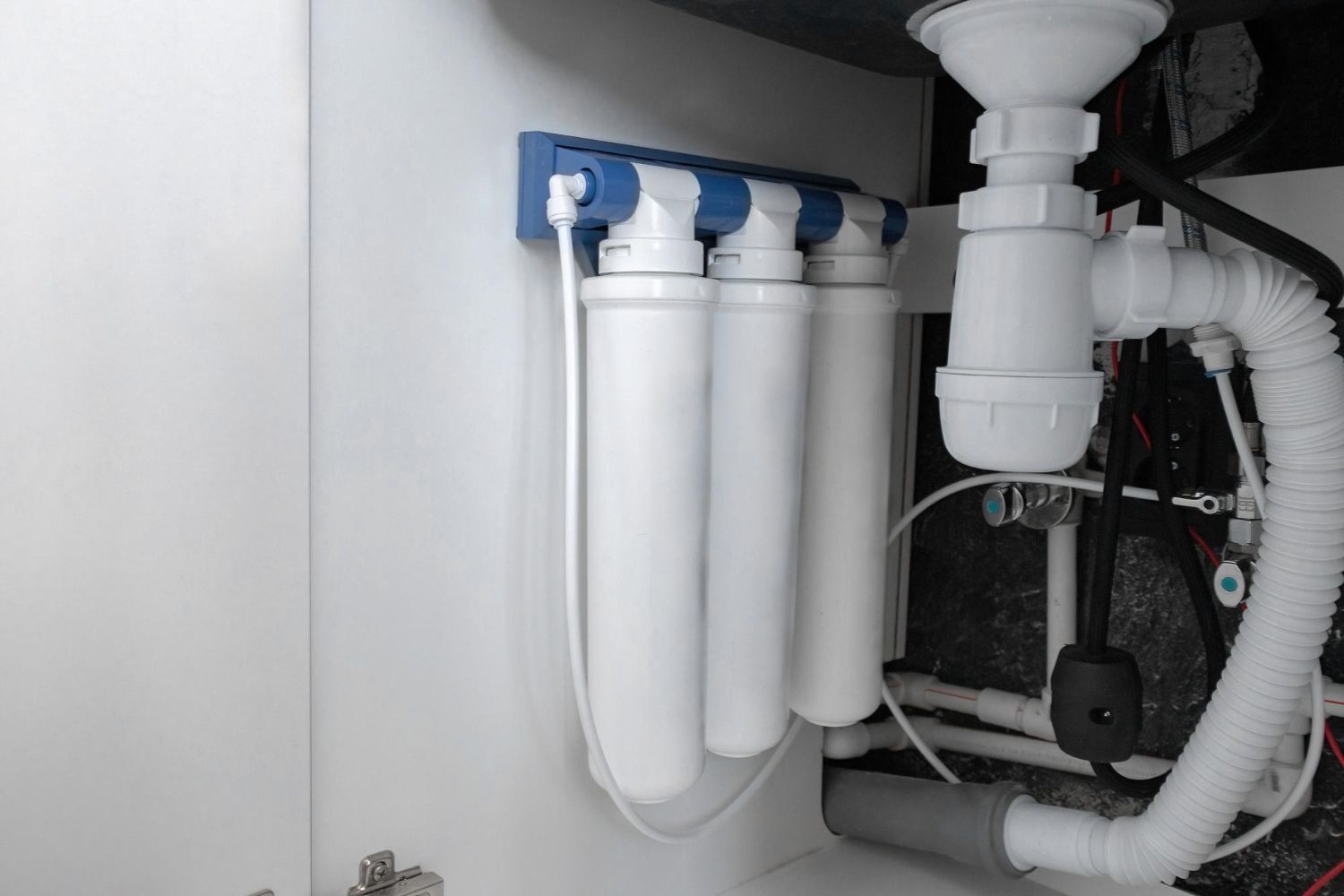
Many Park City homes already have some type of whole-house water treatment in place. Common equipment includes:
- Water softeners to reduce hardness and scale
- Sediment filters to catch sand and fine particles
- Carbon filters to reduce chlorine, odors, and some chemicals
- Iron or manganese systems for staining and taste
- UV disinfection units for bacteria on wells
- Reverse osmosis (RO) systems at the kitchen sink or, less often, for the whole home
During your walkthrough, you can do some simple checks, even without tools. First, try to understand what type of system you are looking at and what problem it is meant to solve. A softener does not fix bacteria, and a UV light does not remove hardness.
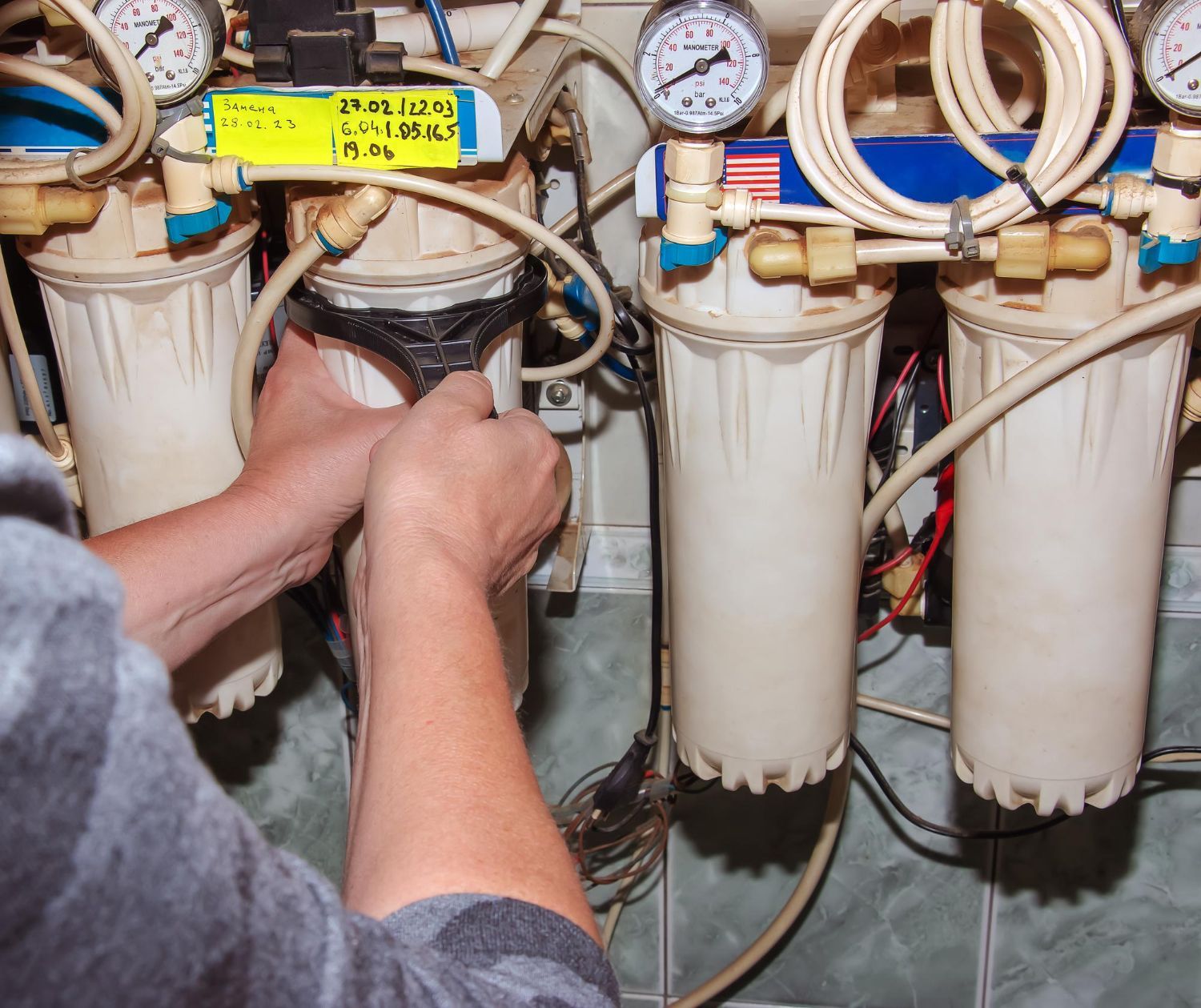
To estimate age and condition, look for manufacturer labels and model names on tanks or control valves, serial numbers and install dates on the control head or back of the unit, and any stickers from the installer with a service date. Most tanks, valves, media, and electronics have expected lifespans. Older units may be fine if well cared for, but they are closer to needing repairs or replacement.
During a quick visual inspection, watch for:
- Any signs of leaks, rust, or corrosion around fittings and valves
- Salt that is hardened into a solid mass in the softener brine tank
- Cracked, sun-faded, or stained tanks
- Valves that seem to run constantly or make loud, unusual noises
- Loose drain lines, sloppy wiring, or unprotected cords
A professional water treatment company can do a full inspection, but these clues help you gauge whether the system looks loved or ignored.
Making Sense of Service Logs and Maintenance Records
A healthy water treatment system has a story you can follow. Good maintenance records often include:
- Regular salt refills and quick checks for softeners
- Annual service visits for full system checkups
- Timely media changes for iron or carbon systems
- Filter cartridge replacement dates for pre-filters or RO systems
- Repair notes that show what was fixed and when
When the paperwork is thin, missing, or inconsistent, it is worth slowing down and asking why. Gaps do not automatically mean the system is bad, but they do increase the odds that maintenance has been deferred and performance has slipped.
Warning signs in the paperwork include:
- Long periods with no media or filter replacements recorded
- DIY repairs on complex equipment
- Systems left in bypass or switched off with no note why
- Service notes that mention repeated problems without a final fix
During the inspection period, it helps to ask questions like:
- Who installed the system originally?
- Was it sized for the number of bathrooms, people, and fixtures in the home?
- Are any warranties or service agreements transferable?
- Which parts are nearing the end of their expected life?
- Has the system ever been out of service due to problems?
The answers will give you a clearer picture of what you are taking on along with the house.
Smart Negotiation Moves Before You Close
Water test results and system condition are not just technical details; they can be useful in negotiations. If reports show severe hardness, bacteria, failing equipment, or untreated contaminants, that is real risk and long-term cost for you as the buyer. In other words, water issues are not cosmetic, they can affect plumbing, appliances, and comfort in ways that are expensive to correct later.
You can use documented issues to:
- Request that the seller repair, replace, or professionally service equipment before closing
- Ask for a credit so you can install new whole-house water filtration in Park City that fits your family and fixtures
- Add a contingency for a full water treatment review so you are not rushed
When deciding between repair and replacement, think about the age of the system, the size and use of the home, and features like radiant heating, hot tubs, or luxury baths. These all benefit from consistent, well-treated water.
Late summer is usually a good time to arrange detailed inspections and quotes, and to get work done before cold weather makes access harder. Building clear water system language into the contract helps make sure any promised work gets finished before you move in, not months later.
Partner With Local Experts to Confidently Move In
Water in mountain communities has its own personality, and Park City is no different. A local specialist who works every day with Summit and Wasatch County water profiles, private wells, and municipal supplies can help you read test results and match them to the right treatment.
At Water Science, we focus on residential water treatment for homes in this area, including water softening, filtration, and purification options tailored to the property. For homebuyers, a dedicated water evaluation before closing or before move-in can include:
- A review of your water test reports
- On-site inspection of any current equipment
- Assessment of plumbing layout and household needs
- Clear recommendations and estimates for tune-ups, upgrades, or new systems
Taking the time to understand your water and your whole-house filtration setup now helps protect your investment, your comfort, and your new Park City home for years to come.
Get Started With Your Project Today
If you are ready to improve every tap in your home, we can help you choose and install the right system for your water. At Water Science, our specialists design solutions for whole house water filtration in Park City that fit your property, budget, and water quality needs. Share a few details about your home and goals, and we will provide clear recommendations and next steps. To schedule a consultation or ask questions, simply contact us.