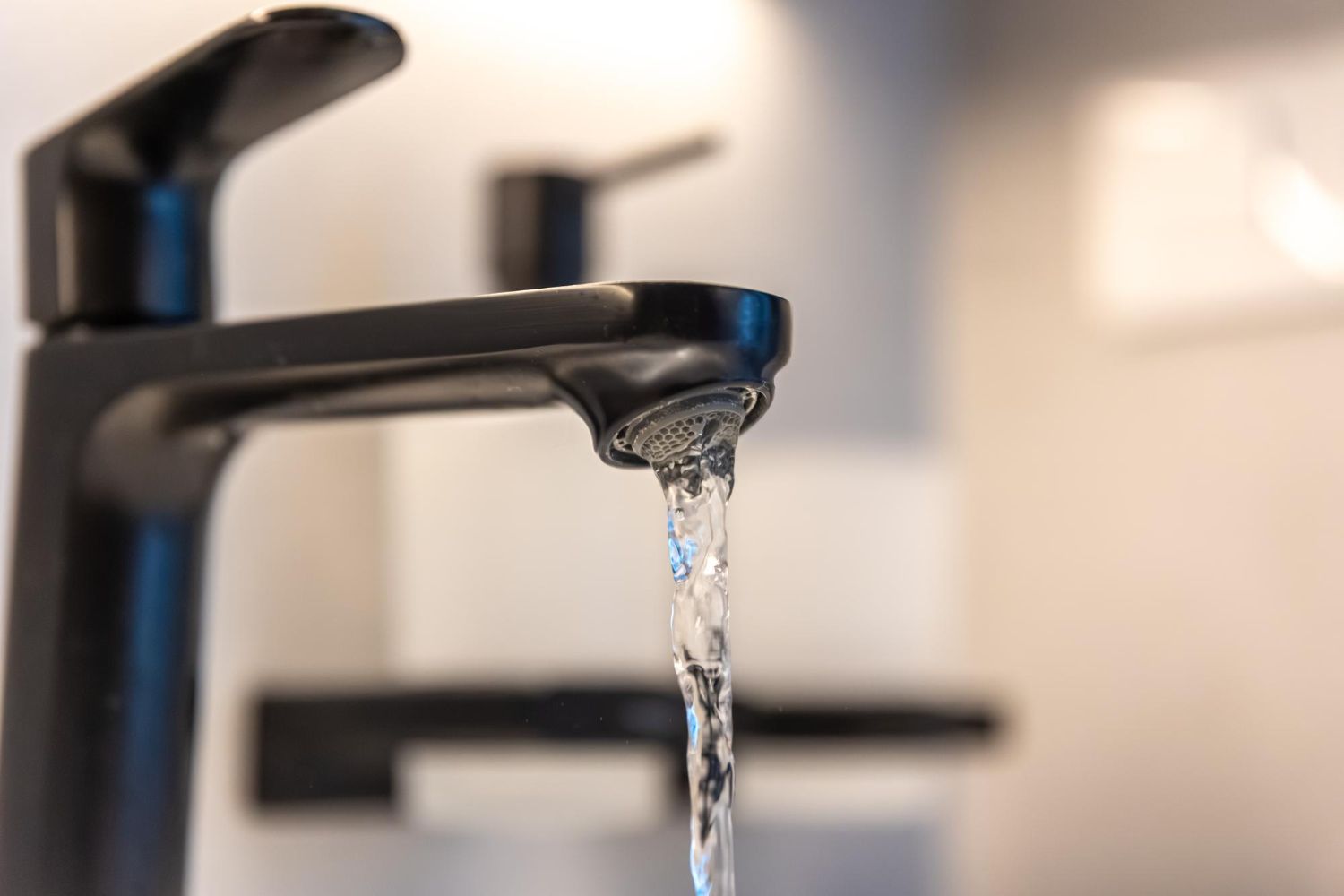
Recognizing Utah Water Pressure Issues Caused by Treatment Systems
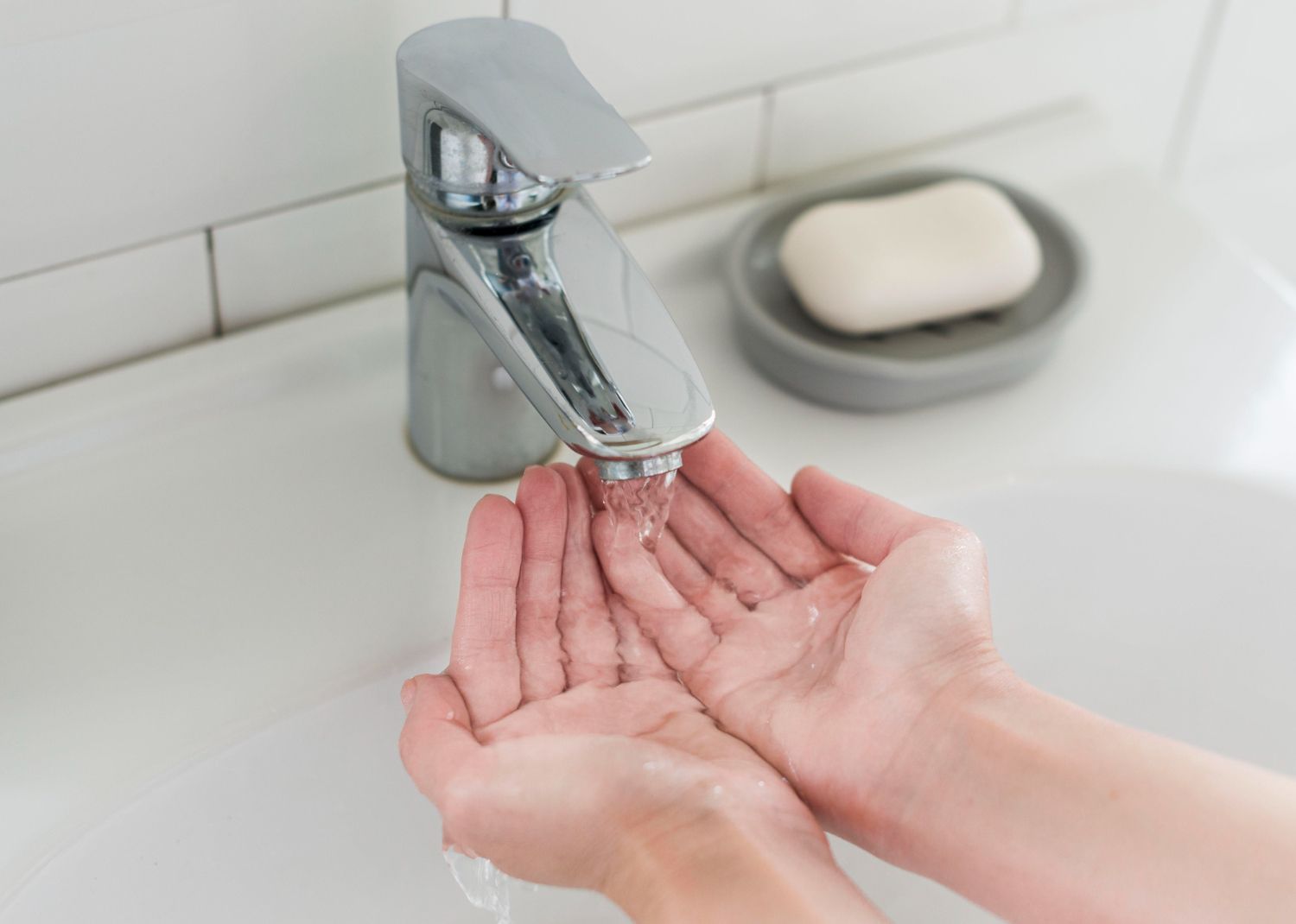
Water pressure problems can sneak up on you. One day your showers feel strong and steady, and the next week the water is weak, noisy, or comes and goes. For many homes in Park City and across Summit and Wasatch Counties, this starts right after adding a new water softener or filtration system. The water is cleaner and tastes better, but the pressure just is not the same.
Water treatment is still a smart upgrade, especially with Utah’s hard water. But if systems are undersized, installed the wrong way, or not maintained, they can create pressure bottlenecks inside your plumbing. In this article, we will walk through how local conditions affect pressure, the signs your treatment system might be part of the problem, and what can be done to keep both water quality and water pressure working the way they should.
How Utah’s Climate and Plumbing Affect Water Pressure
Utah’s water is tough on plumbing. Hard water and high mineral content leave scale inside pipes, valves, and fixtures. Over time, this buildup shrinks the inside of the pipe and slows water flow. When cold weather arrives, temperature swings can also stress pipes, fittings, and valves, making weak spots show up faster.
Around Park City and the surrounding mountain communities, many homes have plumbing that has seen a lot of years and a lot of changes. It is common to find:
- Older copper lines tied into newer PEX
- Long water service lines up to hillside homes
- Mixes of different valves and fittings from past remodels
Each change, bend, and transition can add friction and small restrictions. On its own, that might not seem like much. But when you add hard water scale and extra equipment like softeners and filters, the pressure drop can really add up.
It is also important to remember that city water pressure at the street can be completely normal while your home still feels weak. Once water passes through your main shutoff, pressure regulator, treatment systems, and internal plumbing, there are many places where it can lose power before it reaches a showerhead.
Signs Your Water Treatment System Is Hurting Pressure
How do you know if your water softener, filter, or purifier is part of the problem? The clues are often in the pattern of your pressure issues.
Common signs include:
- Strong pressure at an outside spigot, but weak pressure inside the home
- One bathroom with decent pressure, while another one feels like a trickle
- Pressure that suddenly drops when a softener or filter starts a regeneration or backwash cycle
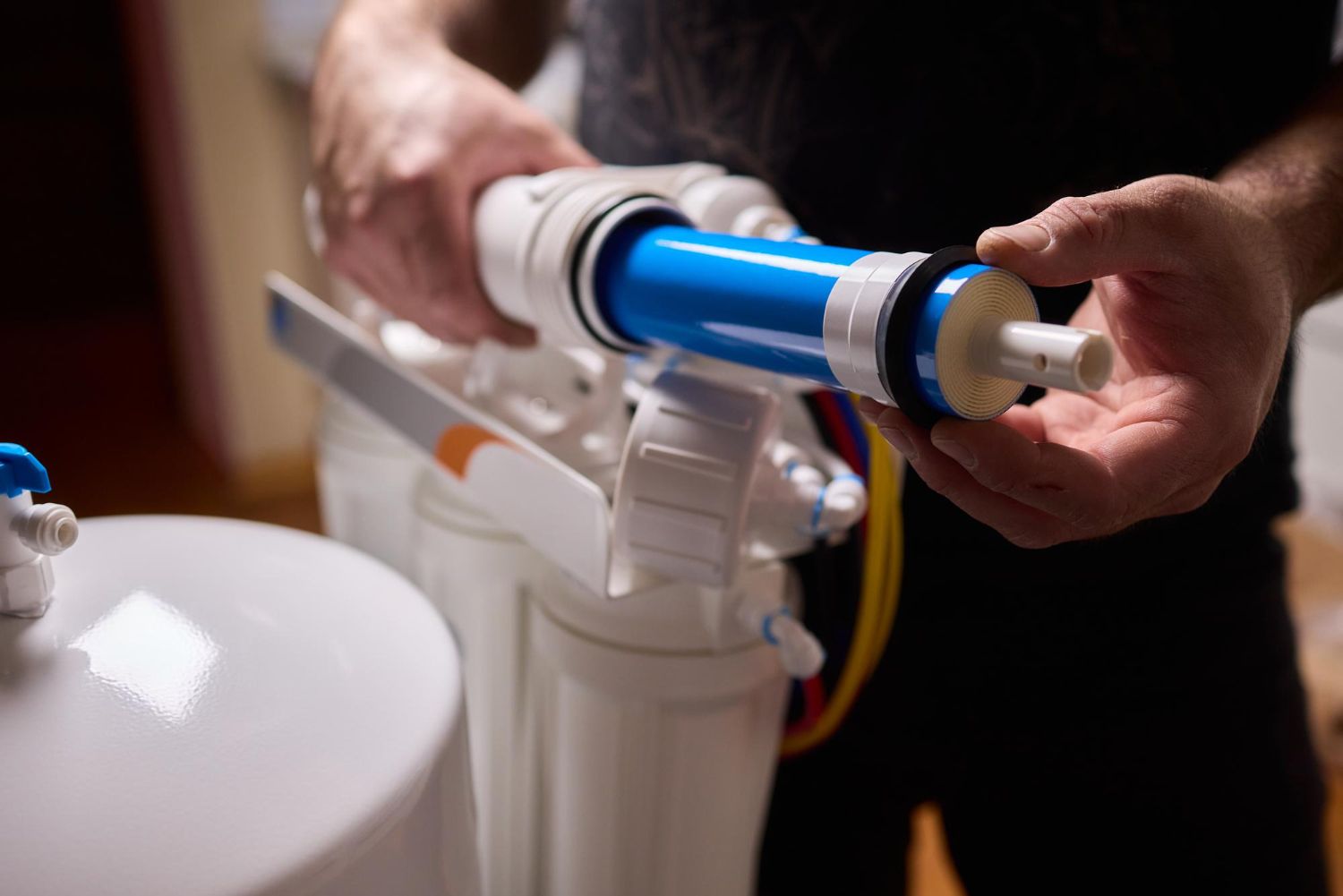
Some homeowners notice that showers felt great until a new filter or softener was installed. Right after the upgrade, sinks take longer to fill and appliances seem slower. In many cases, this points to restrictive filters, undersized media tanks, or cartridges that are too fine for the flow the home needs.
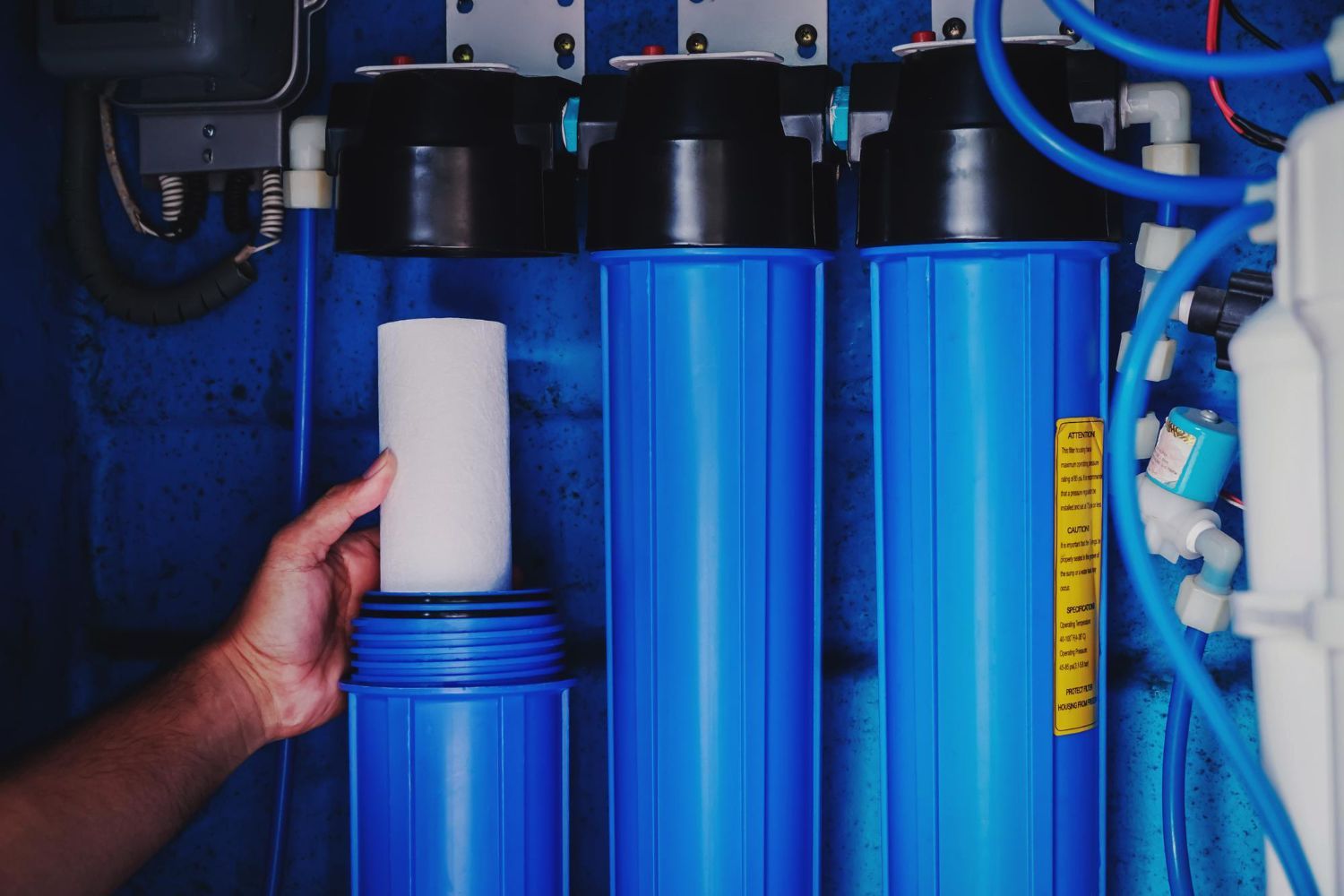
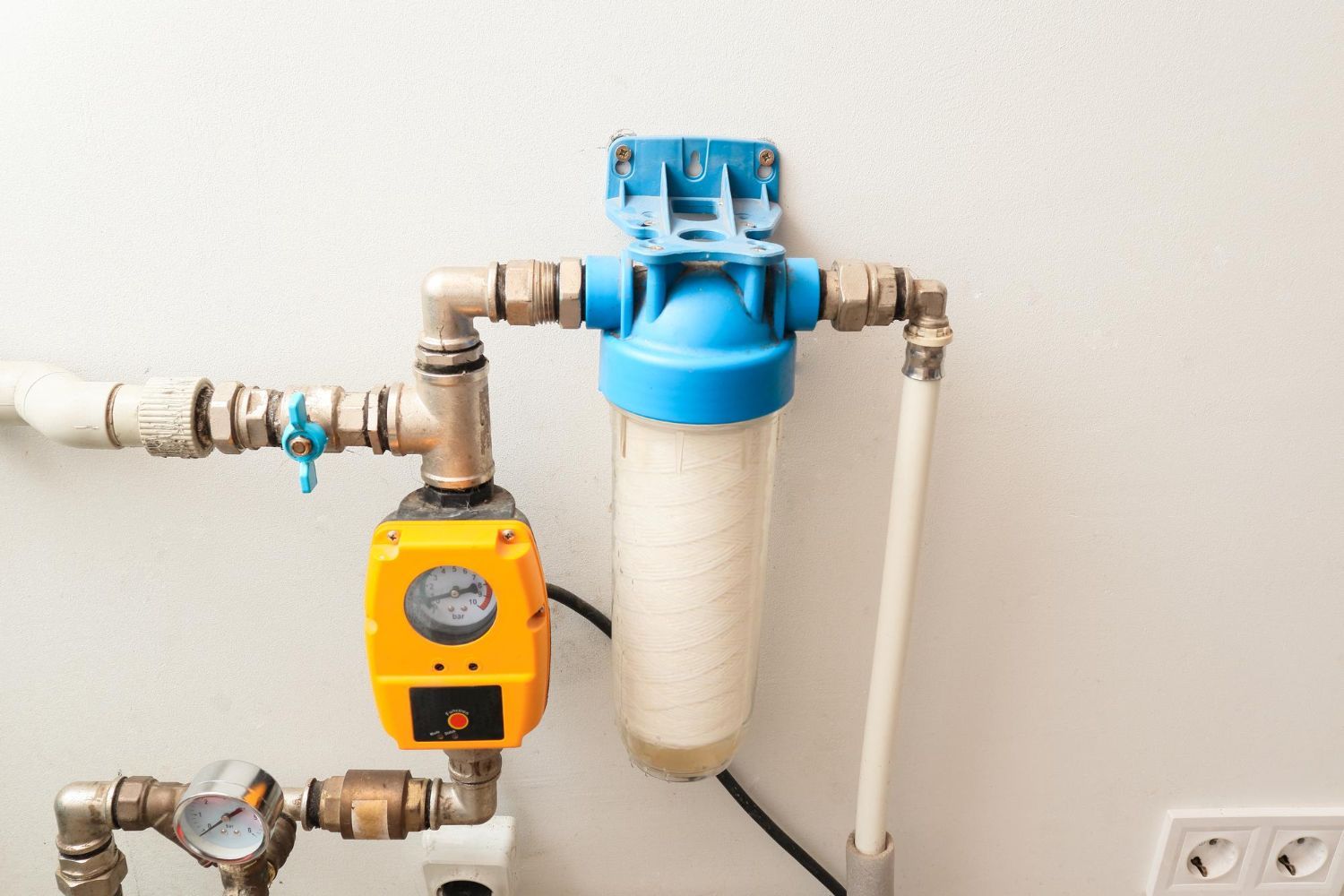
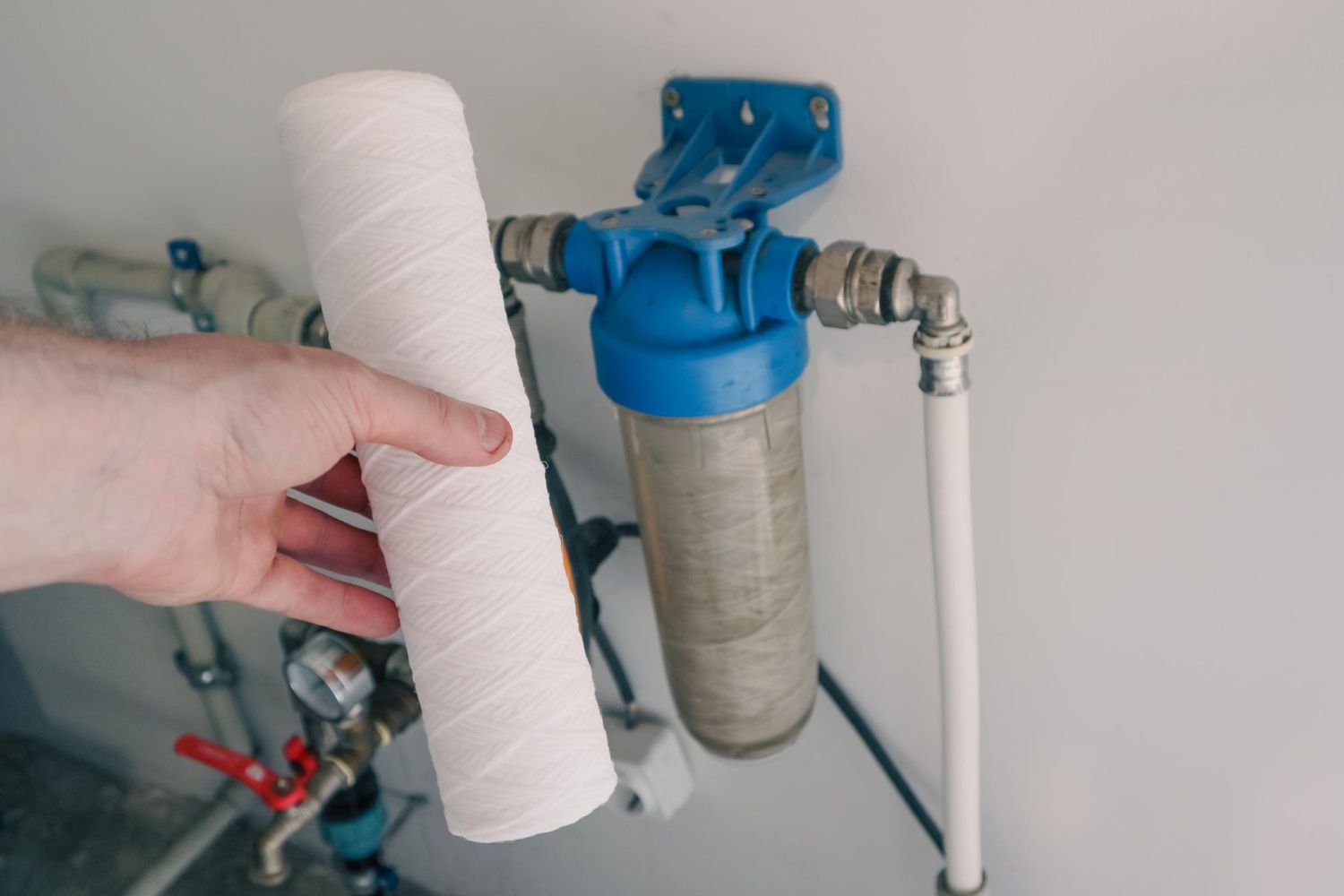
Clogged sediment filters are another big cause. As these fill with sand, rust, or fine particles, water has to work harder to pass through, which lowers pressure, especially when more than one fixture is running. Timing is a big clue. If low pressure lines up with:
- Filter changes or cartridge replacements
- Regeneration times for a softener
- Seasonal changes like ski season guests or more people staying in the home
then the treatment system is likely playing a role in the pressure issues.
Common Pressure Mistakes in Water Treatment Setups
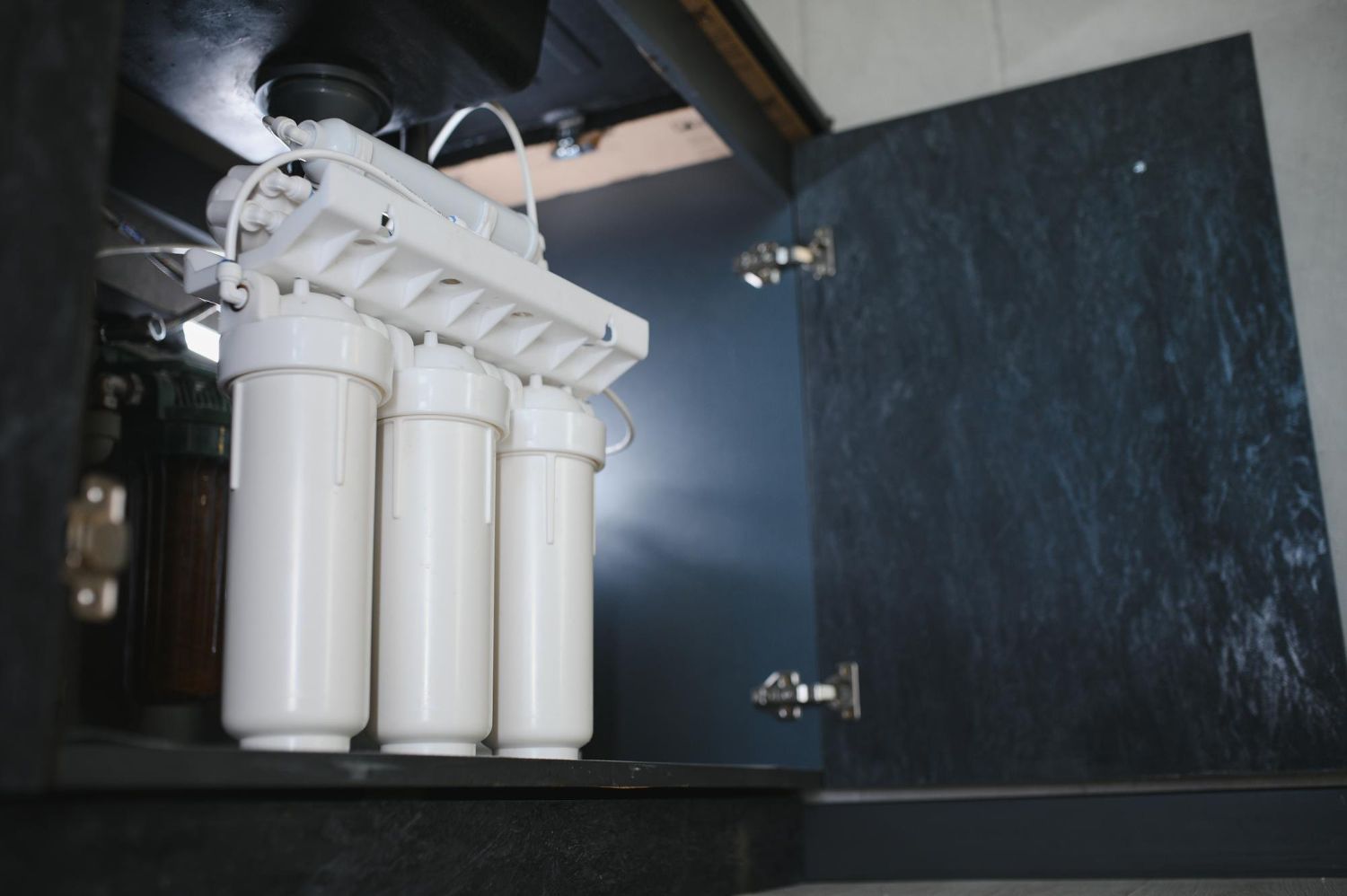
A lot of pressure trouble starts with good intentions. A homeowner wants cleaner, safer water, adds more equipment, and ends up stacking too many restrictions into one line.
Undersizing is one of the most common mistakes. If a system is chosen only by tank size or price, and not by flow rate, it might not handle busy times like:
- Multiple morning showers
- A running dishwasher and washing machine at the same time
- Extra guests during ski season or holidays
When a system cannot keep up with peak demand, you feel it as weak showers, slow tubs, and appliances that seem to run forever.
Over-filtering is another issue. Very fine micron filters can polish water nicely, but putting several of them in a row can create a big pressure drop. In many Utah homes, it makes more sense to use the right filter media for local water, instead of stacking filters that are too tight.
Poor installation can also hurt pressure. We often see:
- Sharp turns and tight loops around treatment tanks
- Too many fittings jammed into a small space
- Bypass valves and loops that are too small for the main line
All of this adds resistance. Without a careful pressure and flow evaluation first, even good equipment can be installed in a way that chokes the water supply.
When to Call for Professional Water Treatment Services in Wasatch
There are a few simple checks homeowners can do just to get a sense of what is going on. You can look to see if the main shutoff valve is fully open and not halfway closed. You can listen for whistling, banging, or chattering near your treatment equipment. You can also notice whether low pressure affects the whole home or just certain fixtures.
A more helpful step is comparing pressure before and after your treatment systems. If outdoor spigots that bypass the softener feel strong, but indoor taps do not, that is a strong hint the restriction is somewhere in the treatment line.
Professional help becomes important when:
- Low pressure keeps coming back, even after basic checks
- You notice sudden drops in flow without any clear reason
- Pipes near the treatment area are noisy, rattling, or vibrating
- There are damp spots, corrosion, or small leaks around tanks, valves, or fittings
Local water treatment technicians who work every day in Wasatch and Summit Counties can test static pressure, measure flow rates at different points, and inspect how equipment is set up. That way, they can separate a city supply problem from an in-home plumbing or equipment problem.
Smart Upgrades and Seasonal Maintenance to Protect Pressure
Once the source of the restriction is found, there are smart ways to bring pressure back while keeping high water quality. Some homes benefit from switching to high-flow softeners and filters that are correctly sized for the number of bathrooms, fixtures, and guests the home typically sees. This includes planning for heavier use during ski season or busy holiday stretches.
In some hillside or long-driveway homes, even well-sized systems still need help. Pressure-boosting solutions like properly selected booster pumps or pressure tanks can support steady pressure all over the house. The key is to match the boost system to the treatment setup so they work together instead of fighting each other.
Good design makes a big difference too. That means:
- Using pipe sizes that fit the home’s peak flow needs
- Placing softeners, filters, and any UV or specialty units in a smart order
- Choosing filter micron ratings that balance clarity with good flow
Seasonal maintenance is also important in our area. Before winter water use ramps up, it helps to have filters checked and replaced if they are clogging. Strainers and screens should be cleaned, and softener settings should be reviewed so regeneration does not happen right during peak shower or laundry times.
Homes that see more people in winter, whether for holiday stays or ski rentals, can benefit from a pre-season review of system capacity. A quick adjustment or upgrade to handle the extra load can prevent surprise pressure problems when the house is full.
When treatment systems are properly sized, installed, and maintained for Utah conditions, you do not have to choose between soft, clean water and strong, steady pressure. With thoughtful design and regular care, both can work together to protect your plumbing and keep daily life more comfortable.
Improve Your Home’s Water Quality And Comfort Today
If you are ready to enjoy cleaner water and a more reliable system, our team at Water Science is here to help. Explore our specialized water treatment services in Wasatch and let us recommend the right solution for your home. We will answer your questions, walk you through options, and provide clear next steps. To schedule a visit or request a quote, simply contact us.