Mistakes to Avoid with Water Softener Installation in Utah
Stop Wasting Salt, Water, and Money in Your Utah Home
Hard water in Utah is no joke. Spots on your glasses, dry hair, and skin, stiff laundry, and chalky buildup on every faucet can make your home feel older than it is. A good water softener installation can turn that around, giving you smoother water, happier plumbing, and cleaner fixtures.
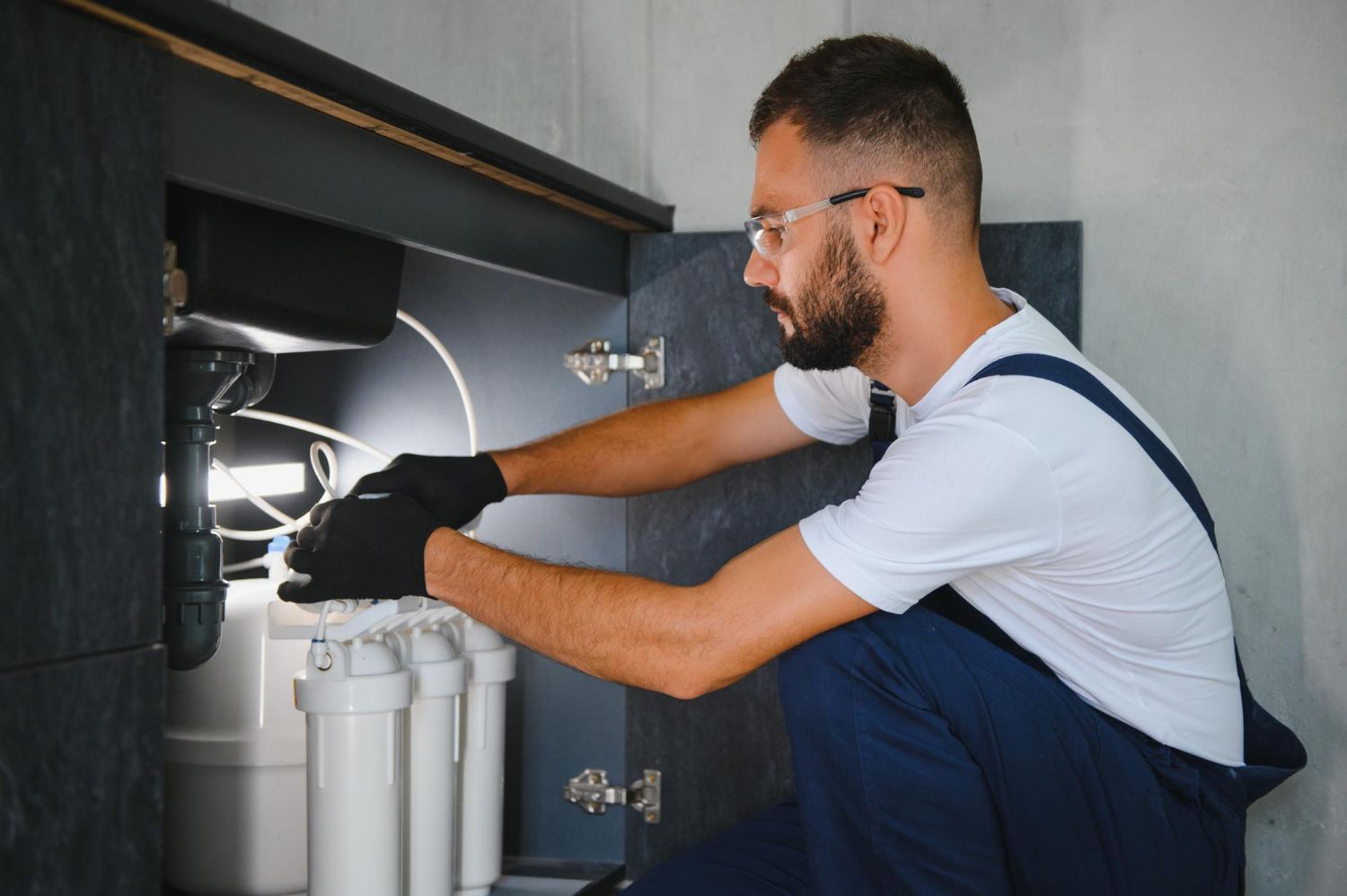
The problem is that many homeowners try to install a softener on their own or hire someone who does not really focus on water treatment. The system might turn on and run, but behind the scenes it can be wasting salt, wasting water, and slowly wearing itself out. You pay more on utilities and still do not get the soft water you expected.
Utah’s water, especially in Park City and across Summit and Wasatch counties, is harder than what a lot of systems are set up for out of the box. Add higher elevation and cold winters, and small installation mistakes become big headaches. In this article, we will walk through the most common water softener installation mistakes we see in local homes and how to avoid them before the next deep freeze hits.
Misjudging Your Utah Water Hardness and Usage
One of the biggest mistakes is guessing at your water hardness. Utah water tends to be very mineral-heavy. The exact hardness can change from city to city, neighborhood to neighborhood, and even between municipal and well water. Generic charts or national “average hardness” numbers simply do not match what comes out of many taps in Summit and Wasatch counties.
A proper hardness test on your actual water supply is key. That test helps size the softener correctly and sets the baseline for programming. Relying only on a city report or an online map often leads to the wrong size or wrong settings.
Another problem is ignoring how your household really uses water. When planning a softener, you need to think about:
- How many people are usually in the home
- How often you host guests during ski season or holidays
- Whether you fill hot tubs or use a lot of hot water at once
- How often your vacation home sits empty, then fills up suddenly
If these patterns are not factored in, the system might be too small. That leads to constant regeneration, which:
- Burns through salt quickly
- Wastes a lot of water
- Still lets hard water slip into your lines at busy times
On the other hand, an oversized system can be just as bad in a different way. When the tank is too large for your real use, water can “channel” through the resin, taking the same little path again and again. That can cause:
- Inconsistent softening from one faucet to another
- Resin that never gets fully used
- Unnecessary upfront equipment cost
The right size is not about bigger or smaller, it is about matching your real hardness and usage so you get steady soft water with reasonable salt and water use.
Cutting Corners on System Location and Drainage
Where the softener sits in your home matters a lot in Utah. Putting it in a garage, crawlspace, or shed that is not heated can seem easy at first. But local winters get cold, and any plumbing in those spaces can freeze and crack. A softener full of icy brine or frozen valves can be badly damaged long before spring.
Access is another big issue. You need to get to the brine tank to add salt, check for bridging, and handle basic care. If the softener is stuck behind stored gear or buried under snow to reach an exterior door, you will be less likely to keep up with it.
Drainage is just as important as location. Every softener needs to discharge water during regeneration. If the drain line is:
- Too small or too long
- Tied in without an air gap
- Run to a spot that cannot handle the flow
you can end up with backups, puddles, or even contamination risks. Most plumbing codes call for an air gap to keep waste water from flowing back into your home’s water. Skipping this or guessing at drain sizing can lead to code problems and health concerns.
Local building rules in Summit and Wasatch counties also cover items like backflow prevention and shutoff placement. Proper installation should include:
- A working bypass valve so you can take the system offline
- Clearly located shutoffs
- Proper thermal expansion control where needed
These details keep your system safe, serviceable, and compliant.
Installing Without Proper Pre-Filtration or Bypass Planning
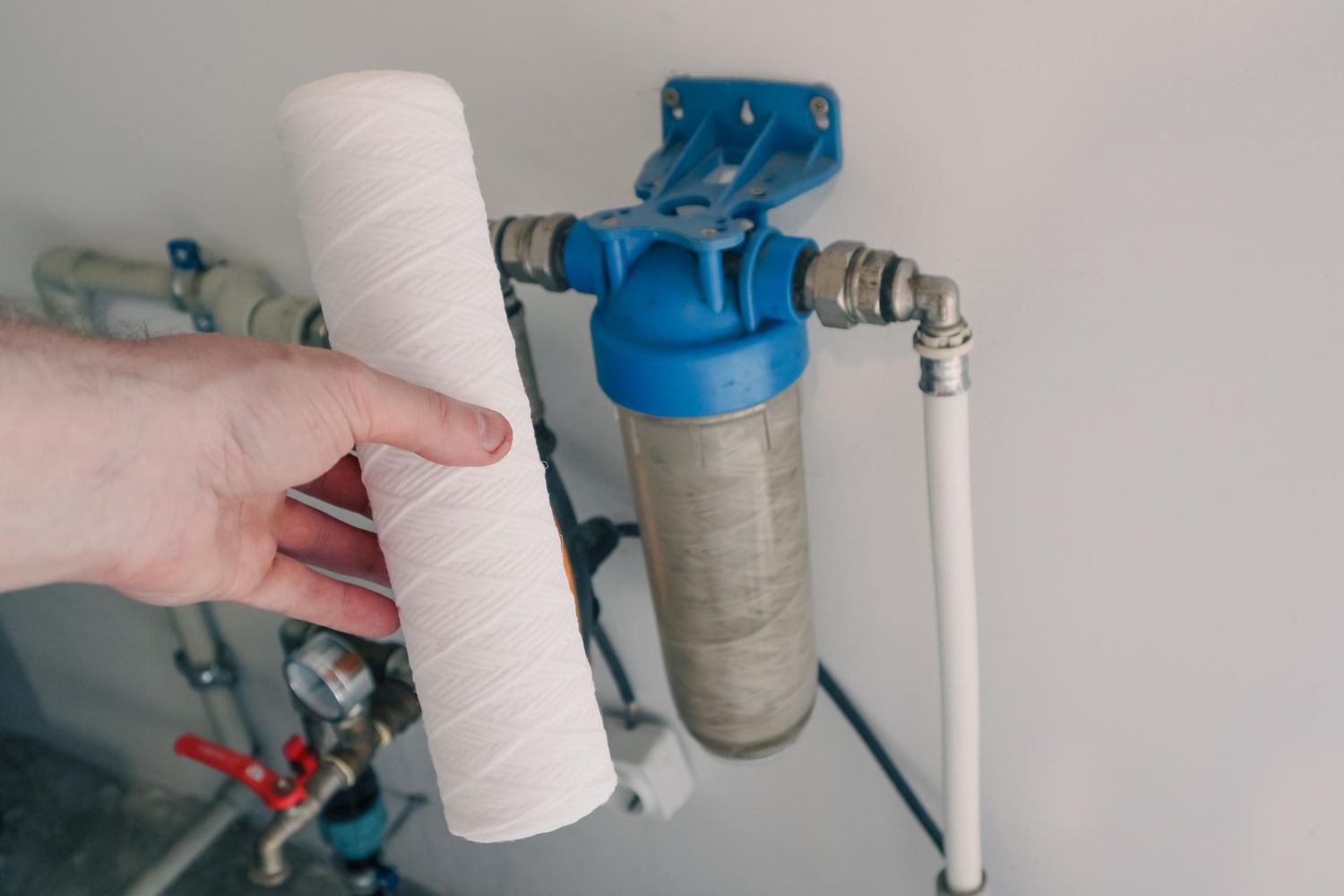
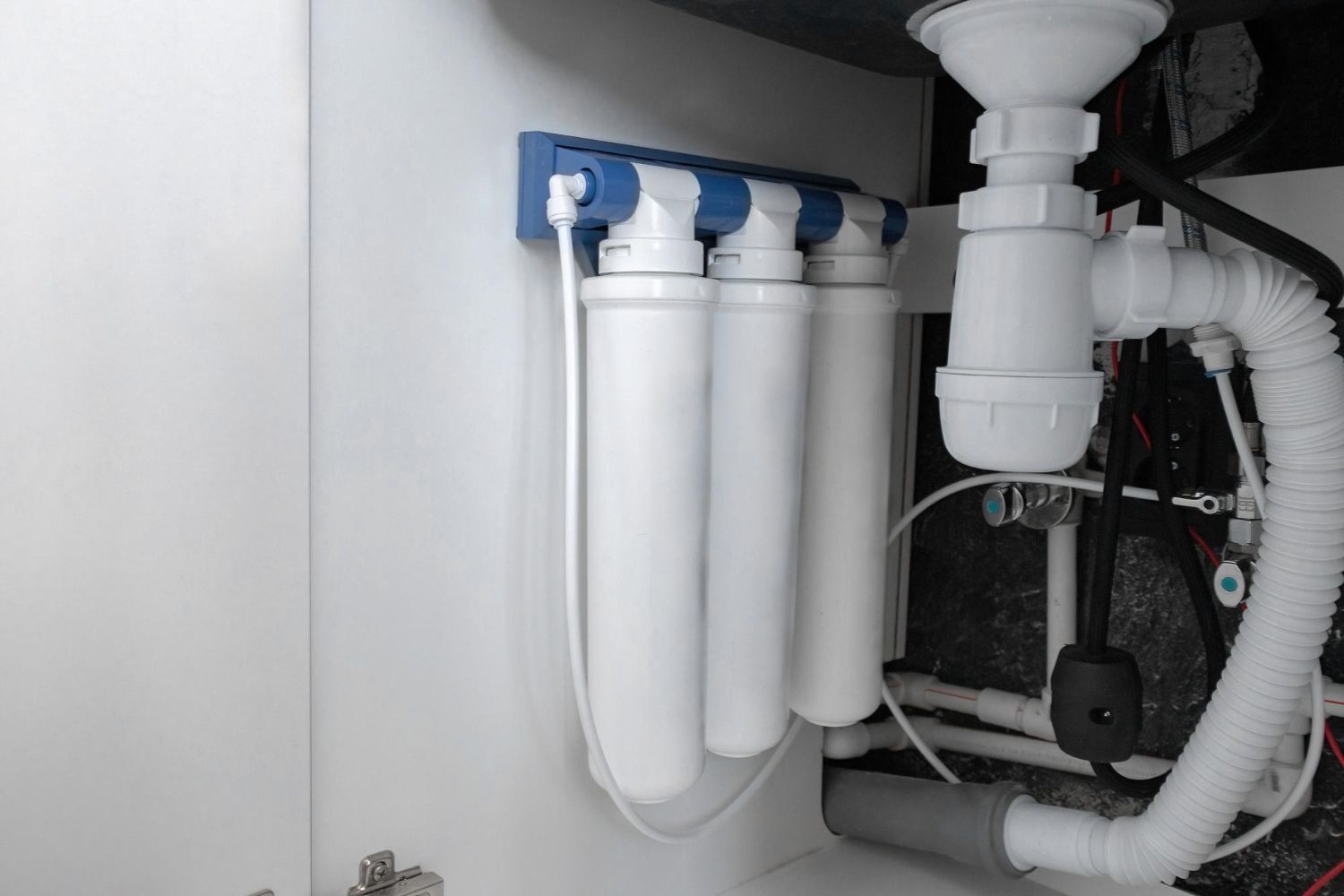
Many Utah homes have more than just hard water. Sediment, iron, and other particles can show up, especially on wells or older plumbing lines. Sending that straight into a water softener is like running gravel through a fine filter. The resin can foul quickly, which means:
- Shorter system life
- Sticky or dirty brine tanks
- Softener that never really performs right
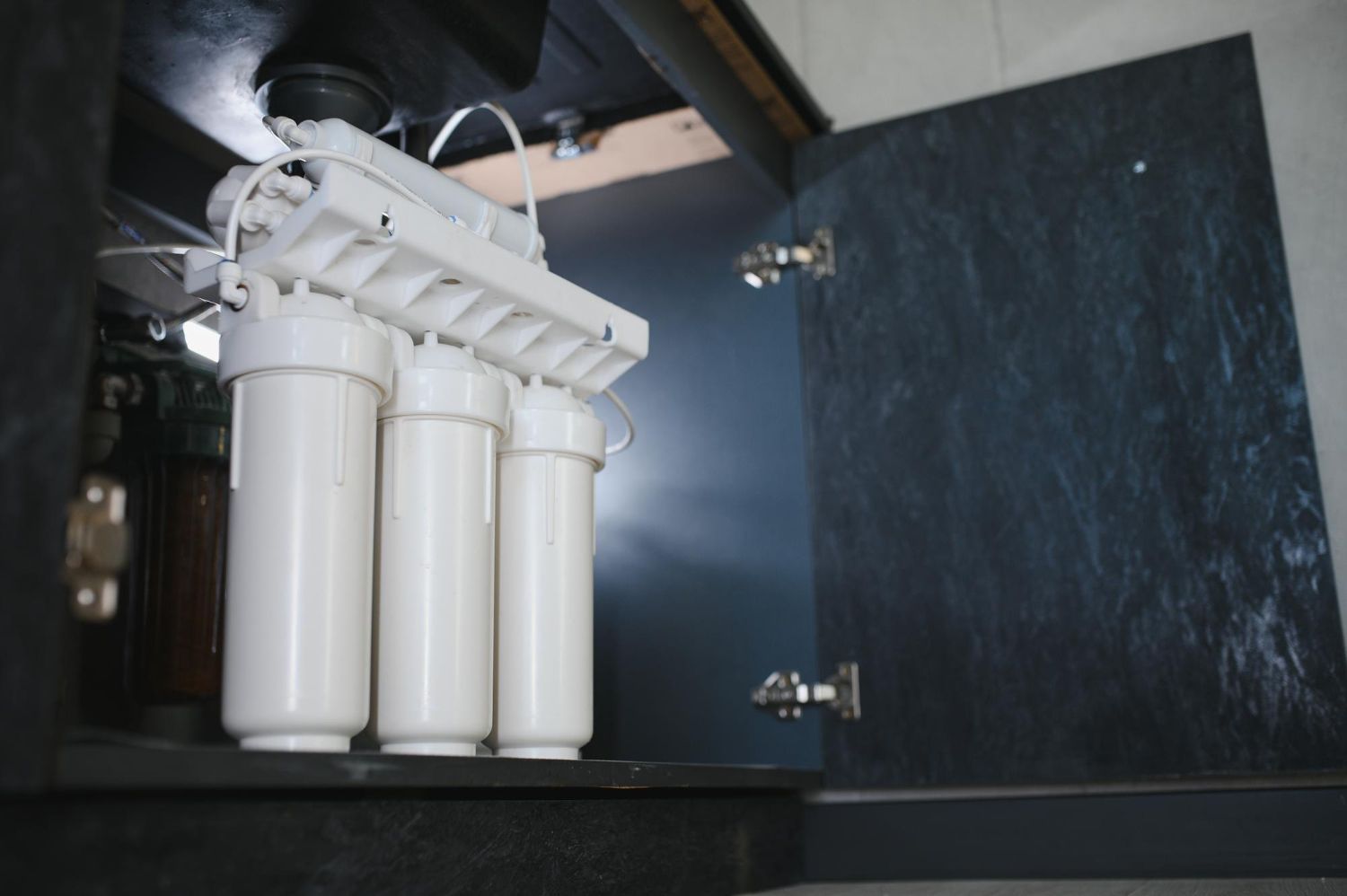
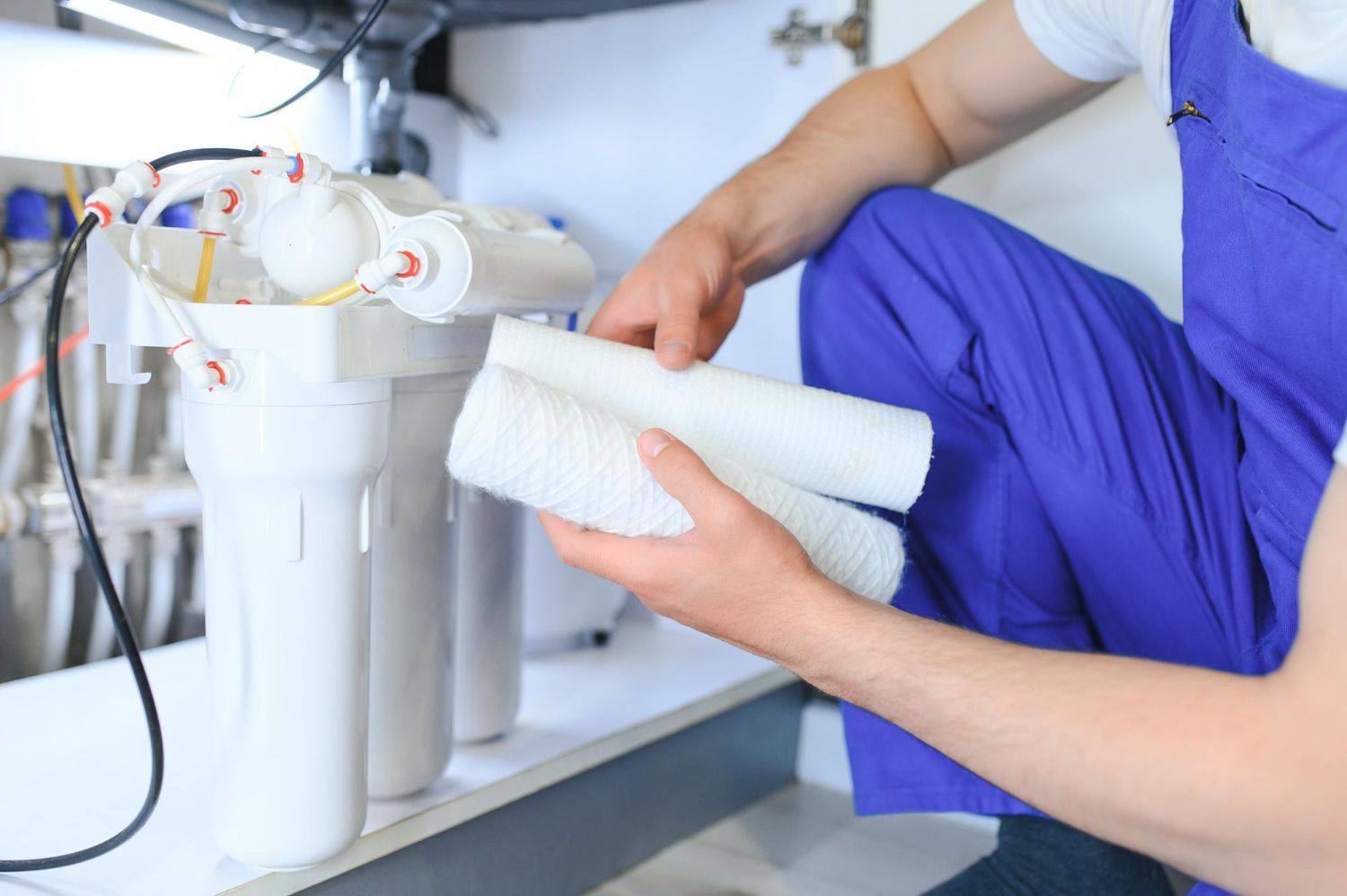
A sediment filter or carbon filter in front of the softener can protect the resin, improve taste and odor, and keep the whole system cleaner. The right pre-filtration sits before the softener and is sized and chosen based on your actual water quality.
Bypass planning is another area that is often overlooked. If the installer does not set up smart bypass lines, you might be stuck with:
- No hard water available for outdoor spigots when you actually want it
- Trouble washing cars or watering plants that are sensitive to softened water
- No way to service the softener without shutting water off to the whole house
A good bypass layout lets you:
- Send hard water to outside hose bibs
- Isolate the softener for maintenance or repairs
- Keep the rest of the home running during work
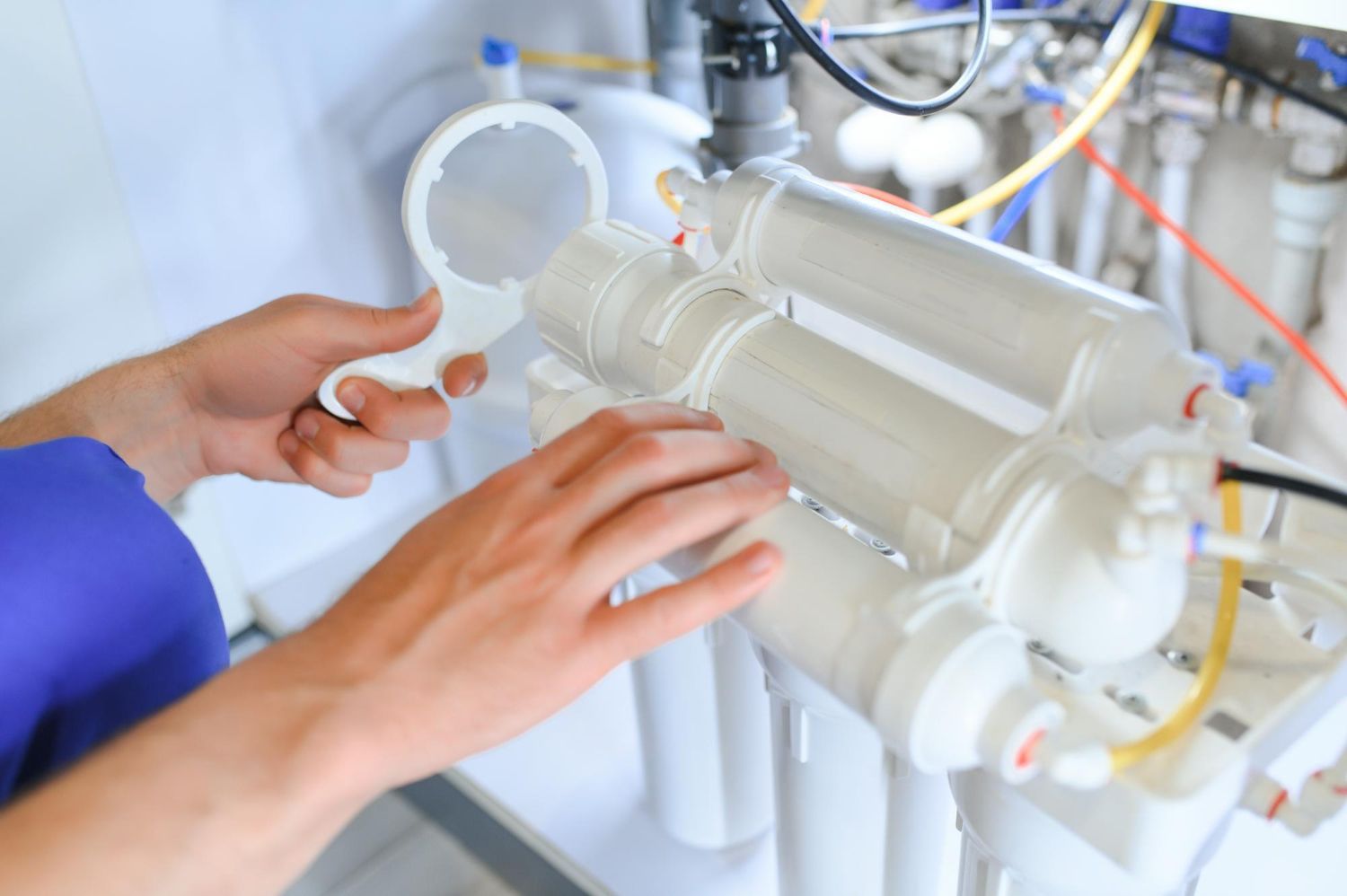
When you add other treatment systems, such as whole-home filtration, reverse osmosis, or UV, the order and flow matter. Common mistakes include putting devices in the wrong sequence, which can cause pressure drops or let contaminants slip through. Each system should support the others, not fight them, so the final setup is a smooth treatment-train from the main line to your taps.
Misprogramming Your System for Utah Conditions
Even a quality softener, sized right and installed in a good spot, can underperform if it is programmed poorly. Many units come from the factory with generic presets. Those do not reflect your real hardness, Utah’s water chemistry, or your elevation.
If the regeneration schedule is set without thinking about local use patterns, you might see hard water at the worst times. For example, a softener that regenerates during early morning showers or at the same time every heavy guest weekend will not keep up.
Misprogramming often leads to wasted salt and water. Common issues include:
- Regeneration cycles that run more often than needed
- Salt dose set too high for real hardness
- Capacity numbers left at factory defaults
All of that translates into higher utility bills and more bags of salt carried down the stairs. In a state that cares about water conservation, running a softener that wastes water is not just annoying, it also feels wrong.
Skipping regular checks makes things worse. Over time, your water use can change as:
- Family size grows or shrinks
- You add bathrooms, a bigger tub, or a new laundry setup
- You shift from part-time to full-time living in a vacation home
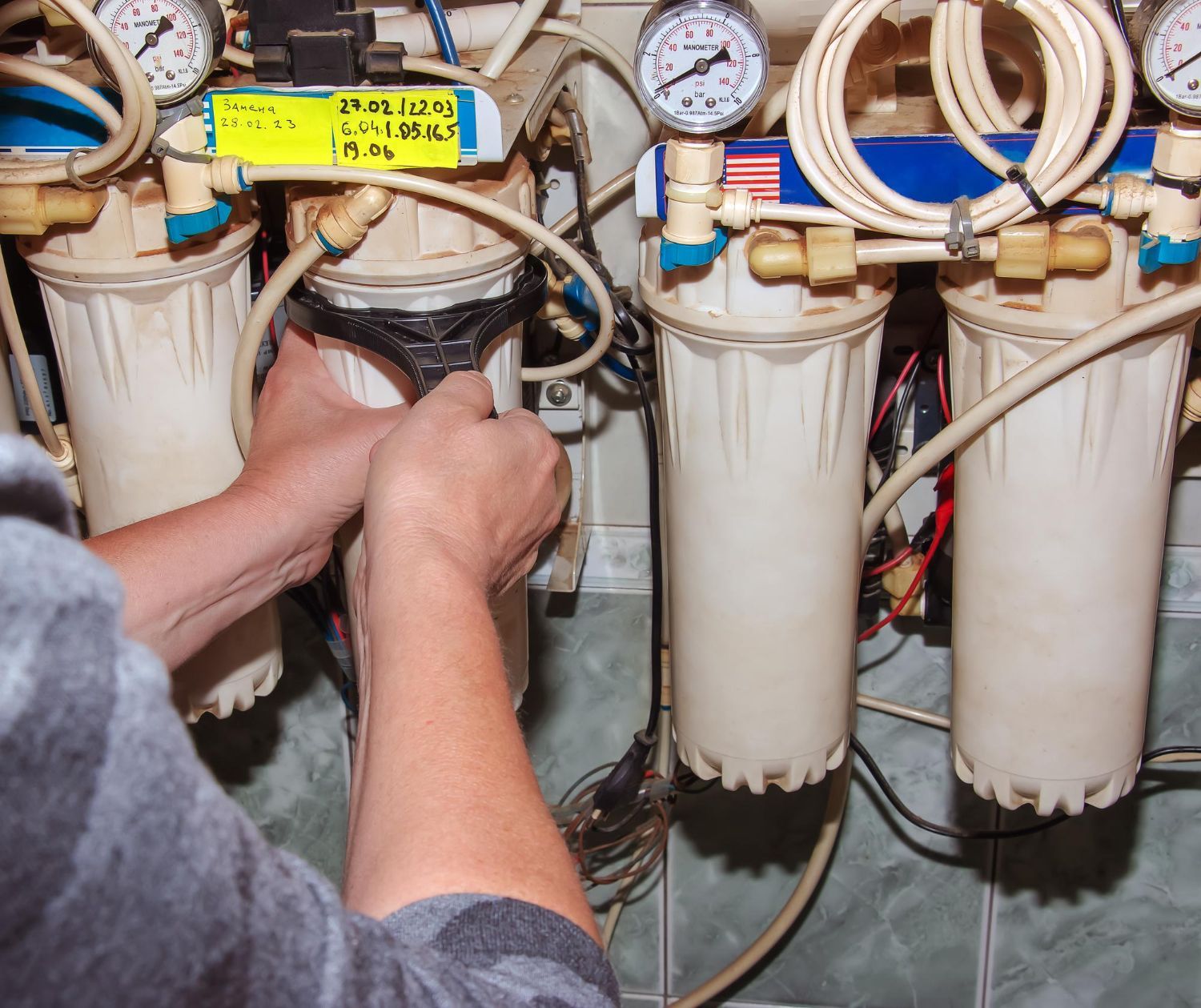
If settings never get adjusted, performance slowly drifts. Testing hardness once in a while, cleaning the brine tank, and reviewing programming can keep the system dialed in. This is where a local maintenance plan pays off, since someone who understands Utah water can spot problems early and correct them before you notice scaling or dry skin coming back.
Protect Your Investment with Expert Local Help
Details matter with water softener installation. When sizing, location, drainage, pre-filtration, or programming are off, the softener works harder, wears out sooner, and still does not fully protect your plumbing and fixtures. In Utah, with our combination of hard water, higher elevation, and cold winters, a one-size-fits-all setup simply does not hold up over time.
A thoughtful, local approach makes a difference. A full water quality test, the right system design for your home’s layout and use patterns, a safe and accessible install spot, and careful programming all work together. With expert planning and regular care, your water softener can deliver consistent soft water, support water conservation, and help keep your home comfortable year-round.
Get Started With Your Project Today
If you are ready for better-tasting water and scale-free fixtures, Water Science is here to help with expert water softener installation tailored to your home. We will evaluate your water, explain your options clearly, and complete the job with attention to detail. Have questions or want to schedule service now? Just contact us and we will walk you through the next steps.