Winter Water Pressure Swings and When Utah Homes Need PRVs
Protecting Your Winter Water Pressure Before It Fails
Winter water in Utah can feel fine one day and frustrating the next. Many homes in Park City, Summit County, and Wasatch County see pressure jump and drop overnight, especially when the cold really sets in. One morning the shower is strong, the next it is weak or loud, or a toilet starts running for no clear reason.
Cold weather is “stress season” for plumbing. Municipal water settings, freezing temperatures, and changing neighborhood use all push your system harder. When pressure swings up and down, your pipes, fixtures, and water treatment equipment carry that load quietly in the background.
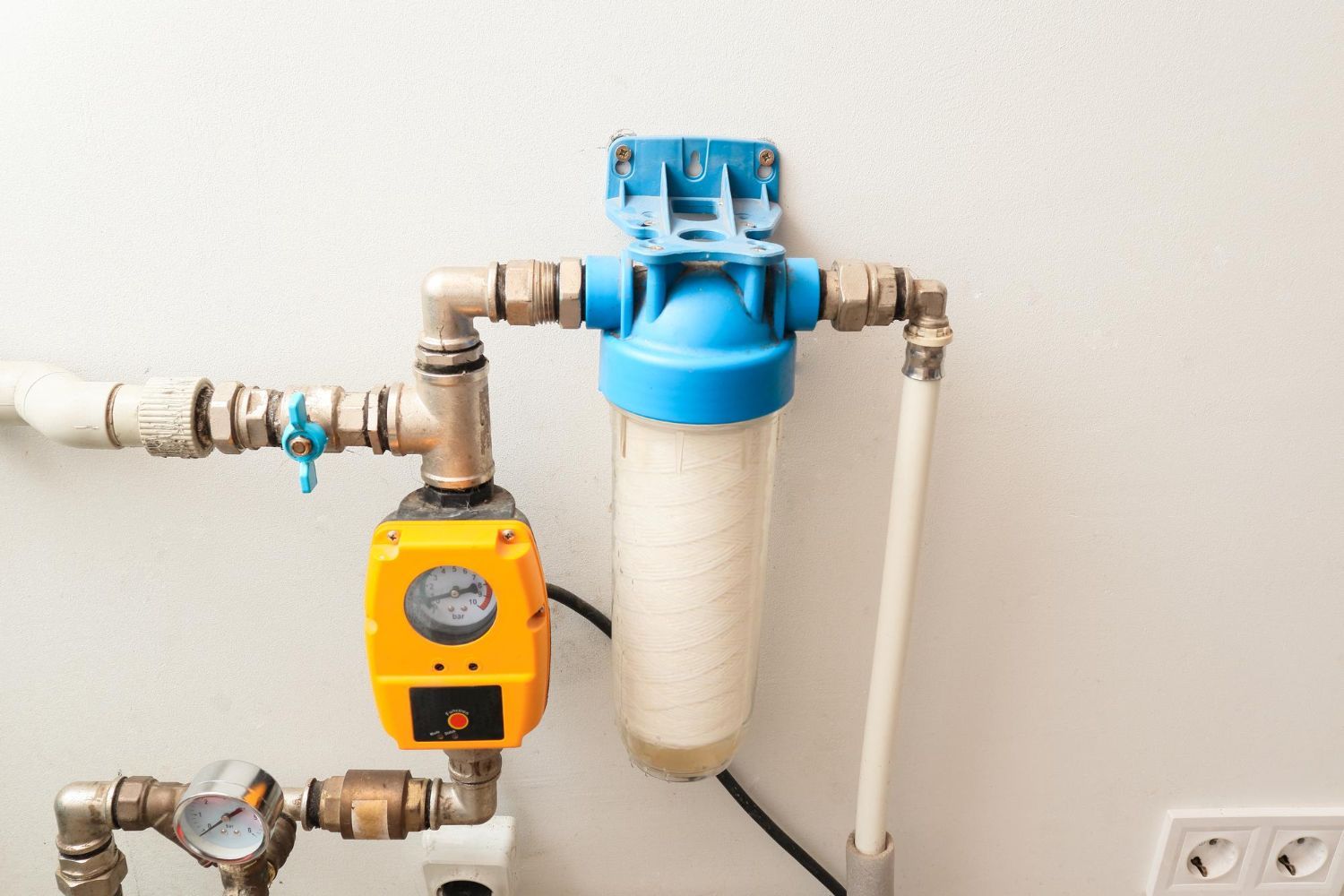
A pressure-reducing valve, or PRV, is a small part that can make a big difference. It sits at the main water entry and tames high incoming pressure so the plumbing inside your home stays calm and steady. Here, we will talk about why winter pressure is so unstable, the hidden damage it can cause, signs your home may need a PRV, and how smart pressure control supports a safe, comfortable water system all winter long.
Why Utah Winters Make Water Pressure So Unstable
Utah winters do not just bring snow, they change how people use water. In Summit and Wasatch Counties, ski rentals fill up, second homes get more use, and resorts run at higher capacity. All of this puts different loads on local water lines compared to quiet shoulder seasons.
A few common winter factors affect pressure inside your home:
- Higher demand from visitors, short-term rentals, and resorts
- Longer run times for showers, hot tubs, and humidifiers
- Seasonal irrigation shutoffs that change how water flows in the neighborhood
Municipal water suppliers may raise system pressure in cold weather to help move water through long buried lines and across steep elevation changes. When they do this, some homes at lower points, or closer to main lines, can see pressure that is much higher than what their plumbing was built to handle.
Freezing conditions add more stress. Ice can partly block service lines, meters, or outdoor valves. When that ice loosens or melts, the sudden release can send a quick burst of higher pressure toward your home. Older pipes, tired fittings, and aging shutoffs do not always handle these shocks well.
In areas like Park City, where homes sit at very different heights, two houses on the same street can see very different pressures. A home lower on the hill may have much stronger pressure than one higher up, even though they share the same main. Winter use makes those differences stand out even more.
Hidden Damage From Winter Pressure Spikes in Utah Homes
High water pressure rarely shows up as a single dramatic event right away. Instead, it often eats away slowly at plumbing and fixtures, then shows itself as a surprise leak or failure at the worst time, such as during a deep freeze.
Too much pressure inside a home can lead to:
- Pinhole leaks in copper lines
- Failing fittings and worn valve seals
- Running or “ghost flushing” toilets
- Noisy, rattling, or “hammering” pipes when water shuts off
- Shorter life for water heaters, dishwashers, and washing machines
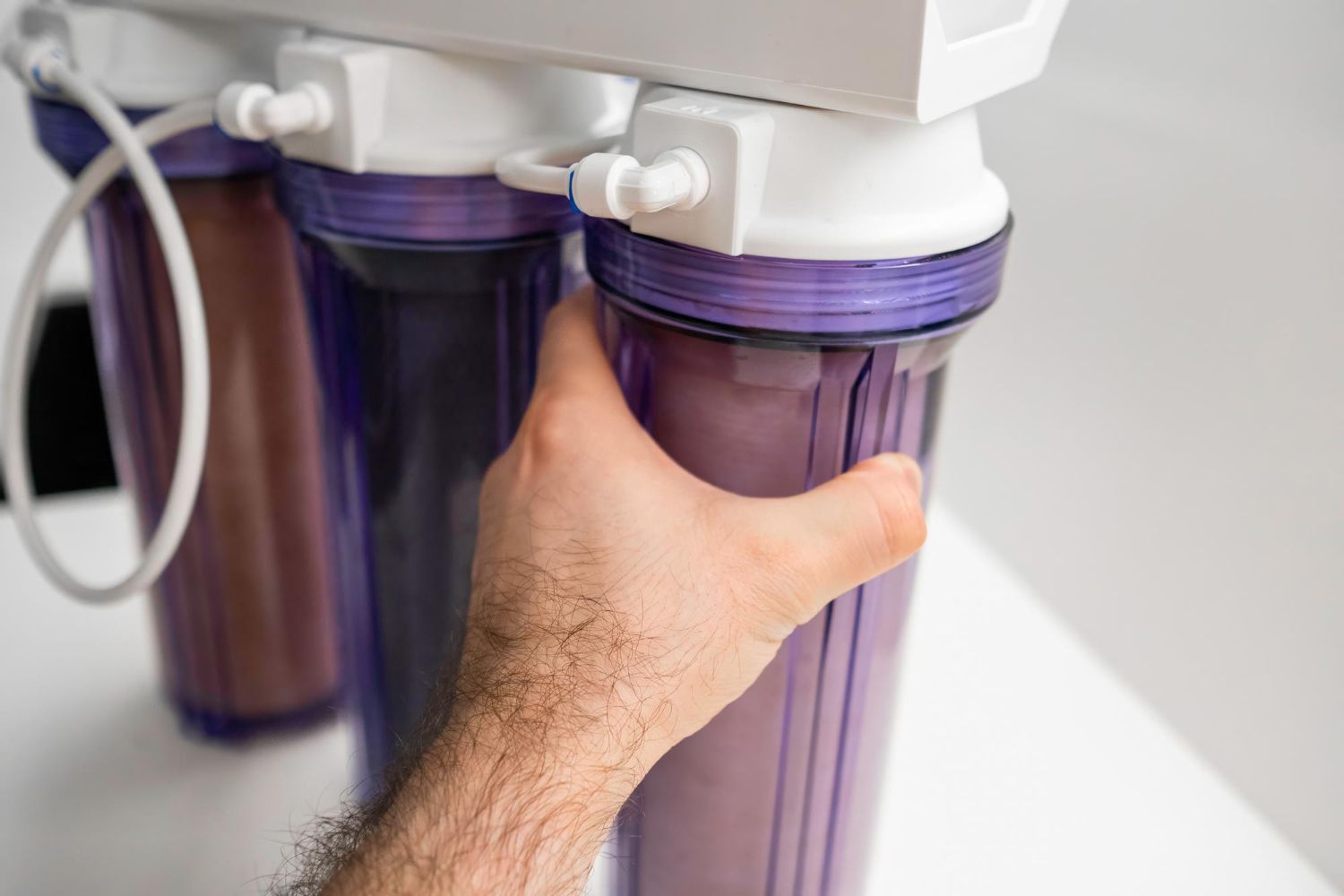
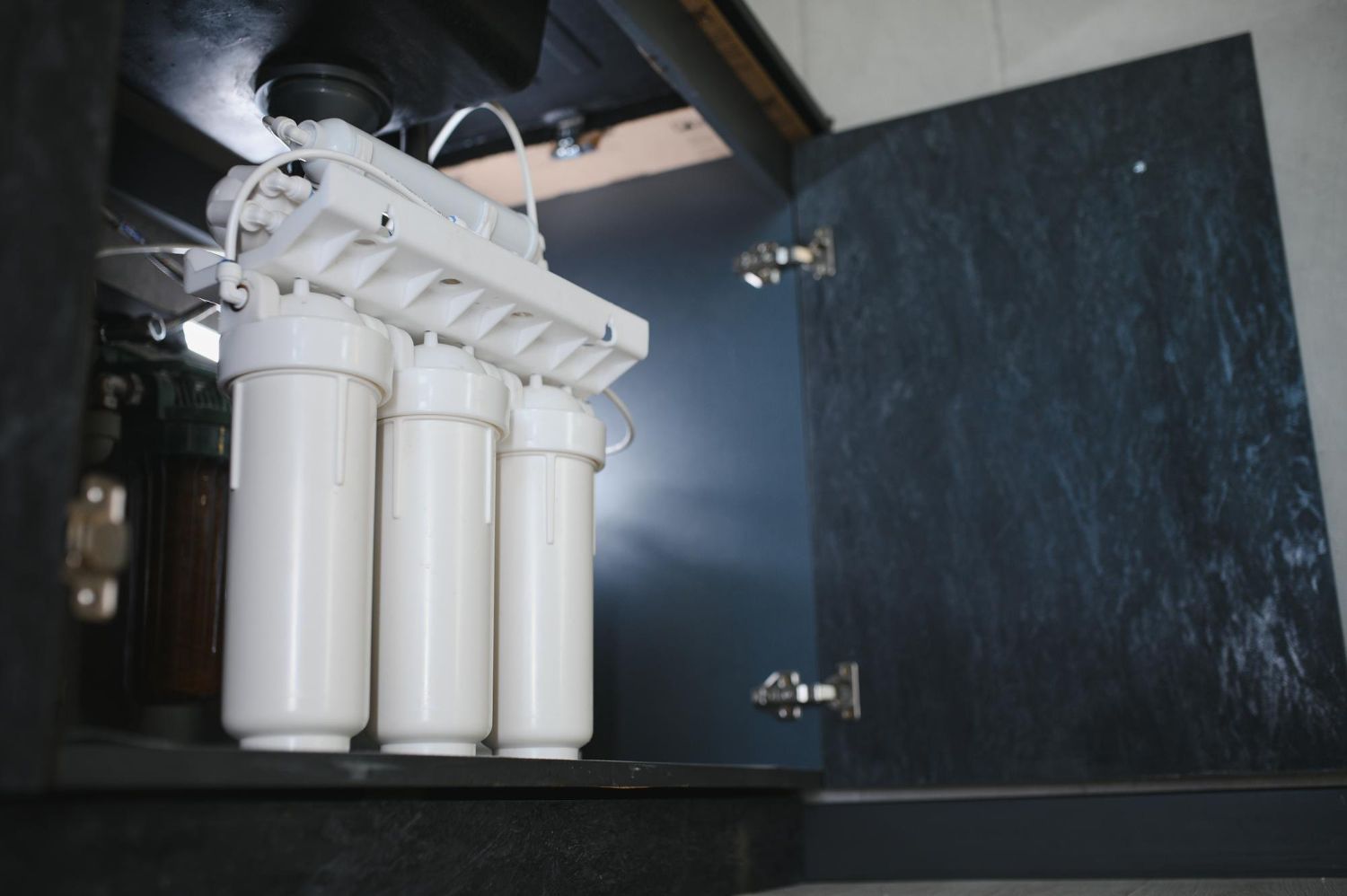
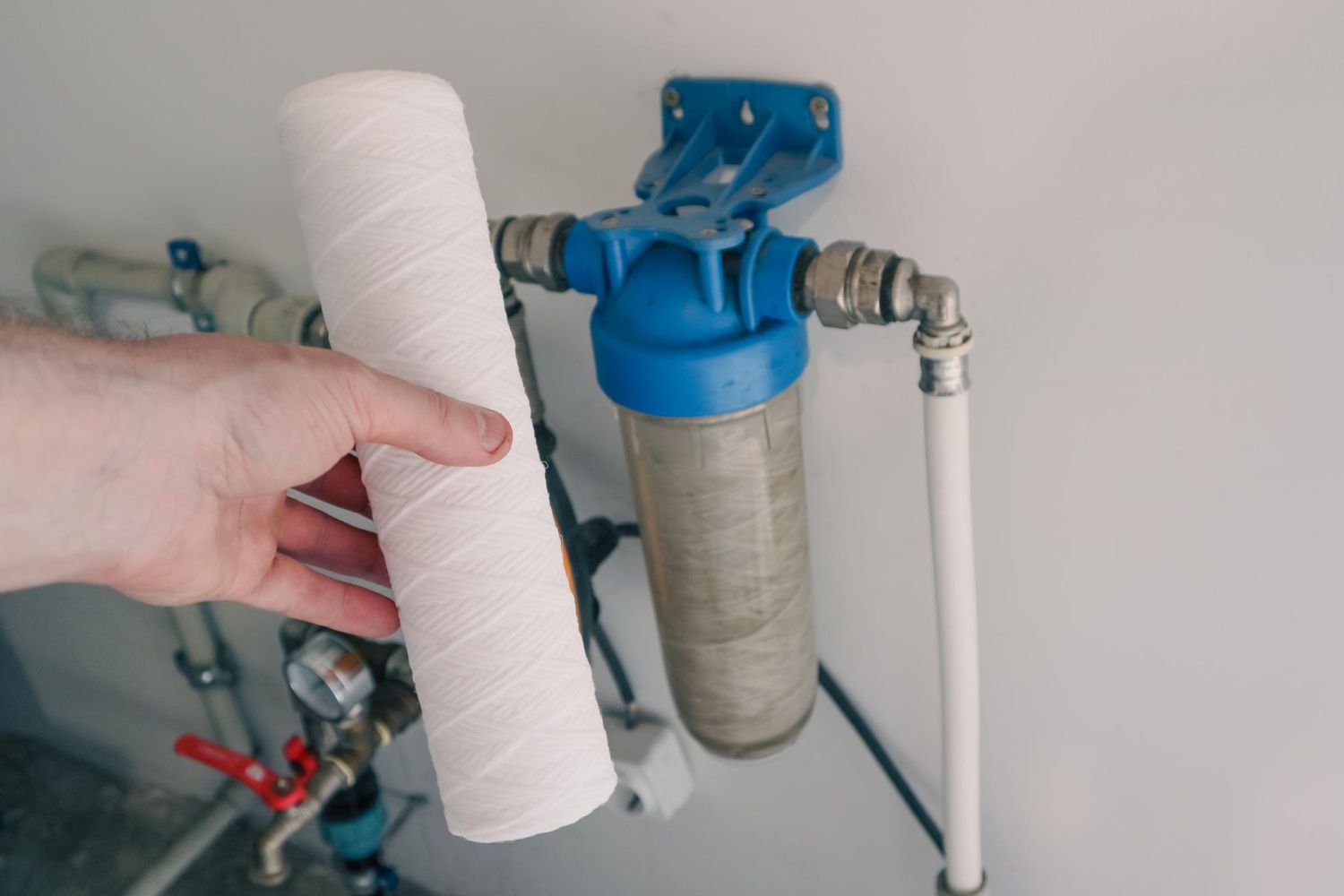
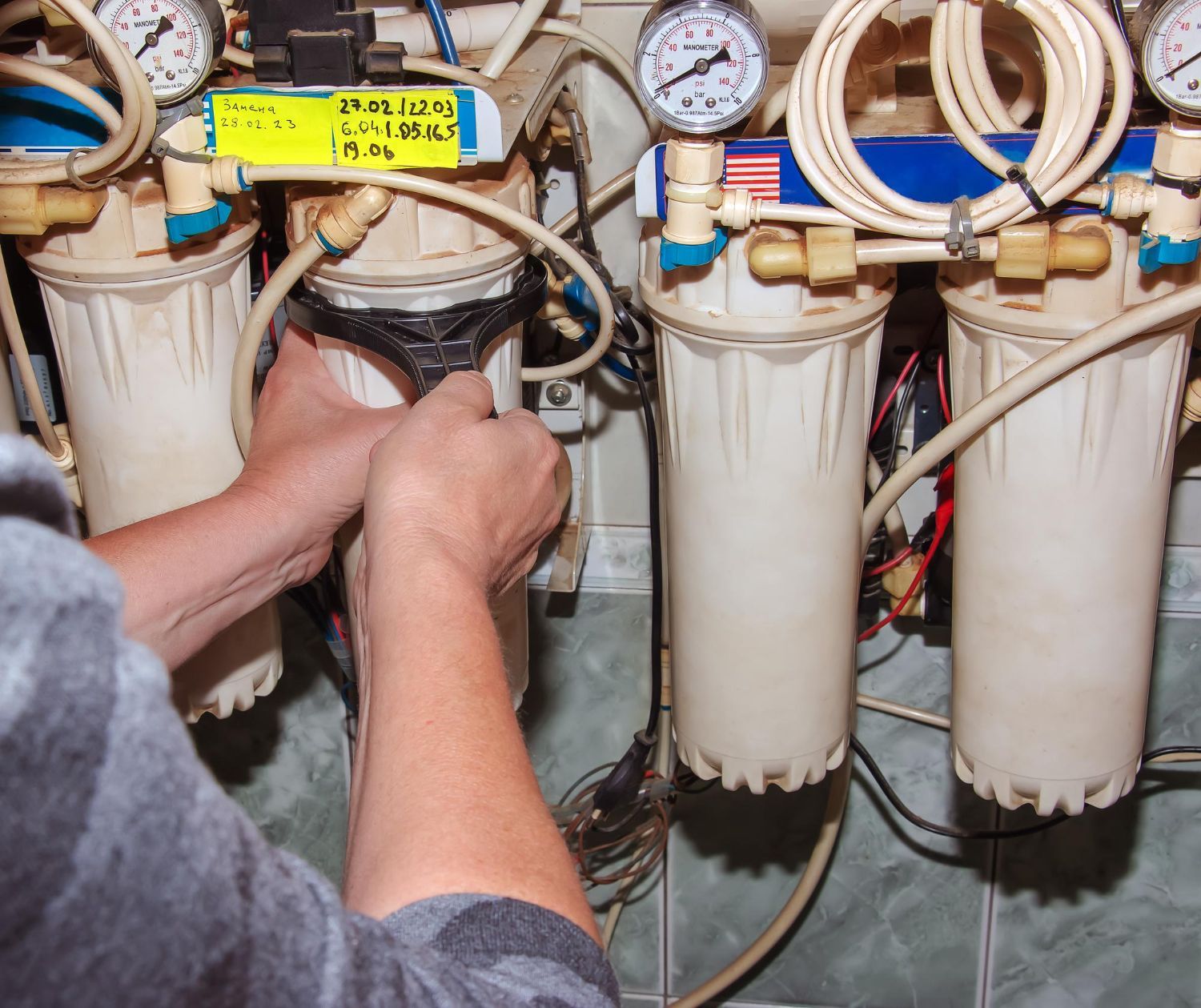
Water treatment systems feel this strain too. Softeners, whole-home filters, and purification units are all built to work within certain pressure ranges. Regular exposure to pressure above those limits can:
- Warp internal parts and seals
- Cause bypass valves to fail
- Stress tanks and housings
- Void equipment warranties if pressure guidelines are not followed
When homeowners in Wasatch and Summit Counties invest in water treatment, they expect better tasting, cleaner, and softer water. That investment works best when paired with steady, controlled pressure. Without that, even high quality equipment can wear out early or need repairs more often.
There are also secondary problems that are easy to overlook:
- Higher water bills from minor leaks and running toilets
- Greater risk of a sudden pipe burst during hard freezes
- Slow damage in walls and ceilings that only appears when stains or mold show up
All of this often starts with pressure swings that could have been calmed by a properly sized and adjusted PRV.
How to Tell If Your Utah Home Needs a PRV Now
You do not need to see a flood to suspect you have a pressure problem. Many homes give small clues long before a major issue shows up.
Common signs of excessive or unstable pressure include:
- Banging, knocking, or “thudding” pipes when faucets or appliances shut off
- Faucets that drip even after new cartridges or washers are installed
- Toilets that randomly run for a few seconds, then stop on their own
- Sudden changes in shower strength when another tap turns on or off
Another simple way to check is with a basic pressure gauge. These often connect to:
- A hose bib on the outside of the house
- A laundry sink faucet
- A threaded fitting near the main shutoff, when available
With the fixtures off, the gauge will show your “static” pressure. Many plumbing codes and manufacturers recommend keeping this at or below about 80 psi. If your reading is higher, a PRV inspection is usually a smart next step.
Homes that are strong candidates for a PRV evaluation include:
- Houses without a visible PRV near the main water entry
- Older properties that have never had a full plumbing check
- Homes that recently added bathrooms, hot tubs, or larger irrigation
- Vacation or second homes that sit vacant for long stretches in winter
Winter is often the best season to test because the system is under its highest stress. If pressure looks good when the snow is on the ground and every house on your street is full, it is more likely to stay stable when things are quieter.
Smart Pairing: PRVs and Whole-Home Water Treatment
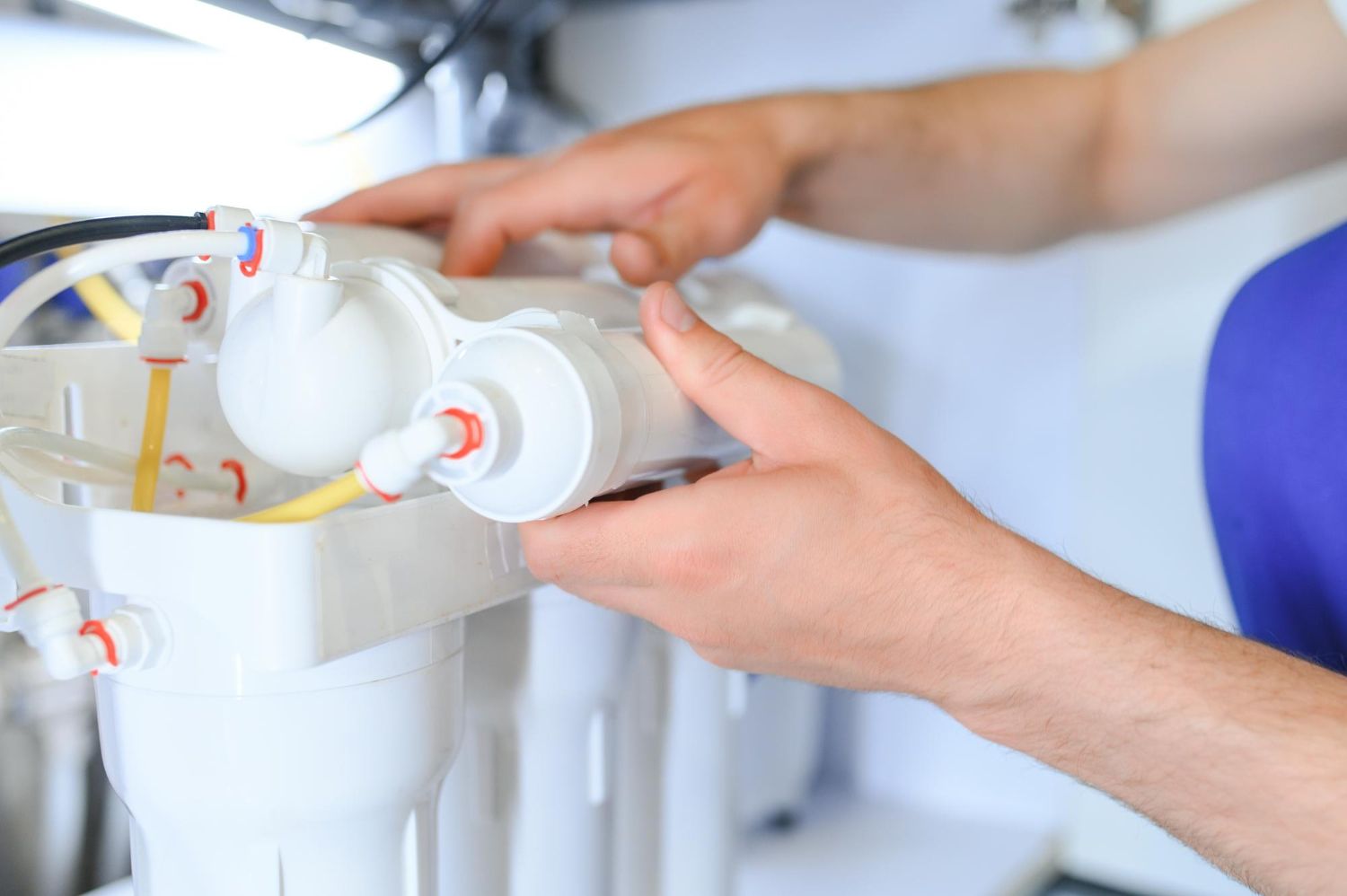
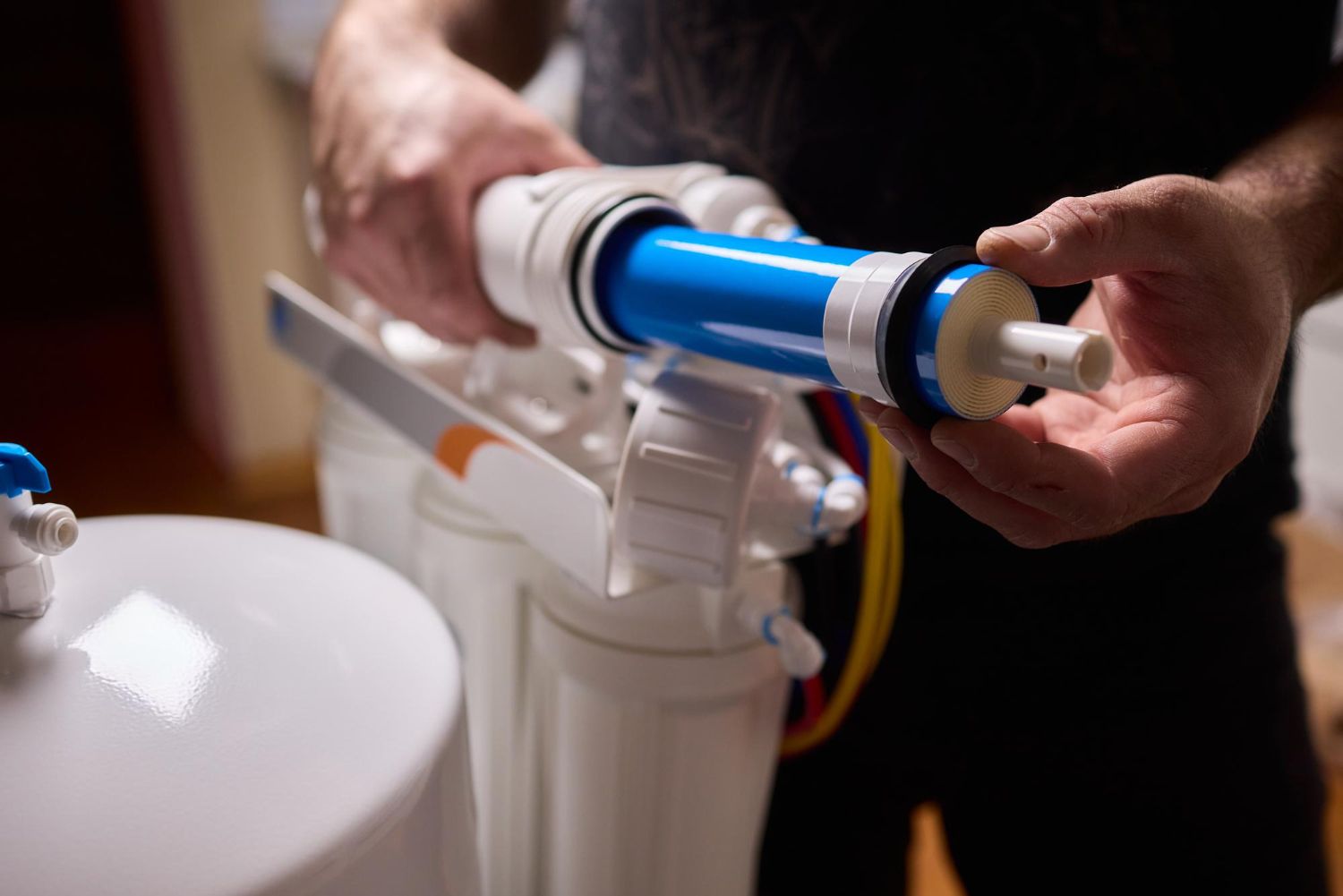
A PRV and a well-designed water treatment setup work hand in hand. The PRV keeps incoming pressure at a safe, consistent level. Your softener, filters, and purification systems then work inside that stable zone, which helps them last longer and perform better.
A thoughtful setup typically considers:
- The home’s size and number of bathrooms
- Elevation and distance from the city main
- Flow needs for showers, tubs, and irrigation
- Pressure limits for softeners, filters, and specialty equipment
When one local expert designs the whole picture, it is easier to match PRV settings, pipe sizing, and treatment choices. This helps reduce scale buildup, protect fixtures from wear, and lower the chance of leaks caused by both hardness and pressure swings.
For vacation and second homes, this planning is even more important. A PRV set correctly, paired with the right water treatment equipment, can lower the risk of coming back after a long winter to find water damage, mold, or ruined finishes from a slow, hidden leak.
Winter-Ready Peace of Mind with a Local Water Expert
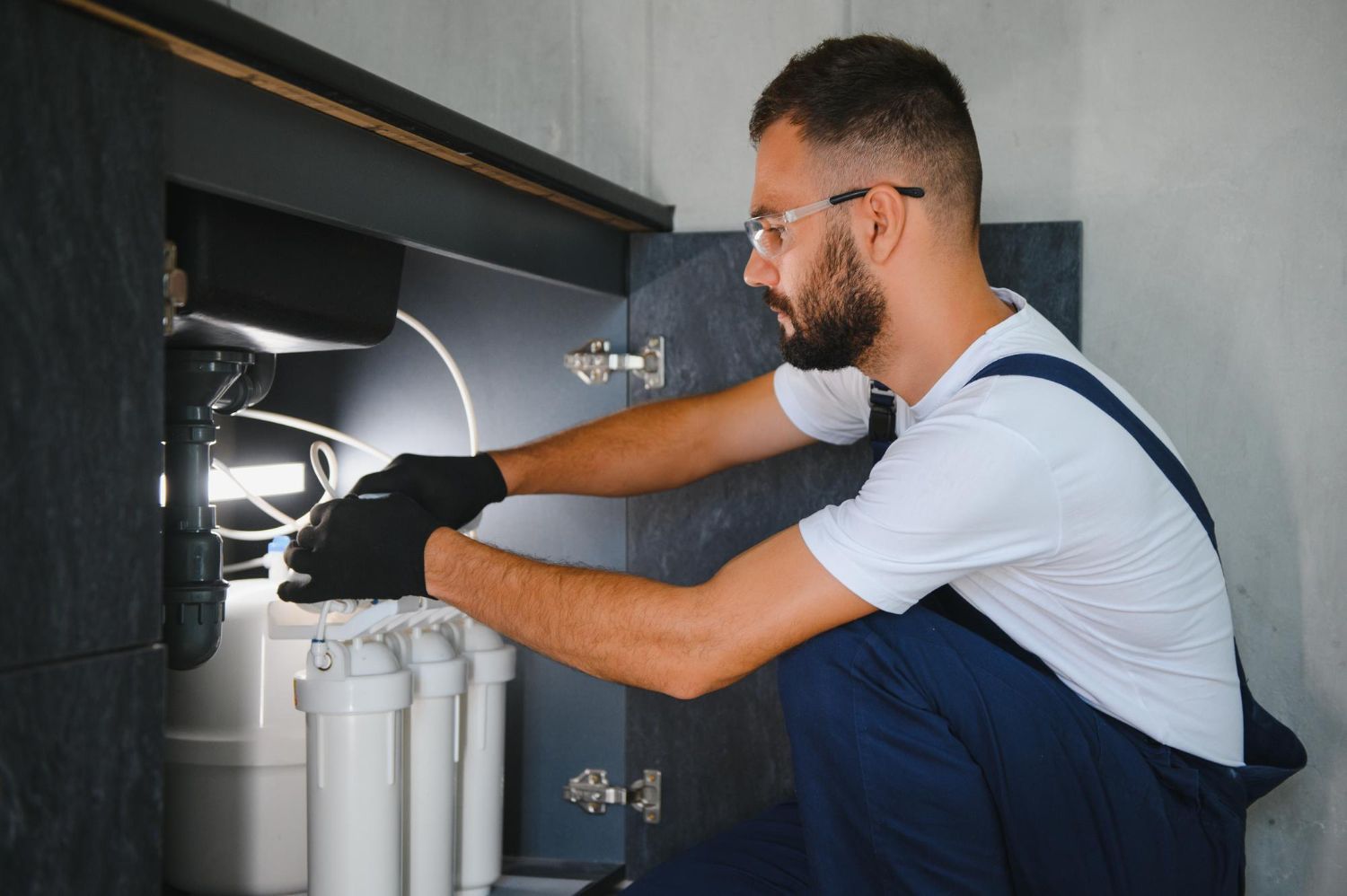
As cold weather approaches, a pre-winter check of both pressure and water quality can save a lot of stress later. A professional visit can include careful pressure testing at different times of day, PRV inspection or recommendations, and a close look at how your current softening and filtration gear is handling winter demand.
For homeowners in Park City and the surrounding Summit and Wasatch County area, combining smart pressure control with customized water treatment services in Wasatch and nearby communities helps create a safer, more comfortable home. Stable pressure protects pipes, fixtures, and appliances, while properly designed treatment systems help guard against hardness, impurities, and unnecessary wear, season after season.
Improve Your Home’s Water Quality With Expert Help Today
If you are ready to upgrade your water quality with reliable, long-term solutions, our team at Water Science is here to help. We provide comprehensive water treatment services in Wasatch tailored to your home’s specific needs, from testing to installation. Reach out today to discuss your concerns and let us recommend the right options for your family. You can also contact us to schedule a consultation or request a quote.