Utah Water Softener Permits, Code, and Common Install Prep Issues
What Utah Homeowners Need Before a Softener Goes In
Utah water is hard, and in places like Park City, Summit County, and Wasatch County, that hard water is tough on plumbing and appliances. A water softener can help, but if the home is not ready, the install can stall, inspectors can fail it, and you can be stuck with hard water longer than you planned. A little planning before the unit goes in can save stress, time, and repeat visits.
Local water hardness, cold winters, and higher elevation all affect how and where a softener should be installed. Homes in these areas often have tighter mechanical rooms, mixed copper and plastic piping, and different types of drains. That means permits, code rules, and prep work all matter. In this article, we walk through permits and basic code, drain line options, bypass loops, power needs, and space issues, and how a local installer can help you get ready.
Utah Codes and Permits That Affect Your Softener
Utah building and plumbing codes do apply to water softeners, especially when they are added as part of a larger project. In many cases, if you are adding a softener where there was not one before, or if you are changing plumbing as part of a basement finish or mechanical room remodel, a permit may be needed. A simple like-for-like replacement in the same location may not require a permit, but that depends on your local city or county.
A few common code-related points that often come up with Utah water softener installation include:
- Proper air gap on the discharge line
- Approved backflow protection where required
- Correct piping materials and fittings
- Approved discharge location for the drain water
The air gap is a small but important detail. It keeps used water from siphoning back into your clean water or the softener. Backflow protection is another layer that helps keep the drinking water system safe.
Where the softener discharges is also a big factor. Many Utah homes send the wastewater to a municipal sewer connection. Some homes are on septic systems and may have special rules or homeowner preferences for where that water goes. Each city or county can have its own twist on these rules.
There are differences between Park City, Summit County, Wasatch County, and nearby cities. Inspectors may look for slightly different details, and permit rules can change from place to place. Working with a licensed local installer who knows which permits to pull and what the inspector expects can make it much easier to pass the first time.
Drain Line and Discharge Issues That Stall Installs
The drain line is one of the most common reasons a softener install slows down. The unit needs a place to send its regeneration water. If there is no nearby drain, if the pipe does not slope correctly, or if there is no approved air gap, the installation can turn into a plumbing project instead of a quick job.
Typical drain options we often see in local Utah homes include:
- Floor drains in mechanical rooms
- Laundry standpipes near washers
- Utility sinks or laundry sinks
- Sump or small pump systems in tight or finished spaces
Each option has pros and cons. A floor drain is simple if it is close and accessible. A laundry standpipe can work if the height and slope are right. Utility sinks can be handy, but they still need a safe and correct air gap. Pump systems can help when the drain is uphill or far away, but they need careful planning.
As temperatures drop, drain routing matters even more. Discharge lines that run through unheated areas or out to exterior drains can freeze, split, or ice up. We want drain lines inside conditioned space when possible. If lines pass through colder zones, they may need to be shortened, rerouted, or otherwise protected so they do not freeze in winter.
Bypass Loops, Shutoffs, and Salt-Friendly Plumbing
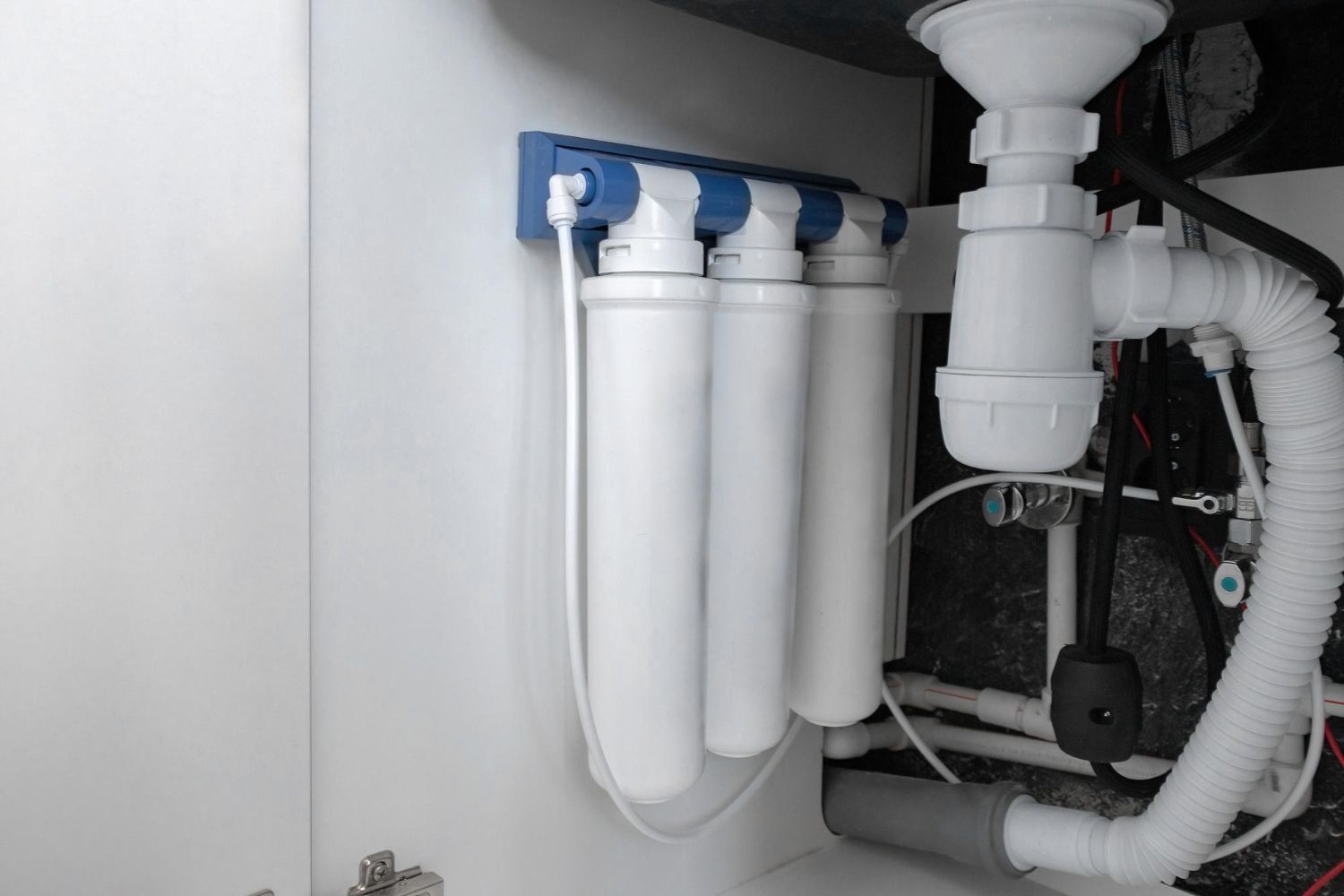
A softener bypass loop is a section of plumbing that lets you turn the softener off and still run water to the house. Many newer Utah homes have a factory-installed loop where the softener is meant to go. That makes installation much smoother.
When older homes do not have a bypass loop, the installer often has to cut into the main cold water line, add tees, fittings, and valves, and create a proper in and out path for the softener. That can add time, fittings, and sometimes short periods with the water off.
An ideal softener-ready plumbing setup usually includes:
- A clear and accessible bypass loop
- Full-port shutoff valves on both sides of the loop
- Marked "in" and "out" lines
- A nearby drain with an air gap option
Many homeowners also want to avoid softening outdoor hose bibs, irrigation, or certain cold lines. A good layout keeps key fixtures like showers, washing machines, and dishwashers protected, while leaving some lines unsoftened if that is preferred.
At Water Science, we look at the existing plumbing, check if a true bypass is present, and suggest upgrades where needed. We plan pipe routes so the softener protects the most important fixtures without sending softened water to lines that do not need it.
Power, Space, and Location Choices in Utah Homes
Most modern softeners need a standard 110- to 120-volt outlet close to the unit. That outlet should be permanent, not an extension cord, and it should be located where it is safe from small leaks or minor flooding. Many installers like the outlet to be higher than the top of a nearby floor drain or sump.
Space is another big factor in Utah water softener installation. Some homes have wide-open mechanical rooms with lots of space. Others have:
- Tight under-stair closets
- Packed furnace rooms
- Cold garages
- Low crawlspaces
Softener tanks need room around them so they can be serviced, filled with salt, and repaired if needed. We also want them in spots that stay above freezing. A cold garage or crawlspace can cause problems for the softener and pipework in the winter.
Planning around other seasonal work in the home can help. If a homeowner is already having a furnace tune-up, doing a small remodel, or reorganizing storage, that can be a good time to clear space, add lighting, or plan for a new outlet near the plumbing area. A clean, well-lit spot with room to work makes installation safer and faster.
Get Your Home Softener-Ready with Local Help
Before install day, Utah homeowners can go through a simple checklist to avoid surprises. Key items to think about include:
- Is there a nearby, approved drain with a possible air gap location?
- Is there a working bypass loop and good shutoff valves, or will one need to be added?
- Is there a permanent power outlet close to the planned softener location?
- Is there enough space for tanks, salt, and service access?
- Are permits or inspections likely, based on city or county rules?
A pre-install visit from a local water treatment company can tie all these pieces together. At Water Science, we walk the space, look at the plumbing and drains, check power and access, and help plan a setup that fits local code and the way the home is used. That way, when installation day arrives, things tend to move quickly, with fewer surprises and less stress.
Get Started With Your Project Today
If you are ready to enjoy softer water and protect your home’s plumbing and appliances, our team at Water Science is here to help. Learn how our Utah water softener installation service can be tailored to your home and water needs. We will walk you through options, provide clear pricing, and schedule installation at a time that works for you. Have questions or want to book an appointment now? Just contact us to get started.