Emergency RO Triage for Utah Homeowners: Flush, Check TDS, Replace Membrane
Stop the Panic: Make Your RO Safe Before You Sip
If your reverse osmosis system has been sitting for months with no love, you are not alone. Many Utah homeowners spend summer on the trails, traveling, or away from second homes in Park City, and RO system maintenance slides down the list. Once cooler weather hits and you are drinking more water at home, that neglected system starts to feel a lot more important.
When an RO sits with old filters and stagnant water, you can see a drop in water quality, slower flow, or in some cases, bacterial growth inside the system. That is not something to ignore. You want to make sure the water you pour for your family is actually clean.
In this guide, we walk through simple, calm “triage” steps you can take right away, what you can safely check yourself, and the warning signs that mean it is time to bring in a professional. Think of this as a quick way to stabilize your system, not a full replacement for regular service.
First 24 Hours: Quick Safety Checks and System Flush
Before sipping from a long-neglected RO, treat the first 24 hours like an inspection period. Take it slow and pay attention to what you see, smell, and taste.
Start with some basic safety steps:
- Turn off the RO faucet so no one uses it by habit
- Find the small feed valve on the cold water line that feeds the RO and know how to close it
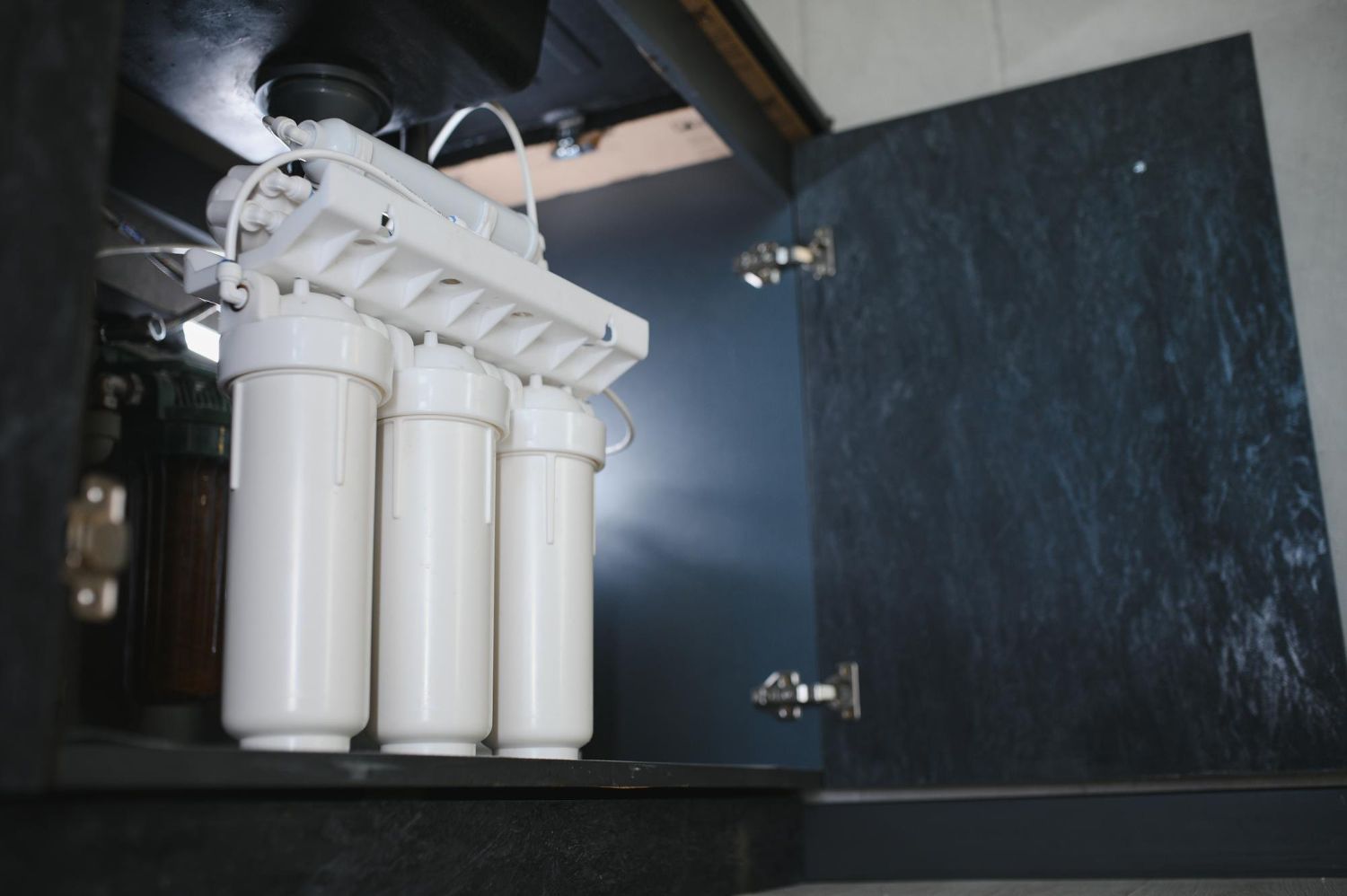
- Look under the sink for leaks, cracked fittings, or loose tubing
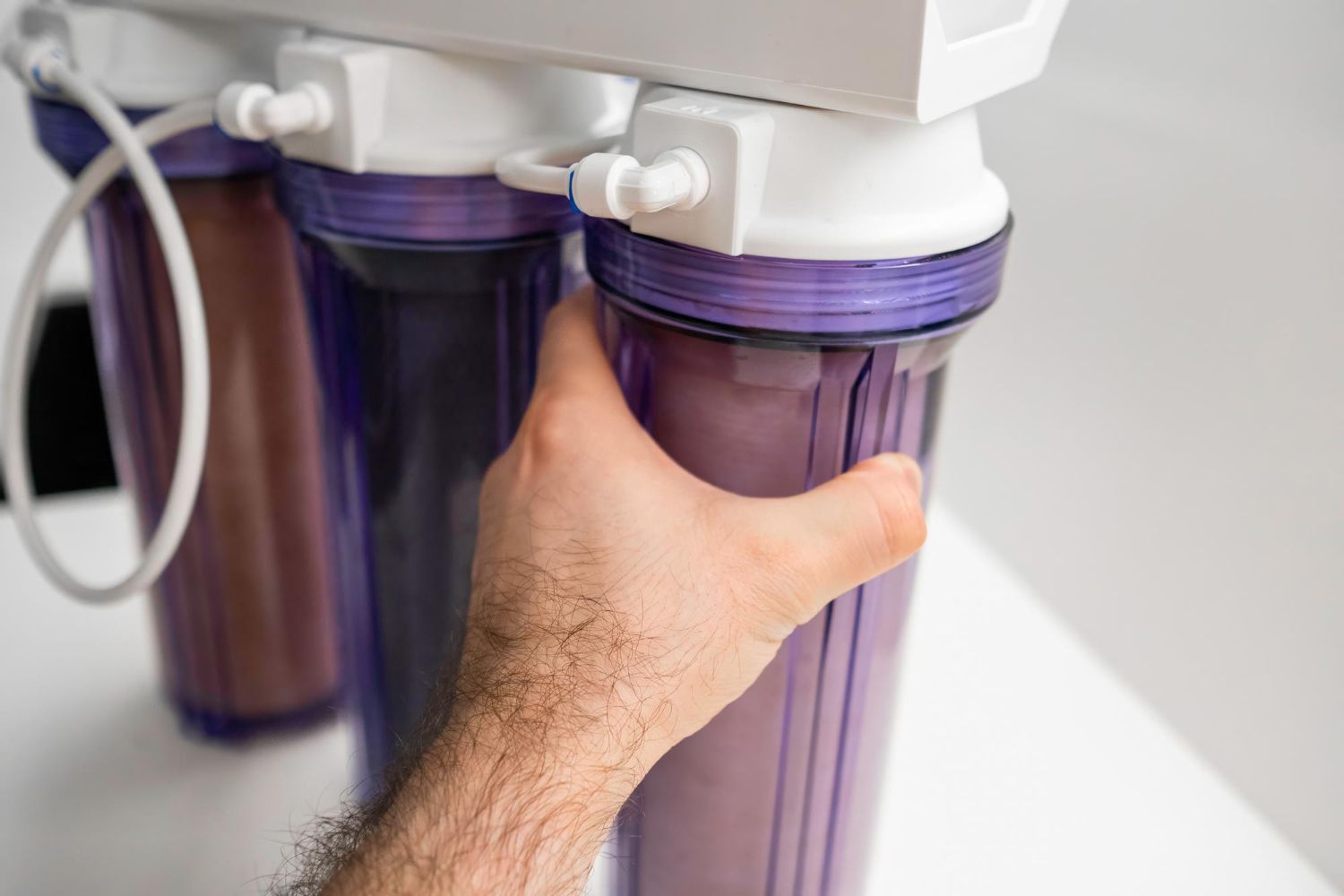
Look closely at the filter housings and any clear canisters. If you can see inside, watch for:
- Slimy buildup on the sides
- Dark, green, or black patches
- Rusty or tea-colored water in the housing
Any of those signs should make you pause drinking from the system until it can be checked.
A simple emergency flush is almost always a smart move after missed RO system maintenance:
- Open the RO faucet and drain the storage tank completely until the flow slows to a drip.
- Close the faucet and let the system refill the tank. This can take a while, especially with older filters.
- Once it is full, open the faucet again and dump that entire tank down the drain.
- For heavily neglected systems, repeat one more full tank flush.
You should pause drinking from the RO if you notice:
- Very low flow, even after a full tank refill
- Strong or strange odor, like musty, rotten, or chemical smells
- Cloudy or milky water that does not clear after running
- Any visible growth or slime in prefilter housings
Those are red flags that point to more than just old filters. At that point, the system needs more than a quick flush.
Quick TDS Check: Is Your RO Still Doing Its Job?
Once you have flushed the system, a simple TDS check gives you a big-picture look at how well the RO is still working. TDS stands for total dissolved solids. A small handheld TDS meter is easy to find online or at local stores in Utah.
To test correctly:
- Run the RO faucet for a short time so you are not testing stale water.
- Fill one clean cup with cold tap water and another with RO water.
- Rinse the TDS meter tip with tap water, then measure and record that number.
- Rinse again, measure the RO water, and record that number.
Most Utah tap water has higher TDS because of our mineral-heavy supplies. A healthy RO system will drop that number a lot. To see how well yours is working, you can estimate percent rejection with a simple idea: the bigger the gap between tap TDS and RO TDS, the better.
If the RO TDS number is only a little lower than the tap water, that is a sign of trouble. Warning signs include:
- RO TDS that is close to the tap water number
- RO TDS that keeps climbing each time you check after a fresh flush
- A big jump in RO TDS compared with older notes or tags on the system
Those signs point to a worn membrane, bypassing, or another problem that should be checked by a pro.
Filters vs Membrane: What You Can Safely Replace
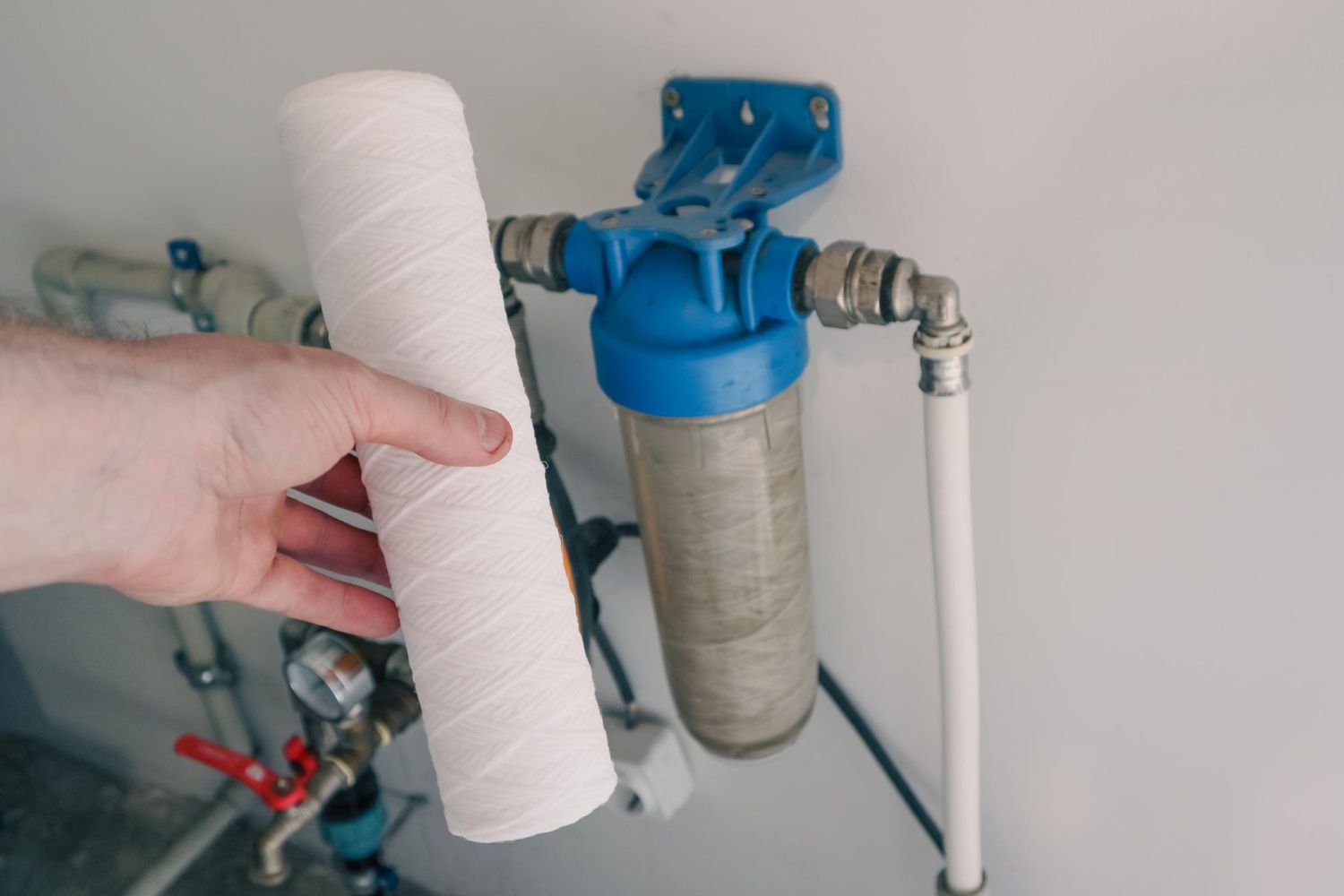
Inside a typical home RO, there are two main groups of parts you think about during RO system maintenance: prefilters and post-filters, and the RO membrane itself.
In general:
- Sediment and carbon prefilters usually need more frequent changes
- Polishing post-filters also need regular replacement
- The RO membrane lasts longer, but not forever
With Utah’s harder, mineral-rich water, those timelines can be shorter than what you see on generic filter packaging. Long gaps between services put even more load on those parts.
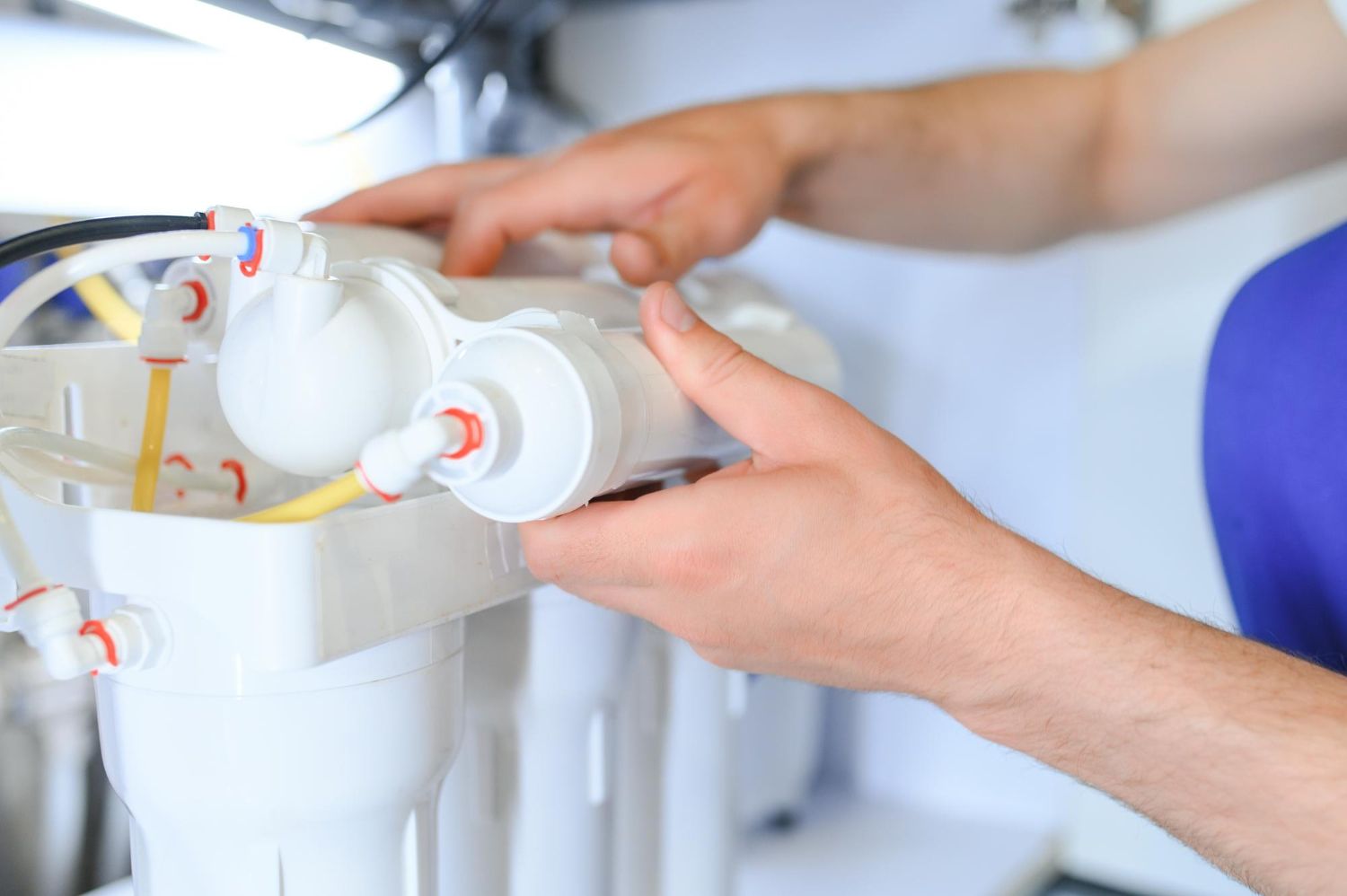
Some homeowners feel comfortable changing basic filter cartridges, but even that can go wrong if you are not careful. Common problems include:
- Forgetting to shut off the feed valve and depressurize the system
- Mixing up sediment and carbon filters if housings are similar
- Overtightening housings and cracking them
- Skipping O-ring cleaning and lubrication, which leads to leaks
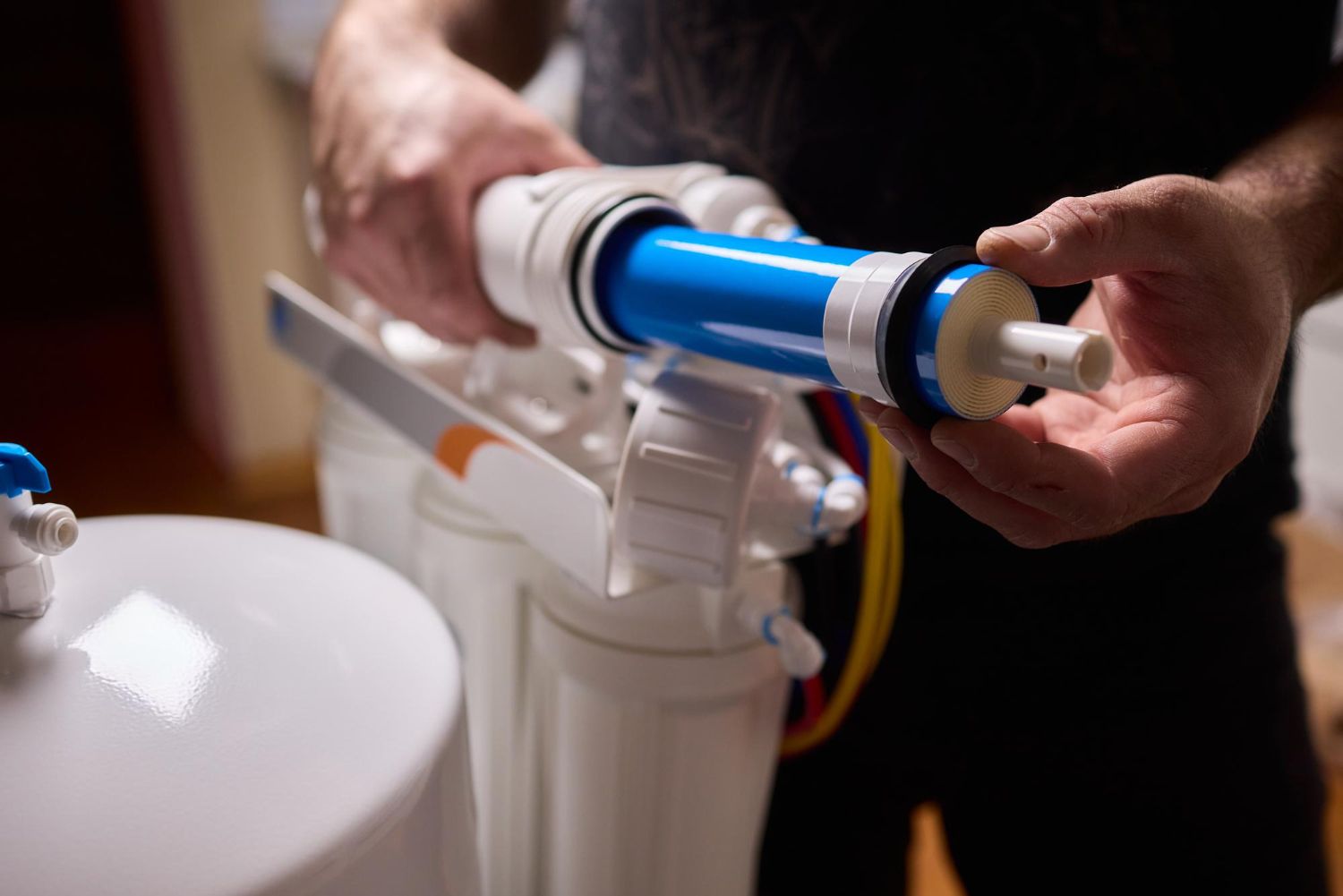
The membrane is a different story. It is more delicate to handle, easy to install backward, and tied closely to overall system sanitation. Signs the membrane likely needs replacement include:
- Poor TDS results, even after fresh prefilter changes
- A membrane age of several years with no documented swap
- Very slow tank recovery paired with tired filters
- Bad taste or odor that returns quickly after filter replacements
Because a membrane change is a good time to sanitize the whole unit and check flow, it is usually better handled by a professional who works with RO systems every day.
When to Call for Local Professional Help
Not every RO issue should be treated like a weekend project. Some symptoms call for professional help right away, especially in homes across Park City and the surrounding Summit and Wasatch County areas.
You should stop DIY attempts and look for service if you notice:
- Suspected bacterial contamination or mold inside any housing
- Repeated leaks after you tighten or re-seat filters
- A storage tank that never seems to fill or suddenly holds almost nothing
- No meaningful TDS improvement after a good flush and new filters
- Strange noises, sudden pressure changes, or visible damage to tubing
Heading into colder months, a full RO checkup is especially smart for vacation homes or properties that may sit empty. Freezing pipes, long idle times, and start-and-stop use can be hard on small fittings and housings. Getting ahead of those issues helps keep things steady before guests arrive or you settle into more time indoors with the tap as your main water source.
During a typical professional visit, you can expect a complete look from feed to faucet. That often includes inspecting connections, checking pressure and flow, evaluating the membrane with TDS readings, replacing worn filters, cleaning or sanitizing housings, and adjusting the setup to match local water conditions.
Reset Your RO Routine: Simple Next Steps to Stay on Track
Once your system is stable again, the goal is to avoid another “emergency RO triage” moment. A little planning goes a long way.
Try setting a simple maintenance calendar. You can tie tasks to dates you already remember, such as:
- Early fall, before heating season ramps up
- Start or end of daylight saving time
- Start of ski season if you split time between homes
- A month before you expect long-term guests
On those dates, plan to:
- Check flow from the RO faucet
- Take quick TDS readings of tap and RO water
- Look under the sink for moisture, cracks, or stains
It also helps to create a basic log for your RO system. Write down:
- Installation date and brand or model
- Filter types and the dates they were last changed
- TDS readings for tap and RO water after each service
- Any notes about taste, odor, or flow changes you notice
With that record, future RO system maintenance decisions become faster and less stressful. You will know if a membrane is aging out, if filters are overdue, or if performance is slipping, long before things reach crisis mode.
Keep Your RO System Running at Peak Performance
Consistent, expert care is the key to clean, great-tasting water in your home or business. At Water Science, we make it easy to stay on top of RO system maintenance so you can avoid unexpected issues and protect your investment. If you are ready to schedule service or have questions about your system, simply contact us and our team will help you choose the right next step.