Emergency RO Maintenance in Utah: Fix Low or Zero Water Output Fast
When Your RO Suddenly Stops in a Utah Home
When your reverse osmosis faucet slows to a drip or stops completely, it feels stressful fast. You rely on that tap for clean, safe drinking water, coffee, cooking, and ice. When it quits, it can throw off your whole-day routine.
Across Park City and the nearby Summit and Wasatch county areas, hard water and mineral buildup are tough on RO systems. Seasonal shifts, like cool nights and warm days in late September, can change water use patterns and put extra strain on equipment that is already overdue for RO filter maintenance. That is often when small issues turn into sudden no-water emergencies.
In this guide, we walk through what you can safely check when your RO stops producing water, what common problems look like, and how to tell when it is time for same-day professional service to protect your home and your drinking water.
Quick Safety Checks Before You Touch Your RO System
Before you start turning valves or moving parts, take a minute to stay safe and prevent water damage. A few quick checks can save you from a bigger mess.
Start with these steps:
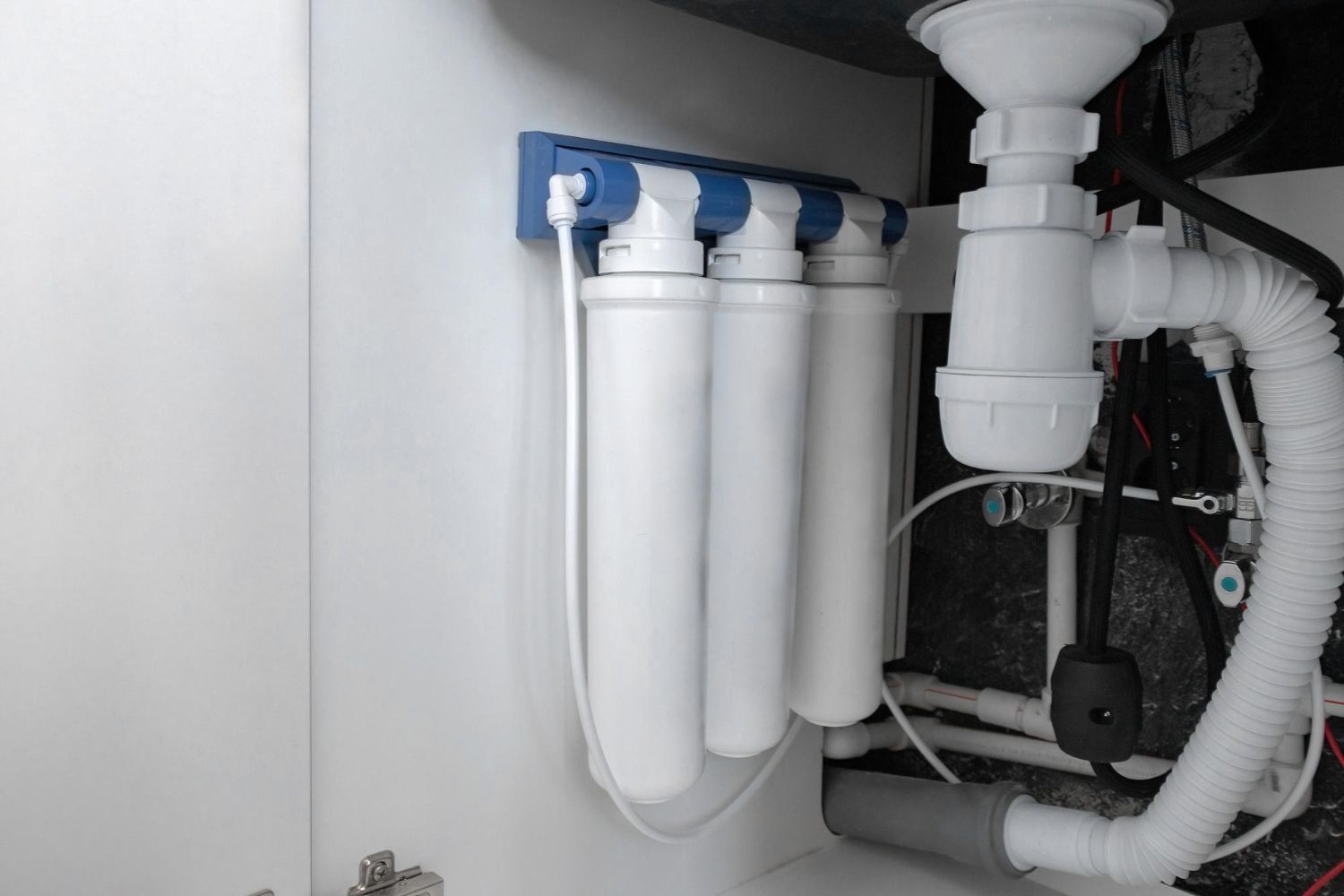
- Clear under-sink clutter so you can see the RO unit, lines, and tank
- Turn off the RO feed valve if you see any water leaking
- Turn off power if your setup includes a booster pump or other powered parts
Watch for true emergency signs around the RO system:
- Active leaks or pooling water under the sink or by the mechanical room
- A system that seems to run nonstop, with the constant sound of water draining
- Wet spots, water stains, or drips near the pressure tank
- Sudden strange taste, odor, or cloudiness in your RO water
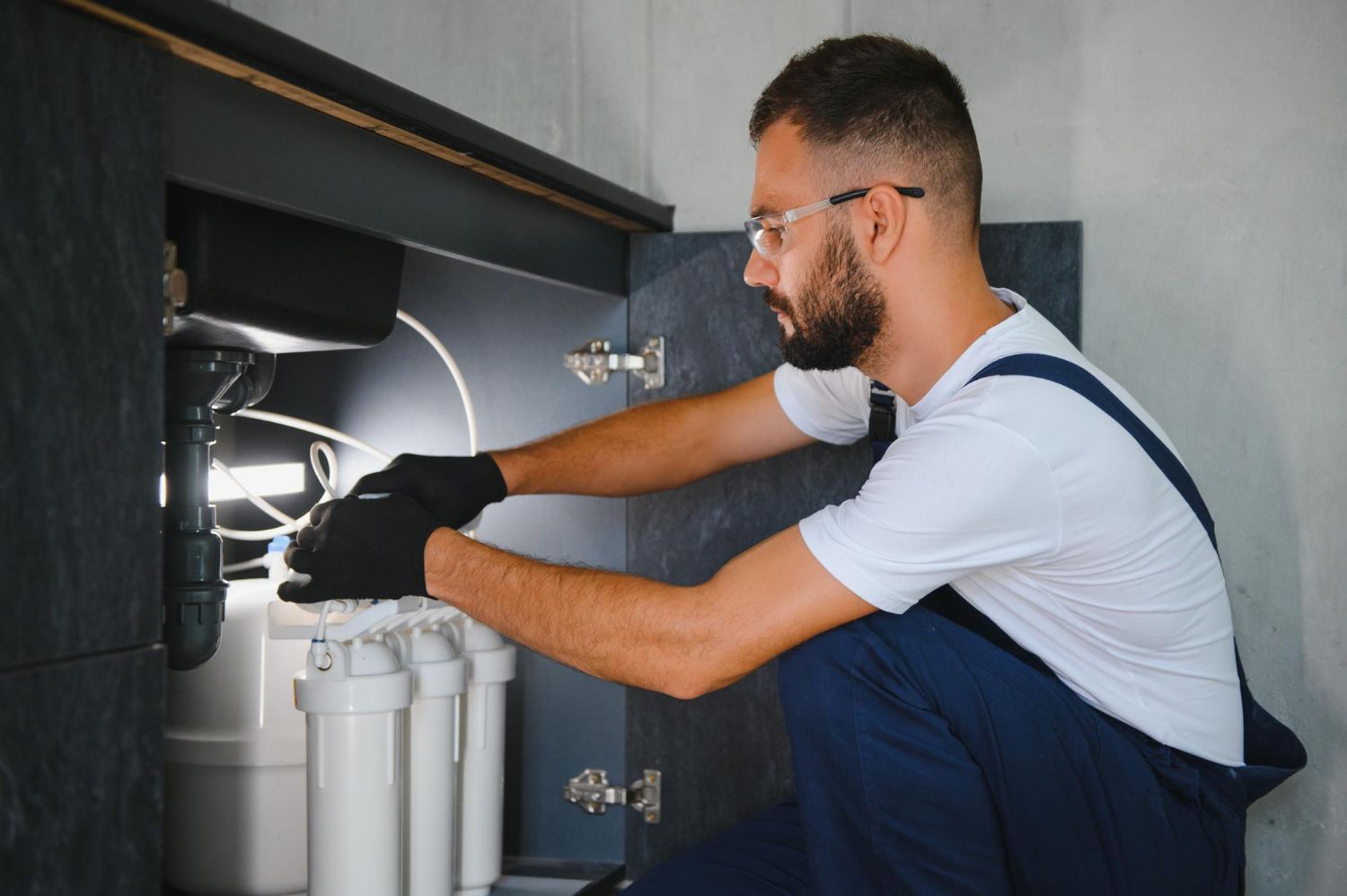
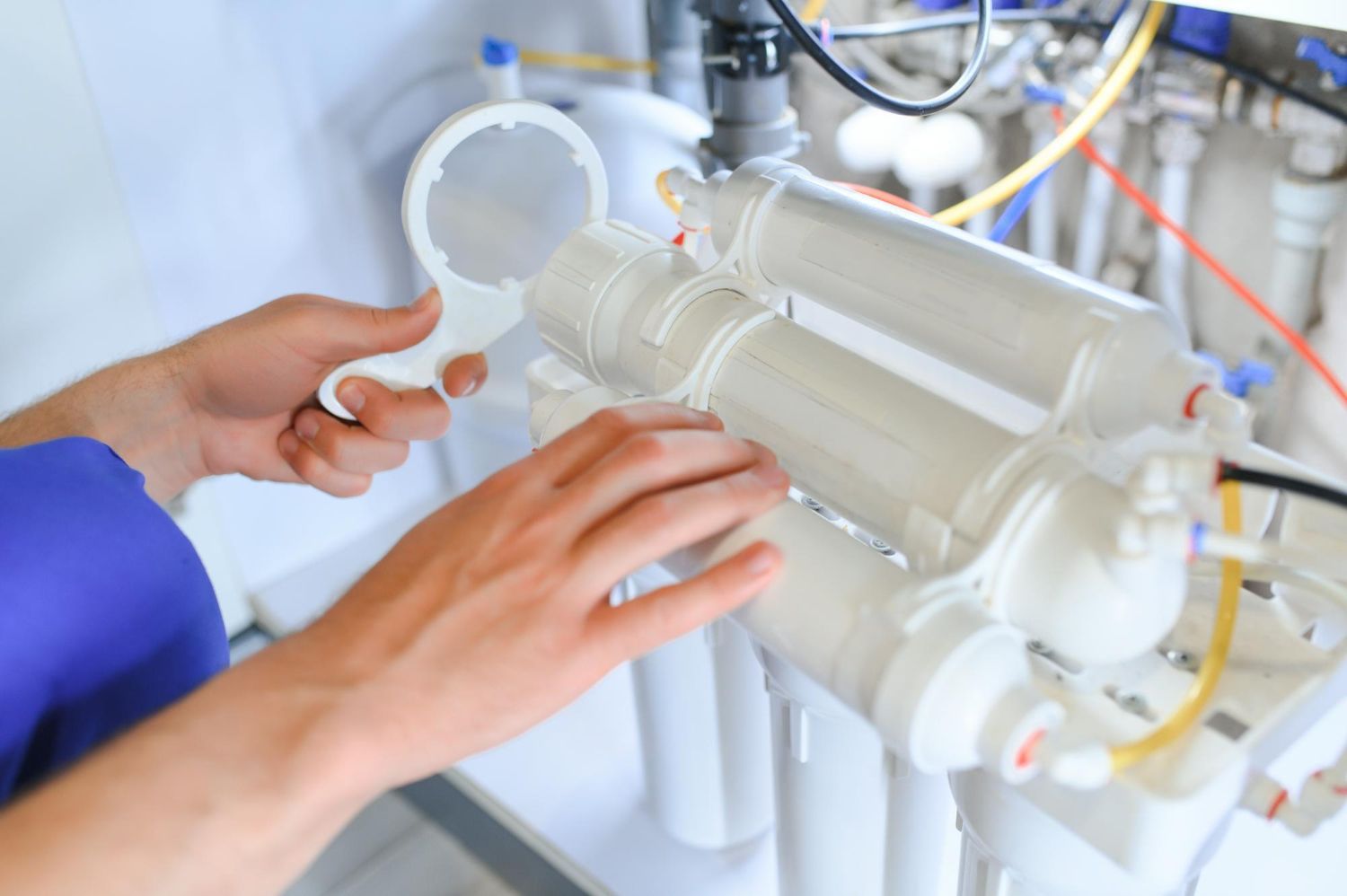
It is usually safe for homeowners to do basic visual checks, listen for running water, and gently feel the outside of the tank to see if it is cool or damp. What you should not do is open housings, disassemble fittings, or try to repair internal parts. If you see active leaks, smell something off, or suspect contamination, that is a situation for professional help right away.
Zero or Low Water Output Troubleshooting Steps
When the faucet slows down or gives nothing at all, start with the simple causes that are easy to overlook. A small, closed valve or minor blockage can mimic a total RO failure.
First, check these basics:
- Confirm the main cold-water supply under the sink is fully open
- Make sure the RO feed valve on the supply line is open
- Confirm the RO faucet handle is turned fully on
- Look at the air gap on the faucet for any visible debris
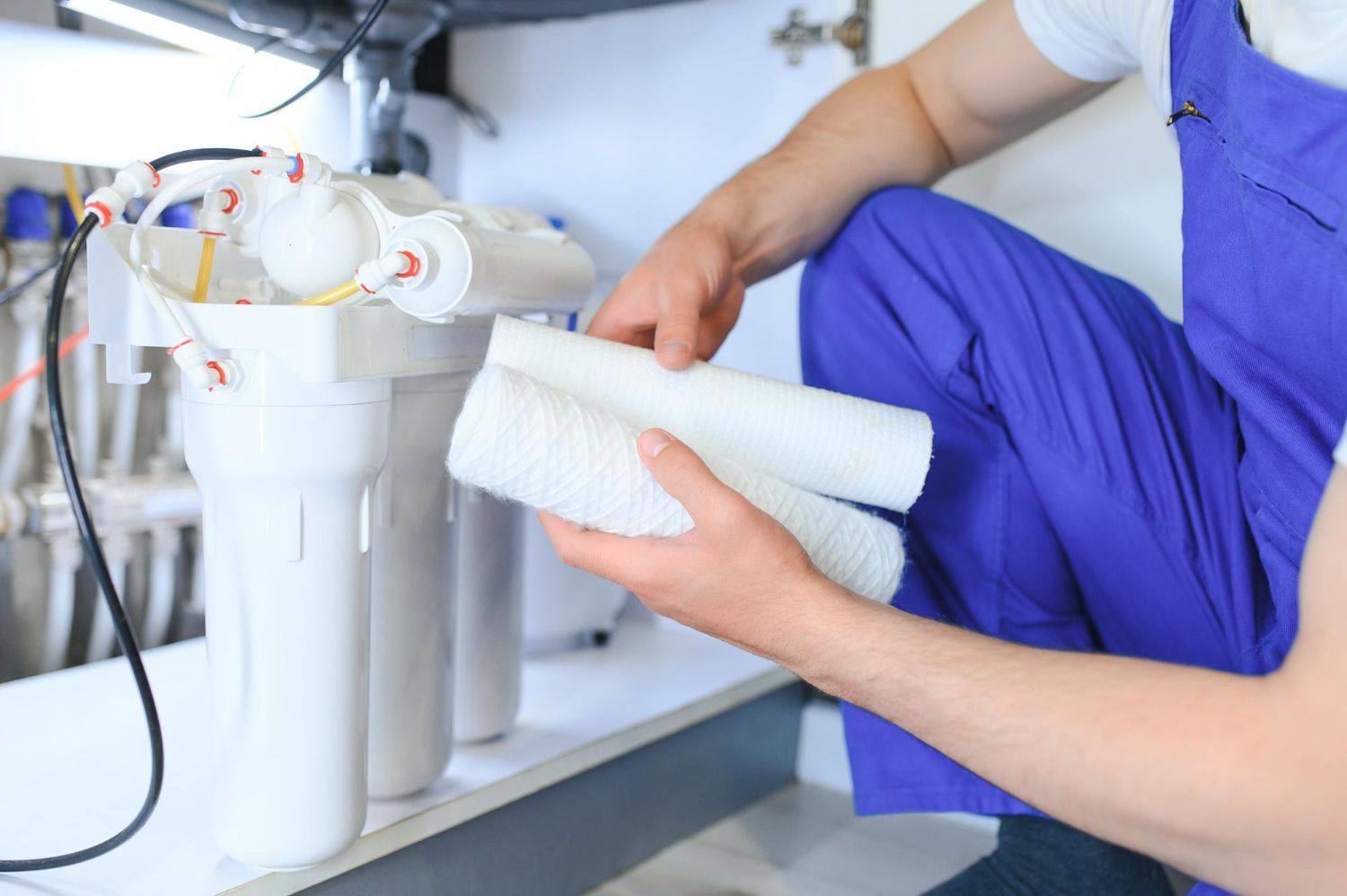
In Utah, hard water and sediment are big factors. If RO filter maintenance has been delayed, your sediment or carbon prefilters can clog up. When that happens, the RO membrane does not get enough water, and output can drop sharply or stop.
Another common issue is downstream from the RO unit, not in it. If your RO feeds a refrigerator or ice maker, check that line:
- Make sure the small shutoff valve to the fridge line is open
- Look for kinks or sharp bends in the tubing
- Check if the fridge filter is overdue and possibly restricting flow
Sometimes, the fridge filter or a closed fridge valve makes it seem like the RO quit, when the actual block is after the RO tank. If your RO faucet still has some water but the fridge does not, that is a clue the issue is on the fridge side.
Diagnosing RO Pressure Tank and Shutoff Valve Problems
If you open the RO faucet and get a quick burst of water that drops to a trickle, or no flow at all, the pressure tank may be the main problem. This tank stores treated water and uses internal pressure to push it to your tap.
Here are common signs of tank trouble:
- The tank feels very heavy, but only a little water comes out at the faucet
- Flow starts strong, then fades in a few seconds
- The system seems to run often, but the tank never feels “light”
You can do a simple, safe test at home. Gently lift or rock the tank:
- Very light usually means empty or nearly empty
- Medium weight often means partially full
- Very heavy often suggests it is full or waterlogged
A waterlogged tank (when air and water are out of balance inside) can stop pushing water properly. Servicing or replacing a tank is not a DIY job, since it involves pressure, fittings, and careful setup so you do not damage the RO membrane.
The automatic shutoff valve and check valves are the other key players. These small parts tell the system when to stop making water. In mineral-heavy Utah water, they can stick or fail. Warning signs include:
- The RO drain line runs all the time, even when the tank is full
- The system never seems to shut off
- The tank overfills and feels extremely heavy while the faucet output is still poor
If you notice any of these, it is time for a professional visit to test pressures, inspect valves, and replace worn parts before they cause damage or waste a lot of water.
When RO Filter Maintenance Becomes an Emergency
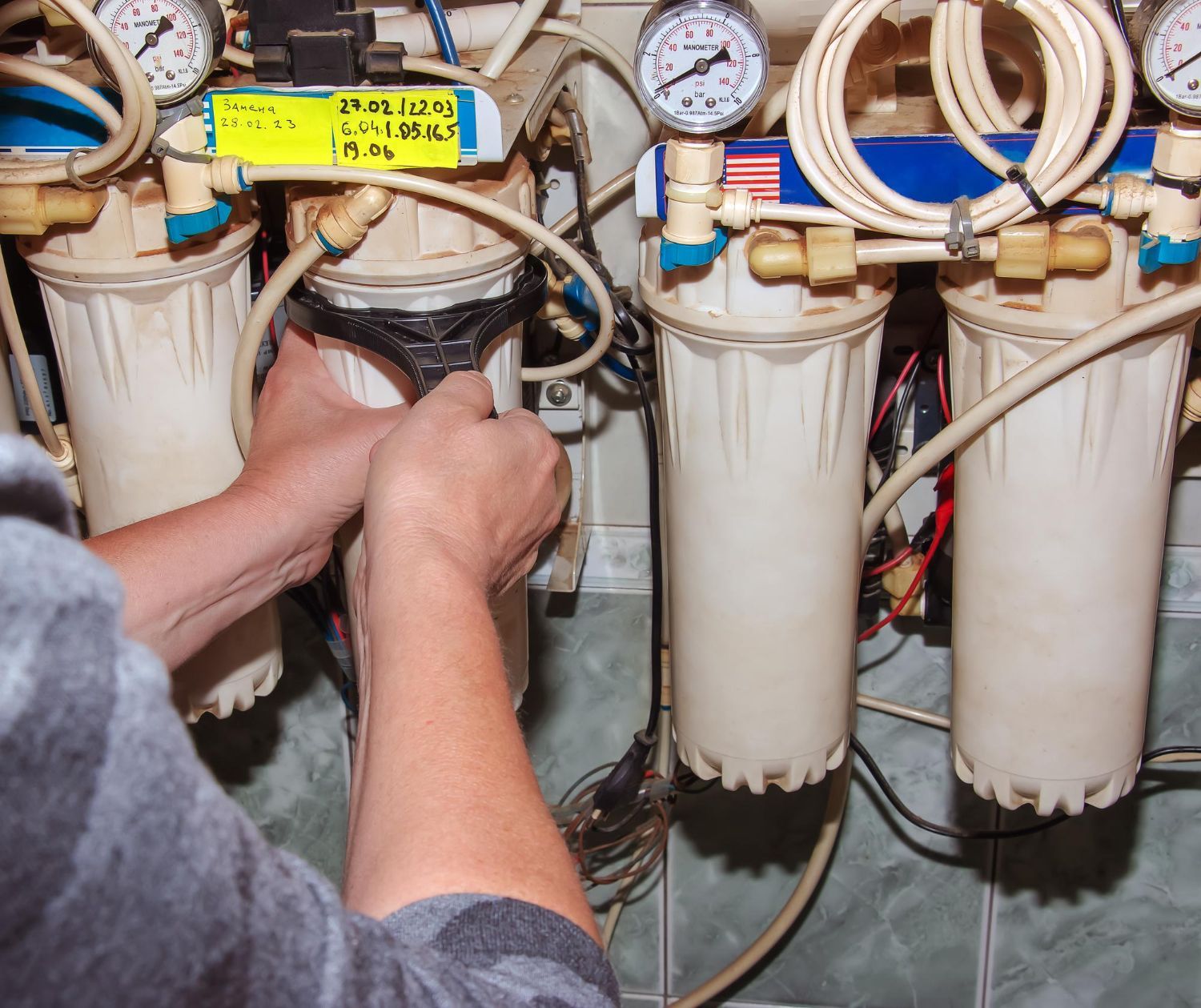
Skipping RO filter changes might feel harmless for a while, until everything slows or stops at once. Prefilters protect your RO membrane from the heavy sediment and hardness common in Summit and Wasatch County. When they clog, the membrane gets starved of water, and output drops quickly.
RO filter maintenance also affects water quality. Old carbon filters can lose effectiveness, and a tired membrane may let more dissolved solids through or send output down to a slow drip. That is when people notice odd taste, odor, or very long fill times for pitchers and bottles.
Because local water often carries more minerals and can pick up extra particulates during road work or construction, prefilters may need replacement more often than a basic national schedule suggests. Many homeowners find it helpful to pair RO filter service with other fall home checks, like water heater service or other plumbing inspections, so everything is ready for heavier winter use and holiday guests.
A consistent maintenance plan usually includes:
- Regular sediment filter replacement before it clogs
- Timely carbon filter changes to protect the membrane
- Membrane checks when output or quality starts to change
- Periodic review of tubing, tank, and valves for wear
Treating RO filter maintenance as a must-do task, not a someday project, goes a long way toward avoiding midnight no-water surprises.
When to Call for Same-Day RO Service
Some RO issues can wait a little while, but others should be handled the same day to protect your home and water. Knowing the difference helps you act with confidence.
You should call for urgent professional service if you notice:
- Any visible leak around the RO unit, tank, or lines
- Complete loss of RO water that lasts more than a few hours after basic checks
- Sudden strange taste, odor, or cloudiness in your RO water
- Unusually loud or constant running sounds from the system
- A tank that feels extremely heavy with almost no faucet flow
Local professionals who work every day in Park City and the surrounding areas understand how Utah’s hard water, elevation, and seasonal changes affect RO systems, whole-home filtration, and water heaters. That local experience helps them identify issues quickly and carry the parts that match custom setups common in this region.
With consistent RO filter maintenance, prompt attention to warning signs, and fast help when something urgent comes up, your RO system can stay reliable, efficient, and ready to deliver clean drinking water whenever you open the tap.
Keep Your RO System Performing At Its Best
Consistent care is the key to pure, great-tasting water, and our team at Water Science is here to help you stay on top of RO filter maintenance. If you are unsure about your system’s condition or schedule, we can walk you through what needs attention and when. Reach out to us today through our contact page so we can help you protect your water quality and extend the life of your RO system.