Hidden Plumbing Strain From Hard Water in Utah Mountain Homes
Mountain Water That Quietly Wears Out Your Home
Hard water is a quiet problem in Utah mountain homes. The water looks clear, tastes fine, and feels cold and fresh from the tap, but it is loaded with minerals that are rough on your plumbing. If you live in Park City or around Summit and Wasatch County, you are almost always dealing with hard water.
Our local water comes from groundwater and snowmelt. As it moves through rock and soil, it picks up calcium and magnesium. Those minerals do not just disappear. They stay in your water, stick to your pipes and equipment, and build up over time.
That build-up can lead to shorter plumbing and appliance life, surprise leaks in the middle of winter, higher gas or electric bills, and more emergency plumbing calls. In this article, we will walk through where this strain shows up, why it tends to be worse in higher-altitude homes, and what kinds of hard water treatment solutions actually protect your house instead of just treating the symptoms.
How Utah’s Hard Water Attacks Pipes and Fixtures
Inside your plumbing, hard water minerals settle out and form scale. It starts as a thin film on the inside of copper, PEX, and steel pipes. Over time, that film becomes a rough, crusty layer that steals space from the water flow.
Here is what that means in real life:
- Narrowed pipes that lower water flow and raise pressure
- Extra strain on fittings, valves, and shutoffs
- More noise when water starts and stops
- A higher chance of sudden leaks at weak spots
Scale loves to collect at elbows, tees, and joints, where water changes direction. In mountain homes, pressure swings are common, especially when multiple showers, laundry, and dishwashers run at the same time. That stress can turn a scaled-over joint into a pinhole leak or a full failure.
Fixtures also take a beating from hard water. You might notice:
- White or tan rings around tubs, sinks, and drains
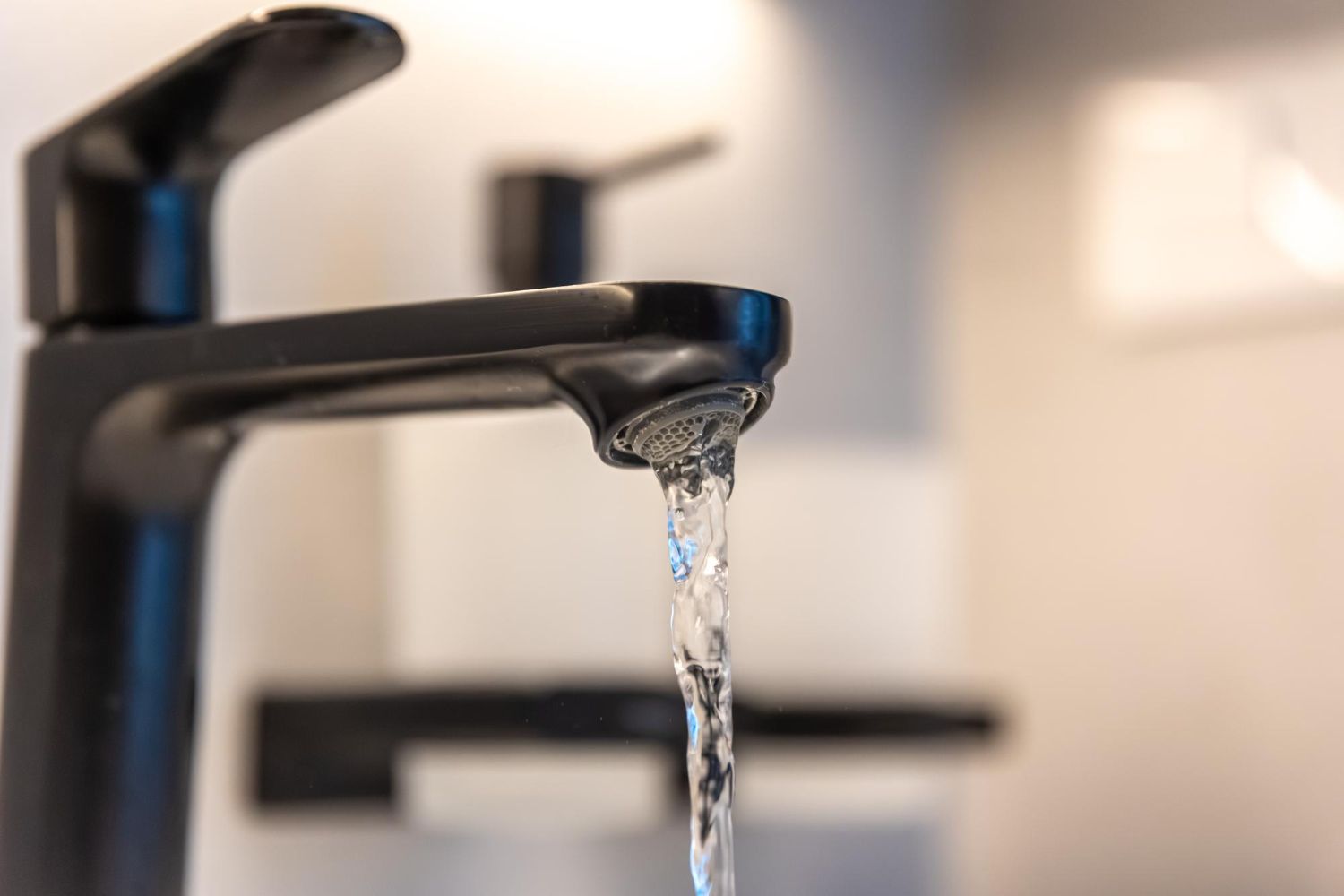
- Crusty faucet tips and showerheads that spray sideways
- Toilet parts wearing out faster than you expect
- Glass shower doors with spots that will not wipe away
In upscale mountain neighborhoods, worn fixtures and stained surfaces are not just annoying. They can drag down the overall feel and value of the home. Many owners end up replacing faucets, shower trim, and toilets earlier than they planned, not because of style, but because hard water damage makes them look old and work poorly.
Hidden Strain on Water Heaters and Radiant Heat Systems
Water heaters are some of the hardest working appliances in a Utah mountain home, especially in winter. Hard water makes their job even harder. The same scale that grows in pipes also coats the inside of your water heater.
With a tank-style heater, minerals settle to the bottom and create a crusty layer between the burner and the water. With a tankless heater, minerals stick to the narrow passages inside the heat exchanger. In both cases, the heater has to run longer and hotter to give you the same hot water.
That can lead to:
- Slower hot water recovery
- Hot water that runs out quicker
- Louder operation and rattling noises
- Shorter equipment life and more repairs
Radiant floor and boiler systems are very common around Park City and nearby areas. These systems use narrow tubing, circulator pumps, and heat exchangers that do not handle scale well. When hard water moves through them day after day, minerals build up inside those tight spaces.
In the middle of ski season, that can show up as:
- Uneven heat, with some rooms cooler than others
- Noisy pumps or clicking and popping sounds in floors
- Systems that struggle to keep up during very cold nights
- Breakdowns right when the house is full of family or guests
Regular flushing helps, but with very hard water, it often does not keep up on its own. Prevention with the right hard water treatment solutions is usually far more effective than constant cleaning, repairs, and mid-winter emergency service.
Spotting Hard Water Trouble Before It Becomes a Flood
The good news is that hard water gives you warning signs if you know what to look for. Catching these early can help you avoid burst pipes or loss of heat when you need it most.
Common clues inside the home include:
- White, chalky buildup on faucets and showerheads
- Low hot water pressure compared to cold
- Faucets that feel “slow” even when fully open
- Cloudy or spotty dishes straight out of the dishwasher
- Stiff or scratchy laundry and towels
- Dry skin or hair that feels rough after showers
At higher elevations, there are some extra hints. Because heating systems work harder, you may notice:
- Boilers or radiant systems that sound louder than they used to
- Showers that swing from hot to cold for no clear reason
- Certain rooms or levels that never seem to warm up evenly in winter
It also helps to read between the lines on your utility bills. If your gas or electric use is climbing even though your habits have not changed, or if you are calling for water heater or boiler repairs more often, hard water could be a big part of the story.
A professional water evaluation and plumbing inspection can measure your water hardness, check for existing scale, and point out at-risk parts of your system before busy holiday or ski weekends. That way, you have a plan instead of a surprise.
Choosing the Right Hard Water Treatment Solutions
There are a few main ways to deal with hard water, and each has a different role. The most common options are:
- Traditional salt-based water softeners
- Salt-free conditioners
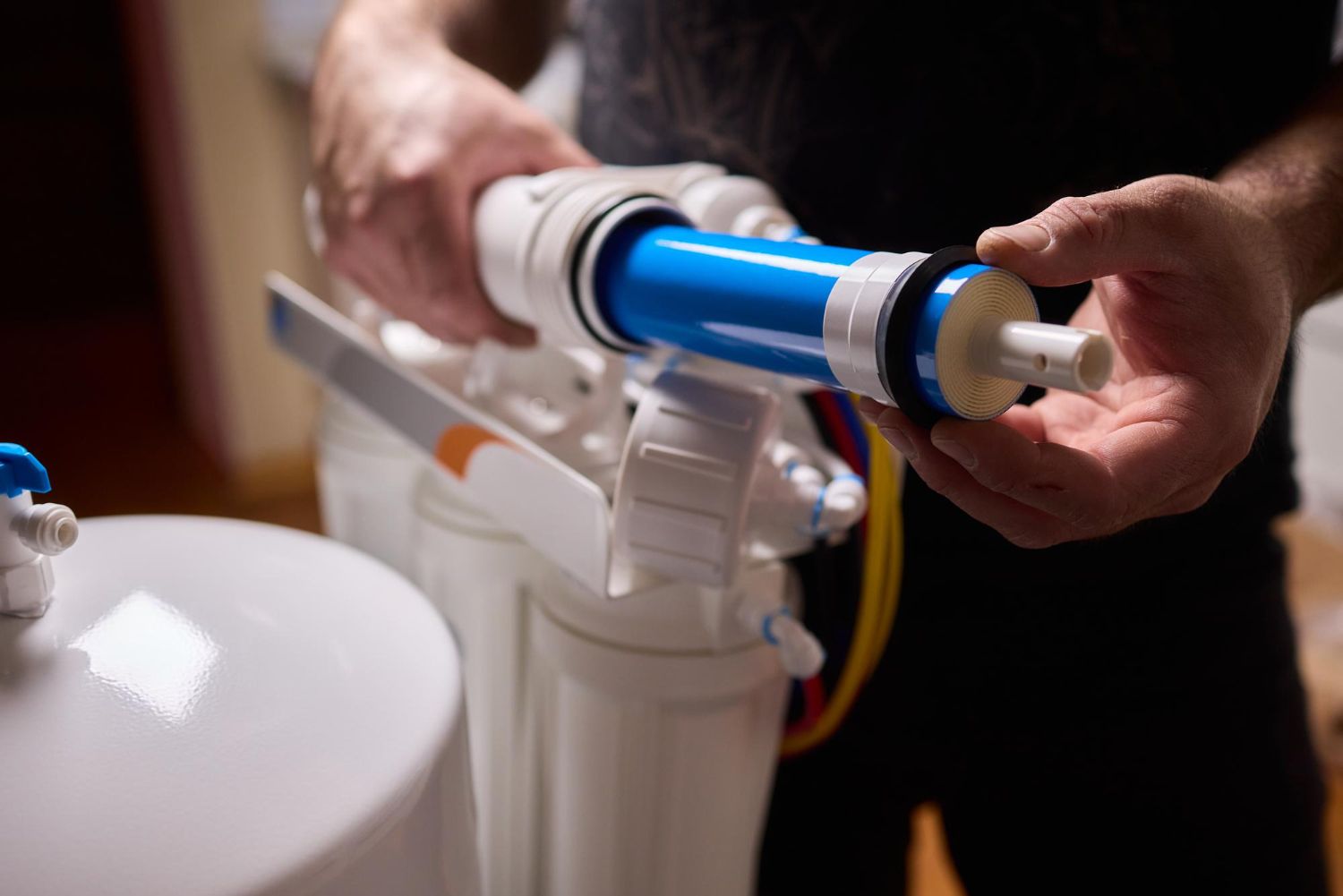
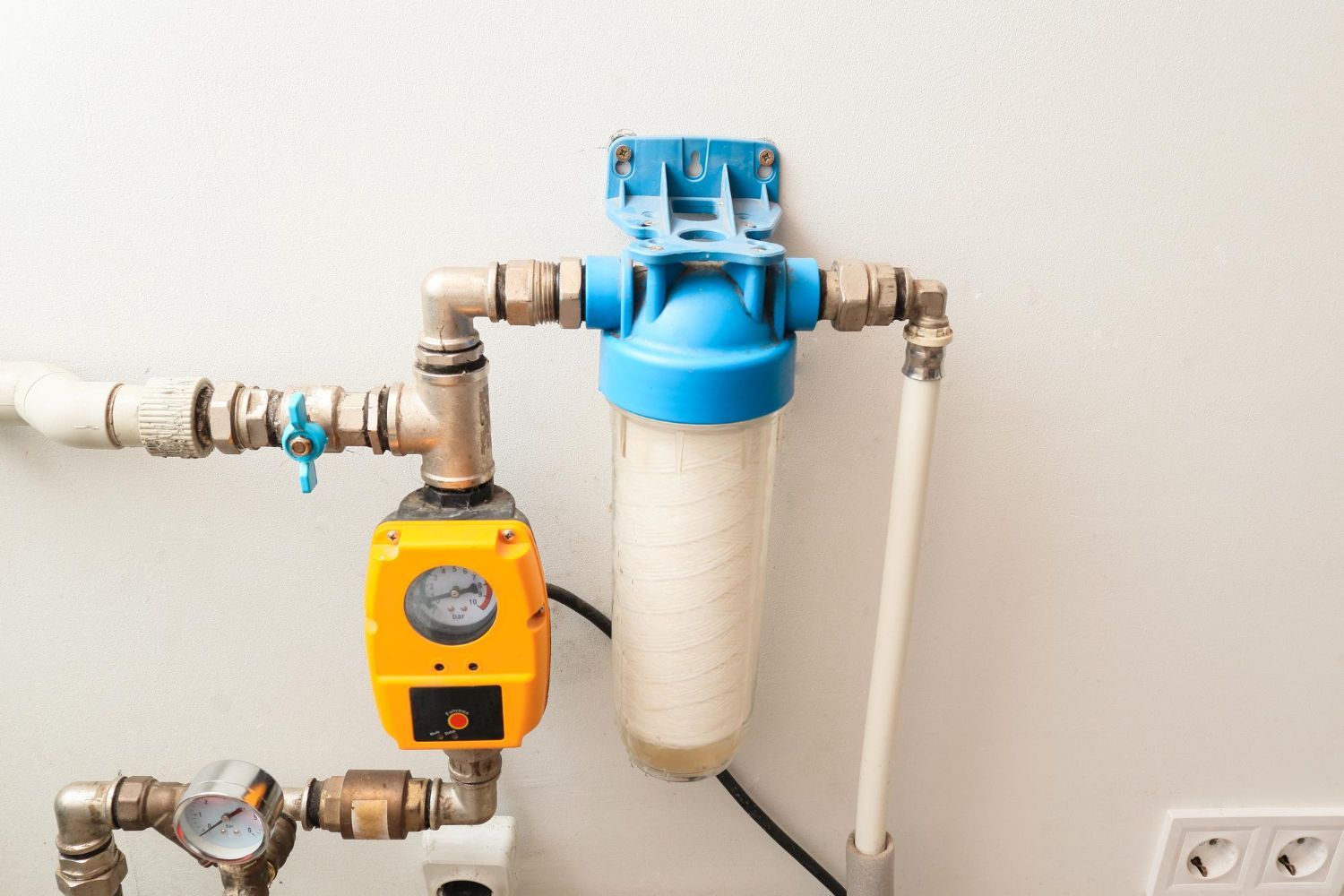
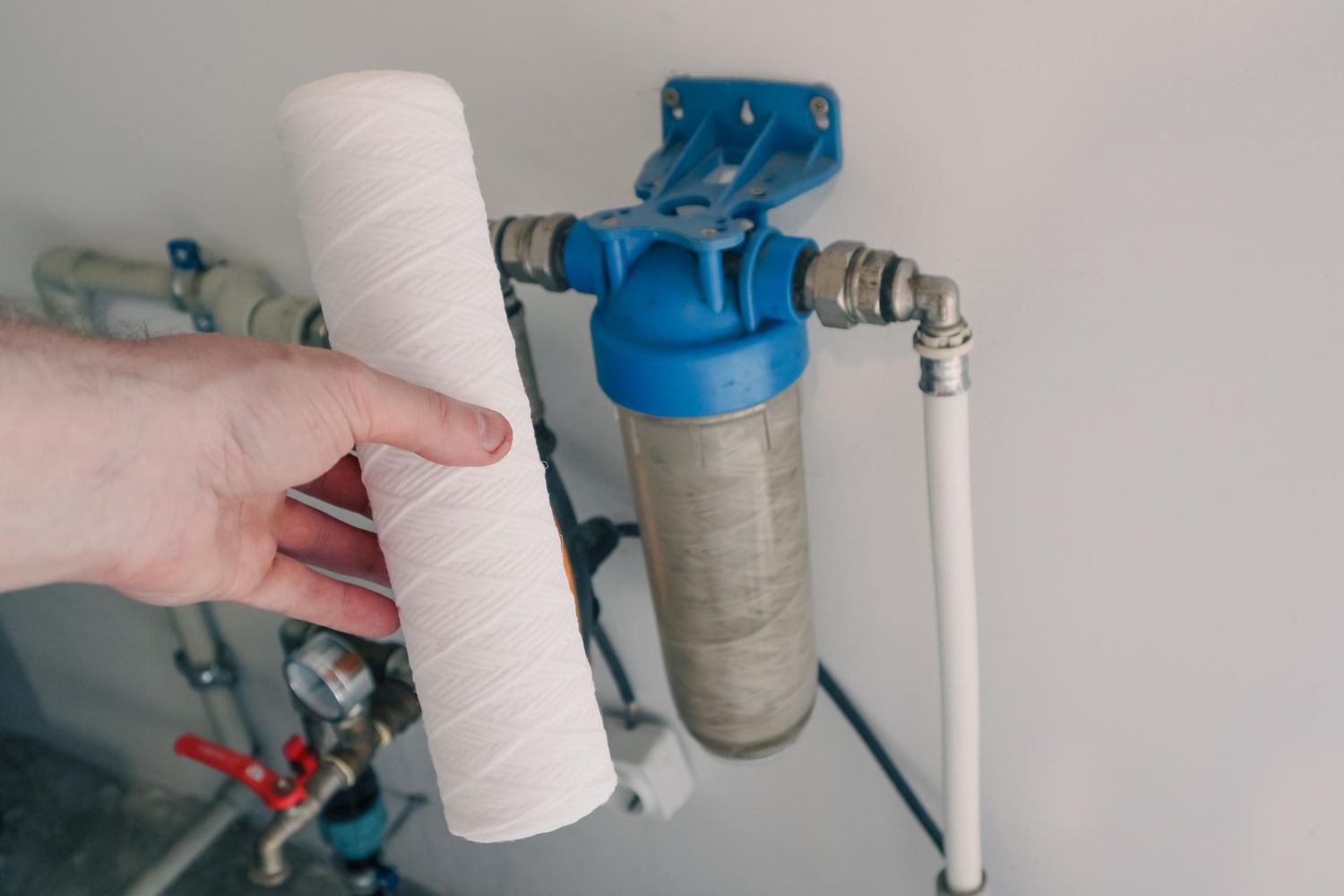
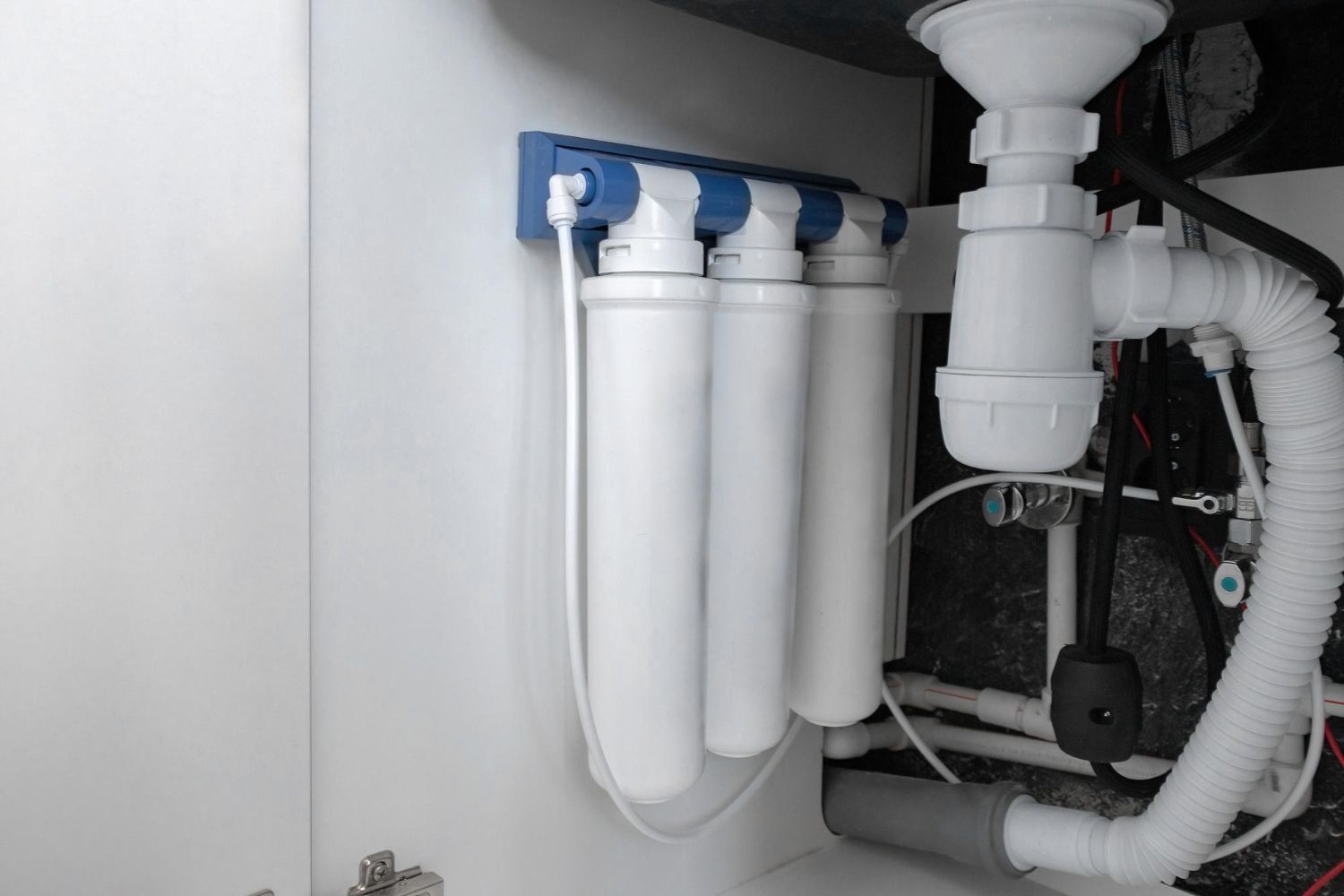
- Whole-home filtration systems
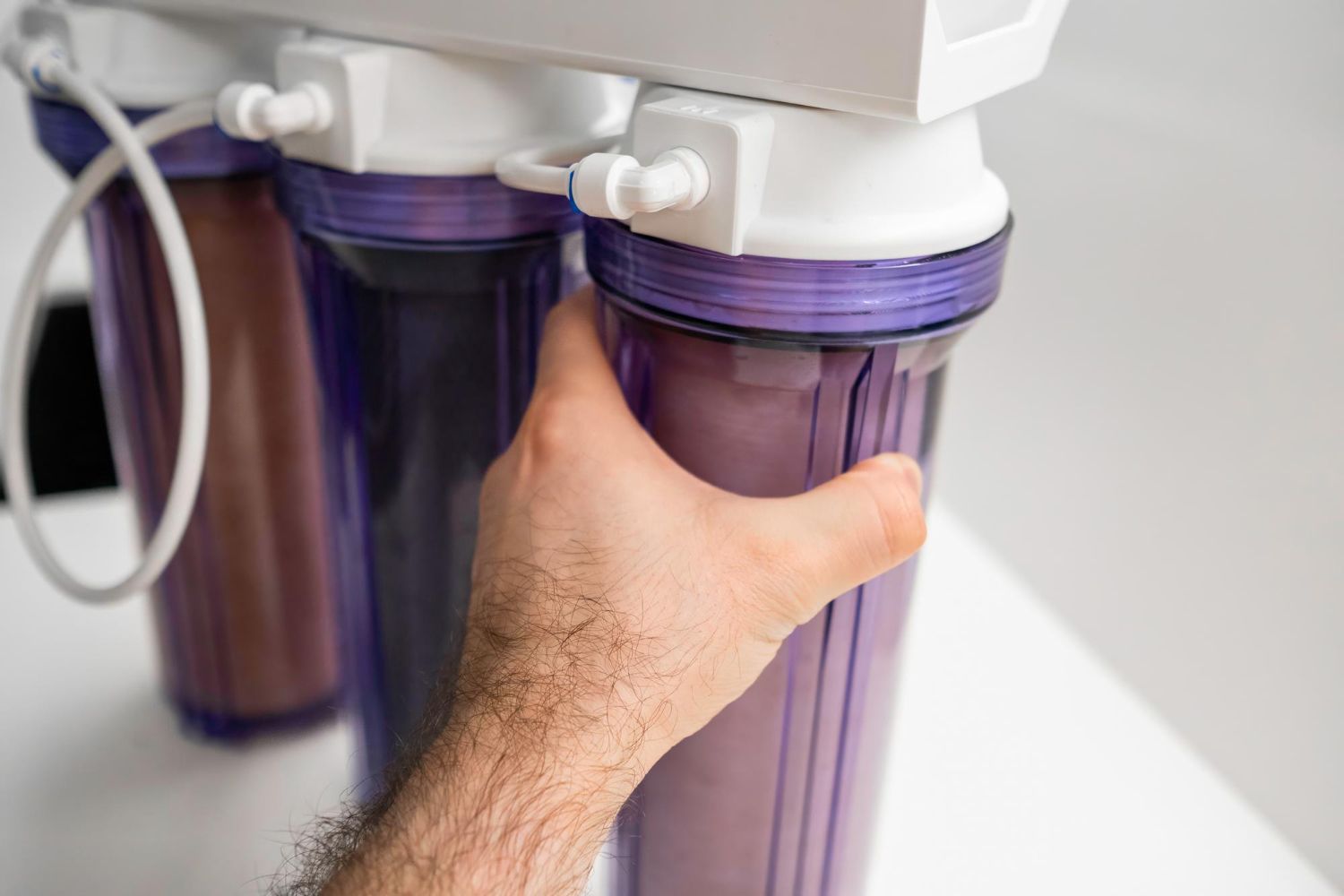
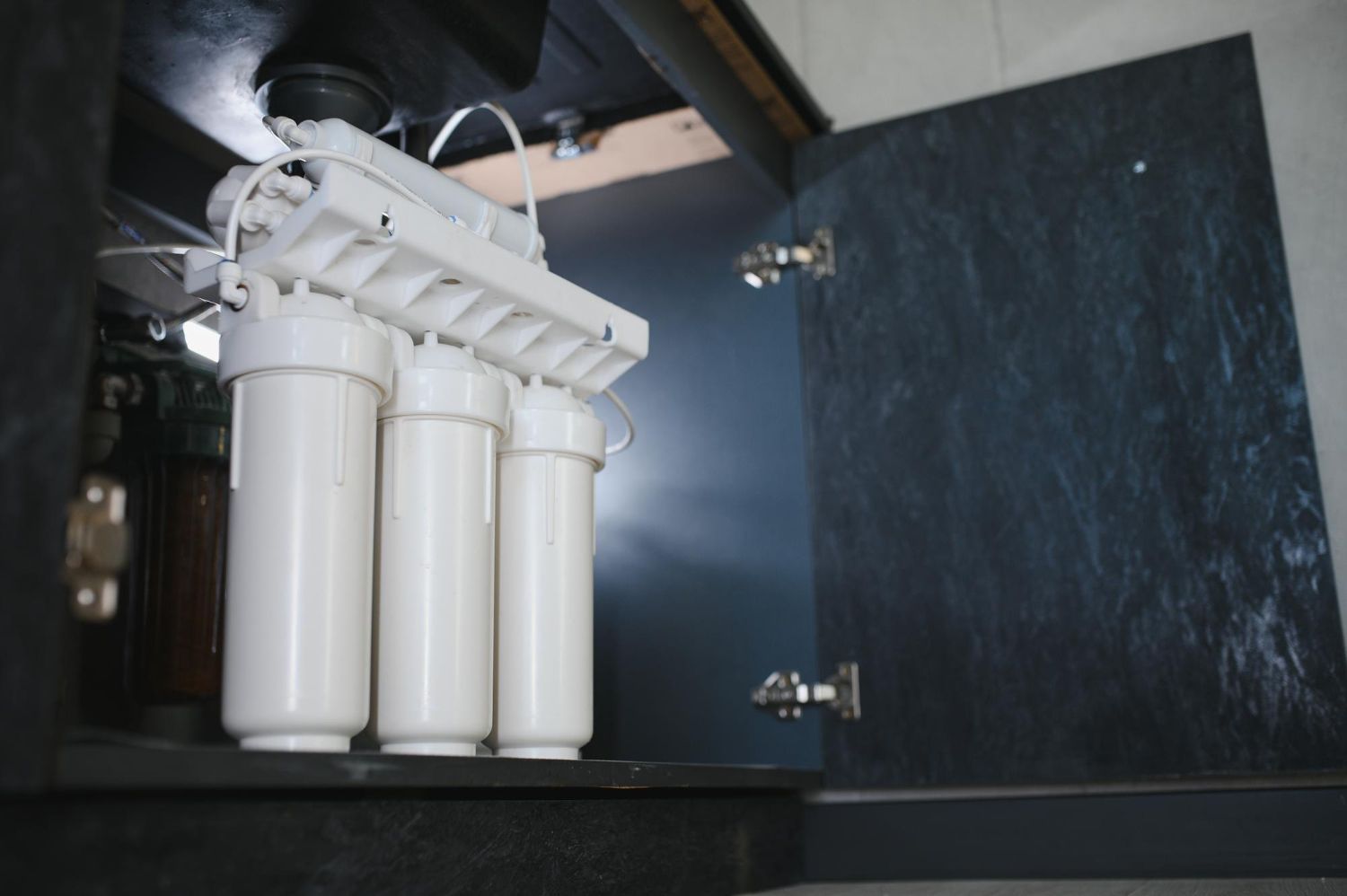
- Point-of-use filters for drinking and cooking water
Softening and filtration are not the same thing. Softening targets hardness minerals like calcium and magnesium. Filtration focuses more on particles, chlorine, and other taste or clarity issues. Many mountain homes benefit from a setup that includes both, so plumbing is protected and the water you drink and cook with also feels and tastes better.
In Park City and the surrounding mountain communities, water chemistry, seasonal use, and vacation or second-home patterns make a big difference in what works best. A large home used heavily in winter has different needs than a smaller full-time home. Correct sizing, layout, and settings are key so your system can handle multiple bathrooms, long plumbing runs, and heavy guest loads without losing performance.
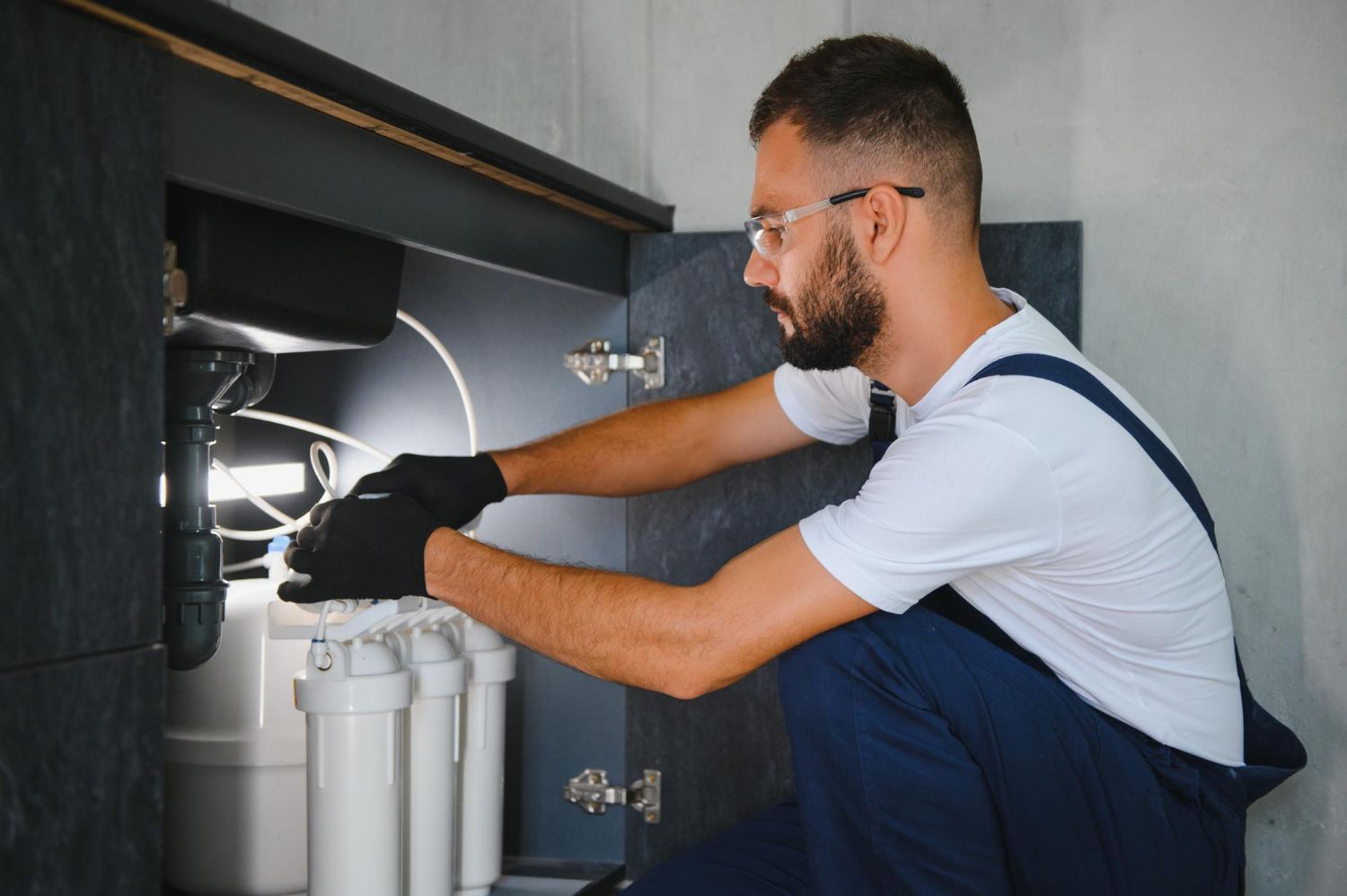
Working with a local water professional who understands Utah mountain water helps make sure your hard water treatment solutions are chosen, installed, and maintained for your exact setup instead of being a one-size-fits-all guess.
Winter-Ready Plumbing Protection for Your Mountain Home
As temperatures drop and hot water use climbs, any strain that has been building in your system starts to show. Fall is a smart time to make sure your mountain home is ready, but the steps below apply any time you want to get ahead of problems.
A simple action plan looks like this:
- Get your water hardness tested and discuss the results
- Have a plumbing health check focused on heaters, radiant systems, and main supply lines
- Review hard water treatment solutions that match your water, home layout, and how you use the property
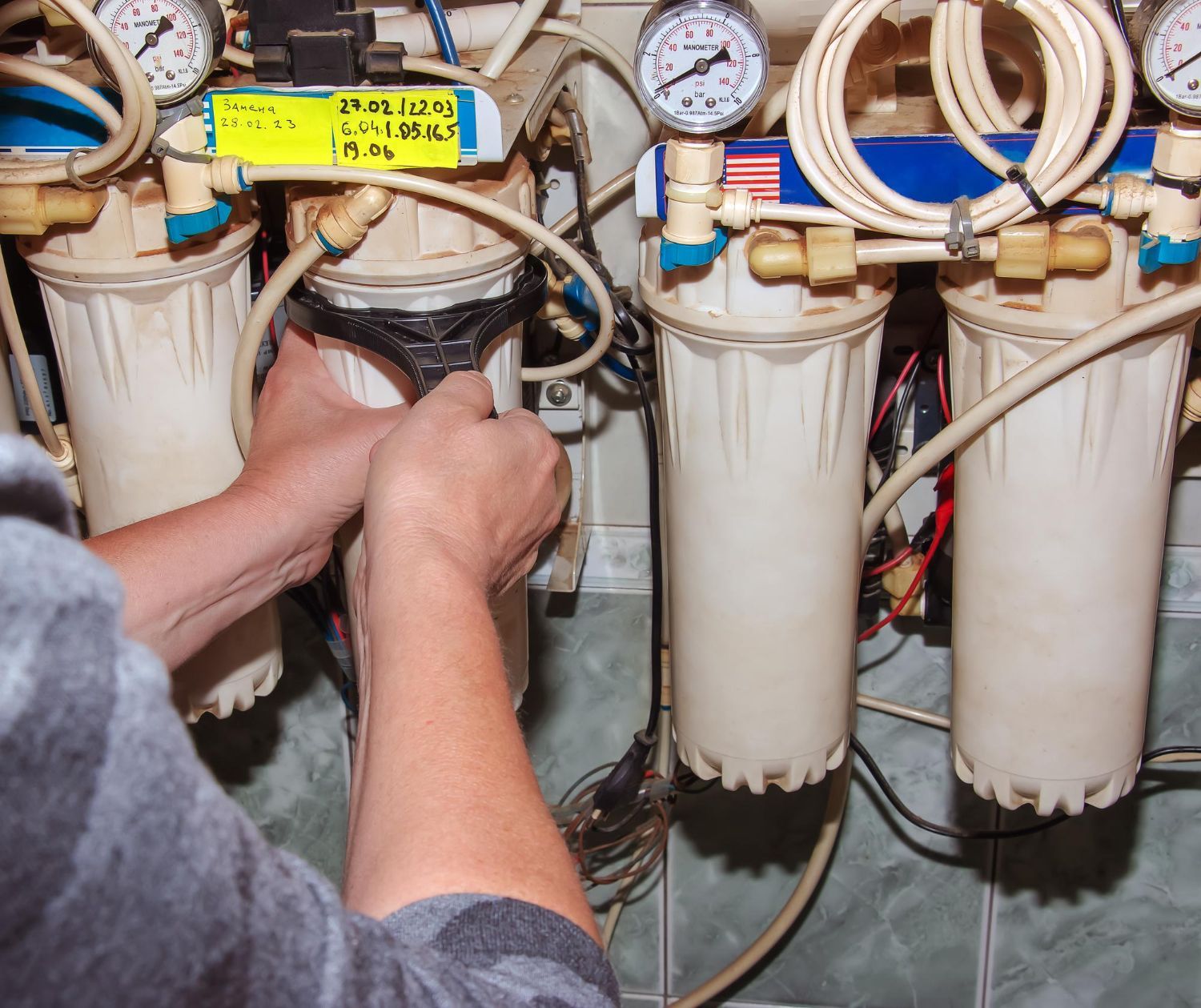
- Set up a simple maintenance plan so your system keeps working season after season
At Water Science, we work with homes in Park City and the surrounding Summit and Wasatch County areas every day, so we see how local hard water behaves in real plumbing systems. With the right protection in place, you can enjoy quieter, smoother heating, fewer surprise leaks, longer-lasting appliances, and better tasting water in every season in the mountains.
Protect Your Home With Reliable Hard Water Fixes Today
If you are tired of scale buildup and inconsistent hot water, we are ready to help you make a lasting improvement to your home’s water quality. Our team at Water Science provides customized hard water treatment solutions that fit your plumbing, appliances, and budget. Reach out today so we can assess your water issues and recommend the right next steps, or schedule a conversation through our contact page to get started.