Choosing Between Water Softeners and Filtration in Utah Homes
Clear, Great-Tasting Water for Utah Homes
Hard water is a daily headache for many Utah homeowners. Spots on clean dishes, chalky buildup on fixtures, stiff towels, dry skin, and water heaters that do not last as long as they should are all common complaints in our area. If you live in Park City or nearby mountain communities, you probably see these signs all the time.
Most hard water treatment solutions fall into two main groups: water softeners and water filtration or purification systems. They are related, but they do different jobs. One focuses on hardness minerals that damage your home, while the other targets taste, odor, and certain contaminants.
Choosing the right setup in Park City, Summit County, and Wasatch County depends on your water quality, how you use your home, and how you want to protect it long term. We will walk through how softeners and filtration work, what each one is best at, how local conditions affect your choice, and when a combined system makes the most sense.
How Utah’s Hard Water Affects Your Home and Comfort
Utah naturally has hard water, which means there is a lot of calcium and magnesium in your tap water. In mountain areas, that hardness often shows up fast, because water heaters, plumbing, and fixtures are working hard to keep up with daily use and guests. The result is a steady layer of scale wherever hot water flows.
You can usually see the effects, such as:
- White scale on shower doors and faucets
- Cloudy glassware and spotty dishes
- Rough, stiff towels and clothes after laundry
- Shorter lifespans for water heaters and other water-using appliances
You may also feel hard water on your skin and hair. Many people notice:
- Dry, tight, or itchy skin after showers
- Dull, hard-to-manage hair
- Soap and shampoo that never seem to rinse off fully
These issues often feel worse when your home is using more hot water, such as late summer with guests, or in winter when everyone wants long, hot showers after skiing or being outside. More hot water moving through the system means more scale building up inside pipes, on heating elements, and in fixtures, which can also lead to higher energy use and more frequent repairs.
What a Water Softener Really Does (and What It Does Not)
A traditional salt-based water softener is designed to target hardness minerals. Inside the tank, water runs through a special resin. That resin swaps calcium and magnesium for sodium or potassium, a process called ion exchange. By the time water leaves the softener, most hardness minerals are removed.
A softener is excellent for:
- Protecting water heaters, boilers, and plumbing from scale
- Keeping fixtures, shower doors, and tile cleaner for longer
- Helping dishwashers and washing machines run more smoothly
- Making water feel silkier on skin and hair
However, a softener is not a complete purification system. It does not focus on:
- Chlorine and many types of chemicals
- Certain metals or fine particles
- General taste and odor problems
Its main job is hardness, not overall purity. That is where many people get confused. If your water smells bad, has a strong chlorine taste, or you worry about specific impurities, a softener alone is not the right tool.
For Utah homeowners, a few other details matter:
- Salt or potassium usage and where to store bags
- Correct sizing for large homes, vacation properties, or rentals
- Matching the system to local water pressure and flow so showers stay strong
Good design keeps the softener working without getting in the way of daily life.
When Filtration or Purification Is the Better Fit
Water filtration covers a wide range of systems, and they are not all the same. Two of the most common are:
- Whole-house carbon filtration, which focuses on chlorine, basic chemicals, and general taste and odor
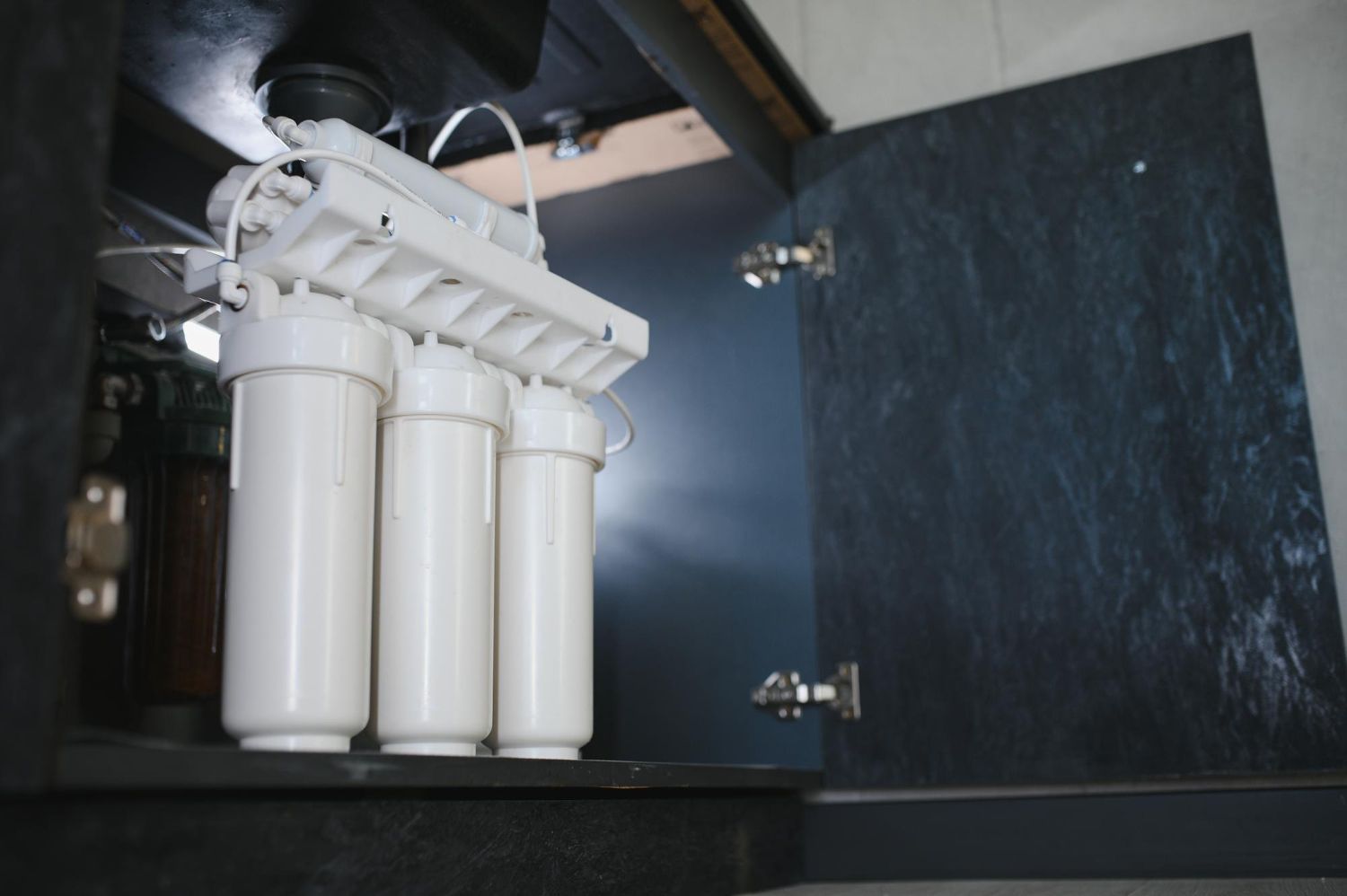
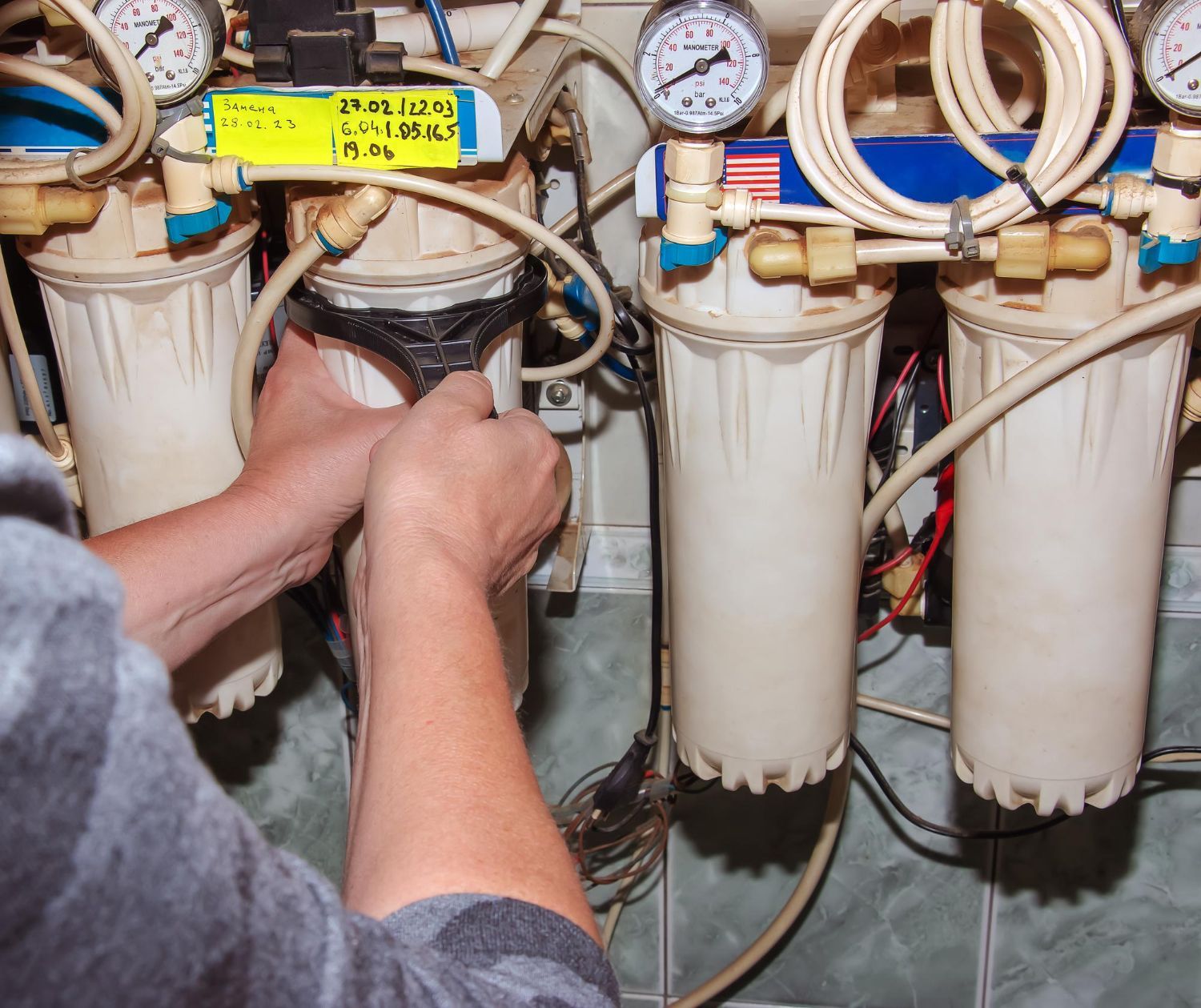
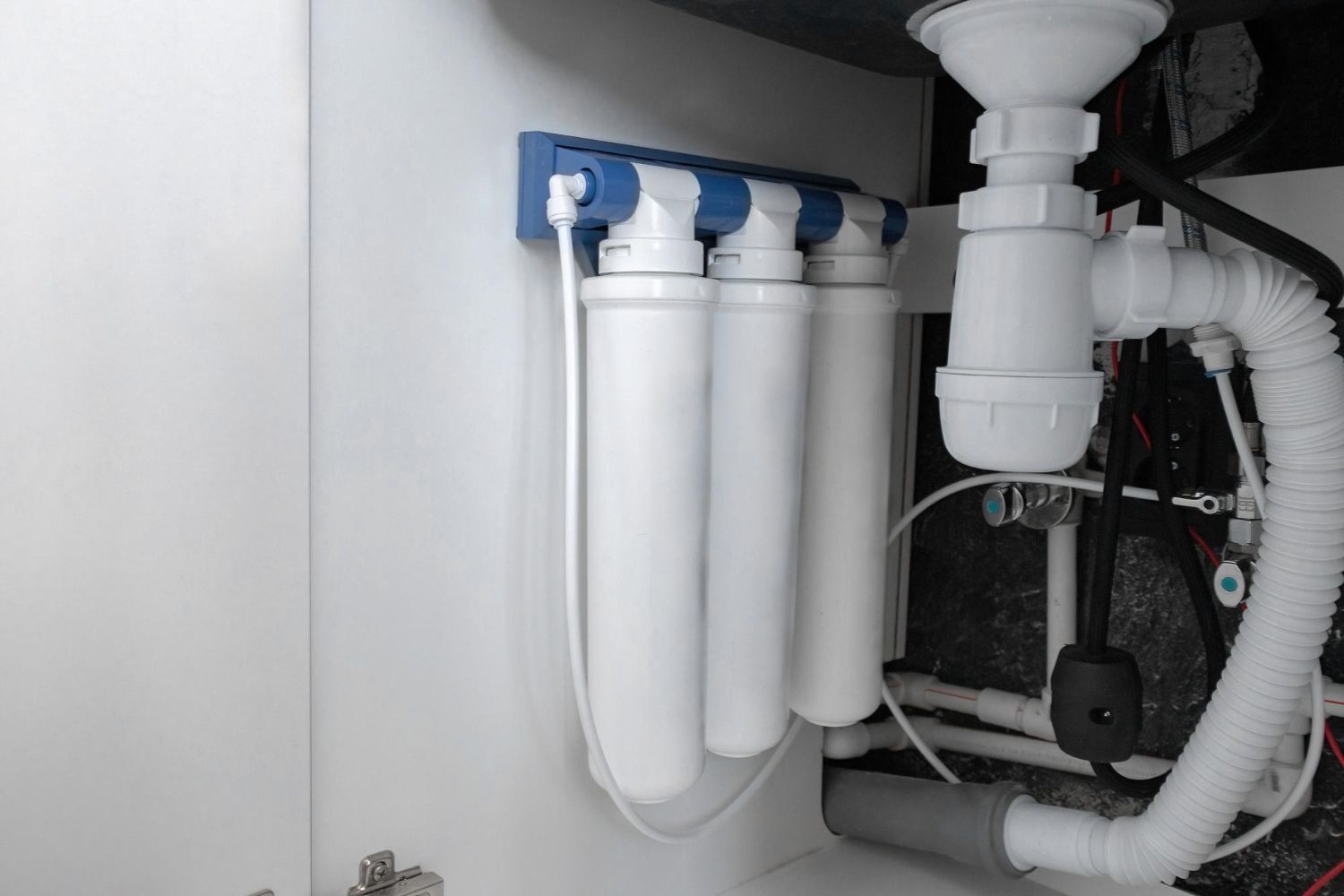
- Point-of-use systems, such as reverse osmosis (RO) units, usually installed at a kitchen sink for drinking and cooking water
Filtration is usually the better answer when:
- Your main complaint is bad taste or smell
- You want clearer, better-tasting water for coffee, tea, and cooking
- You want more peace of mind about certain impurities in your tap water
Some filters can help reduce certain particles or chemicals, but most standard units do not significantly reduce hardness. If your water leaves heavy spots and scale, a filter by itself will only help a little with appearance, not with actual mineral buildup.
Seasonal use also plays a role. For many mountain and vacation homes, guests expect clean, fresh drinking water from the tap. During busy late summer and fall weekends, offering great-tasting water can make a home feel welcoming and well cared for.
Choosing the Right Hard Water Treatment Solutions
So which setup is right for your Utah home? It helps to think in terms of common situations:
- Softener only: Best if your main problems are scale, white spots, and hard water damage to fixtures and appliances, and the water tastes acceptable.
- Filtration only: A good fit if hardness is mild but you strongly dislike the taste or smell, or want to focus on drinking and cooking water.
- Softener plus filtration or RO: Often the top choice in very hard water areas when you want both long-term protection for your home and cleaner, better-tasting drinking water.
Several key factors guide that choice:
- Water test results, including hardness, chlorine, and any noted impurities
- Household size and number of bathrooms
- Plumbing layout and how water flows through the home
- Whether the property is lived in full time, part time, or used as a rental
The most effective hard water treatment solutions in Summit and Wasatch Counties are rarely one-size-fits-all systems. They are tailored to the specific home, water source, pressure, and usage patterns, so each part of the system is doing what it does best.
Smart System Design for Park City and Mountain Homes
Mountain homes can be very different from houses on flat land. They often have multiple levels, long pipe runs, accessory units, and special systems like radiant-heated driveways. Water pressure can change from one part of the house to another. All of this affects where and how to place softeners, filters, and RO units.
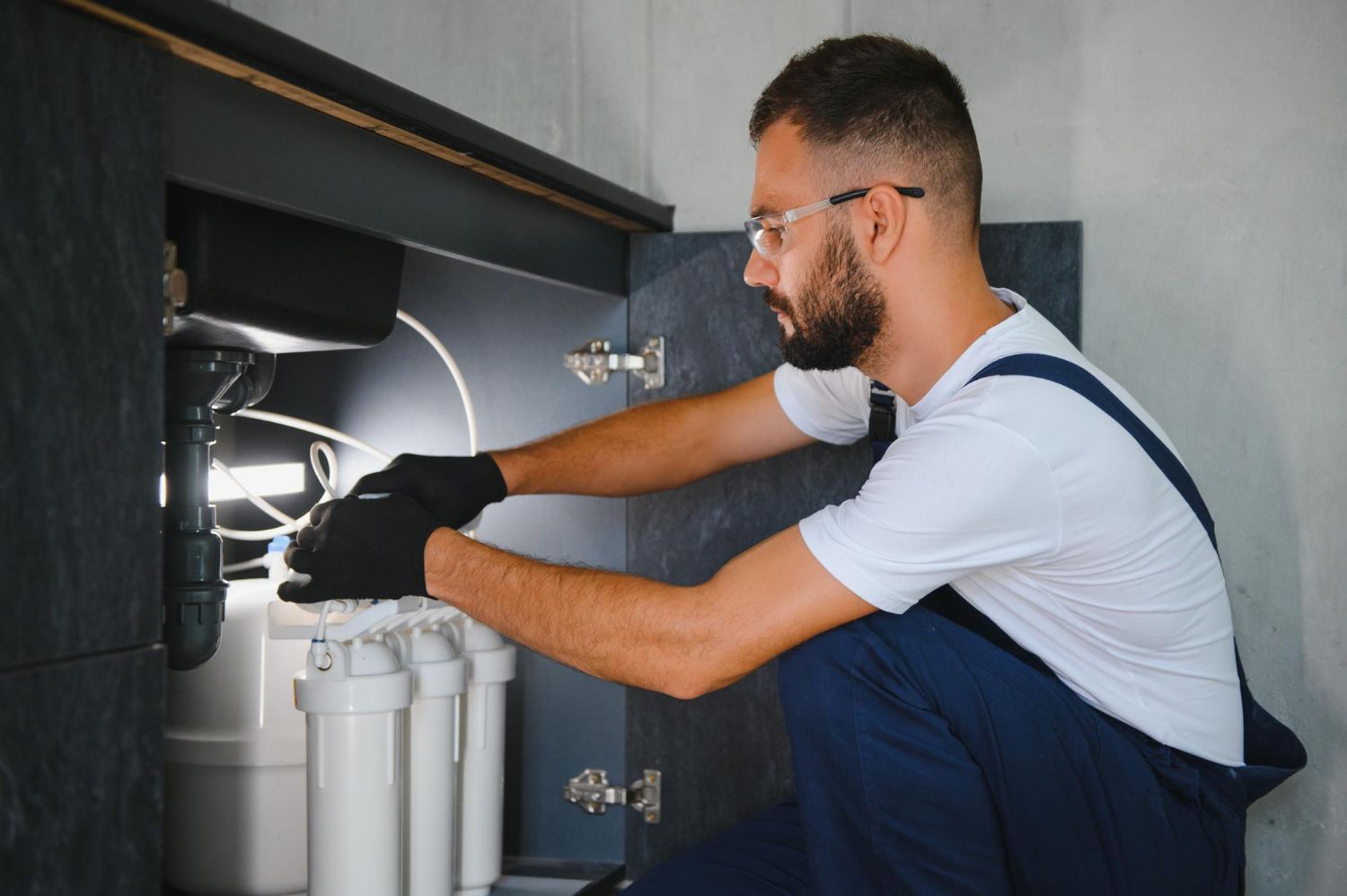
Professional design and installation help make sure that:
- Equipment is properly sized for peak use, including guest stays
- Softeners are placed so they protect water heaters and key fixtures
- Filtration units are installed where they make the most impact
- The system works smoothly with your home’s pressure and plumbing setup
Maintenance is just as important over time. It is smart to plan for:
- Regular salt or potassium refills for softeners
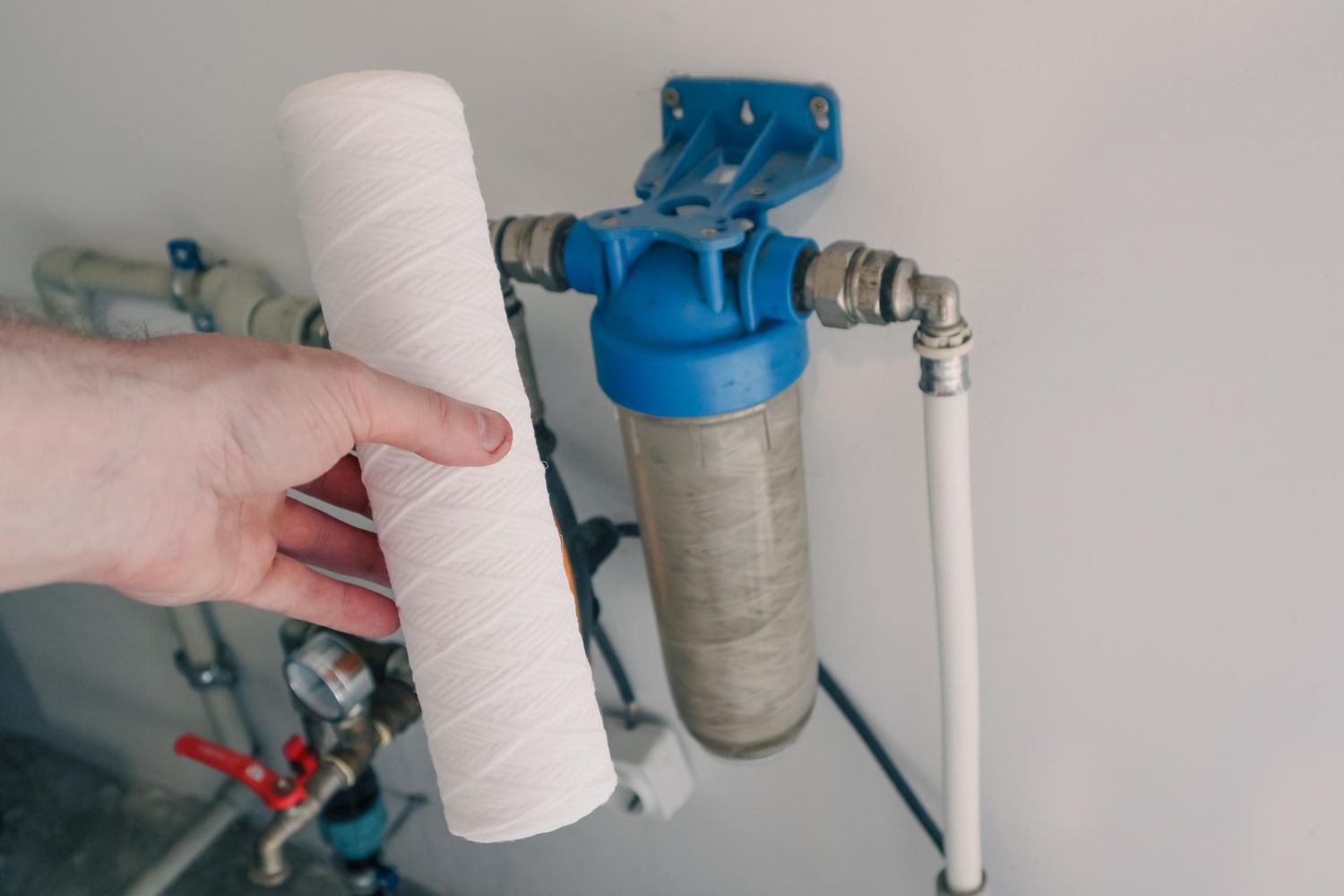
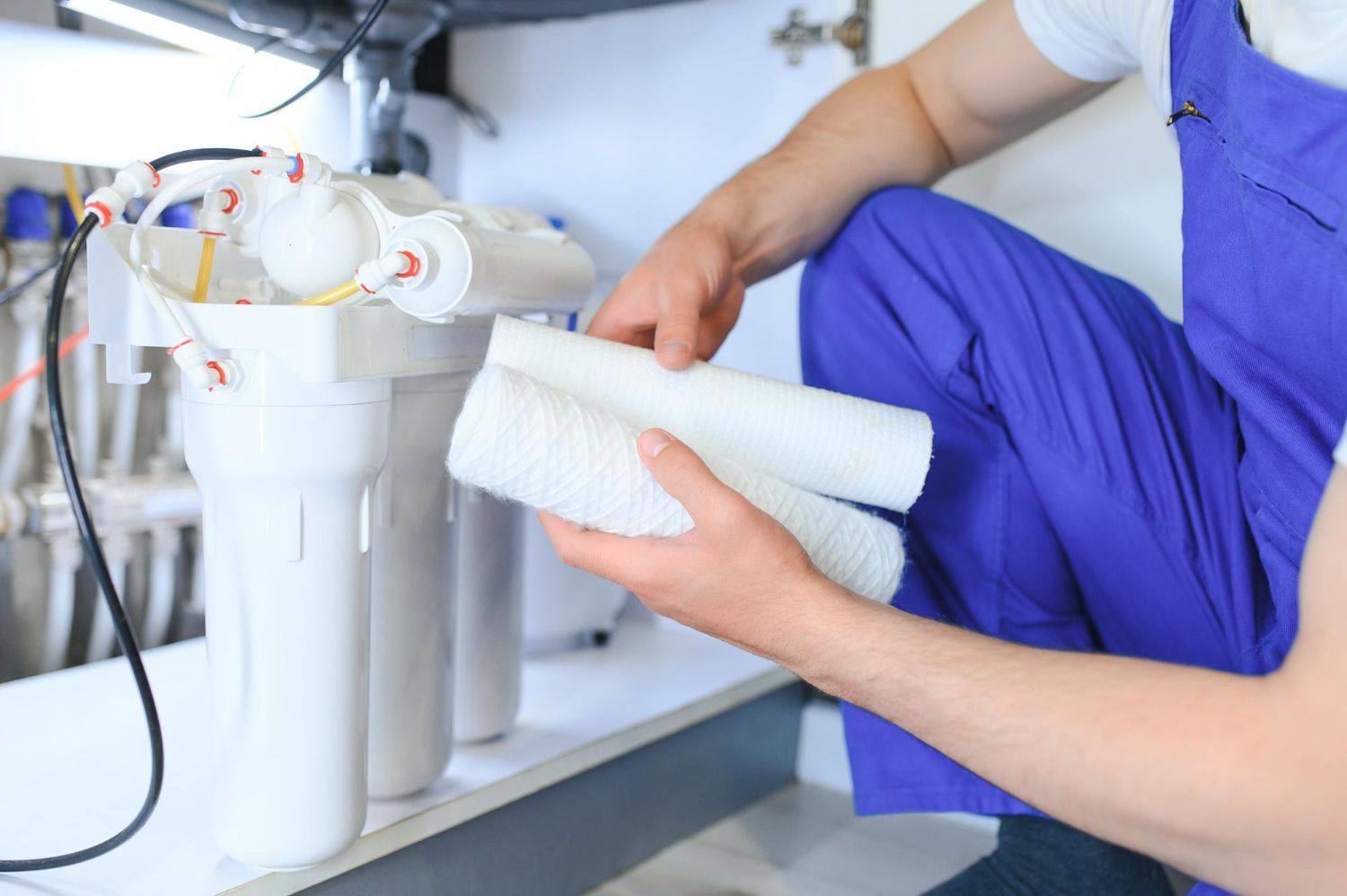
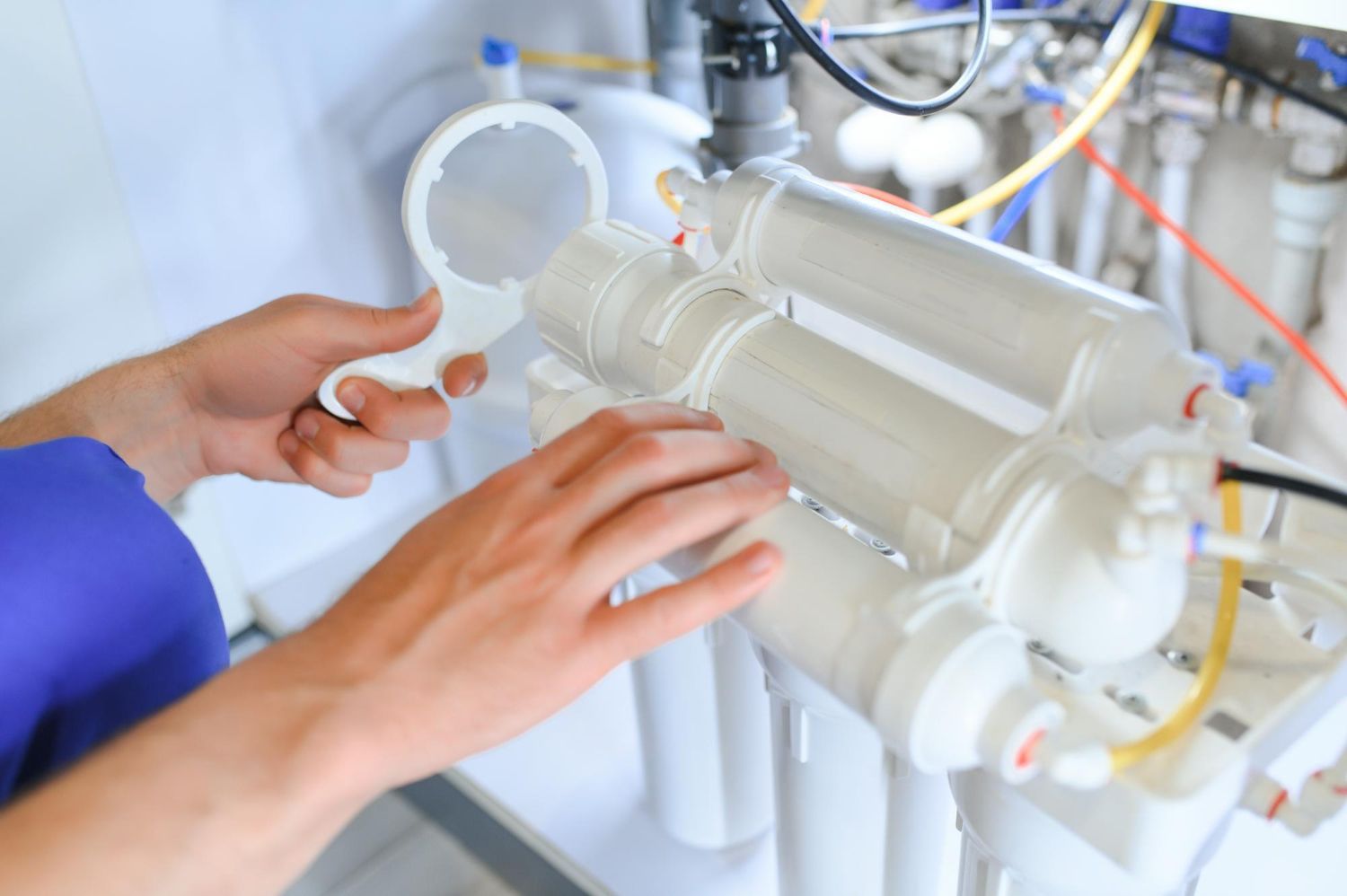
- Filter and RO membrane changes on a set schedule
- System checks before busy ski or holiday seasons
- Protection for equipment in mechanical rooms or garages during cold snaps
When everything is planned as a whole system, your home is better protected, your water feels better, and daily tasks become easier, season after season.
Ready for Clear, Protected Water Year-Round
The best way to start is with a professional water test. That shows how hard your water is, what else might be in it, and which mix of softening and filtration will match your home and your goals. From there, you can decide if your priority is taste, easier cleaning, longer-lasting appliances, or all of the above.
At Water Science, we design, install, and maintain custom systems for homes in Park City and across Summit and Wasatch Counties. We focus on matching each system to the property so your water is ready for everyday living, visiting guests, and busy ski or summer seasons.
Protect Your Home With Reliable Hard Water Treatment Solutions
If you are tired of scale buildup, cloudy dishes, and reduced appliance efficiency, we are ready to help you fix it for good. Our tailored
hard water treatment solutions are designed to protect your plumbing, improve water quality, and extend the life of your water heater. At Water Science, we evaluate your home’s unique water challenges and recommend the right system for lasting results. Reach out today through our
contact page to schedule your evaluation and start improving your water.