Planning Water Softener Installation for Basement Remodels in Utah
Plan Ahead for Softer Water in Your New Basement
Planning a basement remodel in Utah is exciting. Maybe you are adding a guest suite, a rental, a game room, or a home gym. While you are picking flooring and layouts, it is easy to forget about the water that will run through those new showers, sinks, and laundry hookups. Hard water can quietly undo a lot of that nice work.
Thinking about a water softener during the design stage saves a lot of mess later. When walls are open, it is much easier to reach plumbing lines, route pipes neatly, and set up the right drains and outlets. Waiting until after the remodel is finished can mean opening up new drywall, moving fresh finishes, and dealing with extra delays.
We work with homeowners across Park City and the surrounding Utah mountain communities on both new construction and retrofit projects. Fall and early winter remodels often line up with heavier water use, winter guests, and holiday stays, which is exactly when hard water spots, dry skin, and dingy laundry tend to stand out the most.
Why Basement Remodels Are Ideal for Water Softeners
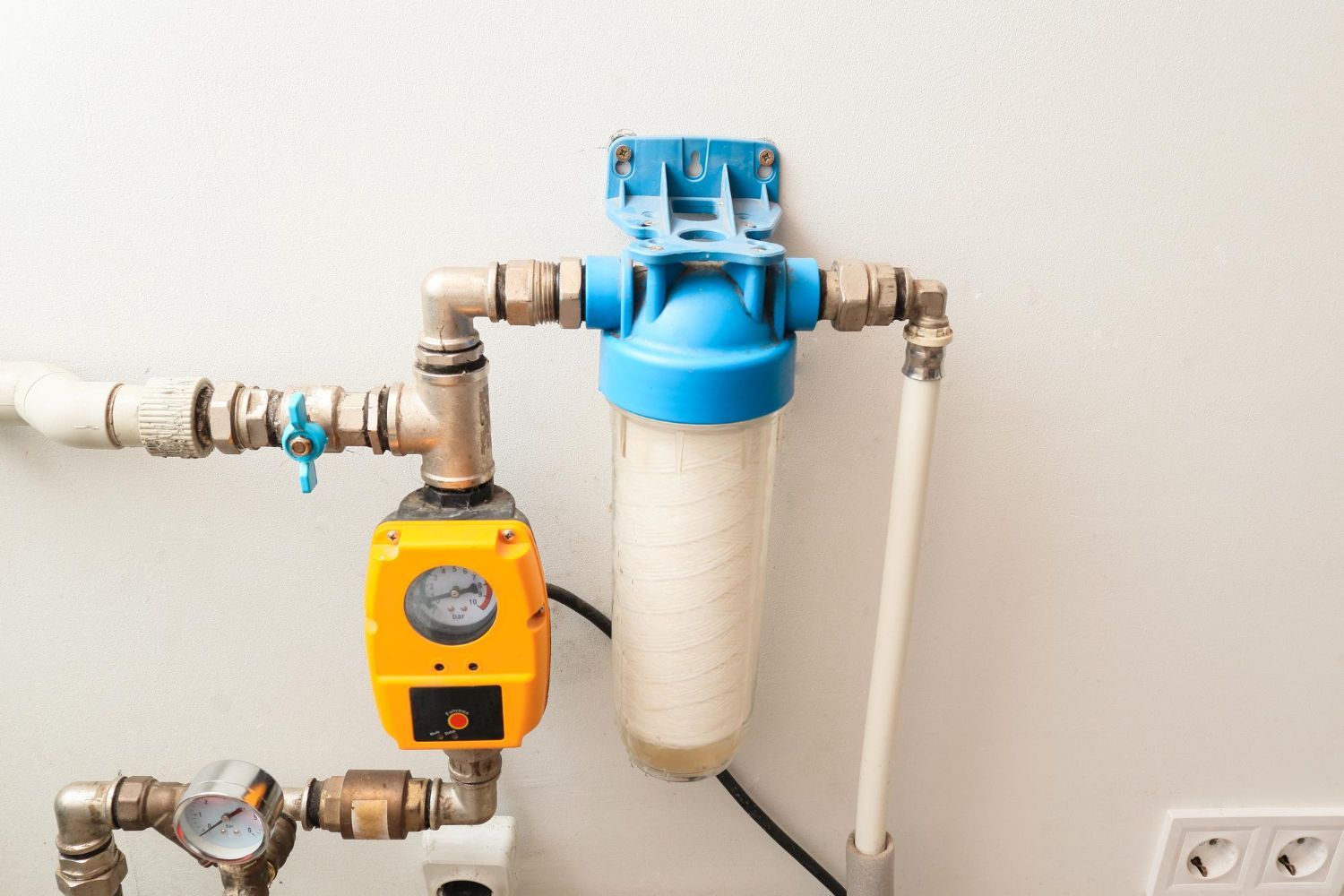
In many Utah homes, the basement is where the main systems live. Water lines, water heaters, and other mechanical equipment often pass through this space, which makes it a natural hub for water treatment.
Basements usually offer:
- Central access to main water lines
- Room for tanks, filters, and future add-ons
- Easier pipe runs to the rest of the home
- A good location to tie into drains and power
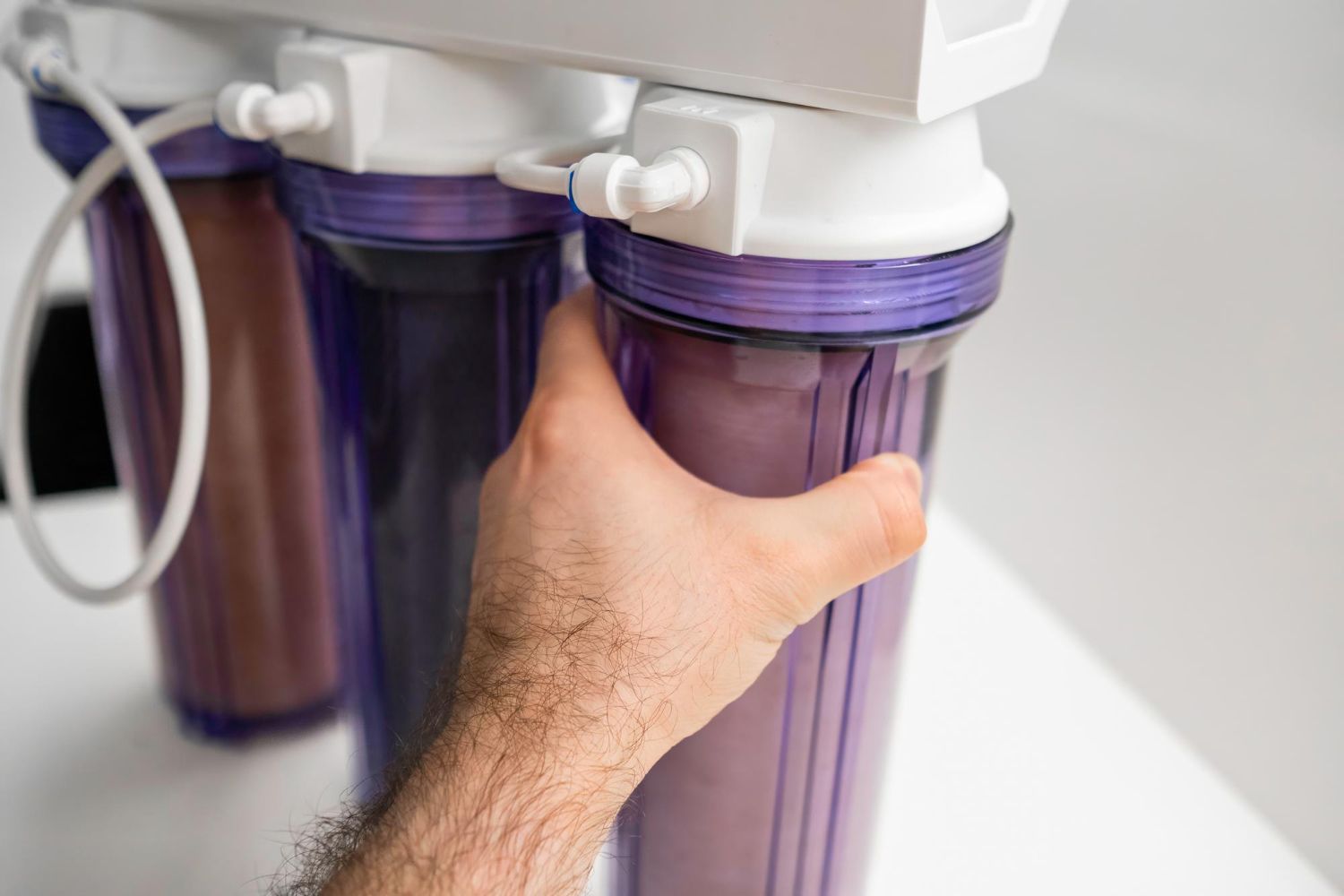
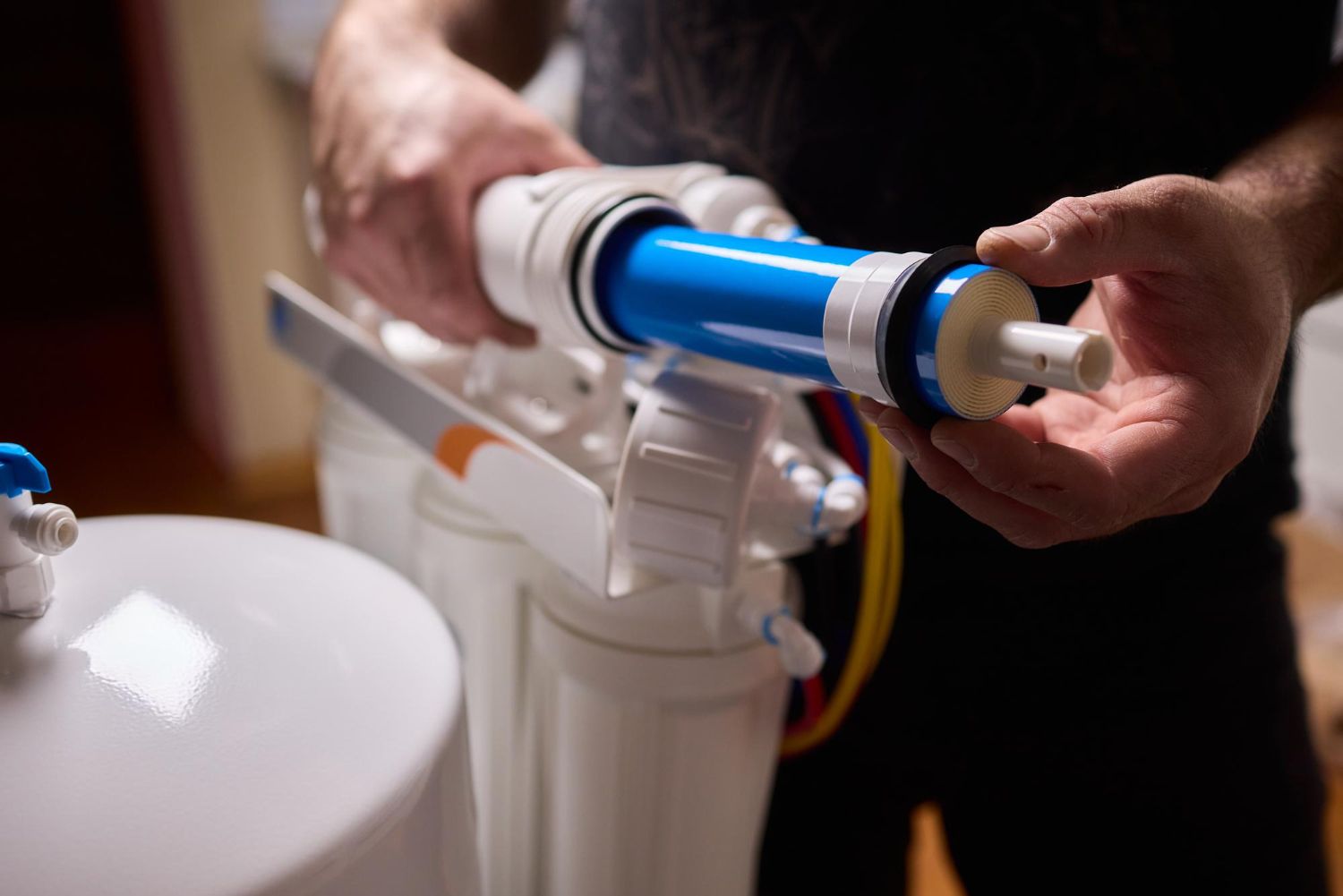
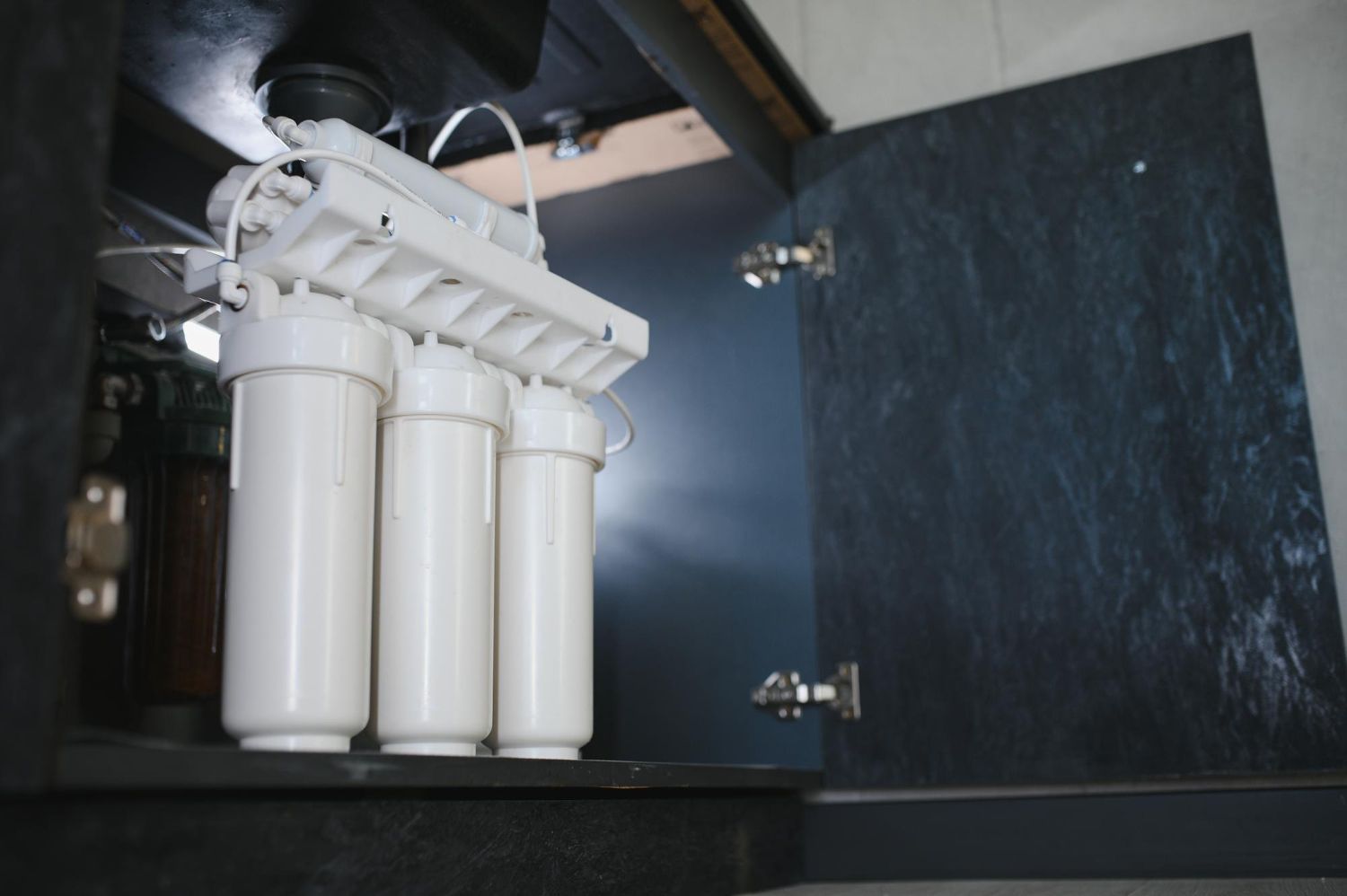
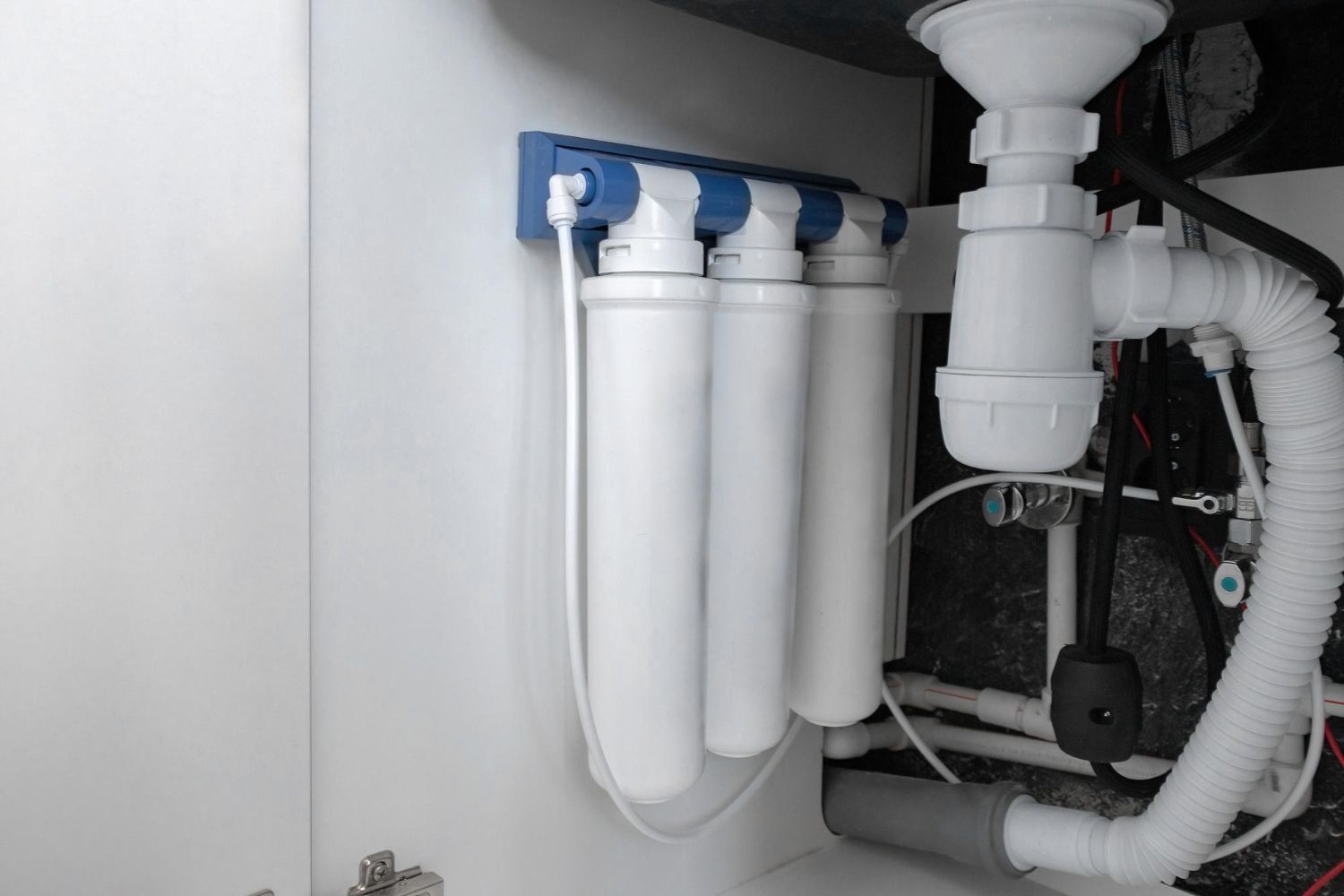
If you are finishing or upgrading your basement, you also gain space benefits. An unfinished or partially finished area often has the ceiling height and floor space needed for a softener, brine tank, and prefilters. You can also plan for future options like a reverse osmosis drinking water system for a basement bar or a whole-home filtration setup.
This planning adds comfort and resale value. Softer water can give basement bathrooms a better shower experience and help towels and bedding feel nicer for guests or renters. A wet bar or kitchenette with consistent water quality is easier to keep clean. A tidy mechanical room with organized water treatment equipment also looks more professional to future buyers.
Evaluating Your Home’s Plumbing Before Walls Go Up
Once framing, drywall, and flooring are in, changes get harder. A plumbing review before those steps is one of the smartest moves you can make, especially in older homes or homes with past DIY projects.
During a pre-remodel review, a water treatment technician typically looks at:
- Where the main water line enters the home
- Current shutoff valves and their condition
- Your water heater location and type
- Nearby drain options for the softener
- Access to safe electrical outlets
You will also make some layout choices. For example, do you want:
- Whole-home softening
- Only hot water softened
- Some lines, such as kitchen cold or outdoor hose bibs, left unsoftened
These decisions affect how the plumber will route the pipes. Doing it right during the remodel is the cleanest option. Adding clear bypass valves, isolation valves, and labeled lines now makes future service visits faster and reduces the chance of confusion or water shutoffs later.
Smart Placement and Sizing for Utah’s Hard Water
Utah water is naturally hard, and usage often changes with the season. In winter, homes in ski areas can have extra guests using showers, tubs, dishwashers, and laundry. In summer, some homes may be used more often for extended stays. All of this affects how you size and place your softener.
For a basement installation, good placement usually includes:
- Close to the main water line entry
- Near a floor drain or approved drain connection
- Enough room to bring in salt bags and store them
- Protection from cold drafts, especially near external walls
- Some distance from bedrooms and quiet areas to reduce noise concerns
Sizing the softener correctly is just as important as where it goes. A system that is too small can regenerate too often and struggle to keep up. One that is far too big may not run as efficiently as it should. A professional will look at household size, number of bathrooms and fixtures, local water hardness, and possible future renovations to suggest a good fit.
Local knowledge matters here. Water conditions around Summit County, Wasatch County, and Utah County can vary from neighborhood to neighborhood. A provider that works in these areas on a regular basis can recommend systems that balance performance and efficiency for typical Utah use patterns.
Coordinating with Your Remodel Team for a Clean Finish
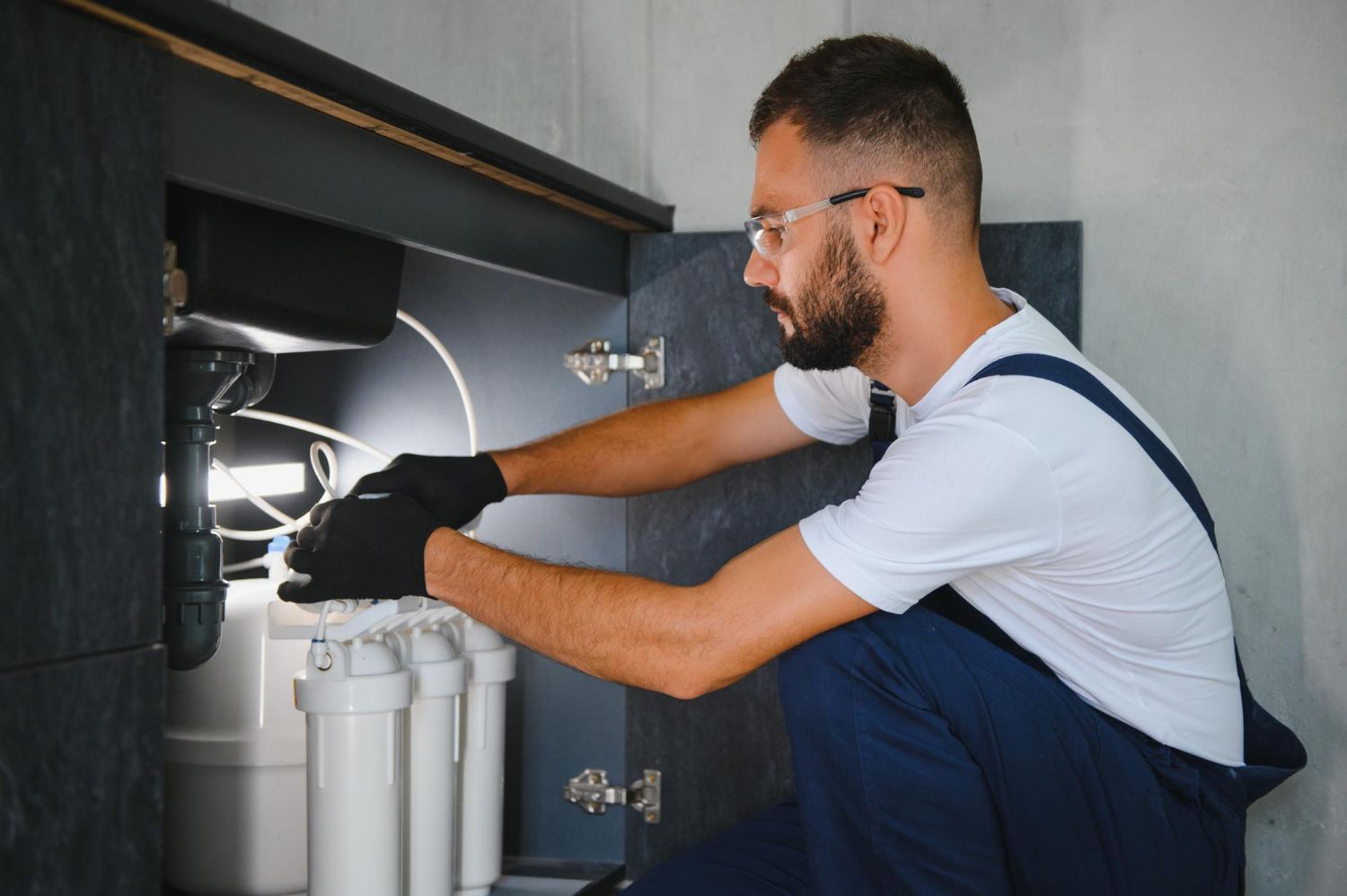
Your basement will look and work better if your general contractor, plumber, electrician, and water treatment specialist are on the same page from the beginning. When everyone knows the plan, you avoid awkward pipe runs across finished walls or last-minute changes to mechanical rooms.
A typical sequence often looks like this:
- Rough plumbing for the softener loop and any future filters
- A check-in visit from the water treatment technician
- Electrical and drain setup in the mechanical area
- Drywall, painting, and flooring
- Final water softener installation, setup, and testing
There are simple design tricks that help the finished space feel more polished. You can place equipment in a mechanical closet or small utility alcove, plan for quiet operation away from bedrooms, and leave clear working space around the tanks and valves for service. Straight, planned pipe runs and labeled lines help the room look intentional, not patched together.
Local code and permitting also matter. Requirements around cross-connection control and backflow prevention can vary. Working with professionals who understand Utah regulations helps you stay compliant and keeps your drinking water protected.
Comparing Options for Water Softener Installation in Utah County
When it comes to water softener installation in Utah County and nearby areas, some homeowners consider a DIY approach. On paper it can look simple, but there is a lot to think about, from pipe sizing and drain capacity to backflow protection and settings for hard local water.
If you are choosing a provider, it helps to look for:
- Experience with both new builds and remodels
- Local references in your county or nearby areas
- Knowledge of city water and private well setups
- Support for follow-up service and salt delivery
A full-service company can also design a complete plan for your basement. That might include a standard softener, whole-home filtration, and under-sink purification for a bar sink or guest kitchenette. When these pieces are designed together, they share space, drains, and power more cleanly.
Long term ownership is part of the plan too. A good installer will explain:
- How often the system should be checked
- What to expect for salt usage
- How regeneration works and what the sounds mean
- Simple signs that it is time for service
Planning these details early helps your new basement stay comfortable, clean, and ready for guests without added stress later.
Get Softer, Cleaner Water Flowing Into Your Home
If you are ready to improve your water quality and protect your plumbing, we can help you get started with expert water softener installation in Utah County tailored to your home. At Water Science, we take the time to assess your water needs so your system is sized and installed correctly the first time. Reach out today through our contact page, and we will schedule a convenient time to review options and provide a clear, upfront quote.