What Utah County Water Treatment Means for Well Owners
Why Utah County Well Owners Need Smarter Water Treatment
Owning a private well in Utah County gives your home independence, but it also puts a lot on your shoulders. When the water starts leaving orange stains in sinks, tastes a little metallic, or your water heater seems to struggle more as the months pass, that is your well trying to tell you something.
City water is tested and treated before it reaches the tap. Private wells are different. No one is checking that water for you. The safety, taste, and long-term quality of your water depend on what you do, not on what the city does.
For well owners, Utah County water treatment means more than just a simple filter. It usually includes testing, softening, filtration, disinfection, and regular checkups that match the groundwater in your area. We will walk through the main well water risks in Utah County, how they can shift with the seasons, which treatment options actually work here, and how a custom plan keeps your home and family protected for years.
What Makes Utah County Well Water Unique
Utah County and nearby Summit, and Wasatch counties sit on mineral-rich ground. The aquifers that feed your well often pass through rock and soil packed with calcium, magnesium, and other natural minerals. That is why many wells here have very hard water.
Along with hardness, some wells in the area can pick up:
- Iron that leaves orange or rusty stains
- Manganese that causes dark or black staining
- Sulfur compounds that create a rotten egg smell
- Other naturally occurring elements in small amounts
As summer stretches on and water tables drop, those minerals can become more concentrated. Late summer and early fall can feel different at the tap compared to spring, when snowmelt thins things out. Homeowners often notice stronger tastes, more scale, or changes in color that show up on fixtures and in appliances.
Common problems we see with local wells include:
- Scale on shower doors, faucets, and inside pipes
- Cloudy or gritty water from sediment
- Metallic or sulfur odors
- Bacteria concerns after heavy rain or runoff
It is also important to remember that no two wells are exactly alike. You might hear that a neighbor’s water is “fine,” but even a small change in depth, rock layers, or well construction can lead to very different water quality on your property.
Essential Testing Steps for Safe Utah County Well Water
Smart Utah County water treatment starts with good testing, not guesswork. This is especially helpful when late summer hits, sprinklers run hard, and aquifers are under more stress. That is when small issues can become big problems.
Key tests for private wells in this area usually include:
- Hardness and total dissolved solids to see how mineral-heavy the water is
- pH to understand if the water may be hard on plumbing
- Iron and manganese to catch staining and metal issues
- Bacteria tests for total coliform and E. coli
- Nitrates, especially if there are animals or farming nearby
- Arsenic or radionuclides in some cases, if local geology suggests a risk
DIY test strips or simple kits can be useful as a quick check when something feels off. They can give you a rough idea of hardness or pH. But when we are talking about health and long-term protection, certified lab testing or professional testing is the safer path. That is how you get reliable numbers and a clear plan.
As a general guide, private wells should be tested at least once a year for bacteria and basic chemistry, and more often if:
- The taste, smell, or color of water changes
- Water pressure drops or surges
- There is flooding, heavy runoff, or work done near the well
- A family member has a health condition that makes water quality more sensitive
Treatment Options That Actually Work for Utah County Wells
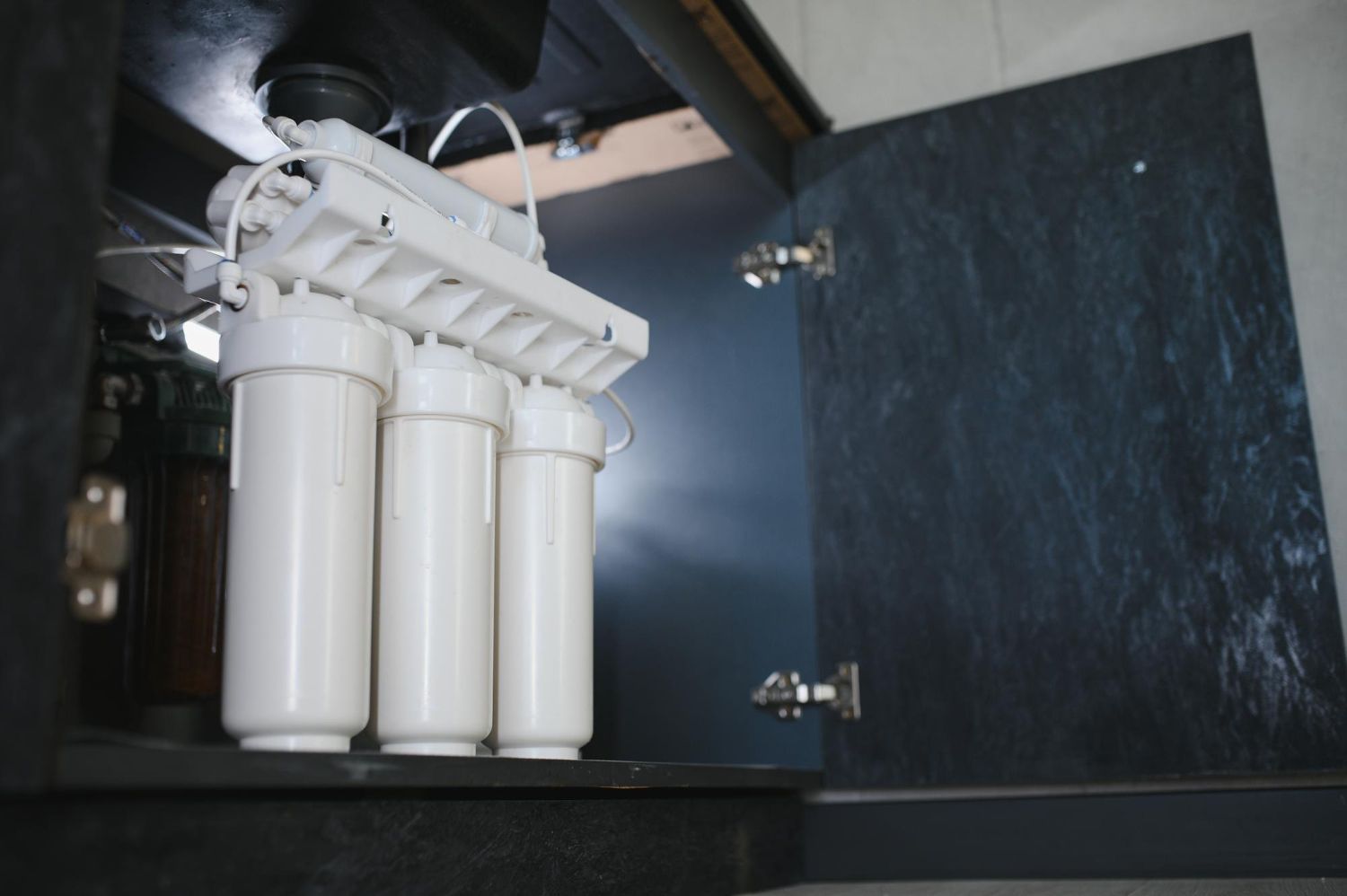
Once we know what is in the water, we can match problems with proven solutions. Utah County wells rarely need just one piece of equipment. They usually do best with a layered system built around actual test results.
Here are some common issues and tools that help:
- Hardness and scale: Quality water softeners sized for very hard water, set correctly for your household use and plumbing
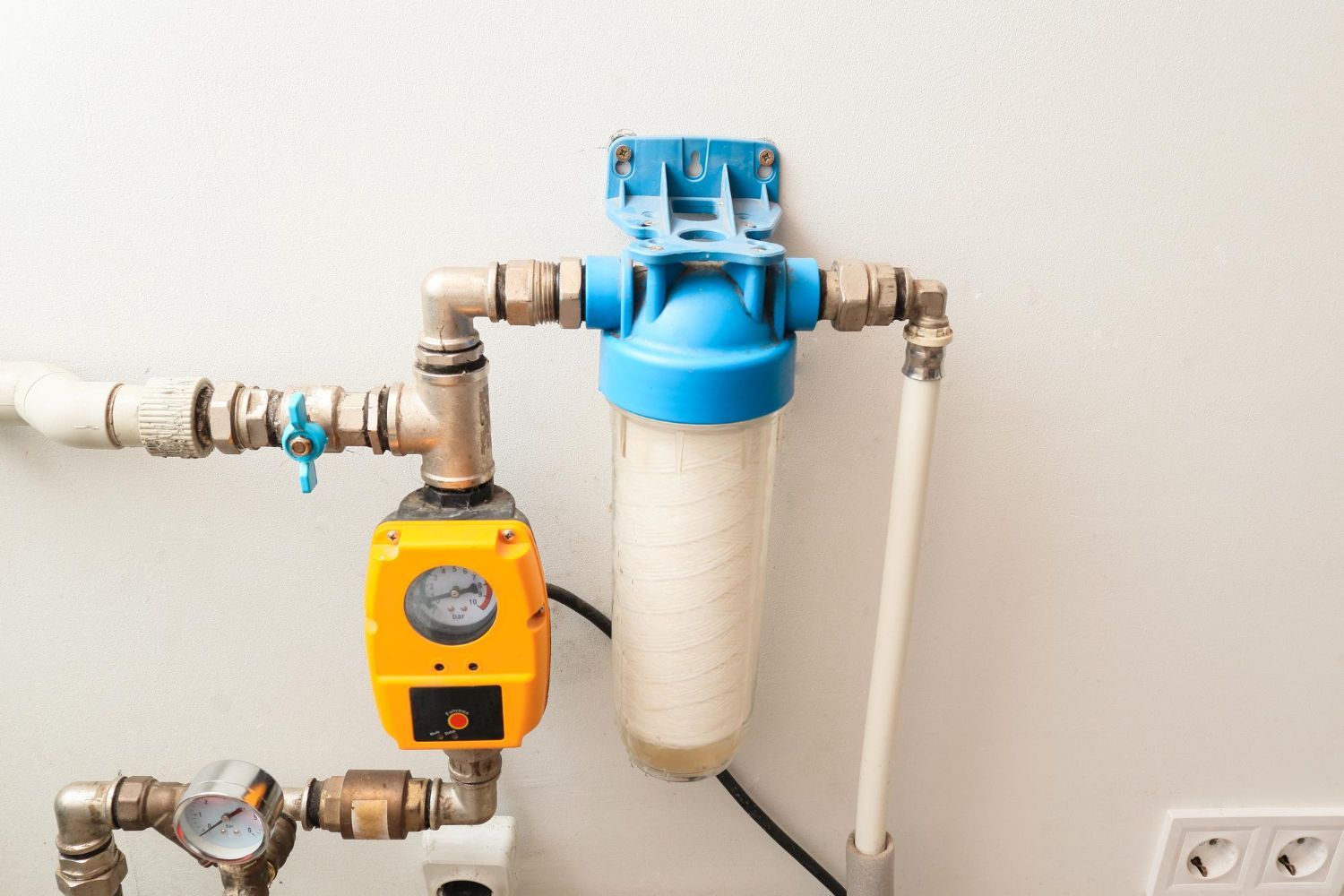
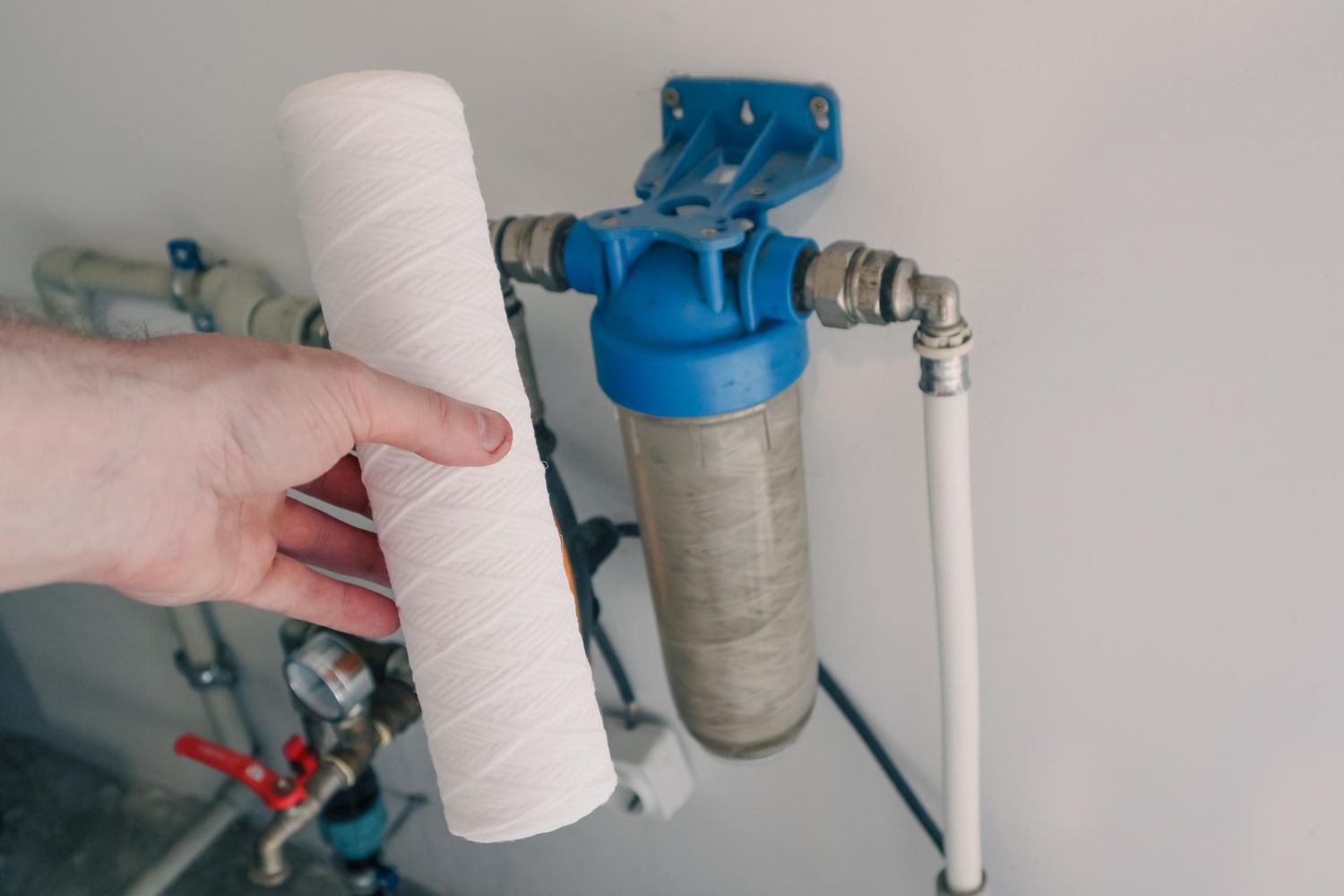
- Sediment and cloudiness: Whole-home sediment filters paired with good wellhead protection to keep dirt and sand out
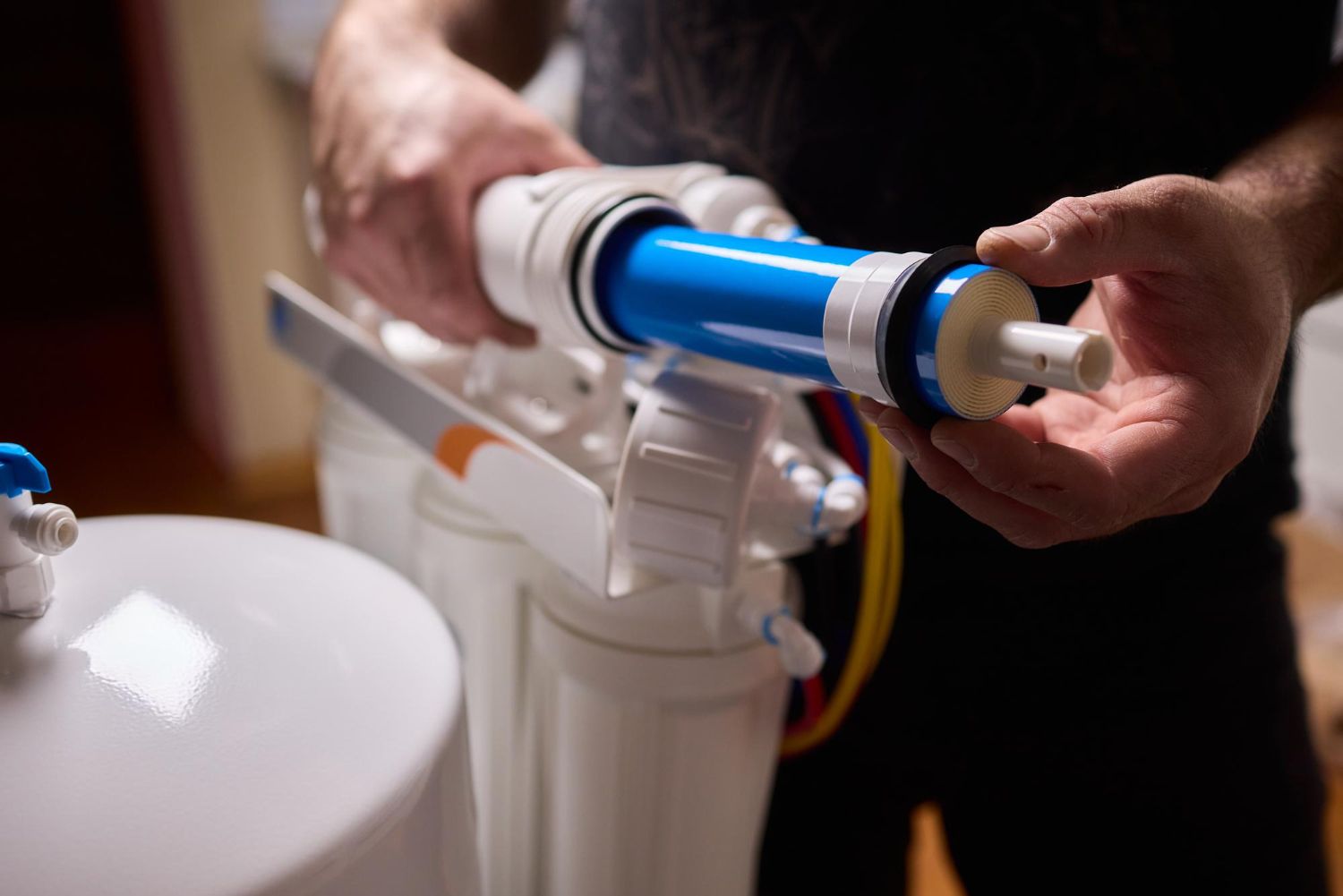
- Odor and taste: Carbon filters, aeration, or specialty media, chosen based on whether the smell comes from sulfur, metals, or organic matter
- Bacteria concerns: UV purification systems, continuous chlorination setups, and sometimes shock chlorination for the well itself
Many off-the-shelf systems from big-box stores struggle with Utah County well water. They may be undersized, filled with the wrong media for local conditions, or installed without real planning for your plumbing, flow rate, or seasonal changes. That often leads to poor performance, constant tinkering, or early failure.
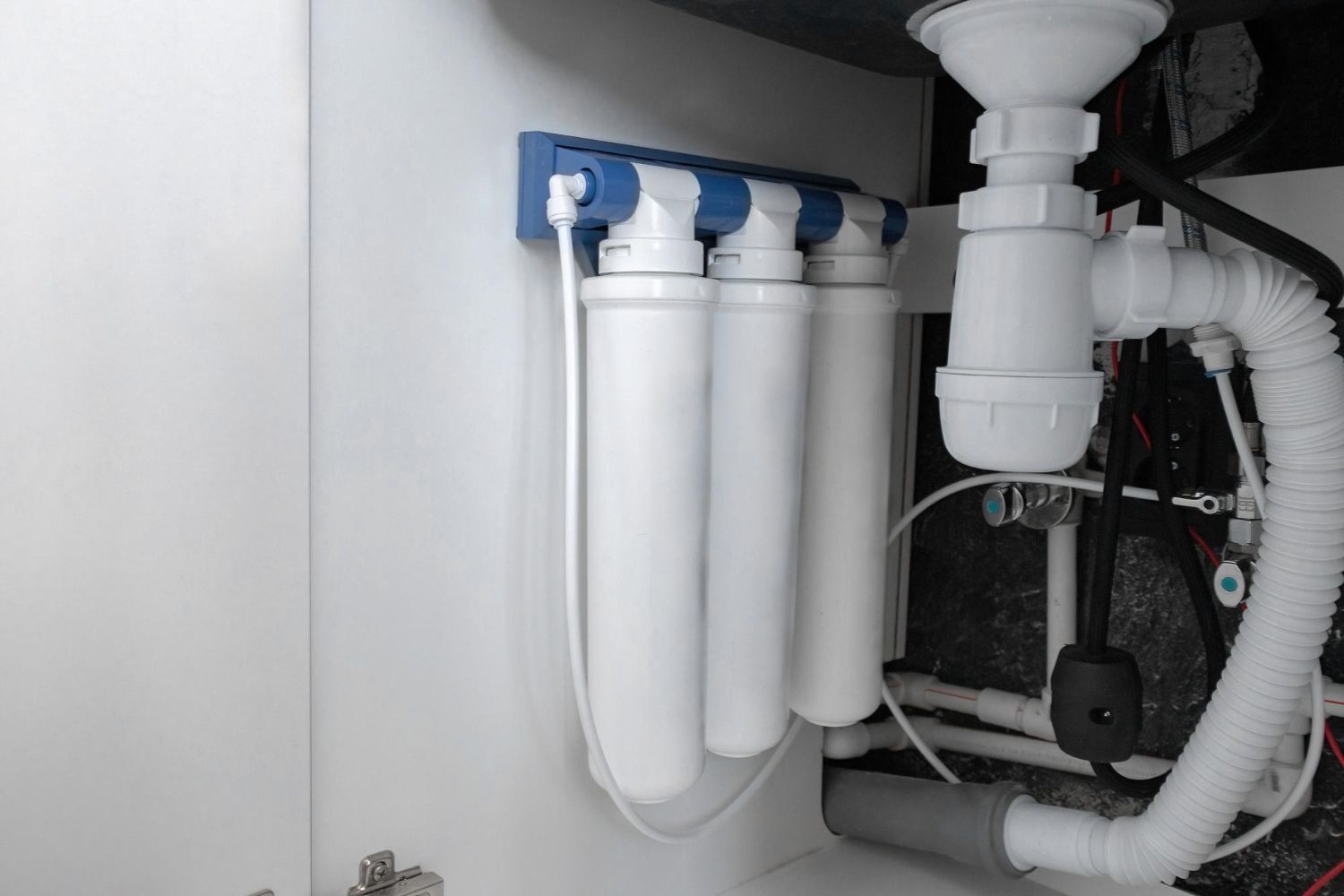
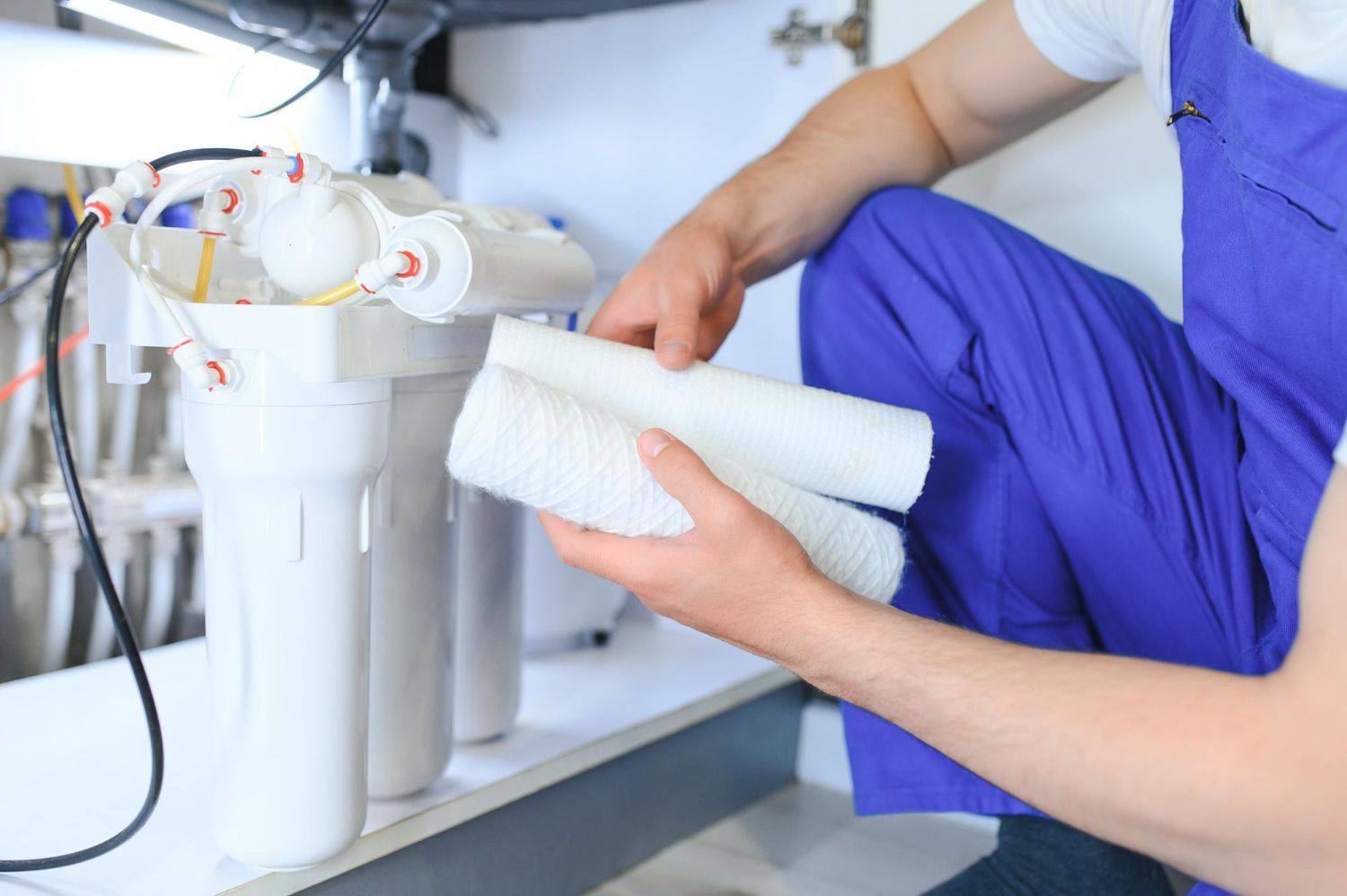
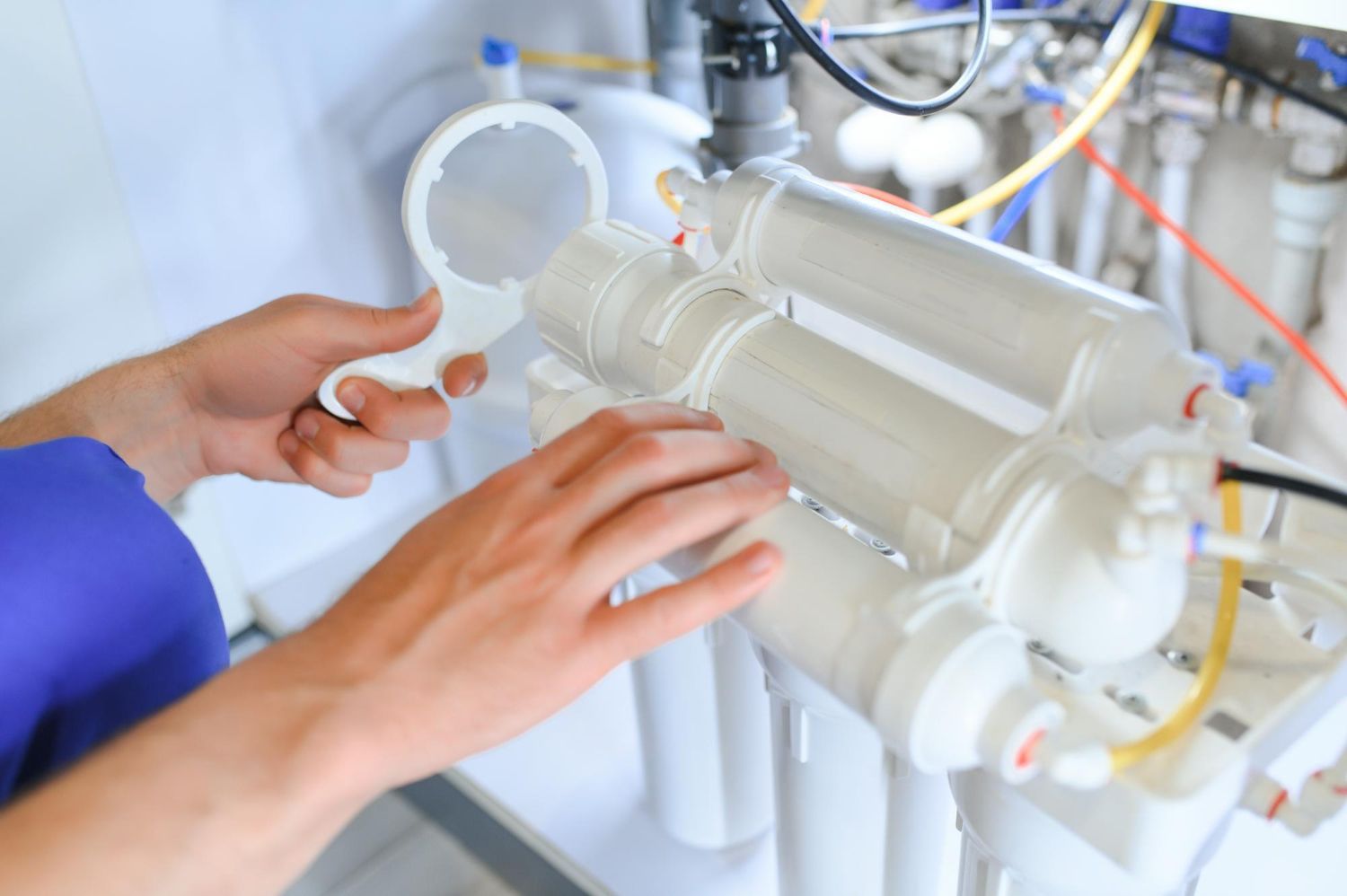
At Water Science, we design custom systems that layer softening, filtration, and purification. We look at:
- Detailed test results
- The layout and age of your plumbing
- How many people live in the home and typical water use
- Any special needs, like radiant floor heating or sensitive fixtures
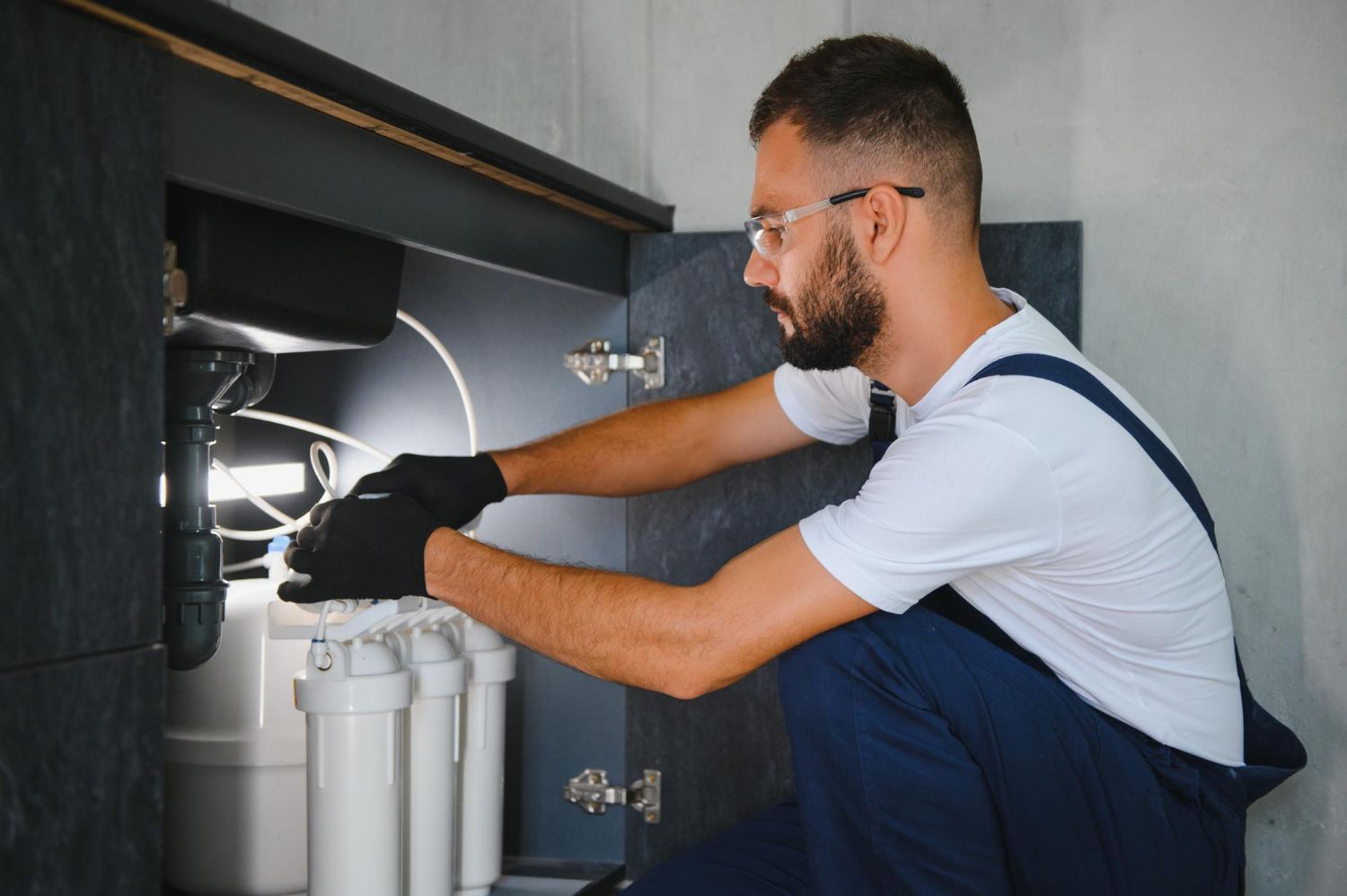
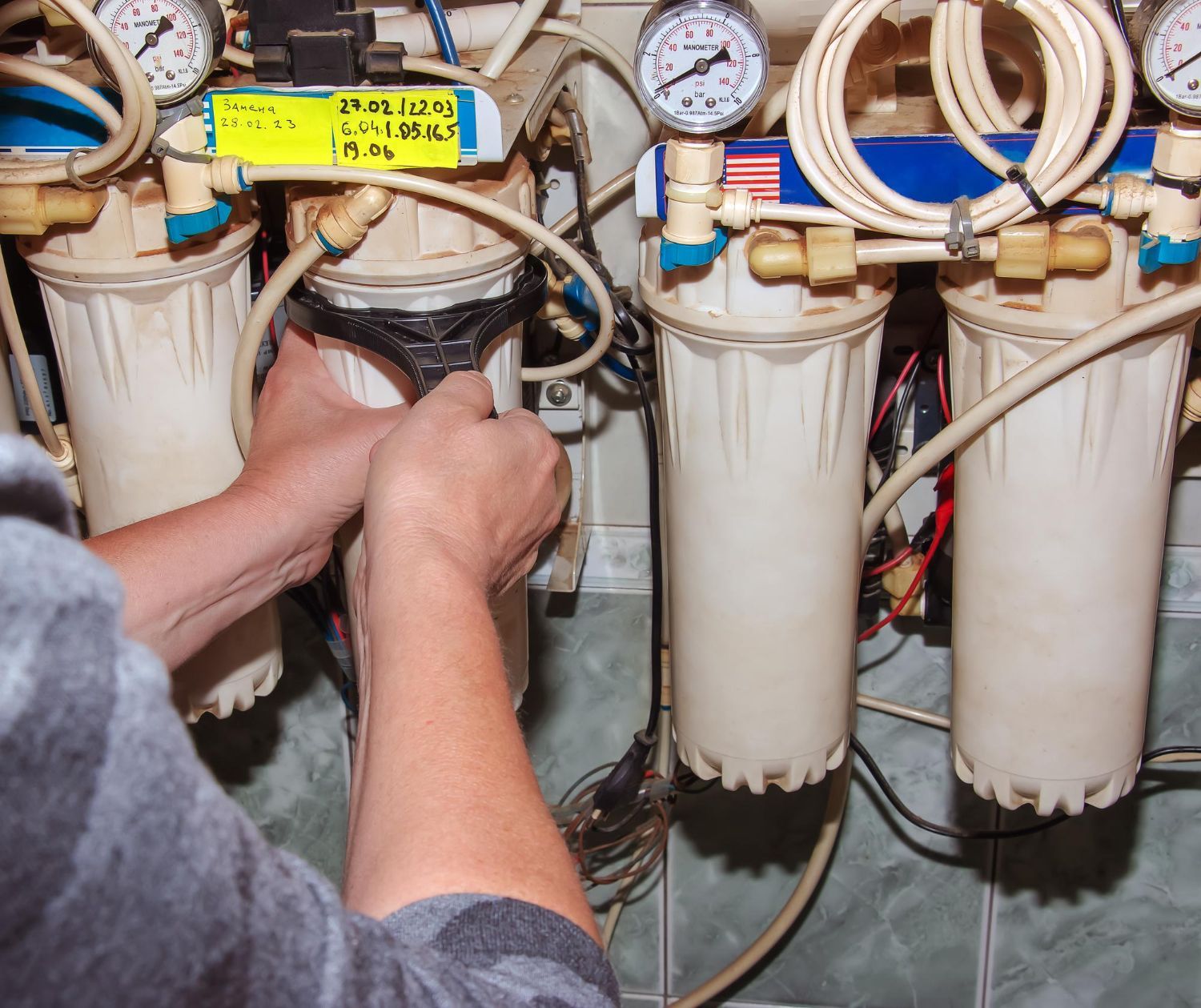
We also plan for maintenance from the start, like filter changes, salt management for softeners, and media replacement over time. Getting things checked and tuned before heavier winter use helps keep everything ready when you depend on your well the most.
Protecting Your Home, Plumbing, and Appliances Long Term
Untreated hard and mineral-rich water does not just leave spots on faucets. It slowly coats the inside of your water heater, clogs pipes, and wears out seals and valves in dishwashers, washing machines, and other appliances.
When scale builds up:
- Water heaters work harder and less efficiently
- Heating elements can burn out faster
- Flow is reduced in small lines, like those feeding ice makers or coffee machines
Over time, that can mean more repairs, shorter equipment life, and higher energy use. Investing in the right Utah County water treatment is really a way of protecting the rest of the systems in your home.
The benefits reach every part of daily life:
- Soap and shampoo work better, so you use less
- Dishes and glasses come out clearer and cleaner
- Laundry feels softer, with fewer mineral deposits in fabrics
- Fixtures and shower doors stay cleaner with less scrubbing
From a comfort and health angle, better water taste and odor often encourage everyone in the home to drink more water. Showers feel nicer on skin and hair. Most of all, you gain peace of mind knowing that bacteria and other risks are being handled by a system built for your well, not for some generic average.
Your Next Steps to Safer, Softer Well Water This Fall
Late summer and early fall are a smart time for well owners to pay attention. Water tables are lower, usage has been high, and winter is just around the corner. It is the perfect moment to check your well water, tune existing systems, or plan upgrades so you are ready for the colder months.
A simple plan looks like this:
- Get a professional water test and well check
- Review the results with a local Utah County water treatment expert
- Choose a custom system sized for your specific well, plumbing, and household
- Set up a clear maintenance schedule so filters, salt, and media never get forgotten
At Water Science, we work with homeowners in Utah County, Summit County, and Wasatch County who rely on private wells. Our focus is tailored system design, professional installation, and ongoing care that match the unique groundwater in this part of Utah.
Get Started With Your Project Today
If you are ready to improve your home’s water quality and efficiency, our team at Water Science is here to help. Learn how our Utah County water treatment solutions and professional installations can make your water safer and more reliable. We will walk you through your options, answer your questions, and recommend the right system for your needs. Reach out today through our contact page to schedule a consultation.