Winterizing Reverse Osmosis Systems in Park City Homes
Protect Your RO System Before Park City’s First Freeze
Cold nights come fast in Park City. One warm afternoon can turn into a hard freeze by morning, and that quick drop puts reverse osmosis systems at real risk, especially when they sit in garages, mechanical rooms, or under sinks on outside walls. When water inside your RO system freezes, it expands and can break parts you cannot even see.
The good news is that a few simple winter steps can help avoid cracked filters, burst lines, and messy leaks. Homes in Park City, Summit County, and Wasatch County often have unique layouts, with equipment tucked into cold corners or in vacation homes that sit empty for long stretches. We want to walk through how cold affects RO systems, which setups are most at risk, what winterizing can look like, and when bringing in a local water treatment pro makes sense.
How Cold Weather Threatens Reverse Osmosis Systems
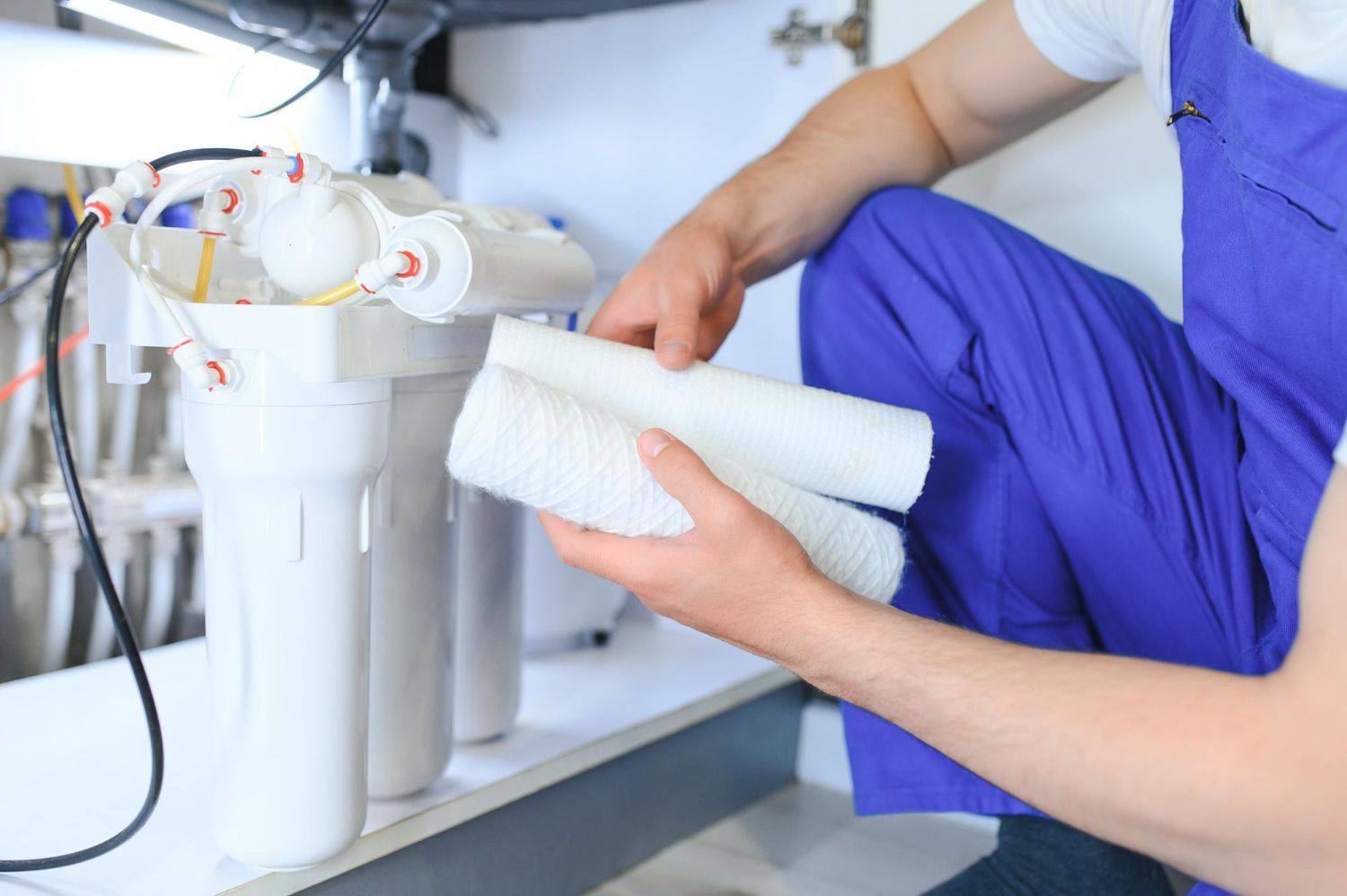
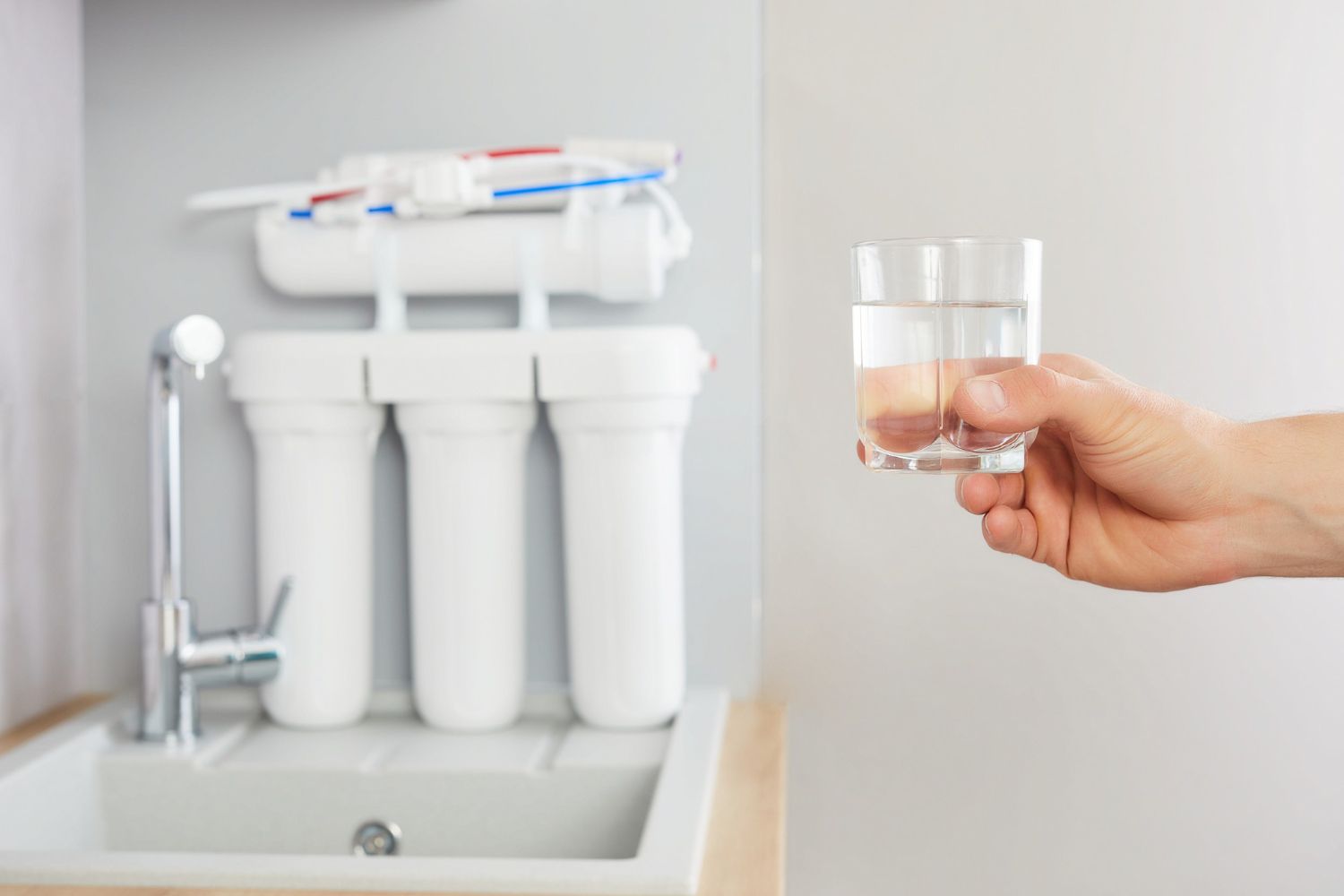
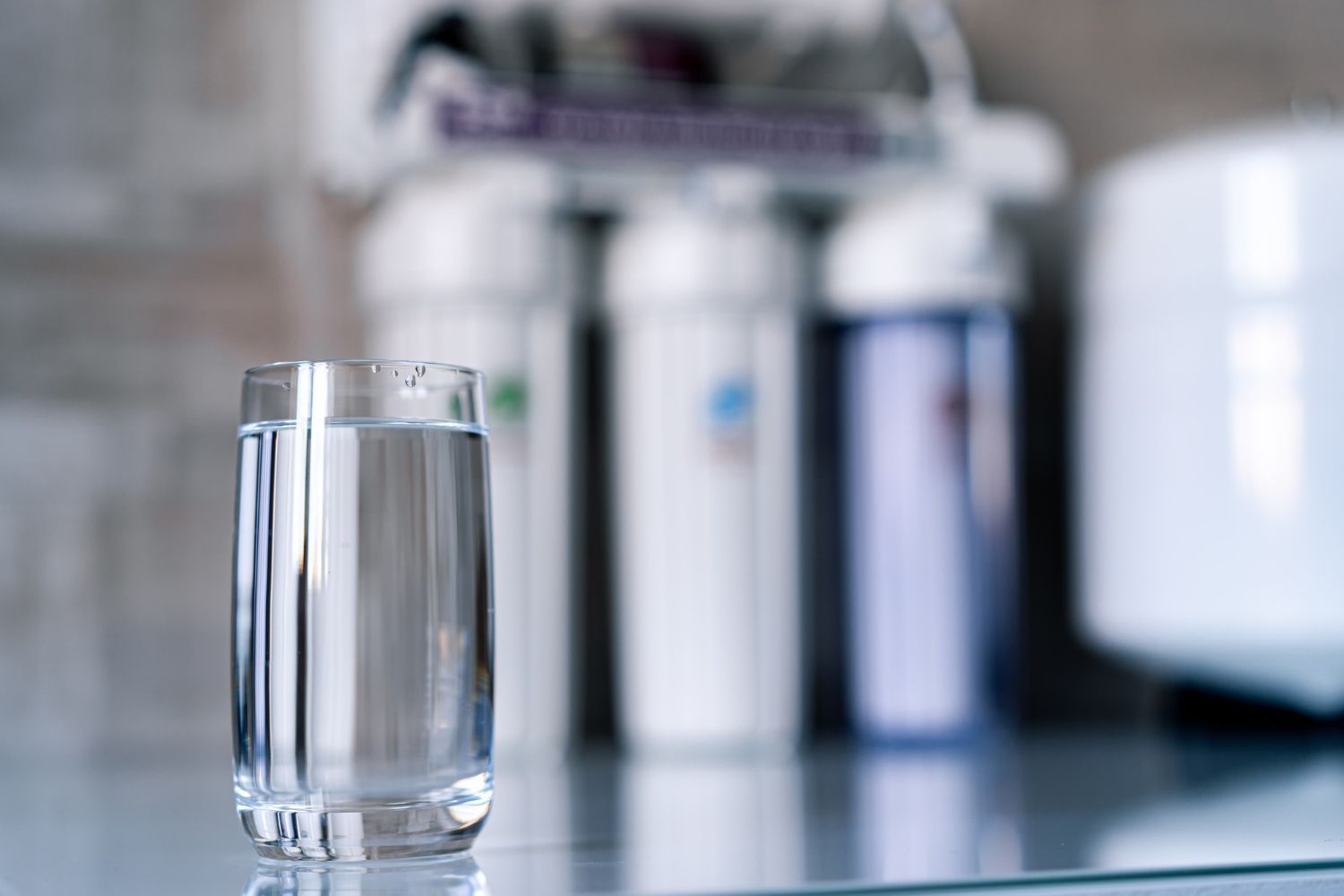
A reverse osmosis system is always full of water. Even when you are not using the faucet, water sits inside the pre-filters, the RO membrane housing, the storage tank, and the thin plastic tubing that connects it all. These parts are not built to handle frozen water.
Most residential RO systems include:
- Pre-filters to catch sediment and chlorine
- An RO membrane that does the fine purification work
- Plastic housings that hold filters and the membrane
- A pressurized storage tank that keeps water ready to use
- Thin tubing and fittings that move water in and out
When temperatures drop below freezing around any of these parts, the water inside can turn to ice. As it expands, it can:
- Crack plastic housings or fittings
- Split tubing along its length
- Damage the lining of the storage tank
- Create tiny leaks that show up later as moisture or slow drips
In our local mountain climate, nighttime lows can stay below freezing even when days feel mild. Unheated or barely heated spaces, like garages or crawlspaces, can get much colder than the main living areas. For vacation and second homes left alone for weeks at a time, a surprise cold snap can cause damage before anyone knows there is a problem.
Spotting RO Installations at Highest Winter Risk
Not every RO system faces the same level of risk. Where the system sits in your home matters a lot. In Park City and surrounding areas, we often see RO systems installed in places that can get cold fast.
Higher risk locations include:
- Garages or workshops
- Crawlspaces or open mechanical rooms
- Unfinished basements or storage rooms near exterior walls
- Under kitchen sinks on an outside wall or above an unheated garage
When you look at your system, check for red flags like:
- Exposed tubing with no insulation
- Lines running along cold exterior walls
- The storage tank sitting right on bare concrete
- System mounted next to drafty doors or vents
- No clear heat source in the area
How you use the home matters too. A full-time residence that keeps steady heat on is usually safer than a vacation rental or second home where the thermostat may be turned down low or power could be interrupted. If your system was a DIY project or the home recently changed owners, a professional inspection can help you understand your risk before winter sets in.
Step-by-Step Winterizing for Your RO System
Before cold weather hits, it helps to decide what level of winter protection you need. We like to think in two levels: light winterizing for lived-in homes with consistent heat, and full winterization for homes that may be empty or have RO equipment in very cold areas.
Light winterizing, for full-time residents, usually includes:
- Confirming that areas with RO equipment stay above freezing
- Adding simple insulation around exposed lines and behind the cabinet if the faucet is on an outside wall
- Placing the storage tank on a piece of wood or insulation instead of bare concrete
- Having worn filters, O-rings, and fittings checked and replaced before cold weather, to lower the chance of leaks
Full winterization is better for seasonal homes or very vulnerable setups. A professional may:
- Shut off the feed water to the RO and close the tank valve
- Drain the storage tank and run the RO faucet to relieve pressure
- Remove and drain filter housings and the RO membrane if the space may freeze
- Store those components in a heated indoor area
- Label and document everything that gets disconnected so spring start-up is simple
It is important to follow the manufacturer’s instructions and avoid homemade fixes. Non-food-safe antifreeze products should not be used inside drinking water systems. Makeshift heaters or open flame near plastic parts and tubing can be dangerous and can damage the system.
Smart RO System Installation Ideas for Cold Climates
Good planning during RO system installation in Park City can greatly reduce winter worries later. When there is a choice, the best spot for an RO system is usually a heated interior space away from exterior walls, such as inside a kitchen island, pantry, or an interior mechanical room.
Some smart design ideas for cold-climate mountain homes include:
- Using insulated tubing for longer runs through cooler areas
- Mounting equipment so tubing is supported and not under stress as temperatures swing
- Locating the RO close to the water heater or in a mechanical room that stays warm
- Including simple shutoff valves and drain points that make seasonal winterizing easier
A local water treatment professional can also help size and set up the system for our specific water conditions and elevation, and suggest layouts that work better for homes in Park City, Summit County, and Wasatch County. Thoughtful placement at the start often means fewer headaches each winter.
When to Call a Local RO Professional Before Winter
Some warning signs should not be ignored, especially after a cold spell. You may need professional help if you notice:
- Visible cracks on filter housings or fittings
- Slower water production at the RO faucet
- New tastes or odors in your drinking water after cold weather
- Dampness, staining, or unexplained moisture around the RO system
Many homeowners like to pair fall winter prep with a full check of all water treatment equipment. A local full-service water treatment partner can look at your RO system, any water softening equipment, and other filtration in one visit. This can be especially helpful if you are out of state or only visit your mountain home now and then, since you may want someone nearby to keep an eye on things between trips.
Get Your Park City RO System Winter-Ready Now
Preparing a reverse osmosis system for cold weather protects your equipment, reduces the chance of water damage, and helps keep your drinking water clean and dependable all season long. A few proactive steps before the first freeze are usually easier than fixing broken parts after a cold snap.
We suggest walking your home and noting where your RO system and tubing are located, how exposed they are to cold, and whether the home will stay occupied and heated or sit quiet for long stretches. From there, you can decide whether light winter prep is enough or if deeper winterization is a better fit, and gather system manuals or past service records so any technician who works on your system has the information they need.
Get Started With Your Project Today
If you are ready for cleaner, better-tasting water at home, our team at Water Science is here to help. Schedule your RO system installation in Park City and let us handle every step with professional care. We will answer your questions, recommend the right setup for your home, and provide clear pricing before any work begins. To request an appointment or get a quote, simply contact us today.