Utah Hard Water Treatment Solutions for New Construction Homes
Protect Your New Utah Home From Hard Water Damage
Hard water is a big deal in Utah, especially in mountain areas like Park City, Summit County, and Wasatch County. The same groundwater that gives you that clear, cold tap water also carries high levels of calcium and magnesium. In a brand-new home, those minerals start working against your plumbing and equipment from day one.
Planning hard water treatment solutions during new construction helps you avoid hidden damage and expensive retrofits later. We will walk through how hard water affects new builds, smart plumbing design choices, whole-home protection options, and special considerations for mountain and seasonal homes. Our goal is to help you think about water alongside your framing, mechanicals, and finishes so the entire home is protected long term.
We work with new construction projects in places like Park City, Heber, and Kamas, and we see how different each water source can be. Local experience matters, because what works for one neighborhood or well may not be right for another just a few miles away.
Why Utah's Hard Water Is Tough on New Construction
Water is called "hard" when it carries a lot of dissolved minerals, mainly calcium and magnesium. Many mountain aquifers and wells in Summit and Wasatch counties pull water through mineral-rich rock, so hardness levels often run high. That means more scale, more spots, and more stress on anything that heats or moves water.
The damage does not wait until the home feels "lived in." Scale starts forming inside brand-new systems almost right away. This can lead to:
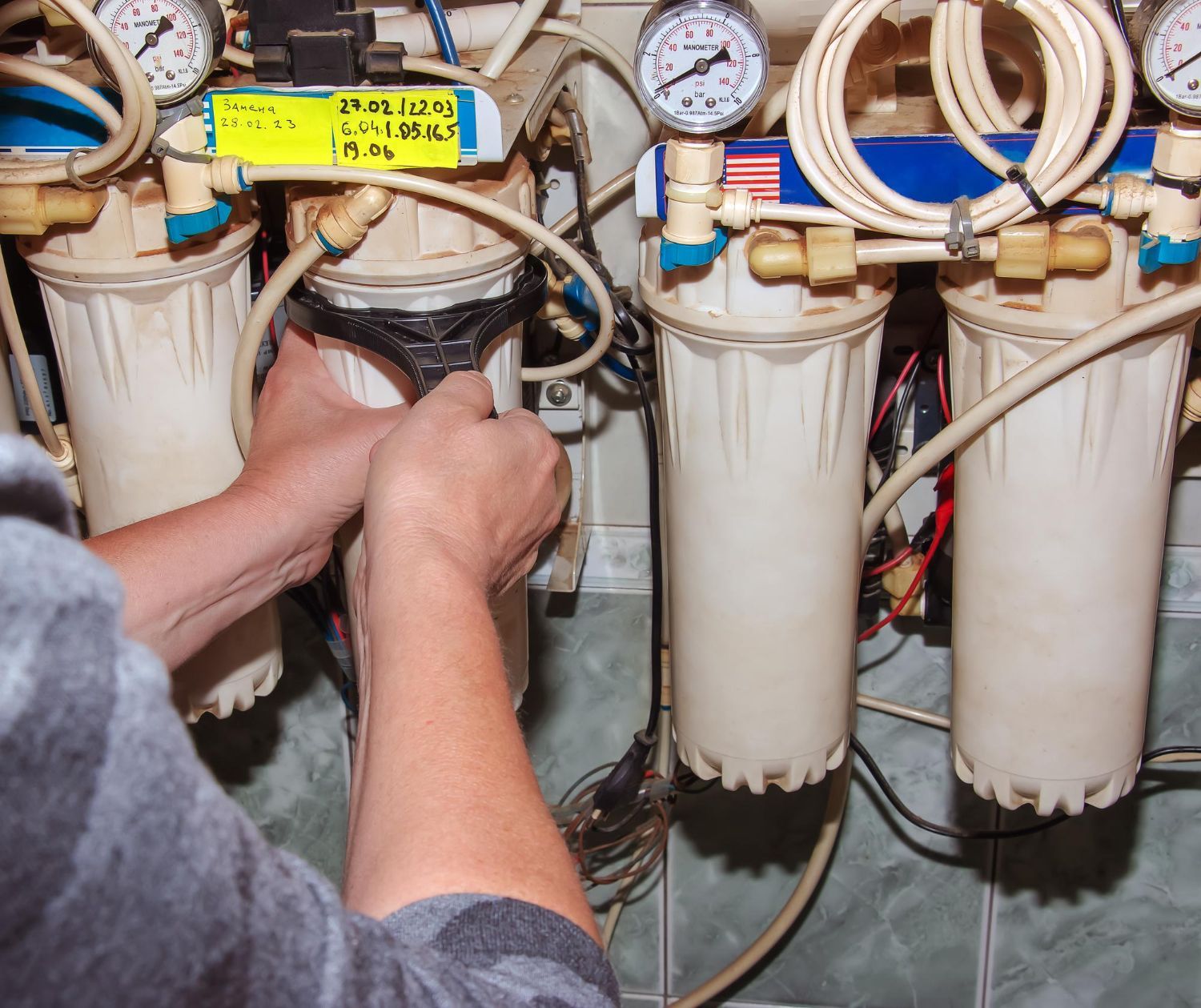
- Mineral buildup inside water heaters and tankless units
- Clogged aerators and showerheads that lower water pressure
- Cloudy glassware and shower doors that are hard to keep clear
- Extra wear on dishwashers, washing machines, and ice makers
On top of that, hard water problems can raise questions with equipment warranties if scale is clearly the cause of failure. It is frustrating to invest in high-end mechanicals and then shorten their life with untreated water.
Local climate makes this even more important. In cold winters, boilers, radiant floor systems, and on-demand heaters run for long stretches. Any hardness in the water can leave scale inside those tight passages, which hurts performance and comfort. In summer, higher water use for landscaping and outdoor wash-downs can leave white mineral streaks on stone, glass railings, metal fixtures, and driveway finishes.
Designing Plumbing for Long-Term Water Protection
The easiest time to add hard water treatment solutions is when the home is on paper, not after drywall is up. When we are brought into a project early, we can work with the builder and plumber to plan:
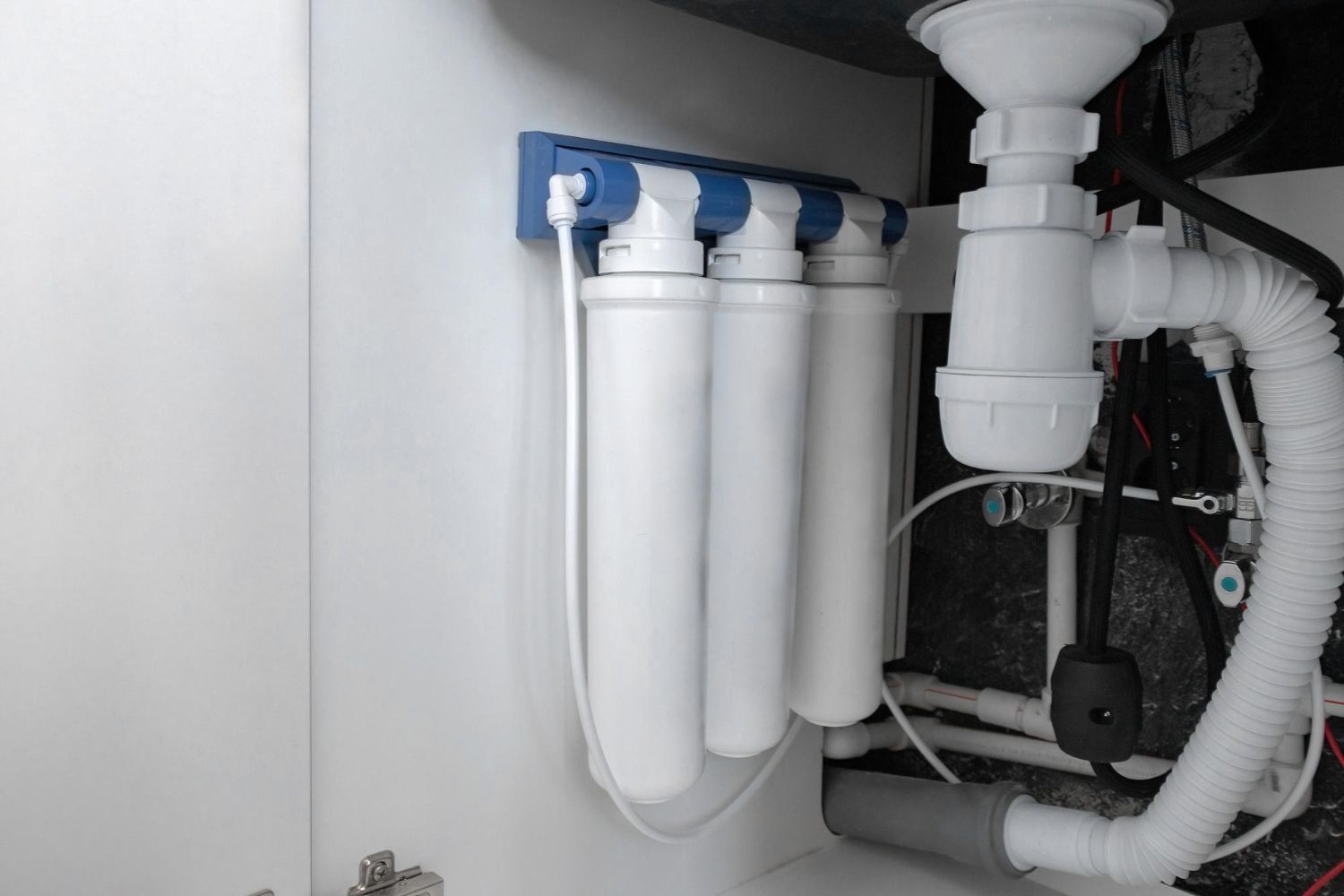
- Proper rough-in locations in the mechanical room
- Drain access for softener regeneration and filter maintenance
- Power outlets where equipment will actually live
Building treatment into the design helps protect the full plumbing system from the very first day water flows through the pipes. It also keeps equipment in smart spots, so you do not end up trying to squeeze a softener between finished walls or behind stored gear.
Not every line in the home needs the same level of protection. Many homeowners choose to:
- Soften all indoor cold and hot water
- Pay special attention to water heaters, radiant heat manifolds, and tankless units
- Protect dishwashers, laundry, and primary baths
- Leave irrigation lines untreated, when that makes sense for the property
Planning for the future is just as important. If you may add an apartment, finish a basement, build a studio, or add an outdoor kitchen later, we can size piping and leave room for extra equipment now. That way, upgrades are easier and do not require ripping out finished spaces.
Choosing the Right Hard Water Treatment Solutions
Not all hard water treatment solutions are the same, and not every home needs the same setup. Common options include:
- Traditional salt-based softeners that actually remove hardness minerals
- High-efficiency softeners that reduce salt and water use during regeneration
- Salt-free conditioners that help control scale without changing hardness levels as much
Each option has tradeoffs. Salt-based systems give that "soft" feeling water and usually offer the best protection in very hard water areas. Some people notice a smoother feel on their skin and a change in how soap rinses, which is normal. High-efficiency designs help cut down on salt bags and wastewater. Salt-free units can be helpful for certain goals, but they are not always enough on their own in tougher water.
For many new mountain homes, we look at systems that combine softening with filtration. These can:
- Cut scale to protect water heaters, tankless units, and radiant loops
- Improve taste and odor for cooking and drinking
- Help keep fixtures, glass, and stone looking clean longer
We design each system around the home and how it will be used. Things we look at include:
- Square footage and number of bathrooms
- How many people will be there and how often
- Whether it is a full-time home or mainly for vacations
- Mechanical room size and access for service
For properties managed by caretakers or property managers, we also think about simple maintenance routines and clear layouts so systems are easy to understand and care for.
Filtration and Purification for Modern Utah Lifestyles
Soft water is only one part of the picture. Many homeowners also want better taste and extra protection for cooking, coffee, and wellness-focused spaces. Whole-home filtration can help reduce sediment and other unwanted material throughout the house, while point-of-use purification targets specific taps.
Popular add-ons include:
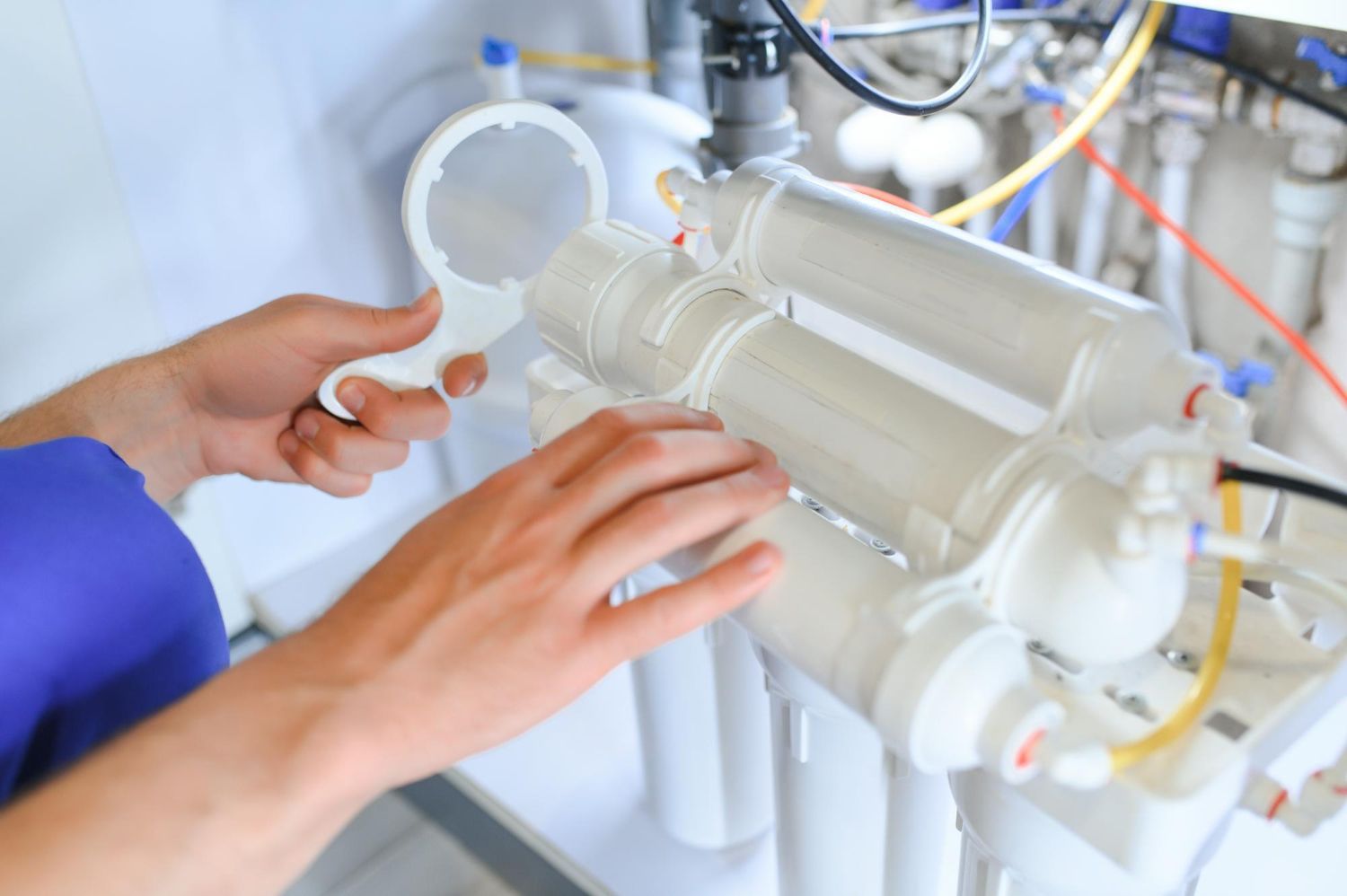
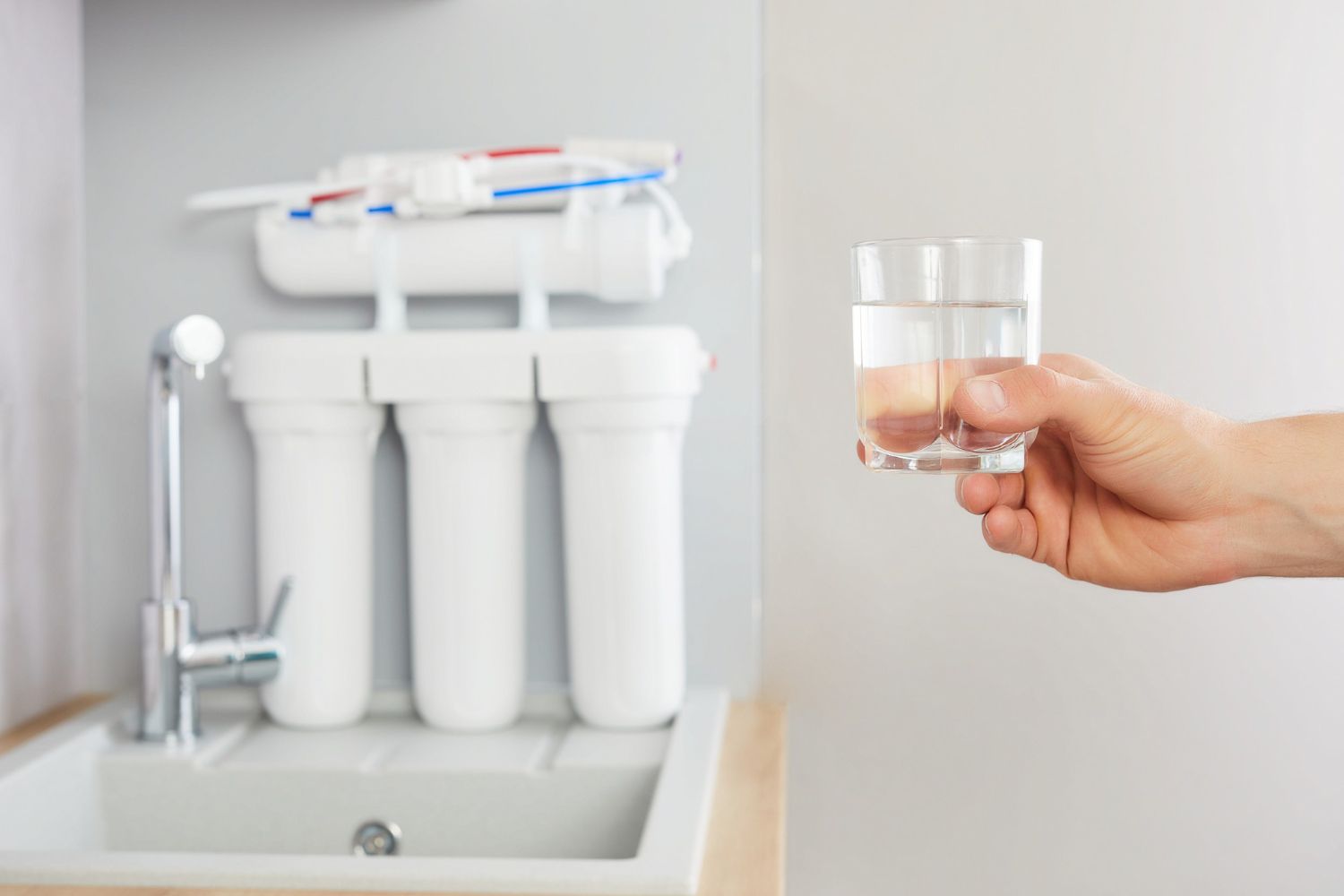
- Reverse osmosis at the kitchen sink or wet bar
- Dedicated drinking water taps
- Filtration for ice makers and beverage stations
These options are especially common in homes with serious cooking setups or specialty coffee gear. Cleaner water helps those tools perform better and can bring out flavor more clearly.
High-end finishes deserve the same level of care. Proper filtration and softening help protect:
- Designer faucets and fixtures
- Glass and steam showers
- Ice machines and espresso units
- Water walls, indoor fountains, and spa features
For seasonal and vacation homes, system design often needs to support long gaps between visits. We think about:
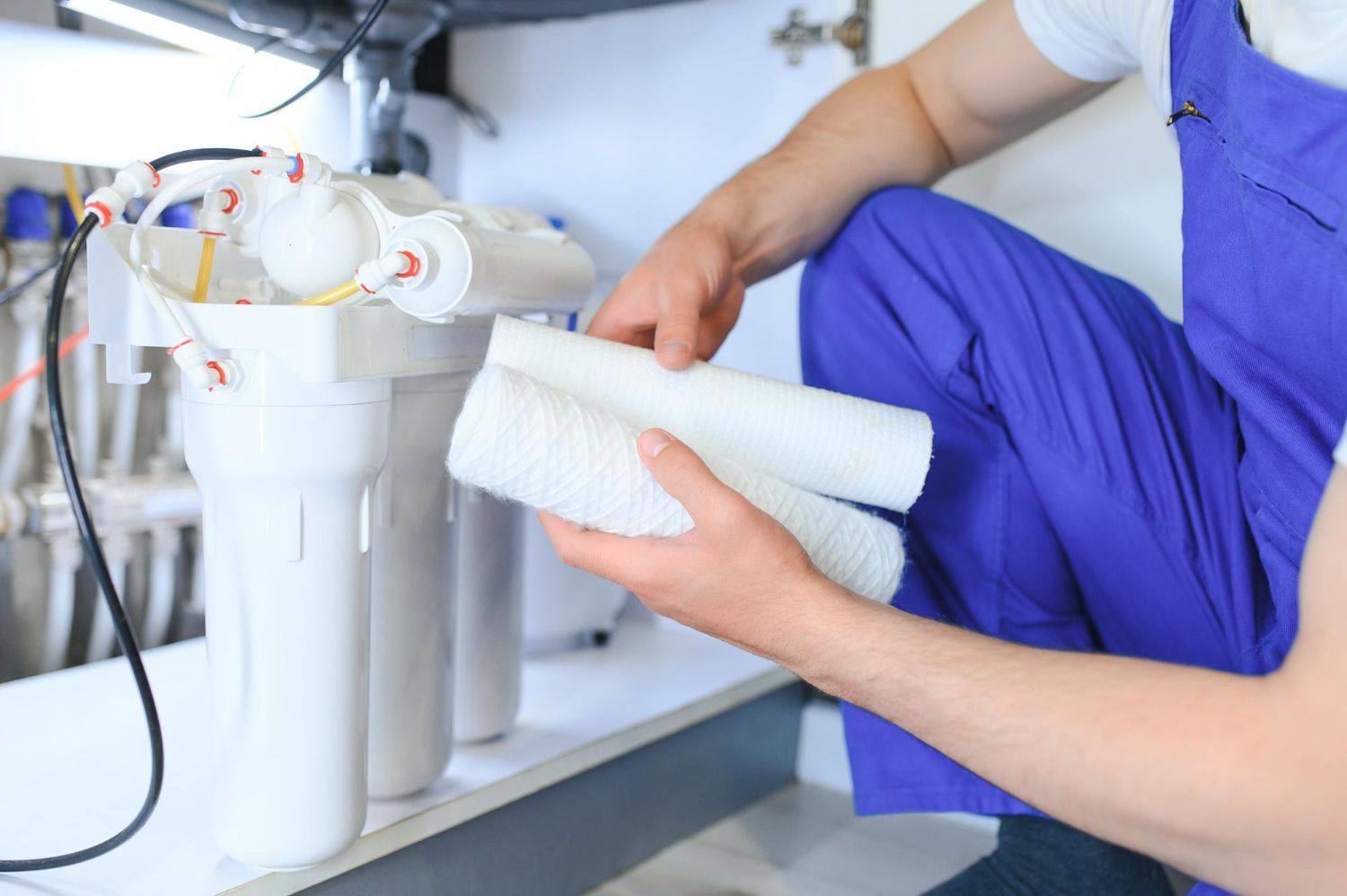
- Low-maintenance filter setups with clear change schedules
- Configurations that keep equipment safe if a home sits empty
- Layouts that make it straightforward for a caretaker to check and service systems
Seasonal Planning Tips for Summer Move-Ins and Winter Use
Many new homes in our area finish in late summer. That timing can work well if you plan ahead for hard water treatment. Once plumbing rough-in is complete, there should be enough time to test the water source, choose equipment, and get systems in place before move-in.
For homes wrapping up in August or early fall, it helps to:
- Share plumbing plans and fixture counts early
- Decide where treatment equipment will live in the mechanical room
- Allow time for any city or well water testing that might be needed
Getting systems running before the first real winter is especially important. Boilers, tankless water heaters, and radiant floors work hard during cold months. Starting them up with softened, treated water helps slow scale buildup inside those expensive components.
Outdoor systems also deserve a plan. That can include:
- Whether to treat or bypass irrigation water
- How to manage decorative water features through freeze-thaw cycles
- Best practices for snowmelt lines under driveways and walkways
Some owners choose to leave irrigation untreated to save on treatment load, while focusing protection on indoor comfort systems and visible surfaces where mineral spots would be obvious.
Plan Your Custom Water System Before You Break Ground
Thoughtful water planning during new construction sets the tone for how a home will perform and feel for years. When hard water treatment, filtration, and purification are designed into the plumbing from the start, you get longer equipment life, easier cleaning, and better day-to-day comfort.
At Water Science, we work with homeowners, builders, and design teams throughout Park City, Summit County, and Wasatch County to match water systems to each property. That usually means reviewing the site and water source, testing hardness, recommending equipment types and sizes, and coordinating with plumbing layouts so everything fits and functions smoothly. Careful planning up front helps protect your investment and keeps your new mountain home running the way it should.
Protect Your Home With Smarter Water Solutions Today
Take the next step toward better water quality and a more efficient home with Water Science. Our hard water treatment solutions are tailored to your plumbing, appliances, and lifestyle so you get long-lasting results. If you are ready to discuss your options or schedule service, simply contact us today.