Pressure Problems vs. Water Supply Issues: Plumbing, Well, or Treatment?
Stop Guessing Why Your Water Pressure Is Off
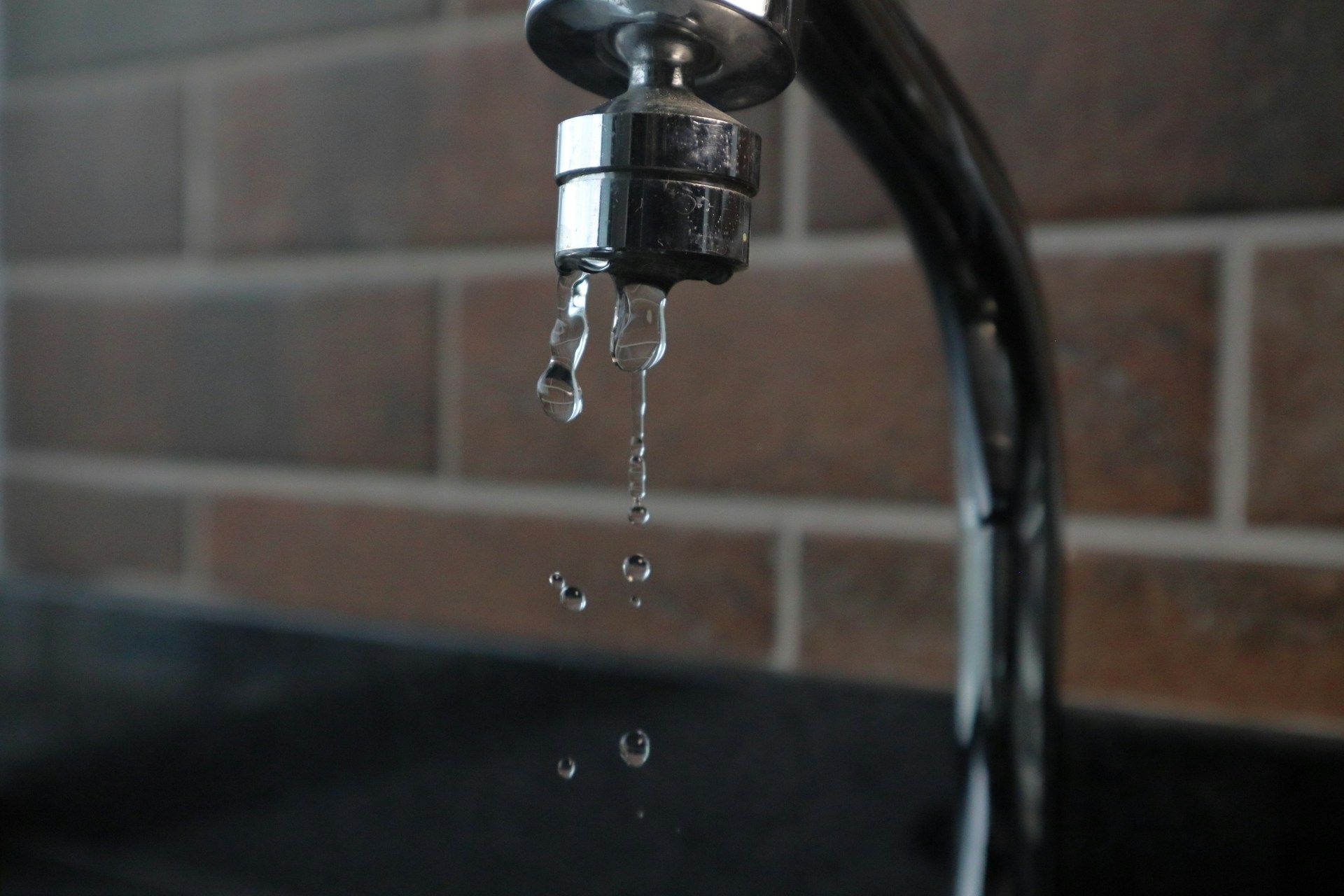
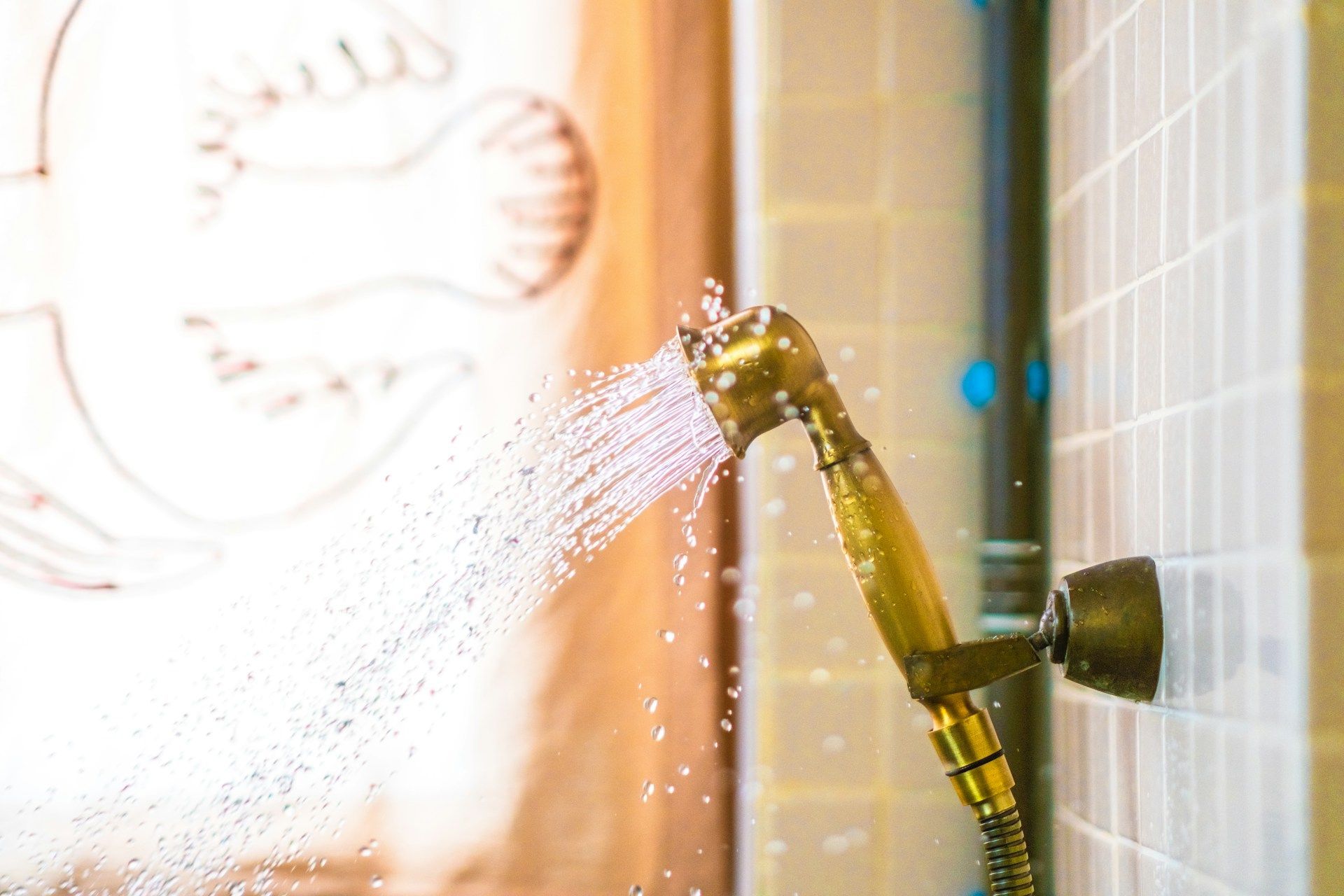
When your shower turns into a weak trickle or your kitchen sink takes forever to rinse a pan, it is more than annoying. Low water pressure can point to real problems with your plumbing, your well, or your water treatment equipment. The tricky part is that all three can look very similar at first.
In our mountain communities, late summer often brings these problems to the surface. Irrigation is running hard, vacation homes are full, and many people are using water at the same time. Homeowners often guess at the cause and guess wrong. Someone might blame the well when the real problem is a clogged filter, or change out an expensive pump when the issue is actually the softener. Our goal is to help you sort through the clues so you can tell whether the problem is in your plumbing, your private well, or your treatment system, and know when it is time to bring in a professional.
Spotting True Water Pressure Problems Versus Low Supply
First, it helps to know the difference between pressure and supply. Pressure is the push in your pipes. Supply is how much water you actually have to work with.
A few simple examples make this clear:
- Strong shower at first, then it runs out after a few minutes: pressure is there, but supply may be limited
- Weak spray all the time, every fixture: likely a pressure or flow restriction issue
- Outdoor hose sprays fine, indoor taps feel weak: pressure coming in is fine, something after that is holding water back
You can do a quick check around the house:
- Test more than one fixture at the same time
- Try both hot and cold at a sink
- Turn on an outdoor spigot and compare it to an indoor faucet
- Notice what happens when irrigation runs or when several fixtures are on at once
If pressure drops only when many things are running, the system might be undersized or the supply is not keeping up. If you hear banging pipes, get air spurts from taps, or notice toilets that take much longer than normal to fill, that often points toward pressure control or plumbing issues, not just a lack of water in the ground.
Also think about timing. Did the problem start right after plumbing work or a change to your treatment system? A valve left partway closed or a setting bumped during service can cut pressure through the house.
When Your Well Is the Real Culprit
Private wells in mountain areas work harder when demand is high and the water table is under stress. Heavy irrigation, more people in the home, and long showers can push a pump and pressure tank to their limits.
Common signs that the well or pump might be the source include:
- Good pressure for a few minutes, then a clear drop while water is still running
- Pump running almost all the time or cycling more than you remember
- Cloudy or sandy water, or air spurts when you open a tap
- Sudden "no water" events where everything stops at once
If you have access to your pressure tank, take a look at the gauge while water is running. A healthy system will let the pressure fall to a cut-in point, start the pump, then climb to a cut-out point and stop. If the pump is clicking on and off very quickly, called short cycling, that is a red flag. That pattern is hard on equipment and can lead to early failure.
You can also:
- Listen for frequent clicking at the pressure switch
- Think about any recent power outages or surges
- Notice if the problem is worse at certain times of day when neighbors also use a lot of water
If the pump seems to run nonstop, or the pressure falls and does not recover, it is smart to turn the system off and call a well or water treatment professional. That pause can keep a stressed pump from burning out.
How Water Treatment Systems Can Choke Your Pressure
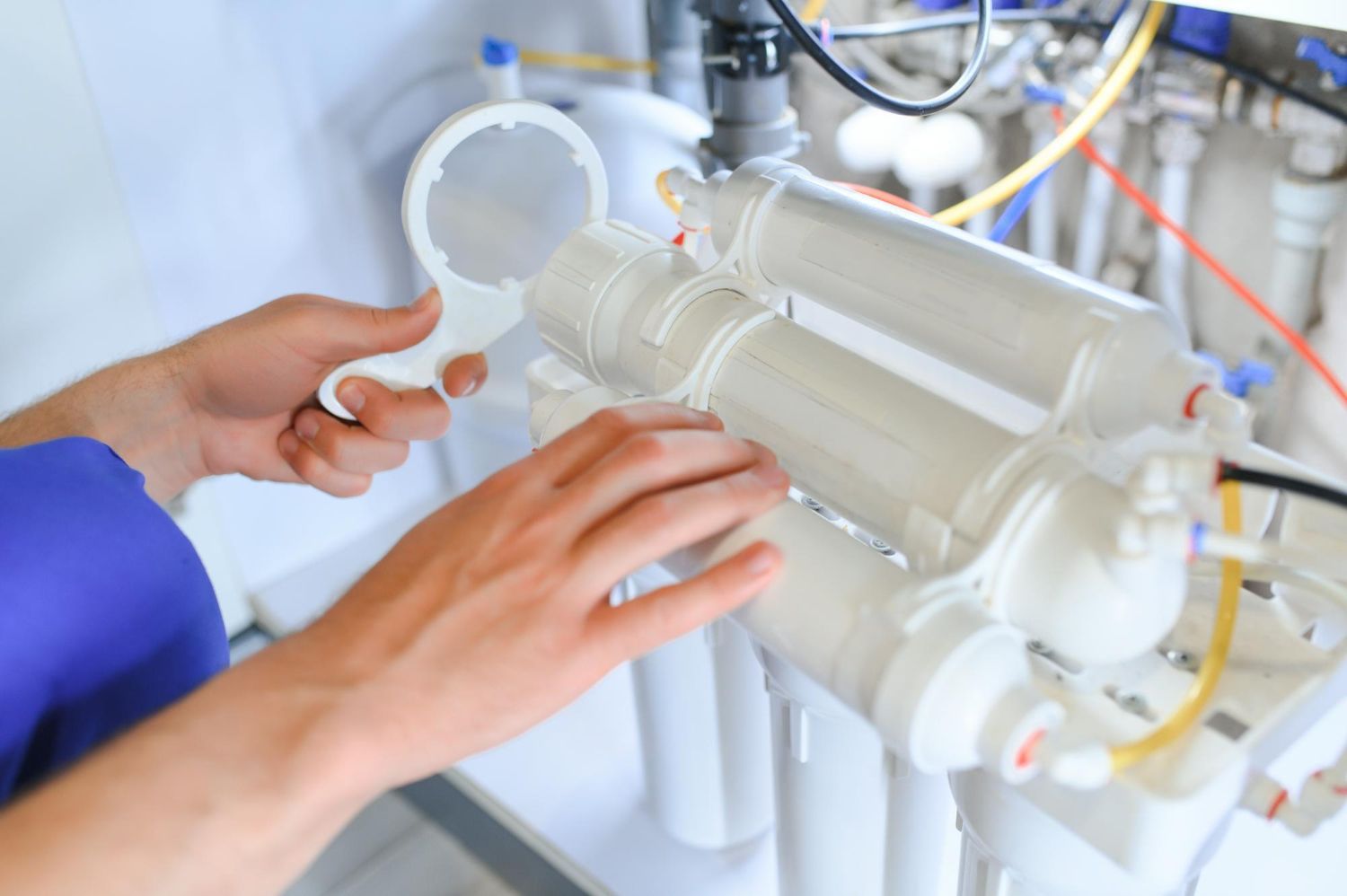
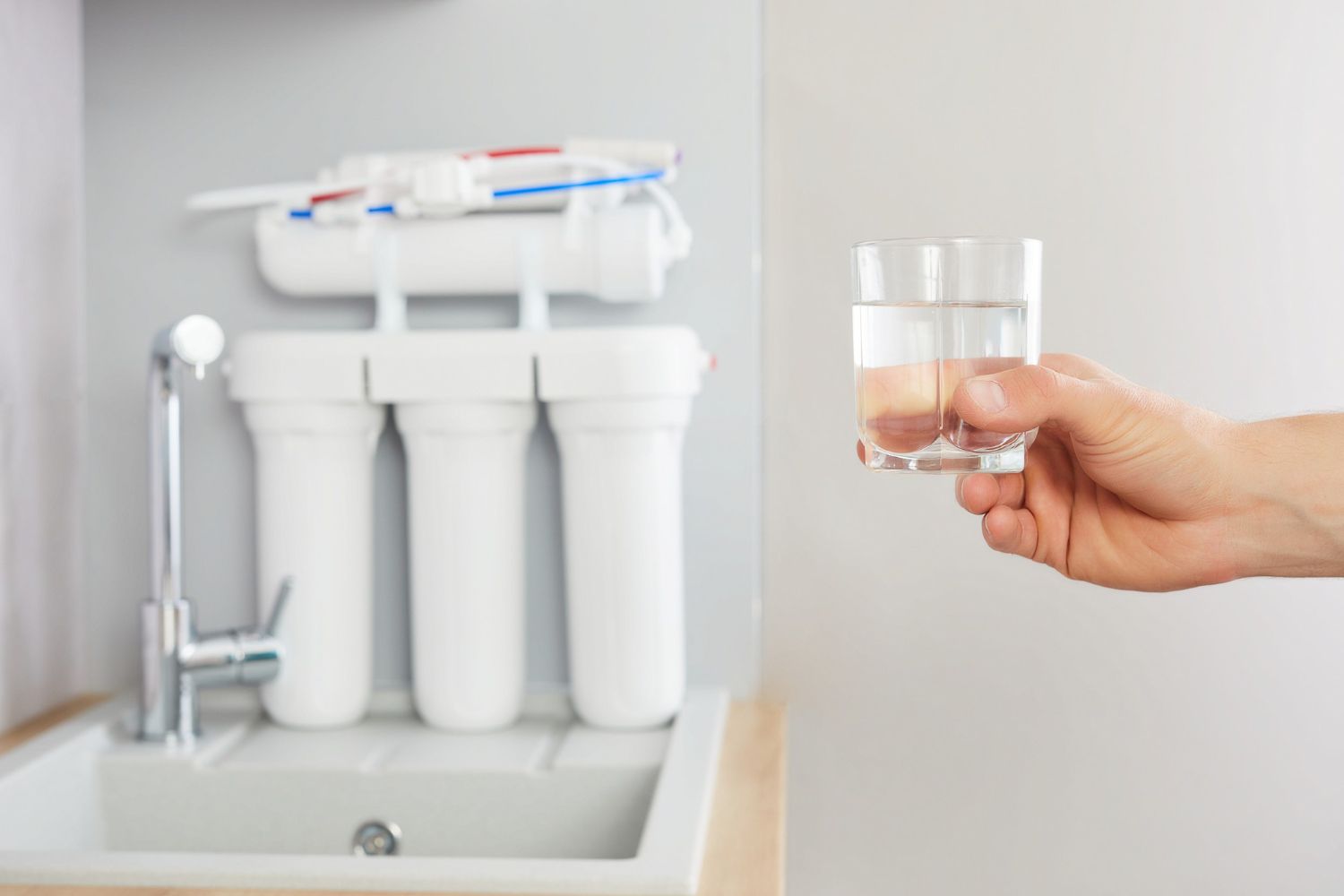
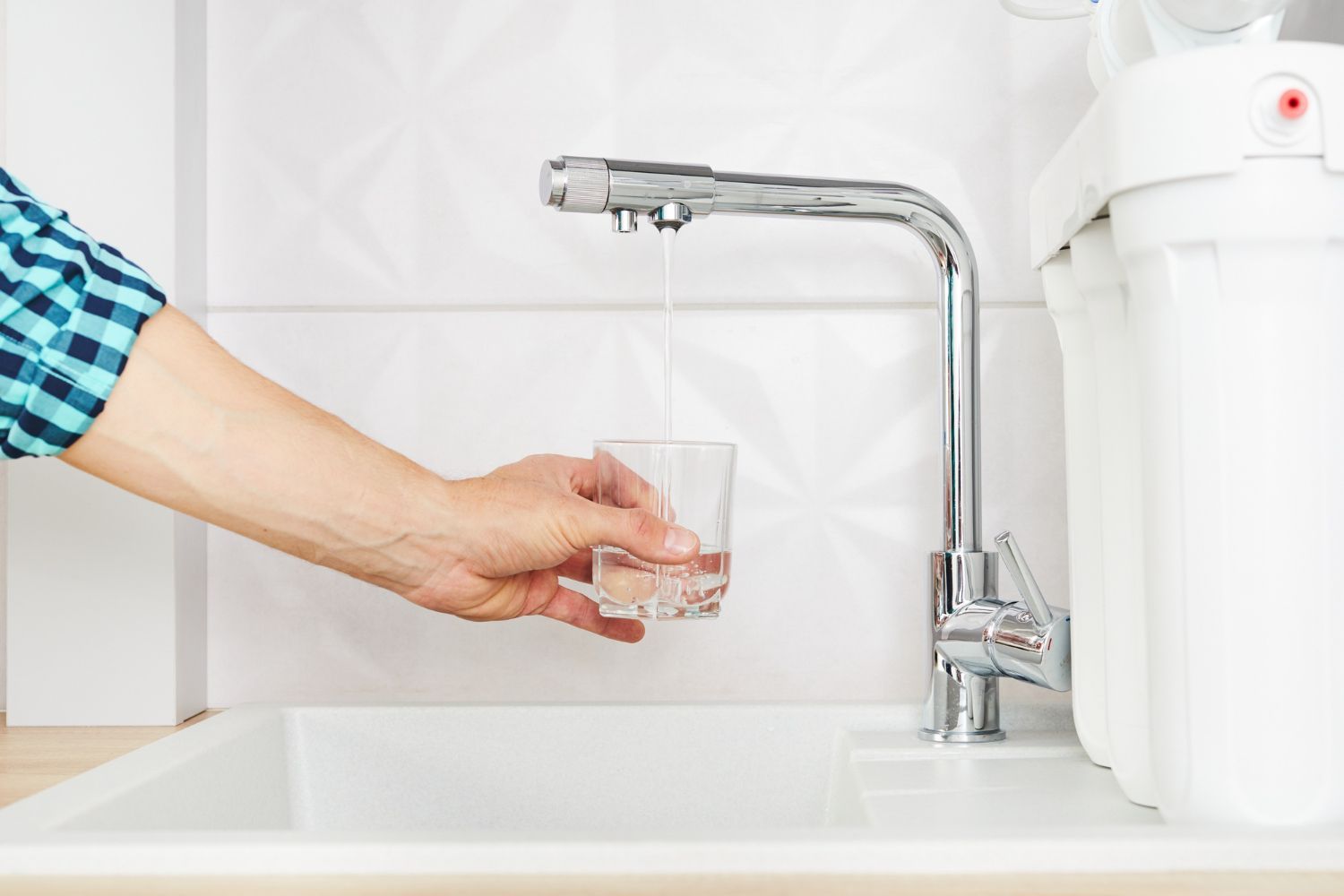
Water softeners, filters, and purification systems are great for your water quality, but they sit directly in the flow path. If they are undersized, clogged, or set up wrong, they can feel like someone pinched your whole water line.
Some warning signs that point toward treatment equipment:
- Strong flow at an outdoor spigot that is on untreated water, but poor pressure at sinks and showers
- Pressure issues only on lines that pass through the softener or filter
- Pressure that jumps back to normal when the system is placed in bypass
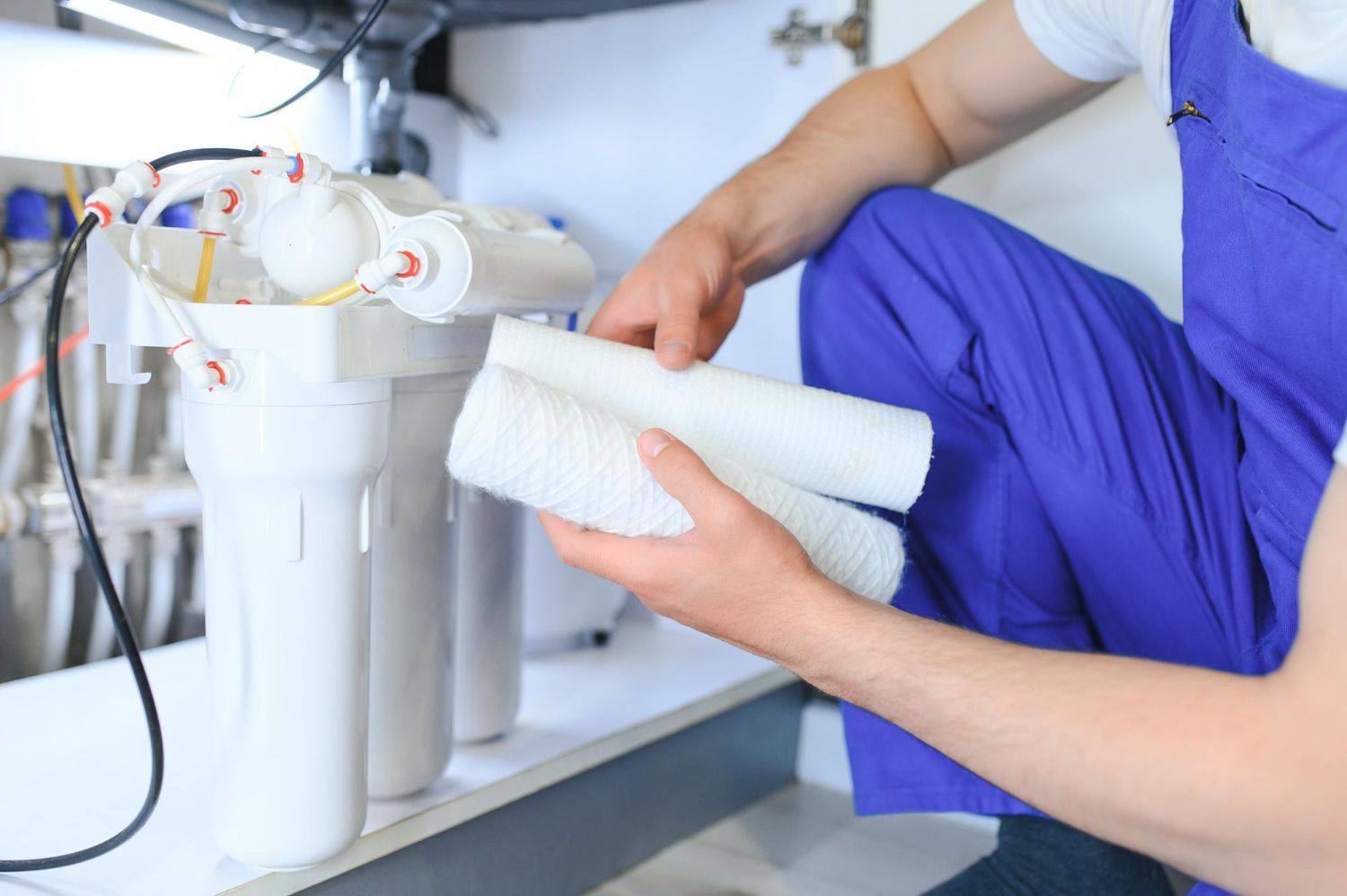
In areas with hard water, or where people install multi-stage systems, there may be several filters and tanks lined up. Each stage adds some resistance. When sediment filters get dirty, carbon filters get fouled, or salt bridges form inside a softener, that resistance can add up fast.
Typical trouble spots include:
- Sediment filters that have not been changed and are packed tight
- Softener resin that is not cleaning well because of salt issues
- Bypass valves not fully open after service or cleaning
If untreated outdoor water feels normal while everything inside is weak, there is a good chance something in the treatment train is holding you back.
Distinguishing Plumbing Issues From System Problems
Not every pressure complaint comes from the well or the treatment gear. Often, regular plumbing is the simple, but hidden, cause.
Classic whole-home plumbing clues:
- Only one shower or one bathroom has low pressure
- One floor or side of the house is worse than the rest
- Fixtures that were just worked on suddenly feel weak
- Aerators full of debris that spray in odd directions
These point more toward:
- Corroded or undersized pipes in part of the home
- Partially closed shut-off valves after a repair
- Clogged aerators or showerheads limiting flow at the fixture
Contrast that with system-wide symptoms:
- All indoor fixtures lose pressure, but hose bibs outside seem fine
- Problems show up mainly at busy times, like mornings or evenings
- Whole-house changes right after installing or adjusting treatment equipment
A simple decision pattern can help:
- Only one fixture acting up? Think plumbing at that point or that room.
- All indoor fixtures, but outdoor taps are strong? Suspect treatment equipment.
- Whole property, indoors and outdoors, has trouble? Look at the well, main line, or municipal supply and consider long-term water treatment in Salt Lake County or nearby areas to reduce strain on plumbing and equipment.
Simple Summer Tests Before You Call for Help
There are a few low risk checks you can do that do not involve taking things apart or changing settings you do not understand.
Quick items to look at:
- Make sure the main shut-off valve and individual fixture valves are fully open
- Remove and rinse faucet aerators and showerheads to clear grit
- If you know how, place treatment systems in bypass briefly and compare pressure
- Check pressure morning vs evening and note any patterns
It also helps to watch how your home uses water. Pay attention when:
- Irrigation zones turn on and off
- Washing machines and dishwashers run
- Guests are using extra showers and bathrooms
If pressure drops only during those heavy-use times, it might signal that the system is undersized or that restrictions, like clogged filters, are making it harder for water to keep up.
Before calling for help, gather a few details:
- Take notes on when the problem started and when it is worst
- Snap photos of pressure gauges, switches, and any error lights on softeners or filters
- Write down anything recent, like plumbing work, storms, power issues, or changes to your treatment setup
Sharing this information with a technician helps narrow down whether the problem comes from plumbing, the well, or the treatment system.
Get Your Water Flowing Right Before the Seasons Change
Pressure and supply problems do not fix themselves. As days cool down and irrigation slows, some issues may seem to fade, but the underlying cause is often still there. Tackling weak pressure now can help avoid frozen-pipe risks, pump failures, and surprise problems when holiday visitors or winter guests arrive and demand spikes again.
At Water Science, we work with homeowners in Park City, Summit and Wasatch counties, and those looking for water treatment in Salt Lake County to look at the whole picture. That means how your well, plumbing, and treatment equipment all interact. By right-sizing softeners and filters, adjusting plumbing layouts where needed, and coordinating with well professionals, we help homes enjoy steady pressure, clean water, and systems that work smoothly all year.
Improve Your Home’s Water Quality And Comfort Today
If you are ready to upgrade your water quality and protect your plumbing, we are here to help every step of the way. Learn how our water treatment in Salt Lake County solutions can be tailored to your home and budget. Reach out to Water Science so we can answer your questions, provide a clear estimate, and schedule service at a time that works for you. Contact our team today through our contact page to get started.