How Reverse Osmosis Helps in Removing Contaminants
Ensuring the quality of water we consume is more important than ever. With increasing concerns about pollutants and contaminants in our water supply, technologies like reverse osmosis (RO) have become essential.
In regions such as Summit and Wasatch Counties in Utah, where unique water quality challenges are prevalent, RO systems offer an effective solution for residents seeking to improve their water quality.
Reverse Osmosis Technology
Reverse osmosis is a water purification process that uses a semi-permeable membrane to remove ions, molecules, and larger particles from drinking water. The basic principle involves applying pressure to push water through the membrane, which filters out contaminants.
Unlike other filtration methods, RO is effective at removing a wide range of impurities, including salts, bacteria, and other dissolved substances, making it one of the most comprehensive filtration systems available.
Components of an RO System
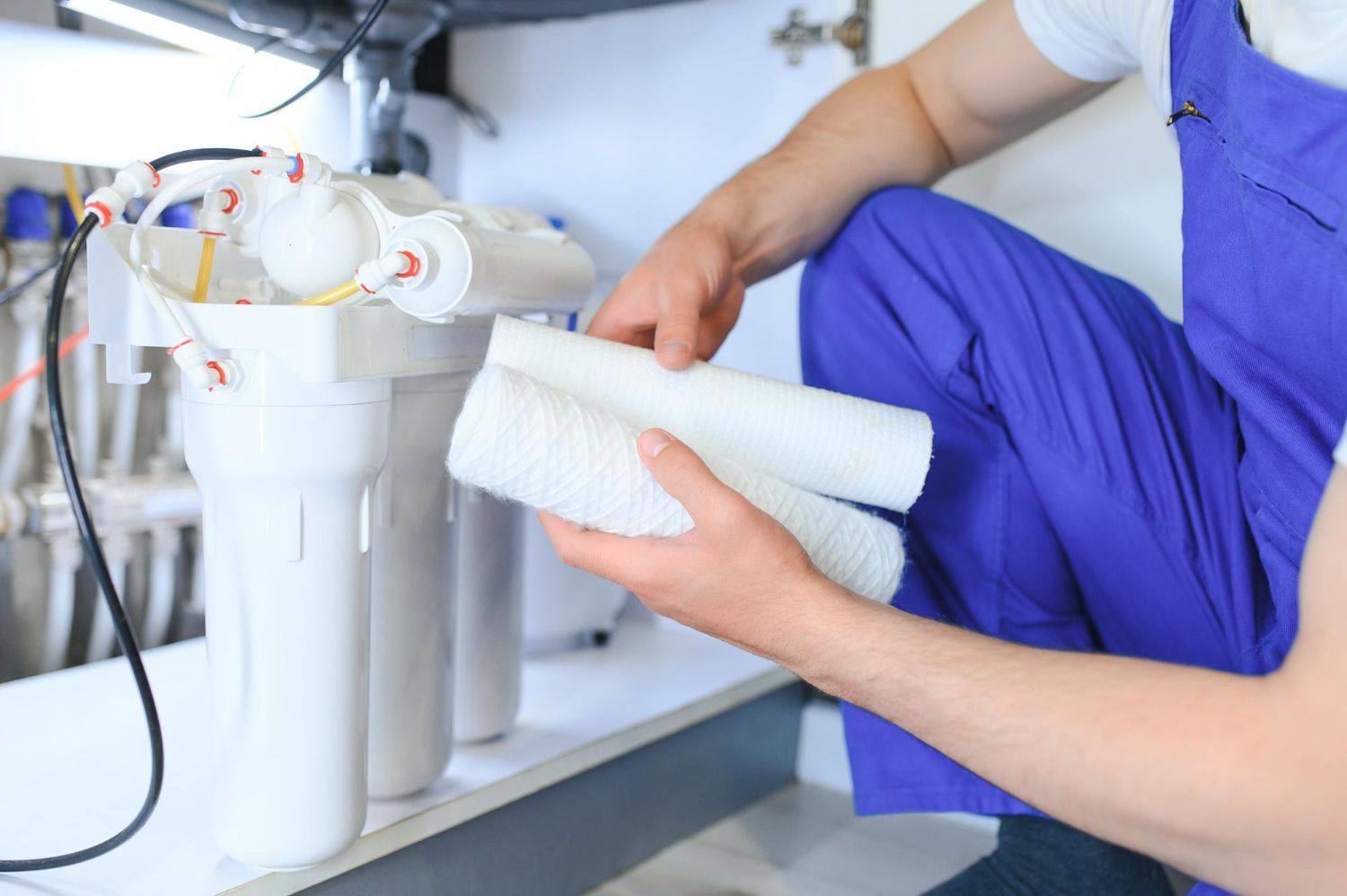
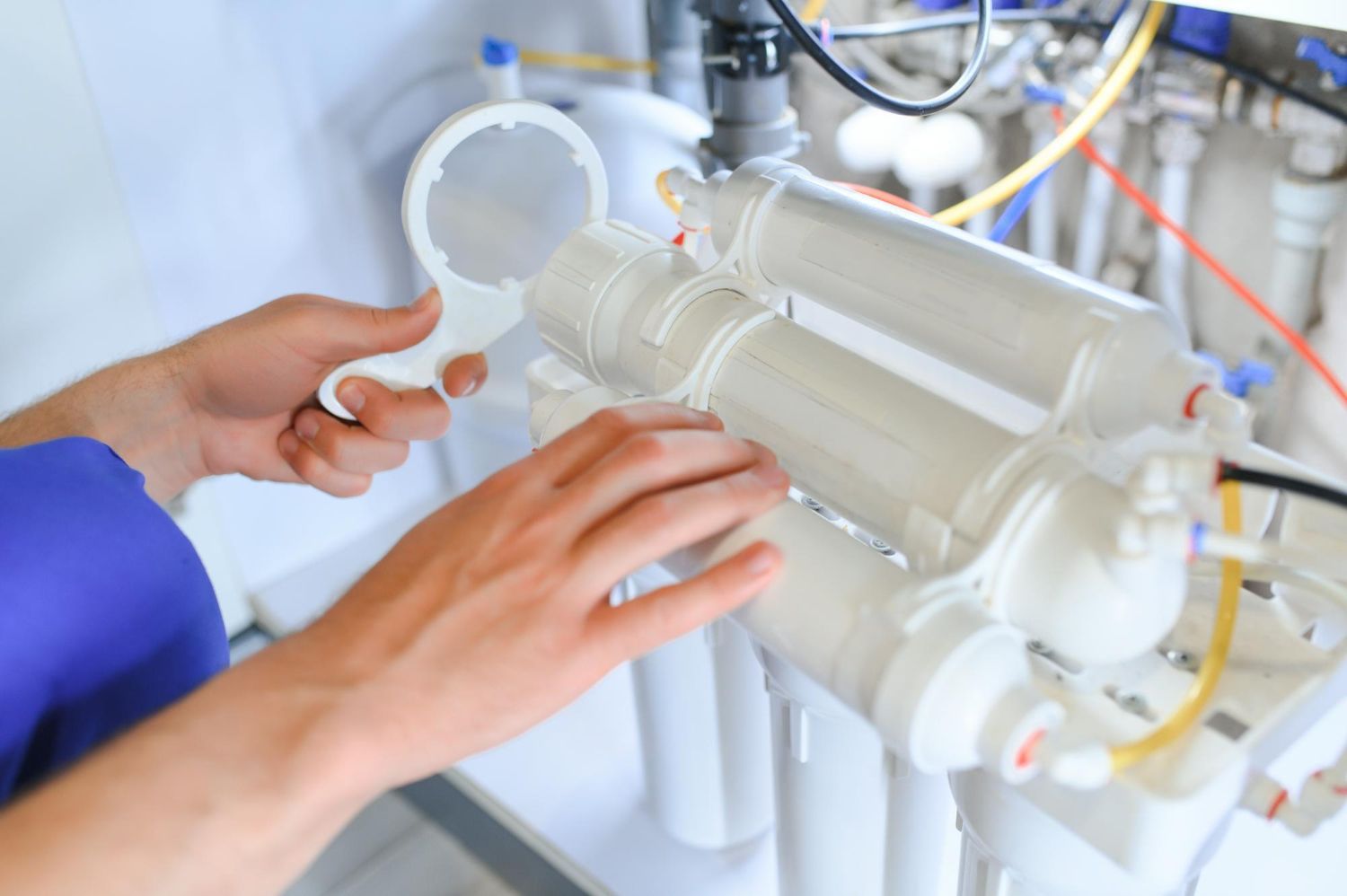
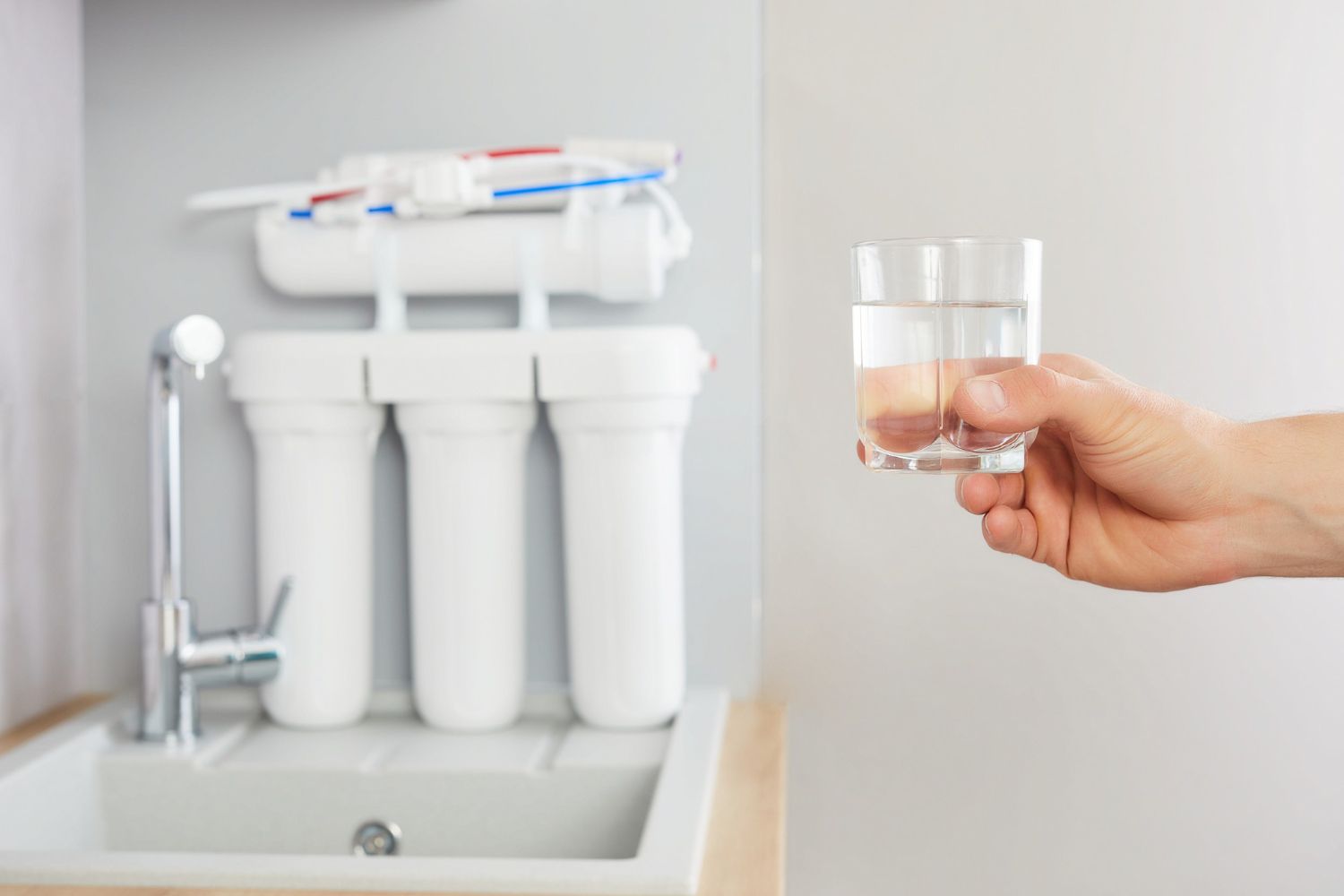
An RO system typically comprises several key components: membranes, filters, and storage tanks, each designed to work in harmony for optimal purification results.
The membrane is the core of the system, responsible for filtering out contaminants by allowing only water molecules to pass through its microscopic pores, effectively removing impurities such as heavy metals, salts, and microorganisms. Pre-filters remove larger particles and chlorine, which can damage the membrane, thereby prolonging its lifespan and preserving the system's functionality.
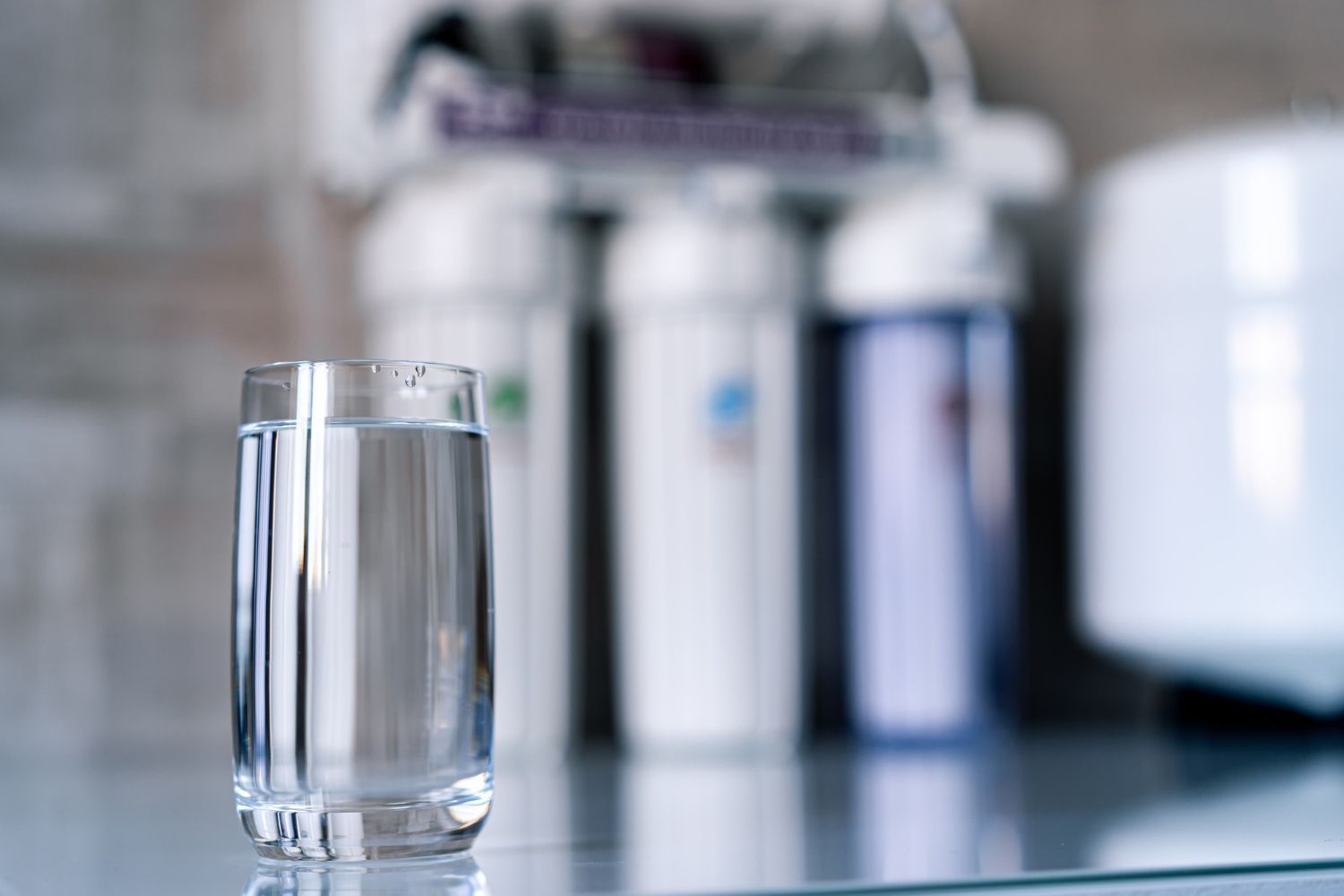
Post-filters ensure the water is free of any remaining tastes or odors, providing crisp and clean-tasting water that is pleasant for consumption. Storage tanks hold the purified water, ensuring a steady supply for household use and allowing the system to meet varying demands efficiently.
Each component plays a vital role in ensuring the system's efficiency and effectiveness in delivering clean water, with regular maintenance and timely replacement of filters and membranes being crucial for sustained performance and water quality. Some RO systems may include remineralization stages, which add essential minerals back into the water to improve its taste and nutritional value without compromising its purity.
Advantages of Using RO Systems
RO systems are renowned for their high efficiency in contaminant removal, making them a preferred choice for households concerned about water quality. They are particularly effective at removing contaminants that other systems might miss, such as certain heavy metals and chemicals.
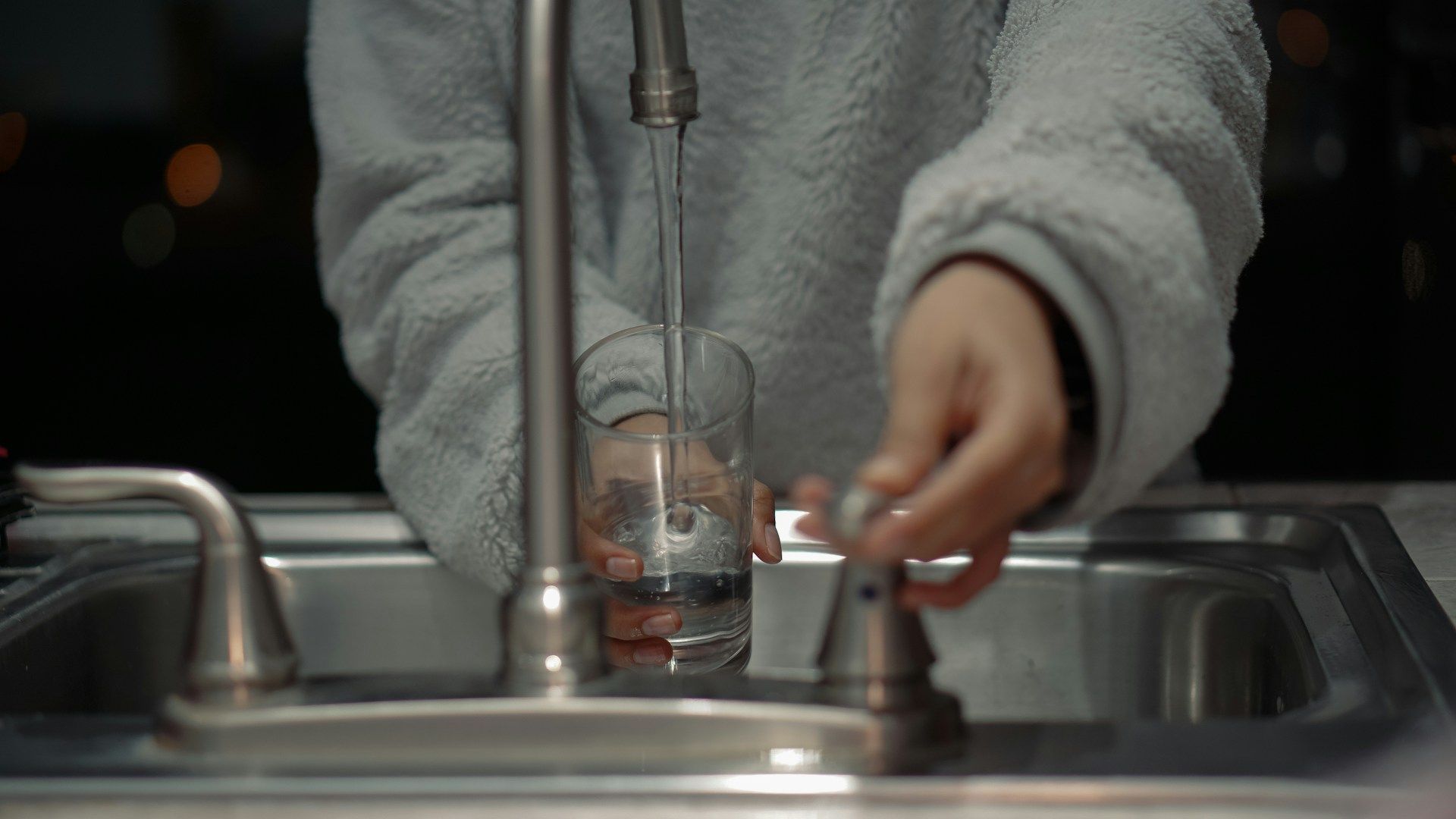
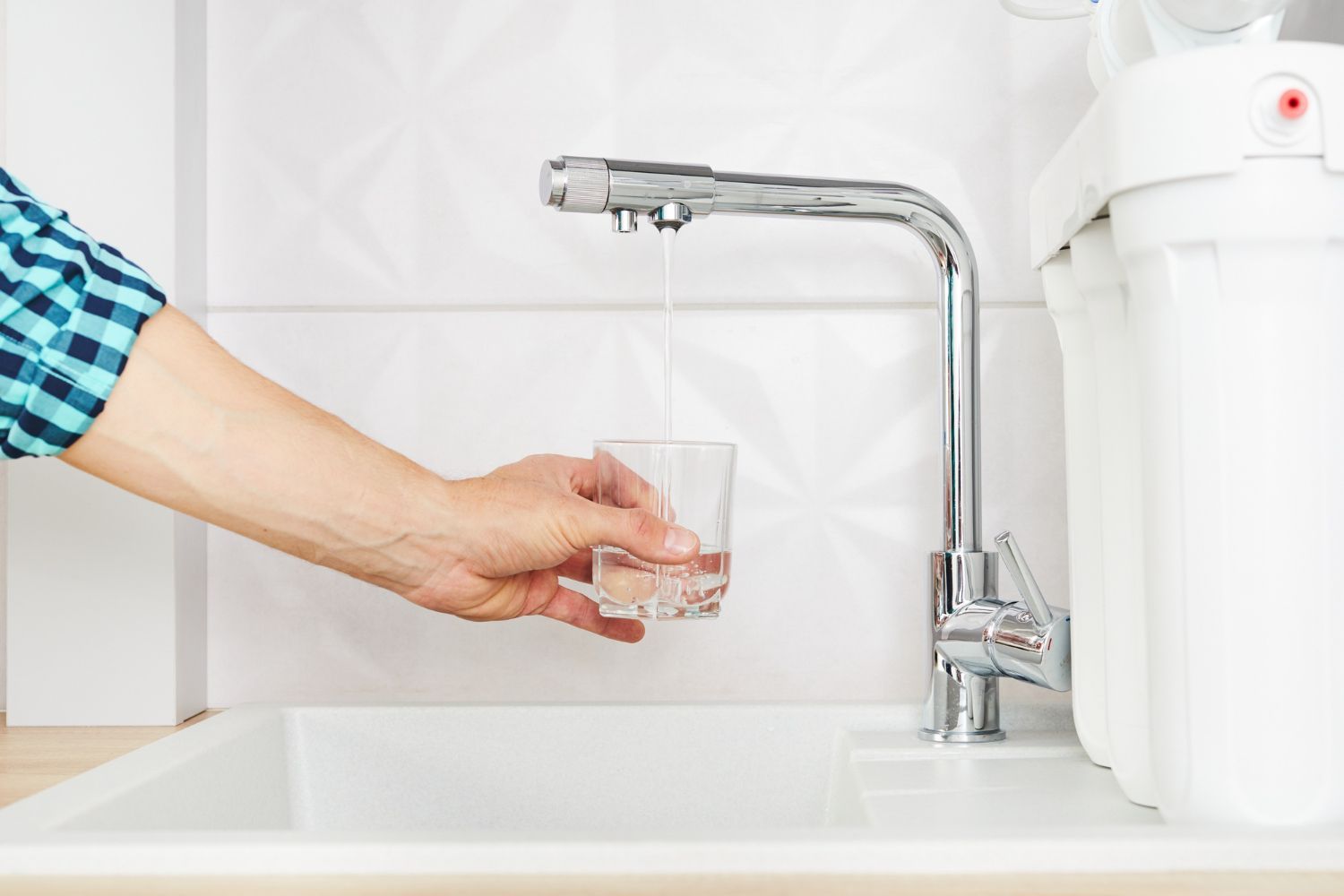
While RO systems do consume energy, advancements in technology have minimized their environmental impact. These systems not only provide safe drinking water but also improve the taste and odor, enhancing the overall water consumption experience.
Common Contaminants Removed by Reverse Osmosis
PFAS (Per- and Polyfluoroalkyl Substances)
PFAS are a group of man-made chemicals used in various industrial applications and consumer products. They can enter water supplies through industrial discharge or runoff from firefighting foams. Exposure to PFAS has been linked to several health risks, including cancer, liver damage, and developmental effects in children.
Reverse osmosis systems are highly effective at removing PFAS from drinking water, providing a safer alternative for households concerned about these contaminants. For more information on PFAS and health risks, refer to this
authoritative source.
Heavy Metals
Heavy metals such as lead and mercury are common water contaminants that pose significant health risks. Lead exposure, for example, can lead to neurological damage, particularly in children, while mercury can affect the kidneys and nervous system. RO systems are adept at removing these metals, significantly reducing the risk of exposure and safeguarding the health of residents.
Chlorine and Chloramine
Chlorine is commonly used in municipal water treatment to disinfect and kill bacteria. Its presence in drinking water can lead to unpleasant tastes and potential health concerns. Chloramine, a combination of chlorine and ammonia, is another disinfectant used in water treatment. RO systems efficiently remove chlorine and chloramine, improving the taste and quality of drinking water while ensuring it is safe for consumption.
Reverse Osmosis in Local Contexts
Water Quality Challenges in Summit and Wasatch Counties
Residents of Summit and Wasatch Counties face unique water quality challenges due to the area's geological and environmental conditions. Hard water, high mineral content, and specific contaminants such as PFAS and heavy metals are common concerns. Addressing these issues requires tailored solutions that consider the local water characteristics.
Benefits of RO Systems for Local Residents
For residents of Summit and Wasatch Counties, RO systems offer a tailored solution to local water quality issues. By effectively removing contaminants like PFAS, heavy metals, and chlorine, these systems ensure access to clean and safe drinking water.
Future of Water Treatment in Utah
As water treatment technology continues to advance, innovations in reverse osmosis are paving the way for more efficient and sustainable solutions. The integration of RO systems with other water treatment methods holds promise for addressing complex water quality challenges.
Broader Implications of Water Purification
Water purification is not just a local concern but a global necessity. As populations grow and industrial activities expand, the demand for clean water increases, highlighting the importance of technologies like reverse osmosis.
In developing regions, access to clean water can significantly impact public health and economic development. RO systems, along with other purification technologies, play a critical role in addressing water scarcity and quality issues worldwide. The ongoing research and development in this field promise even more efficient and accessible solutions in the future.
Reverse osmosis technology offers a comprehensive solution for improving water quality, particularly in areas like Summit and Wasatch Counties, where residents face unique challenges.
By understanding the components and advantages of RO systems, as well as the contaminants they effectively remove, residents can make informed decisions about their water treatment needs. As technology evolves, the potential for further advancements in water purification continues to grow, promising a healthier future for communities in Utah and beyond.
For any inquiries or to learn more about how reverse osmosis can benefit your home or business,
contact Water Science today. Our team is dedicated to providing you with the best solutions for your water quality needs.