Water Testing: Why It's Important and What to Look For
Ensuring the safety and quality of the water we consume is crucial for maintaining good health. Water is an essential resource that supports daily life, from drinking and cooking to bathing and cleaning. The assumption that all water is clean and safe can be misleading. Testing your water regularly helps identify potential contaminants that may pose health risks. By understanding the importance of water testing and knowing what to look for, you can take proactive steps to protect your household's health and well-being.
Common Contaminants Found in Household Water
Household water can contain various contaminants, each posing different health risks. Common pollutants include lead, arsenic, nitrates, chlorine, and PFAS (per- and polyfluoroalkyl substances).
Lead exposure, for example, can cause developmental issues in children, while arsenic is linked to cancer. Nitrates, often found in agricultural areas, can affect infants' oxygen levels, and PFAS are associated with immune system impairments.
The presence of these contaminants can be influenced by geographical factors, such as proximity to industrial sites or agricultural areas. In Summit and Wasatch Counties, Utah, unique water quality challenges may arise due to local environmental conditions.
The Impact of Aging Infrastructure on Water Quality
Aging infrastructure presents significant challenges to maintaining water quality. Old pipes and water systems can corrode, potentially introducing various contaminants into the water supply. Lead pipes, in particular, pose serious risks, as they can leach lead into drinking water.
Municipalities must address infrastructure issues through timely maintenance and upgrades to prevent water quality deterioration. Public investment in modernizing water infrastructure can reduce health risks and ensure reliable access to safe drinking water.
Methods for Testing Water Quality
Several methods are available for testing water quality, ranging from at-home testing kits to professional laboratory analysis. At-home kits offer convenience and affordability but may lack the precision of laboratory tests. Professional analysis provides more accurate results but at a higher cost. When choosing a testing method, consider your specific water concerns and budget.
How to Interpret Water Test Results
Interpreting water test results can seem daunting, but understanding the technical terms and measurements is essential. Each contaminant has a safe level according to health guidelines, and exceeding these levels can indicate potential health risks. When results are unclear or suggest a health risk, seeking expert advice is crucial to address any concerns effectively.
The Importance of Testing Water for Public Health
Testing water is not only crucial for individual households but also for broader public health. Contaminated water supplies can lead to widespread health issues, including outbreaks of waterborne diseases.
Municipalities and local governments have a responsibility to regularly test public water sources and ensure compliance with health standards. When public awareness and governmental regulations align, communities are better protected against potential water-related health crises. Investing in community education about water quality can empower citizens to advocate for better water management practices.
Steps to Take After Receiving Water Test Results
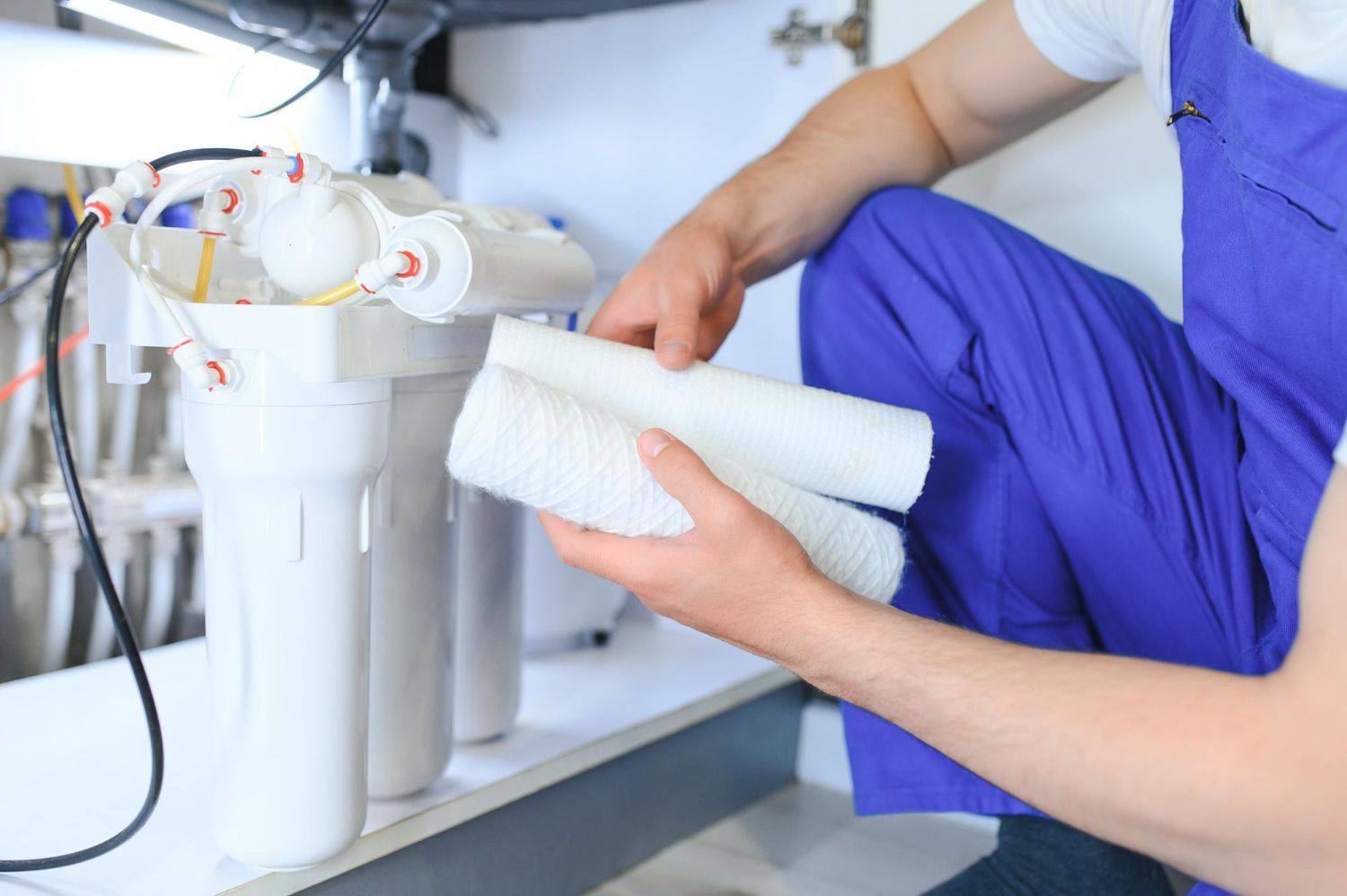
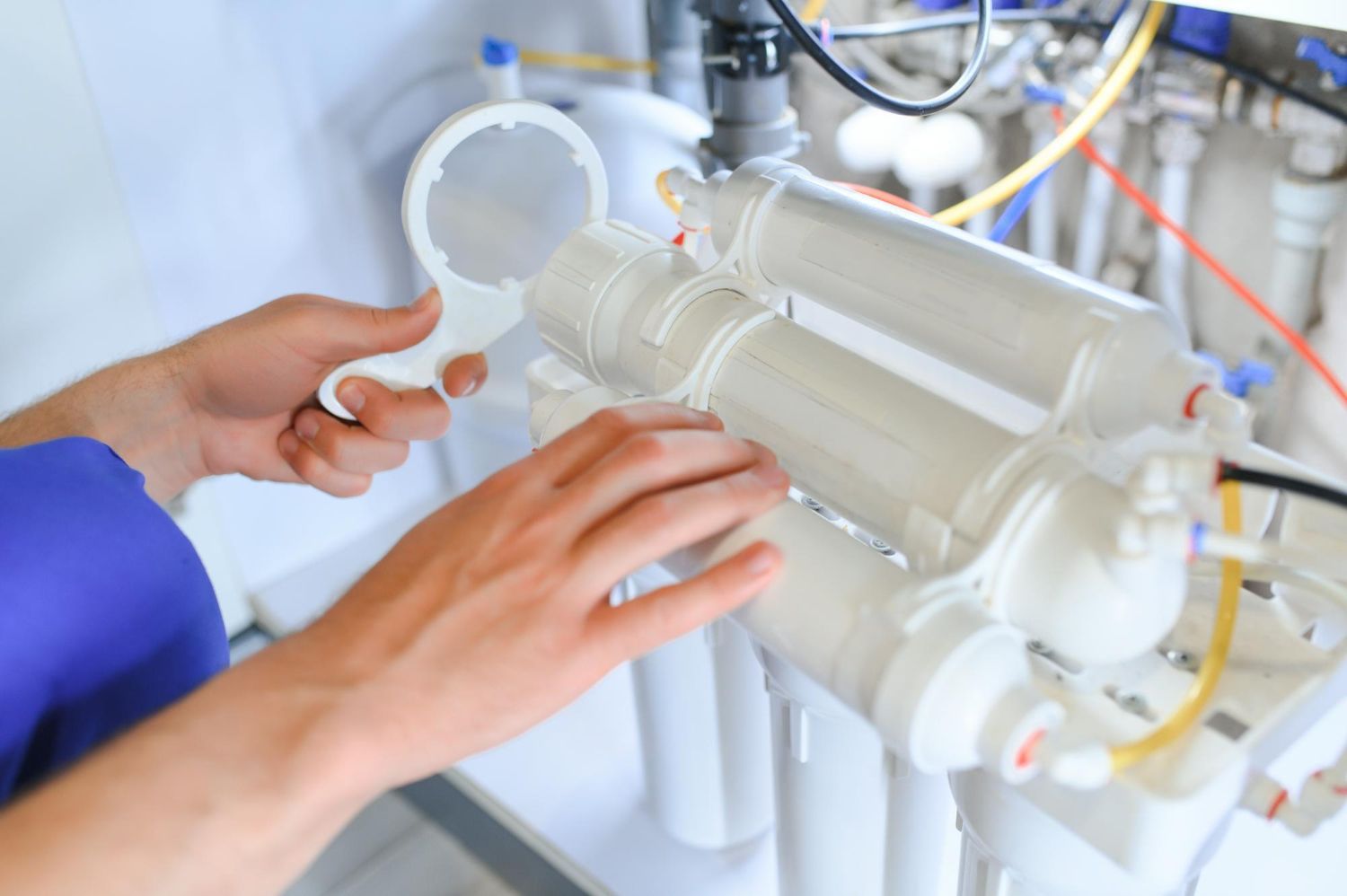
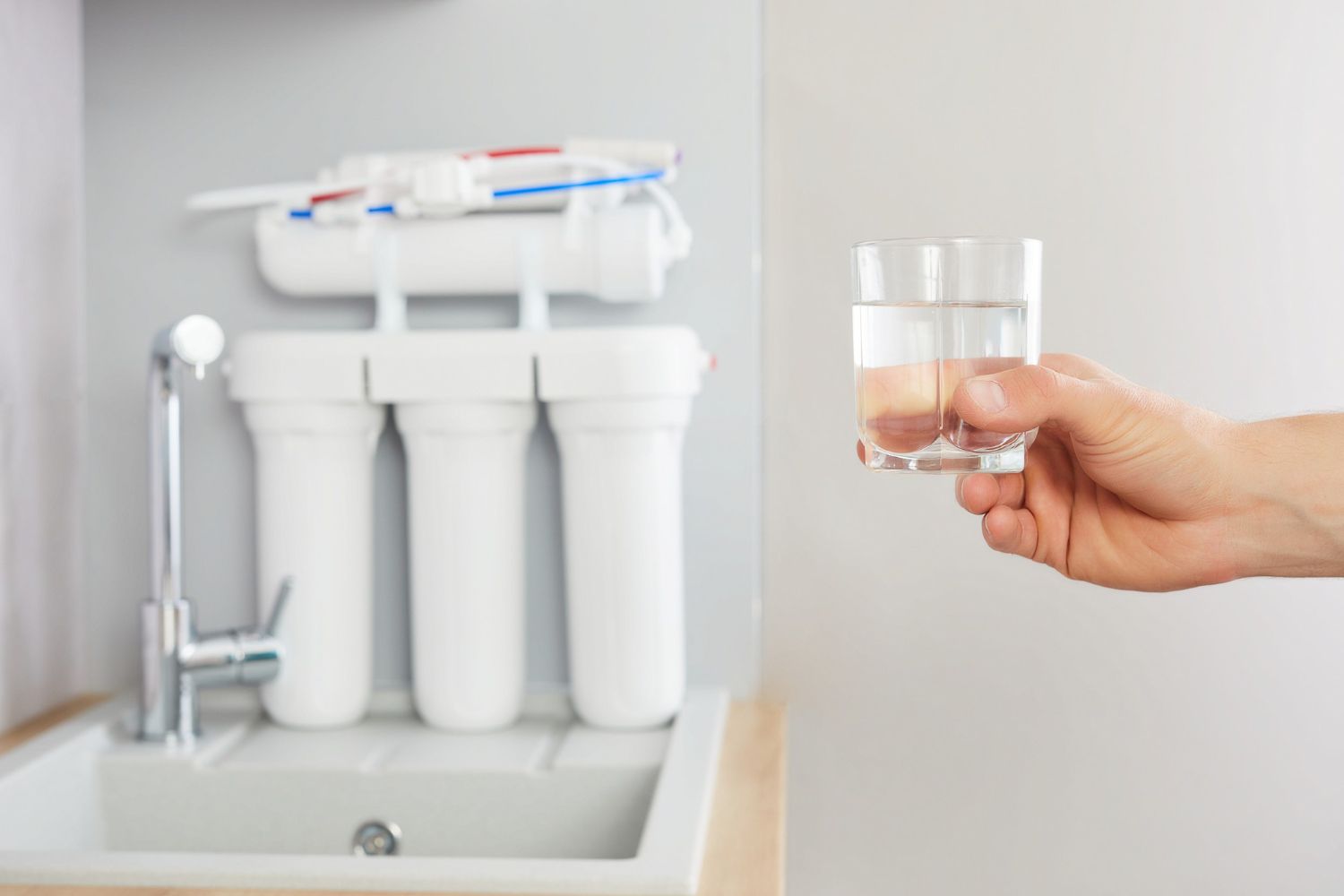
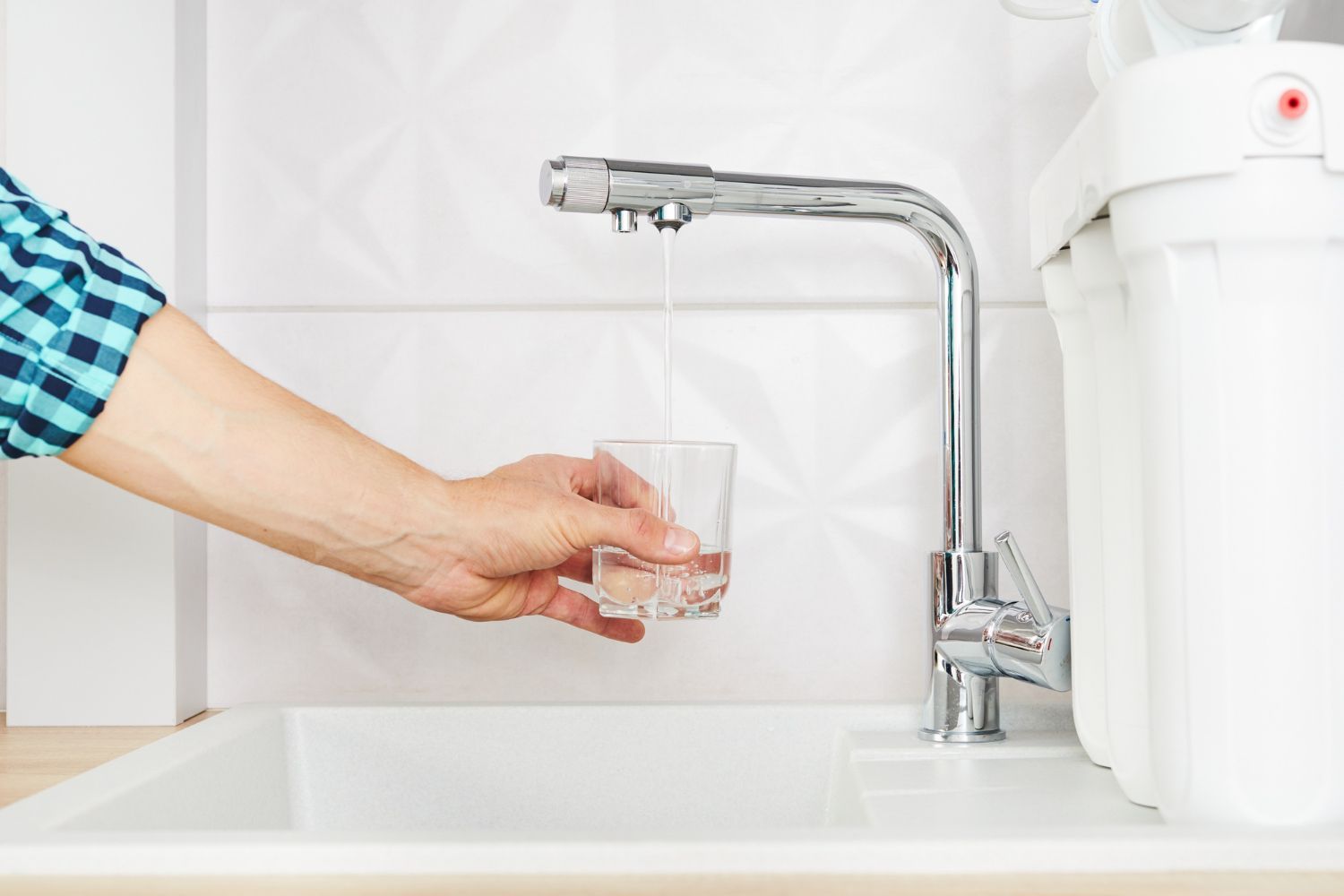
After receiving your water test results, it's important to take appropriate action. Depending on the contaminants found, you might consider installing water treatment systems such as water softeners, reverse osmosis systems, or filtration units. Regular maintenance and follow-up testing are vital to ensure ongoing water safety and quality.
Environmental Factors Influencing Water Quality
Natural environmental factors also play a significant role in determining water quality. Runoff from rainfall can carry pesticides, fertilizers, and industrial pollutants into water sources. Seasonal changes, such as snowmelt and flooding, can alter water composition by introducing new contaminants.
Understanding these environmental dynamics is essential for implementing effective water quality monitoring and intervention strategies. Protecting natural water ecosystems helps maintain their ability to filter impurities naturally, contributing to overall water quality.
Local Resources and Regulations
In Summit and Wasatch Counties of Utah, residents have access to local resources for water testing and treatment. It's essential to be aware of any state or local regulations regarding water quality and testing. Community initiatives or programs may also exist to support clean and safe water in the area.
The Role of Water Treatment Professionals
Consulting with water treatment professionals can provide numerous benefits. They offer accurate testing and effective solutions tailored to specific contaminants found in local water supplies. Professional installation and maintenance services ensure long-term water quality assurance, providing peace of mind for homeowners.
The Future of Water Testing and Treatment
Emerging trends and technologies in water testing and treatment are shaping the future of this field. Smart home water monitoring systems, for example, offer real-time insights into water quality. Advancements in technology promise more efficient and cost-effective water treatment solutions.
The impact of climate change and population growth on water quality highlights the importance of proactive water management. Ongoing research and innovations continue to influence the future of water treatment and testing, ensuring safer and cleaner water for all.
Understanding Water Hardness and Its Effects
Water hardness is a common issue that affects many households. It is caused by the presence of high levels of calcium and magnesium in the water.
Hard water can lead to the buildup of scale in pipes and appliances, reducing their efficiency and lifespan. It can also affect the effectiveness of soaps and detergents, leading to increased usage and costs. Understanding the hardness of your water through testing can help you determine if a water softener is needed to mitigate these effects and improve water quality in your home.
Regular water testing is an essential practice for ensuring the safety and quality of your household water supply. By identifying and addressing potential contaminants, you can protect your family's health and maintain the efficiency of your water systems.
Staying informed about local resources and regulations, consulting with professionals, and keeping up with emerging technologies will help you manage water quality effectively. Taking these proactive steps ensures that your household has access to clean and safe water, now and in the future.
For more information or assistance with water testing and treatment,
contact Water Science today. Our team of experts is dedicated to helping you ensure the safety and quality of your water supply.