Choosing the Ideal Filtration System for Your Home
Ensuring the purity of your household water is essential for the health and well-being of your family. With increasing awareness about the potential contaminants present in residential water supplies, choosing the right filtration system has become more important than ever. From chlorine and heavy metals to bacteria and PFAS (per- and polyfluoroalkyl substances), the range of pollutants can vary widely depending on your geographic location.
Assessing Water Quality
Assessing water quality in your home is a crucial first step in ensuring the health and safety of your household. Residential water supplies can contain a variety of contaminants, ranging from chlorine and heavy metals to bacteria and PFAS (per- and polyfluoroalkyl substances). The specific contaminants present can vary significantly based on geographic location. For instance, residents in Summit and Wasatch Counties in Utah might encounter different water quality issues compared to other regions.
In these areas, factors such as local geology and industrial activities can influence the presence of certain contaminants. Therefore, conducting a water test is essential to identify the specific pollutants in your water supply. This preliminary step helps in tailoring the filtration system to effectively address your household's unique needs.
Types of Water Filtration Systems
There are several types of water filtration systems available, each designed to tackle specific contaminants. Understanding how these systems work can help you make an informed decision.
Activated Carbon Filters: These filters are effective in removing chlorine, sediment, and volatile organic compounds (VOCs) from water. They work by adsorption, where contaminants are trapped in the pores of the carbon material. They are not very effective against heavy metals or dissolved inorganic substances.
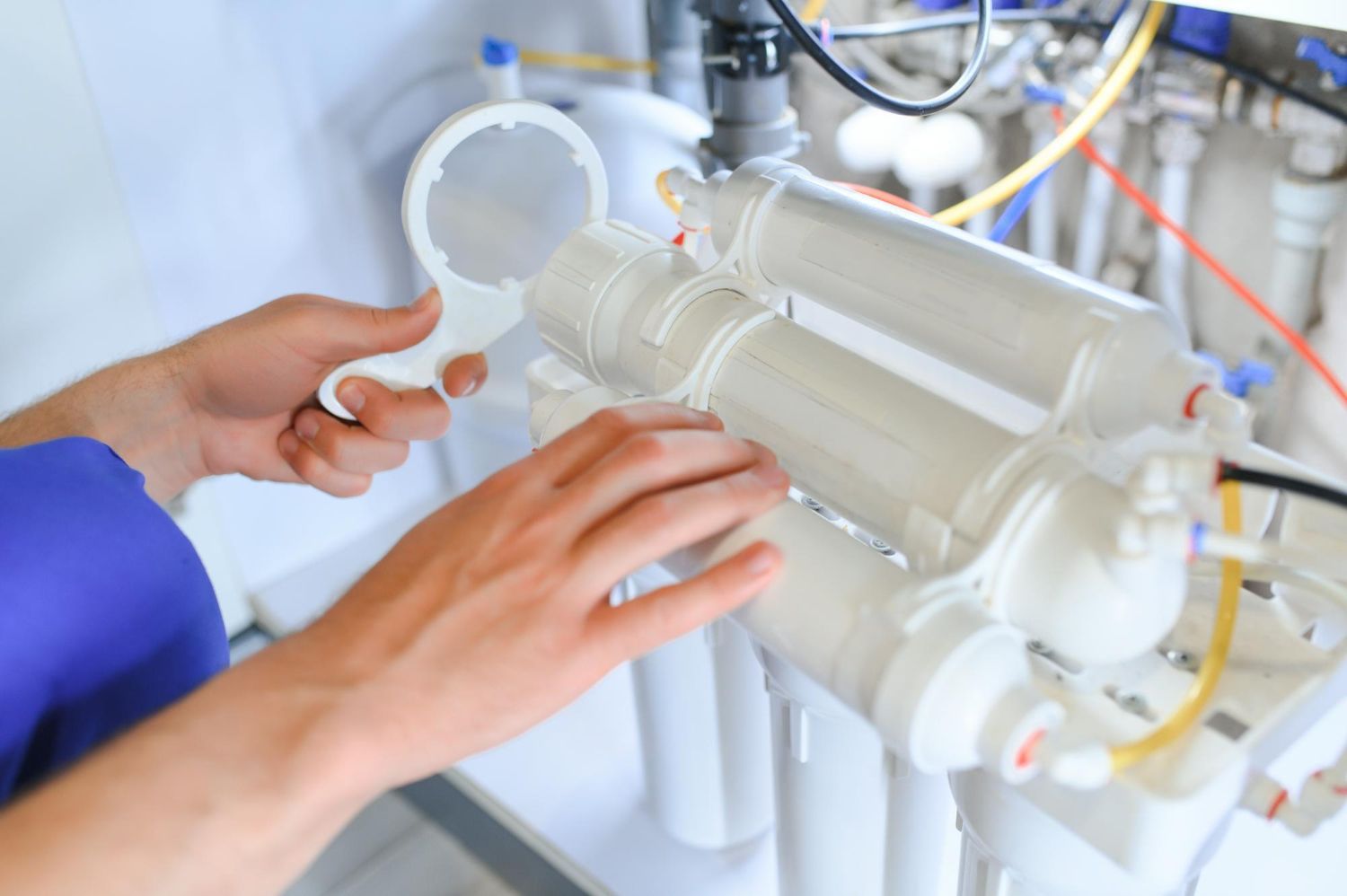
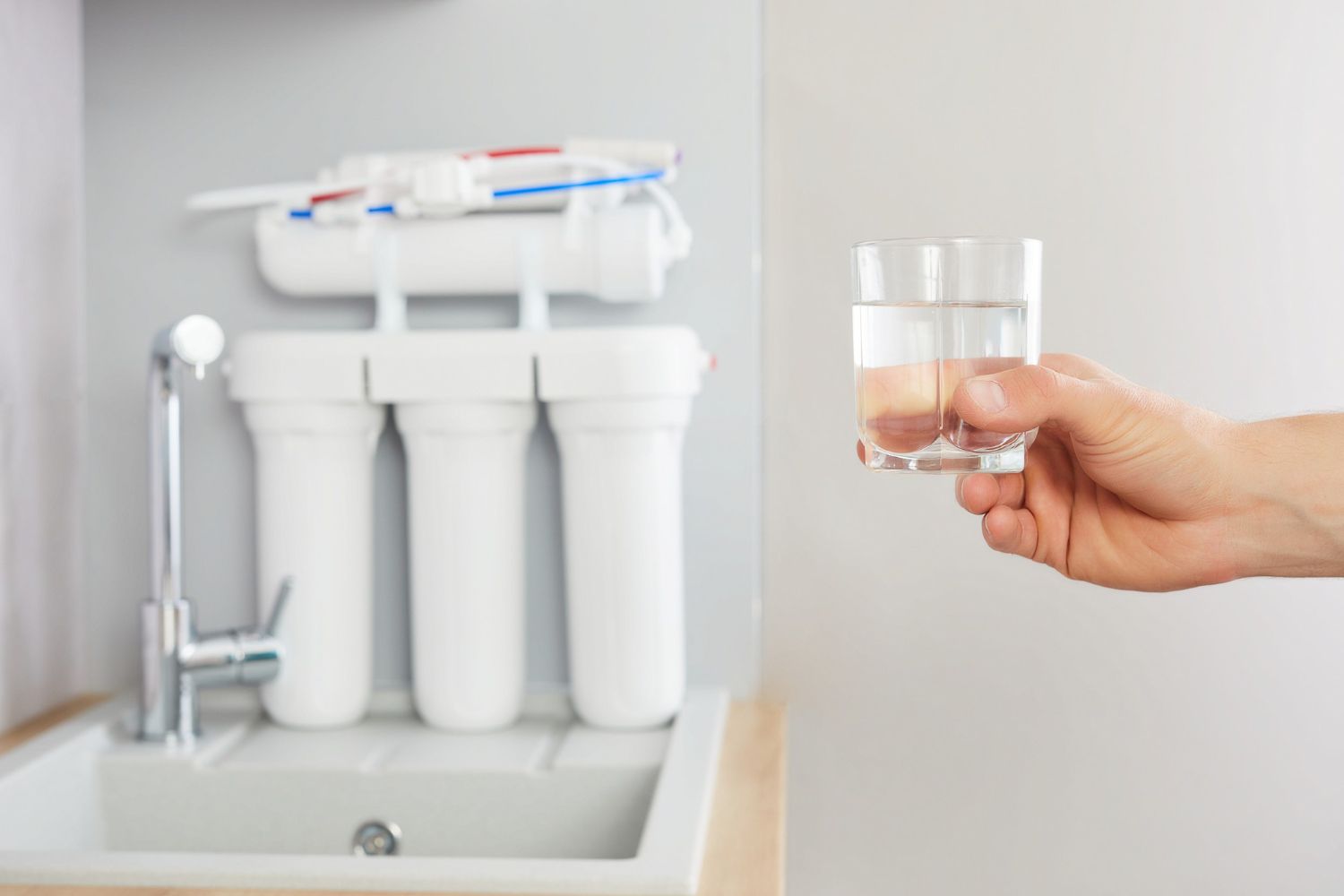
Reverse Osmosis Systems: These systems use a semi-permeable membrane to remove a wide range of contaminants, including heavy metals, nitrates, and bacteria. Reverse osmosis is highly effective but can be more expensive and waste more water compared to other systems.
UV Purifiers:
Ultraviolet purifiers use UV light to kill bacteria and viruses. While they are excellent for disinfecting water, they do not remove chemical contaminants or particulates.
Factors to Consider When Choosing a System
When selecting a water filtration system, several factors should guide your decision:
Water Source:
The origin of your water supply (municipal or well water) can influence the type of filtration system you need. Municipal water might have different treatment requirements compared to well water, which can be more susceptible to contamination from surrounding soil and rock.
Household Size:
The number of people in your home affects water usage and, consequently, the capacity required from your filtration system. Larger households may require systems with higher flow rates to ensure adequate water supply.
Budget Considerations:
Initial costs, maintenance expenses, and potential long-term savings are important financial factors. While some systems might have a higher upfront cost, they could offer savings through reduced maintenance or longer filter life.
Local Considerations for Summit and Wasatch Counties
Residents of Summit and Wasatch Counties should be aware of specific
water quality issues
prevalent in these areas. For example, heavy metals and PFAS are known concerns that require targeted filtration solutions. Local regulations or guidelines may also impact the choice of filtration systems, ensuring compliance with safety standards.
Insights from local experts highlight the common challenges in water quality faced by the community. For instance, the local geology can contribute to the presence of certain minerals, necessitating specialized treatment options.
Installation and Maintenance
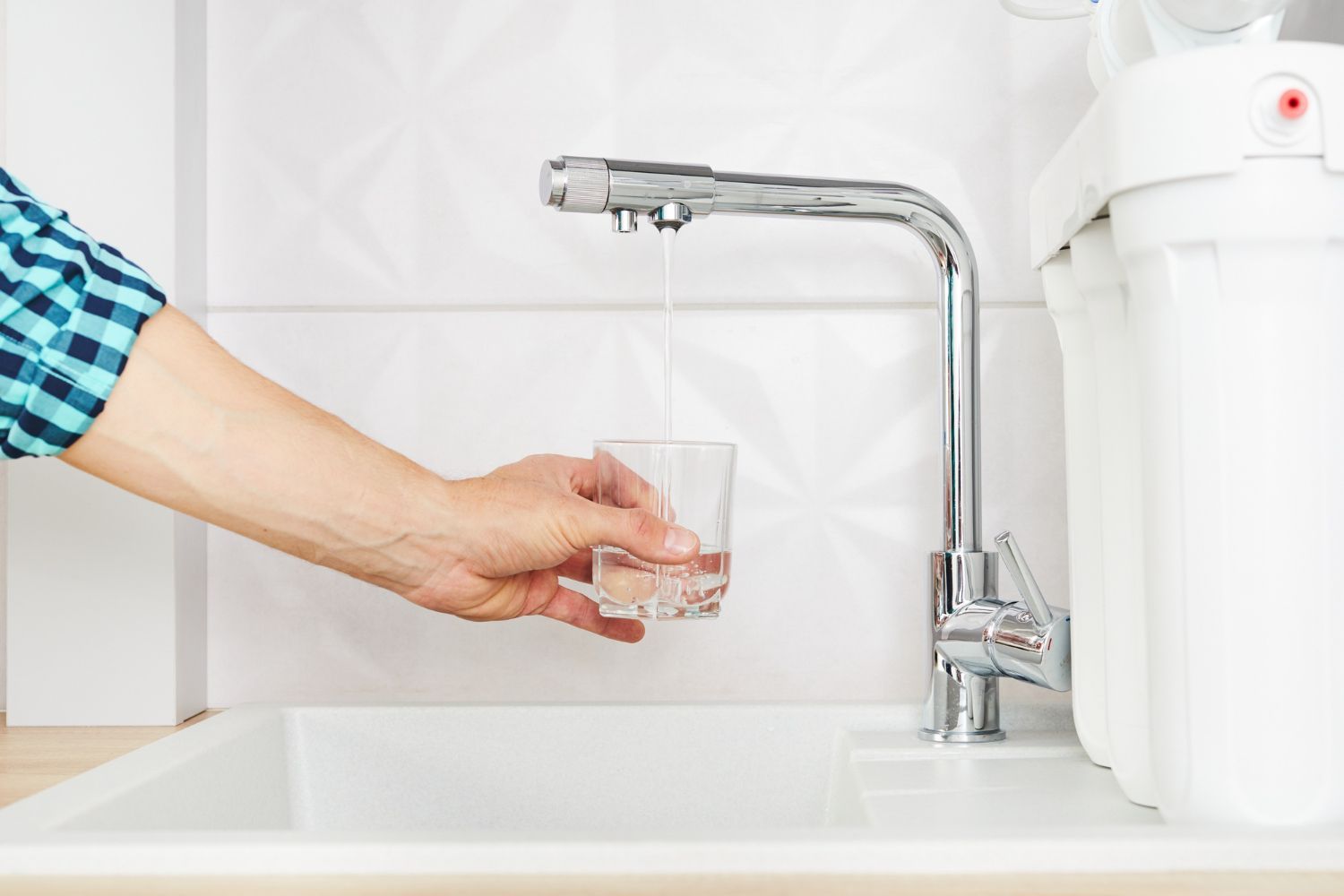
The installation process varies significantly depending on the type of filtration system chosen. Simple systems like activated carbon filters can often be installed by homeowners with basic tools and minimal technical knowledge; these systems might involve simply attaching a filter to an existing faucet or within a water pitcher, making them accessible for quick and easy implementation. In contrast, more complex systems such as reverse osmosis or whole-house filtration units typically require professional installation. This ensures proper setup and functionality, as these systems may involve intricate plumbing connections, electrical components, and precise pressure settings that necessitate a higher level of expertise to avoid potential issues such as leaks or inefficiency.
Maintenance is another crucial aspect to consider, as it significantly impacts the performance and longevity of the filtration system. Each system type has specific maintenance needs; for instance, activated carbon filters generally require regular replacement every few months depending on usage and water quality, while reverse osmosis systems may need semi-annual filter changes and annual membrane replacements. It's important to factor in potential costs associated with replacement parts and any professional services required, as these can contribute to the overall cost of ownership.
Evaluating System Effectiveness
To assess the effectiveness of a water filtration system, homeowners should conduct periodic water testing and performance checks. This ongoing evaluation helps ensure the system continues to meet the household's water quality needs.
Staying informed about new contaminants and emerging filtration technologies is also important. The
[Environmental Protection Agency](https://www.epa.gov) provides guidelines on water quality standards and monitoring, which can be a valuable resource for homeowners.
Advanced Filtration Technologies
Advancements in filtration technology continue to evolve, offering more efficient and effective solutions for residential water treatment. One such advancement is the development of nanofiltration systems, which can remove even the smallest particles, including some viruses and pharmaceuticals, from water. These systems use membranes with tiny pores to achieve a high level of filtration, making them suitable for areas with complex contamination issues.
Another emerging technology is the use of catalytic carbon filters, which are designed to break down contaminants at a molecular level. This method is particularly effective against chloramines and hydrogen sulfide, providing an additional layer of purification for homes dealing with these specific issues.
Understanding your home's water quality needs and selecting the right filtration system involves careful consideration of various factors, including local conditions, household requirements, and budget. By taking these into account, you can ensure your household has access to clean, safe, and great-tasting water. With advancements in technology, there are more options than ever to tailor a solution that fits your specific circumstances, ensuring the health and safety of your family.
For more information on choosing the right filtration system for your home,
contact Water Science today. Our experts are ready to assist you in finding the perfect solution for your water quality needs.