What to Expect From a Winter RO System Tune-Up
As winter tightens its grip in places like Park City and Salt Lake City, we spend a lot more time indoors. That often means more cooking, cleaning, and water use overall. Your reverse osmosis (RO) system works harder too, quietly running in the background to give your household clean, good-tasting water. But when temperatures drop, even strong systems can start to lag. Cold water slows things down, filters reach the end of their life, and wear shows up in places you don’t usually think to check.
This is where RO system maintenance really matters. A winter tune-up helps catch small problems before they grow, keeping your water steady and clean all season long. If you've ever wondered what proper care looks like for your system this time of year, here's what to expect.
Why Winter Conditions Can Stress RO Systems
Cold water behaves differently than warmer water. It moves slower, and that can affect how your RO system performs. A drop in temperature often means a drop in pressure and flow. This doesn’t always show up right away, but over time, slower movement can make the system feel sluggish or overworked.
Around the holidays, water use tends to spike. More guests, extra loads of dishes, and cooking all add to the strain. This makes the system work overtime, especially if filters are nearing the end of their lifespan. That extra stress can catch up quickly when combined with Utah's icy winter air.
Another issue we see a lot during colder months is worn seals or fittings starting to leak. Older parts exposed to freezing temperatures are more likely to shrink slightly or crack. If your RO unit is near a cold basement wall or in an uninsulated area, that risk goes up. It’s these small things that can snowball into bigger issues if not caught early.
What Gets Checked During a Winter Tune-Up
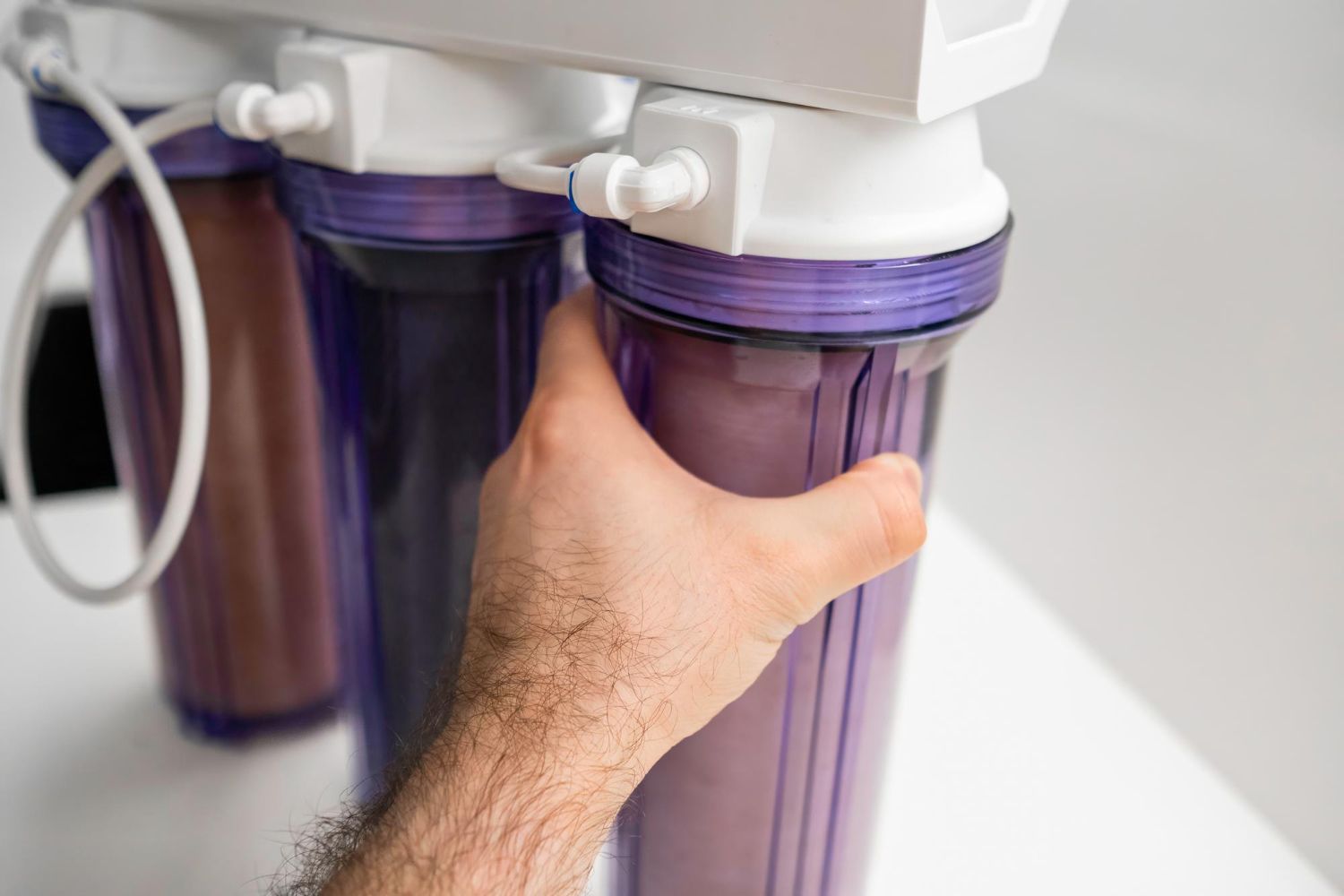
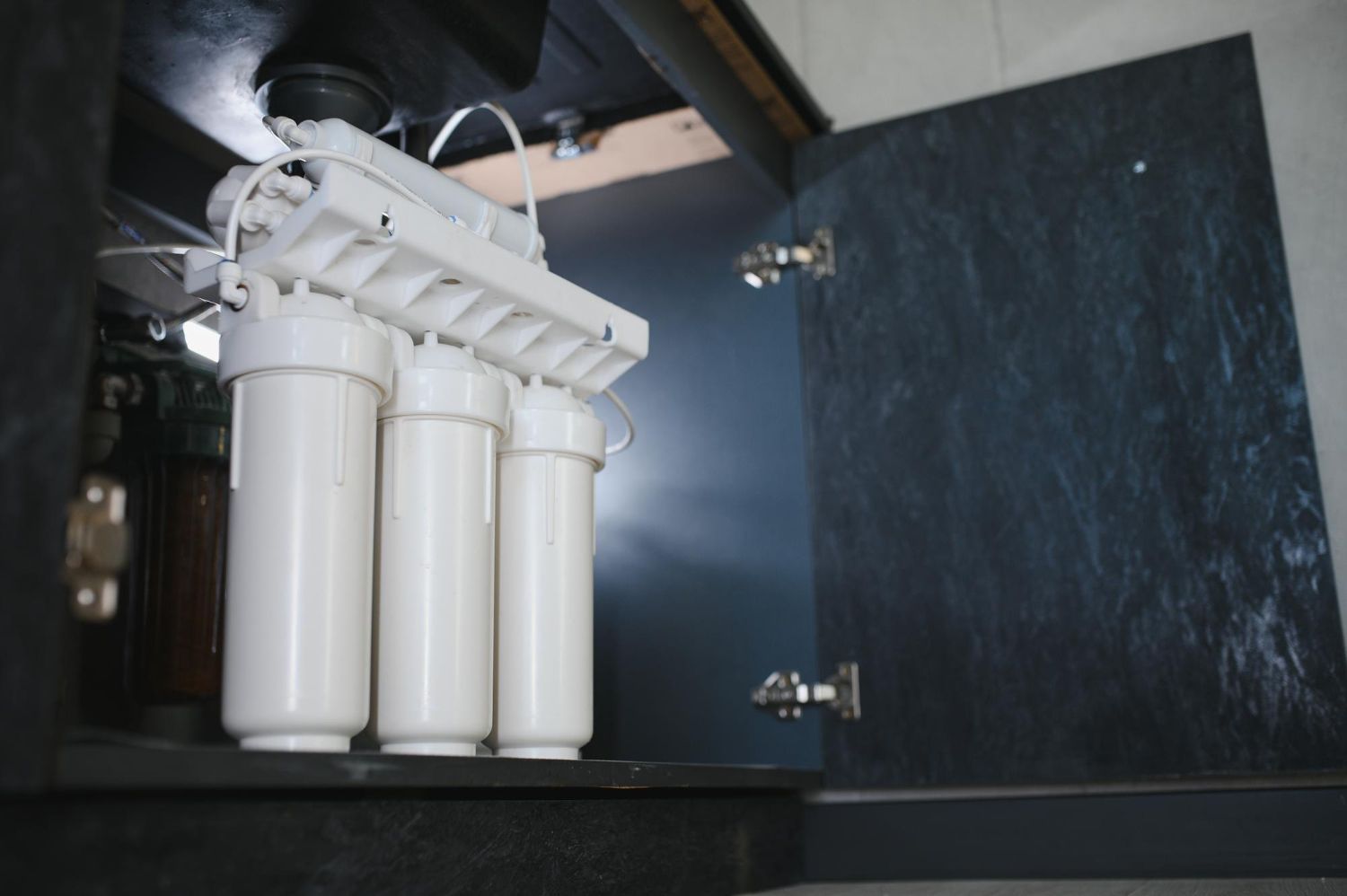
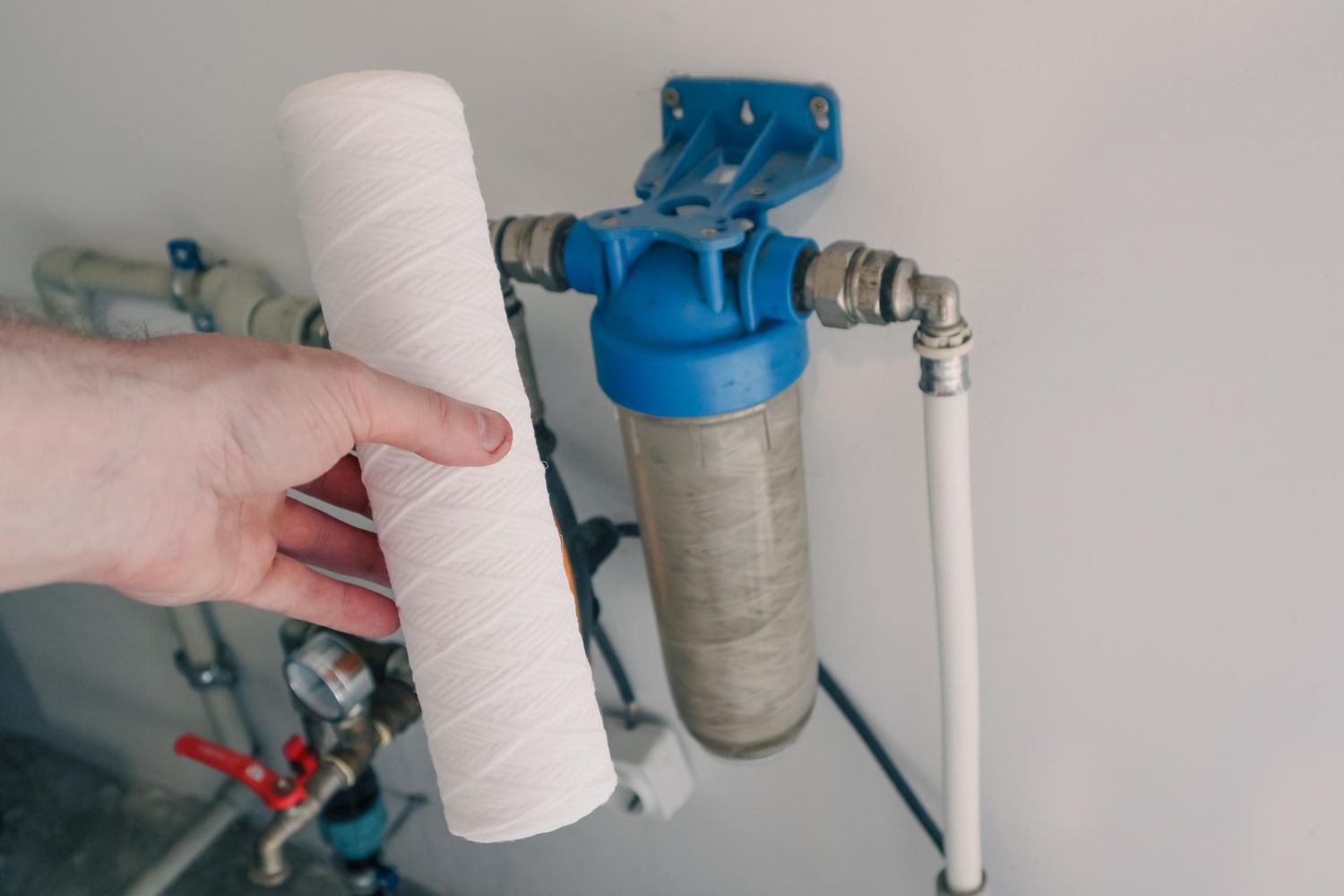
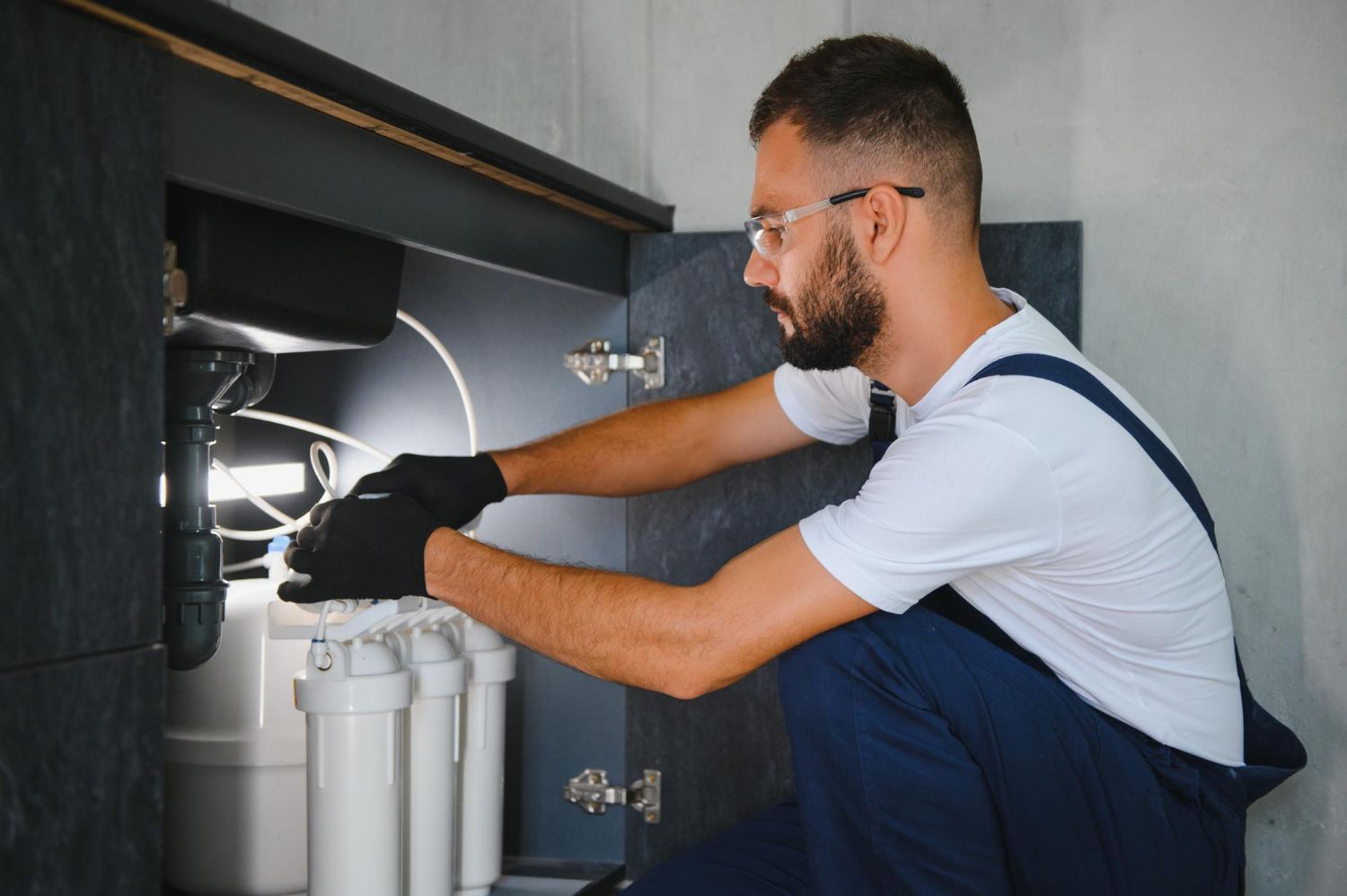
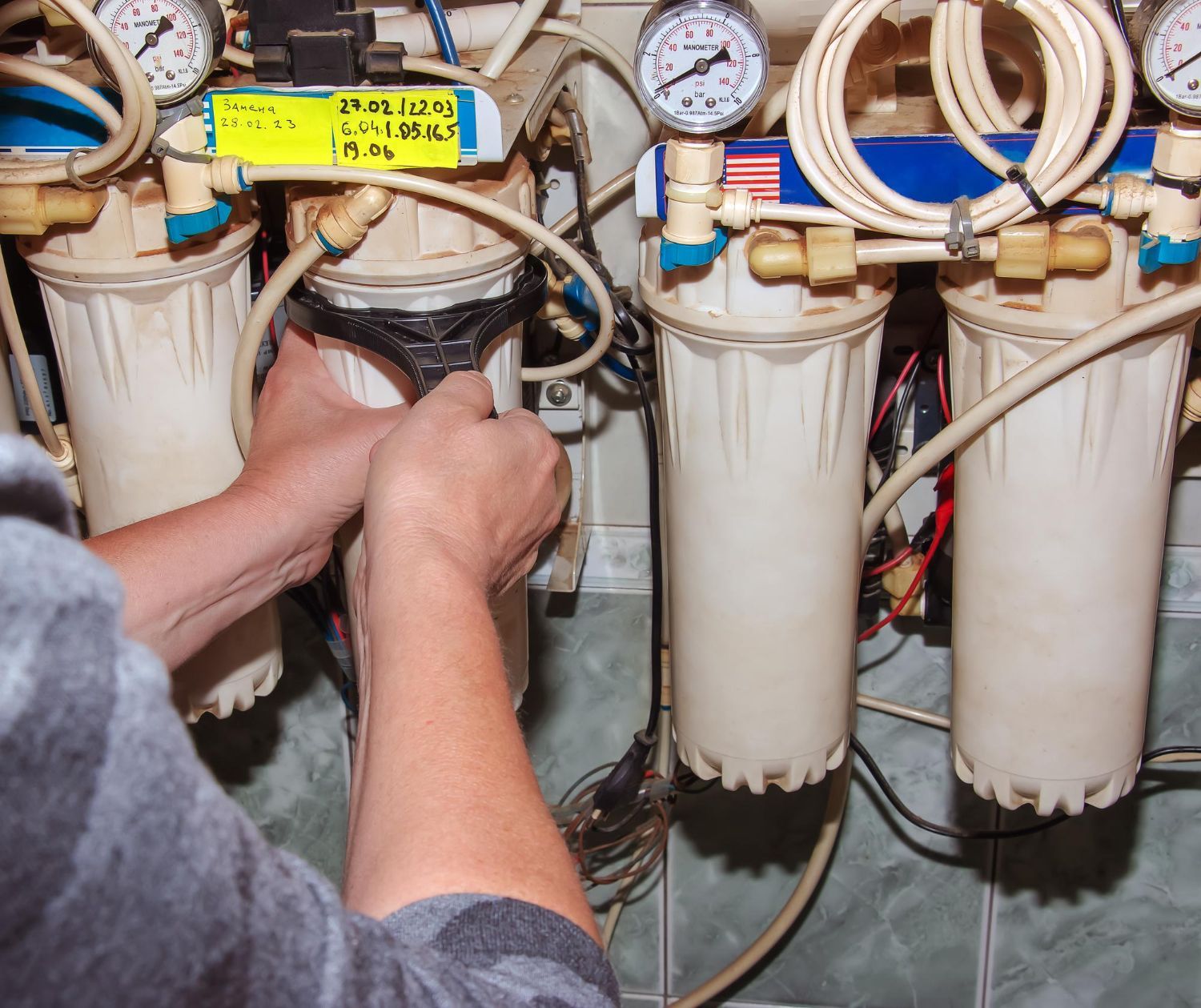
An experienced technician will walk through each part of the system to make sure everything looks and runs like it should. Winter tune-ups often begin with a look at the filters. These are the workhorses of the setup, and over time, they collect all the unwanted stuff from your water. If they look clogged up or heavily discolored, they likely need a change.
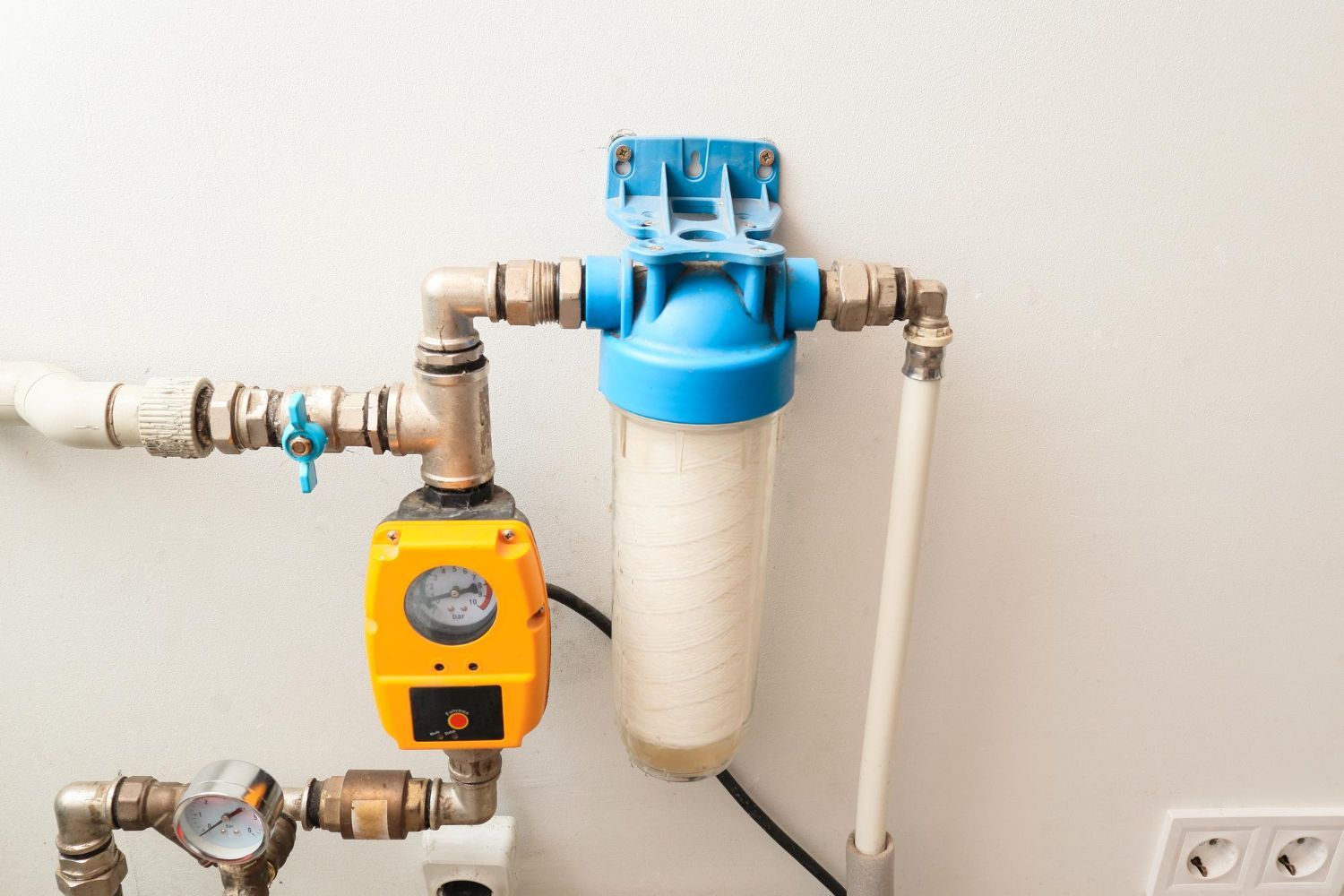
Next comes the tubing. This is where sediment can build up, especially in areas with hard water. The lines are checked for cracks, wear, or blockages that might reduce flow.
We also look at water pressure. Even if the filters seem fine, low pressure during winter could mean something deeper is going on. Testing the flow rate helps catch these concerns early.
Fittings and valves are also a focus, especially if the system sits close to exterior walls or in cooler spaces. Leaks don't always show up as puddles. Sometimes they begin as drips or damp spots that are easy to miss. A detailed look here can prevent water damage down the line.
Water Science’s winter RO service for Park City, Salt Lake City, and Summit and Wasatch counties includes filter and membrane changes, water pressure checks, and leak inspection for under-sink and whole-home systems.
Filter and Membrane Considerations This Time of Year
One of the most common cold-weather surprises is the way filters and membranes react to lower temperatures. If you’ve had your filters installed for a while, colder water can push them past their limit. That means your water may not taste quite right or flow as smoothly.
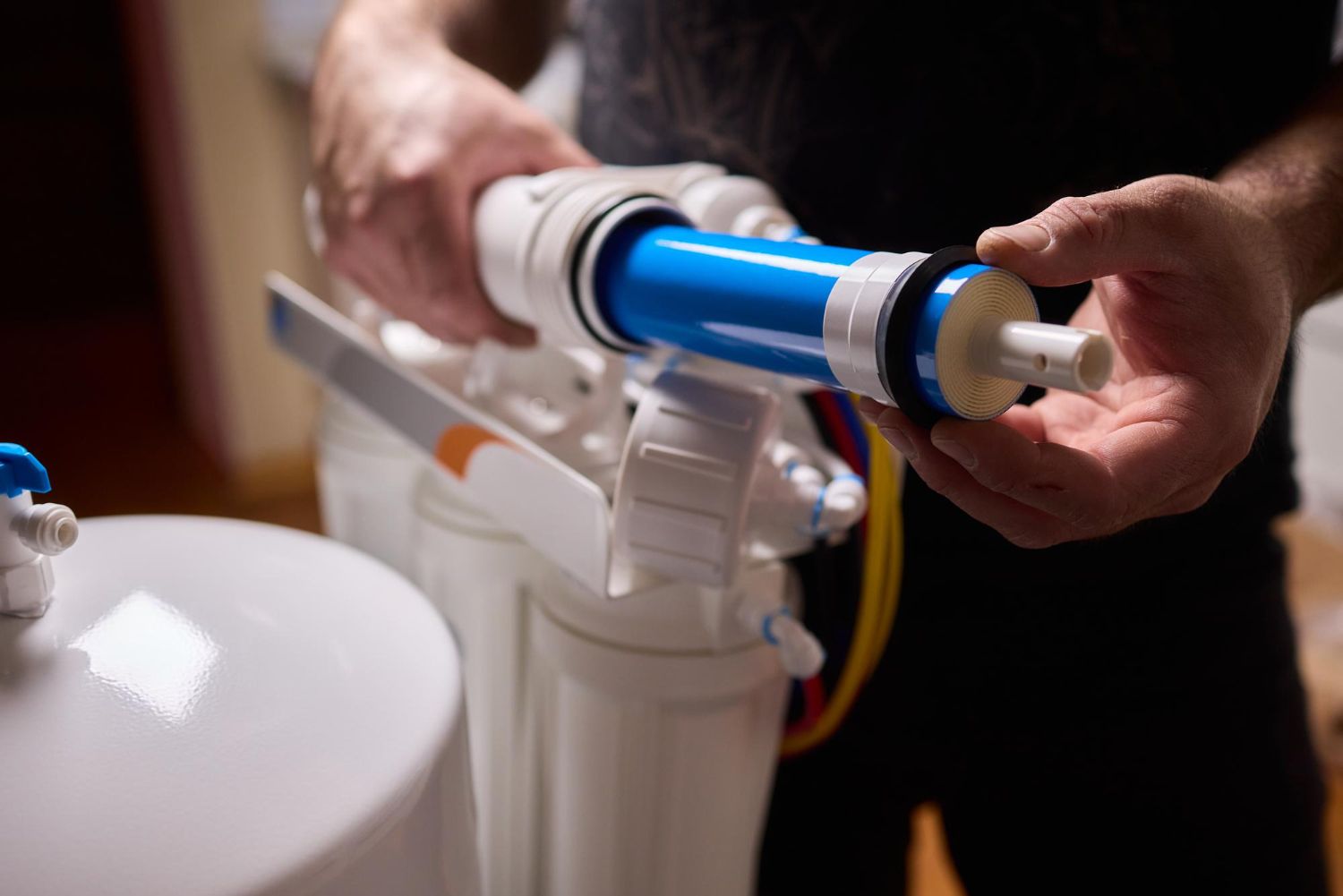
Membranes are especially sensitive to water temp. When the feed water is colder, it takes longer to move through the system. That doesn’t just slow down your output, it can put stress on other parts of the system too. A winter tune-up helps spot when it's time to replace or clean the membrane.
Another smart move is timing filter changes in the winter. Springtime often brings higher water use, thanks to cleaning, gardening, or just having the windows open more often. If your filters get a refresh in late December or January, you’re far less likely to run into system issues when usage ticks up again.
Signs That Suggest You’re Overdue for Maintenance
Some problems make themselves known. Others creep up slowly. Knowing what to watch for can help you stay ahead of bigger repairs.
Here are a few common red flags:
- The water has an odd taste or faint smell that wasn’t there before
- The system makes strange sounds while it runs, like hissing or clicking
- The holding tank takes a lot longer to fill, or the water pressure at the faucet feels weaker than usual
These signs don’t always mean something is broken. But they do point to strain somewhere. Cold weather can hide the source of the problem, so if anything feels off, it’s worth having it looked at.
Keeping Water Flowing Right Through Winter
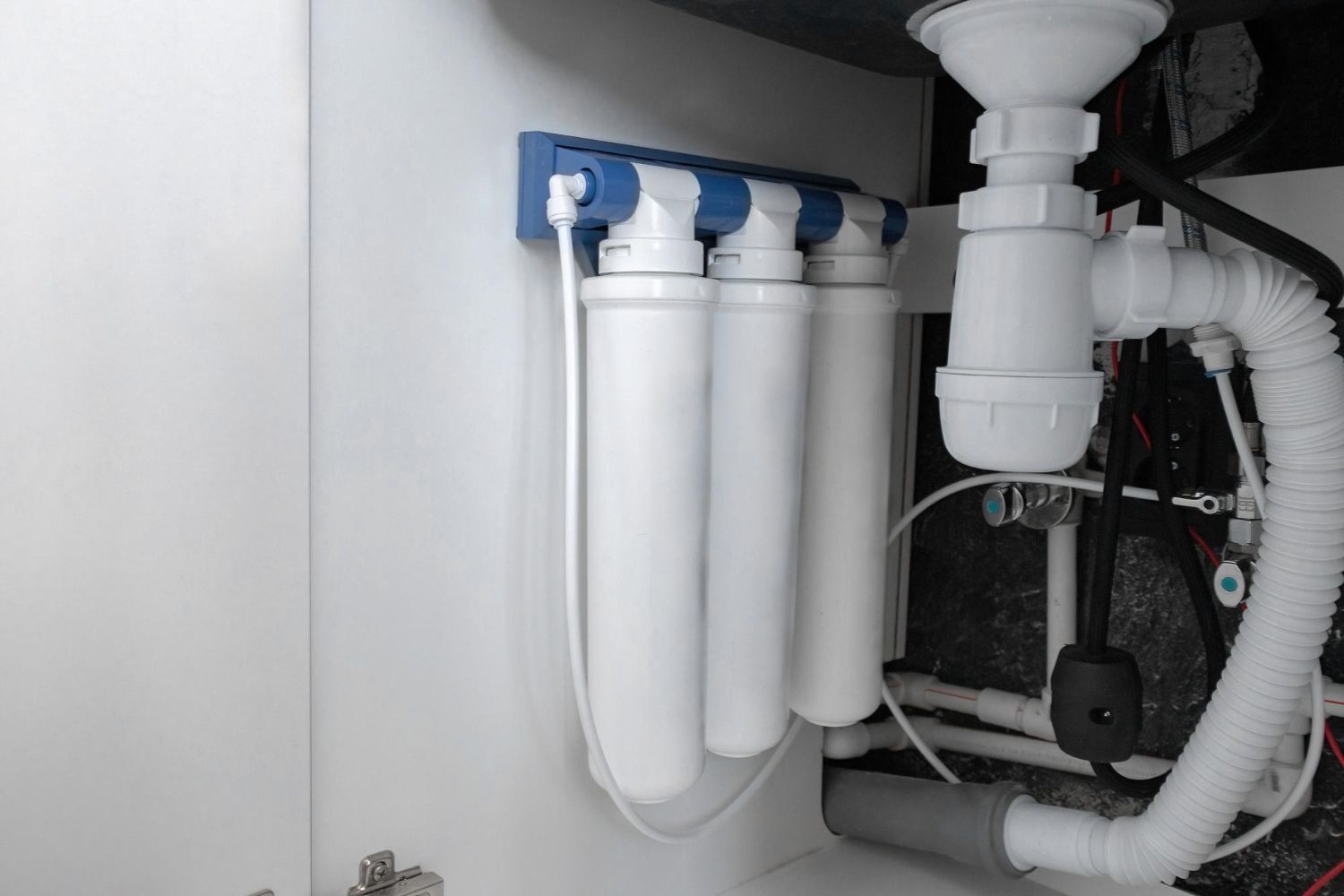
RO systems need a little more attention during winter, especially in colder areas like Park City and Salt Lake City. With a standard tune-up, you’re really just giving the system what it needs to keep working quietly and cleanly. It’s not about big upgrades or overhauls. It’s about checking the parts that wear out, making sure everything fits right, and catching changes before they affect your water.
Cold weather might not seem like a big problem for a system that sits quietly under your sink, but it can sneak in through pressure changes, hidden leaks, and slower flow. Keeping up with RO system maintenance in the colder months really pays off. It means fewer surprises, more steady performance, and water you can count on when you’re staying inside more often.
Winter’s a good time to stay ahead of small issues that can throw off your water flow or change the way it tastes. Cold temperatures slow things down and put more strain on filters, membranes, and tubing. If your water seems different or you’re hearing new sounds under the sink, it might be time for a checkup. We can help you stay on top of RO system maintenance before small wear turns into a bigger fix. Contact Water Science to schedule a winter tune-up and keep everything running smoothly.