How to Explain Water Purification Systems to Your Kids
Kids are curious about just about everything, including the water they use every day. They might ask why water smells different sometimes, why they can't drink rainwater, or what that filter in the fridge even does. These are good questions, and winter break is often when families have slower mornings and more time for simple conversations like this. Talking about something as big as a water purification system might sound complicated, but when we break it down using everyday ideas, it starts to make more sense. For younger kids especially, simple comparisons, hands-on examples, and patience go a long way in helping concepts land. We don’t need to get into science class mode. We just need to connect what they already know with new ideas that live right in our homes.
Start with What They Know
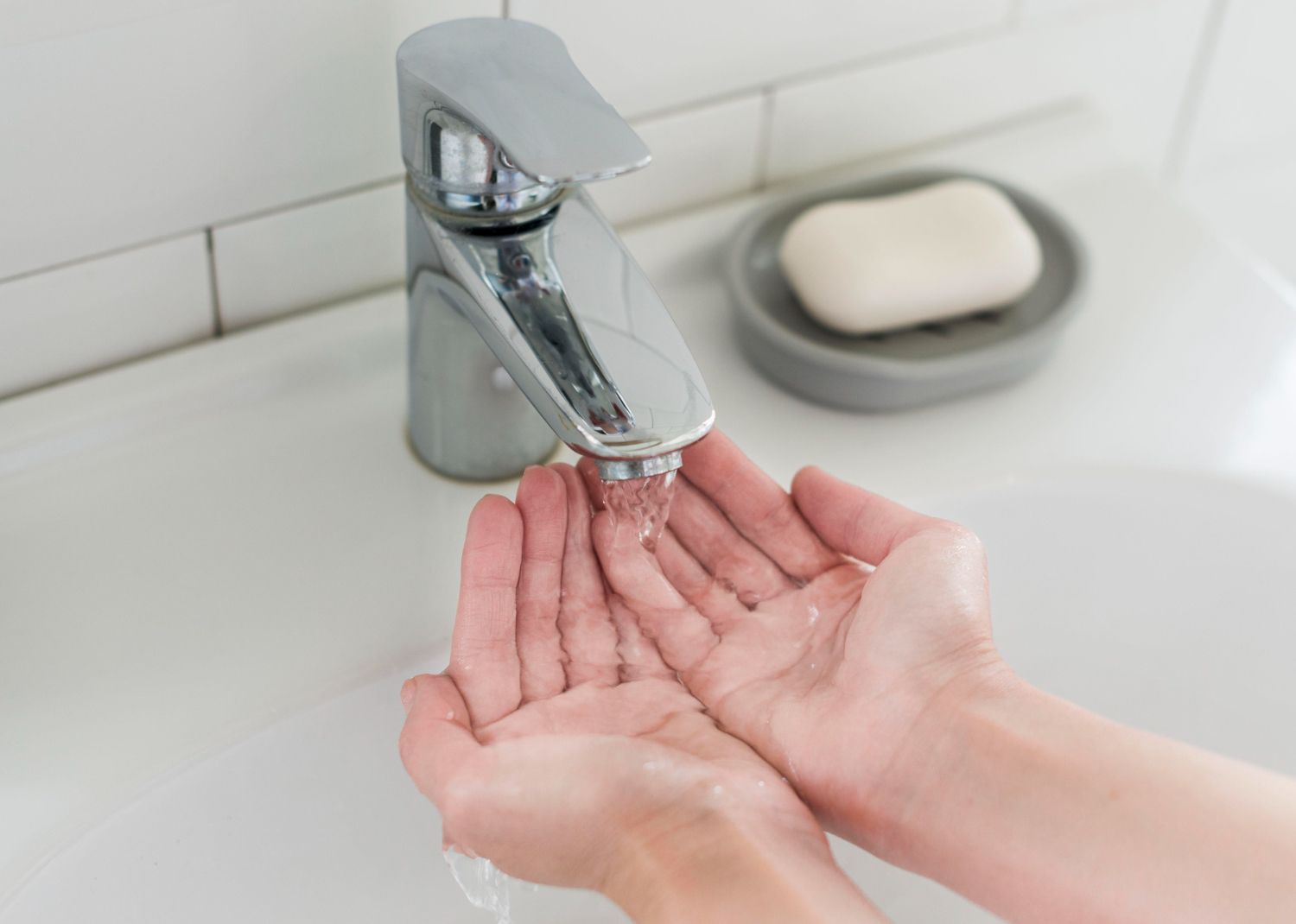
Some of the best conversations start with what kids already see and use. Touching on daily routines is a smart way to start. Talk about washing hands, filling a glass from the fridge, or running the bath. These things happen every day, but we don’t always talk about where that water comes from or what happens before it gets to the tap.
Ask them this: “Why do you think we don’t drink water from a muddy puddle?” Questions like that help them start connecting what clean water looks and feels like with what they use at home.
Another approach is to link it to chores. “Cleaning water is kind of like cleaning your room—sometimes it just takes a little time and the right tools.” When we use familiar ideas, kids feel more comfortable asking more questions. That’s where the real learning starts.
Break Down the Journey of Water
We can help kids understand that water doesn’t just magically appear. It starts somewhere—maybe underground, near a mountain, or from a city supply. Along the way, it can pick up things that don’t belong in drinking water. Dirt, minerals, and even tiny things we can’t see can end up in that flow.
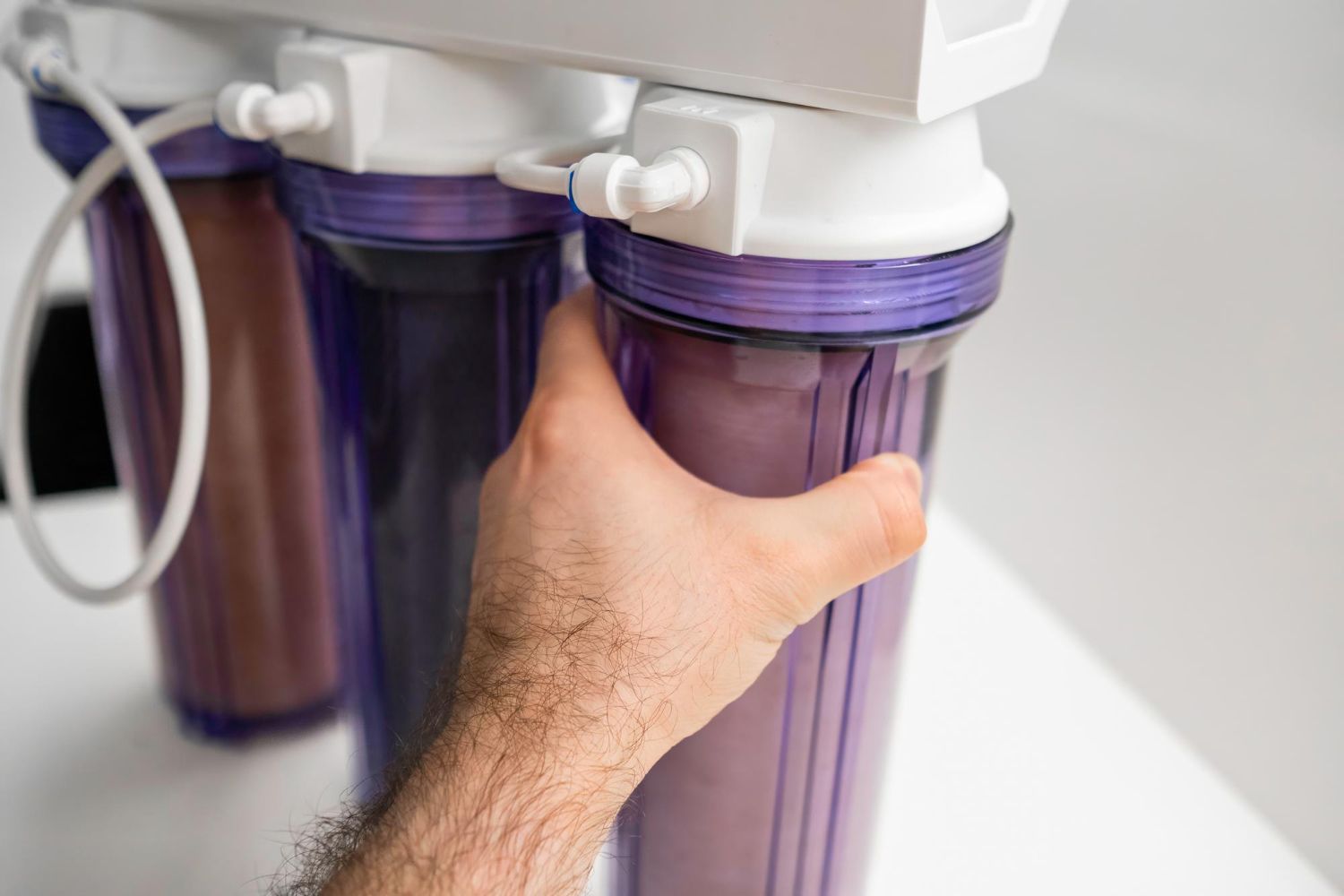
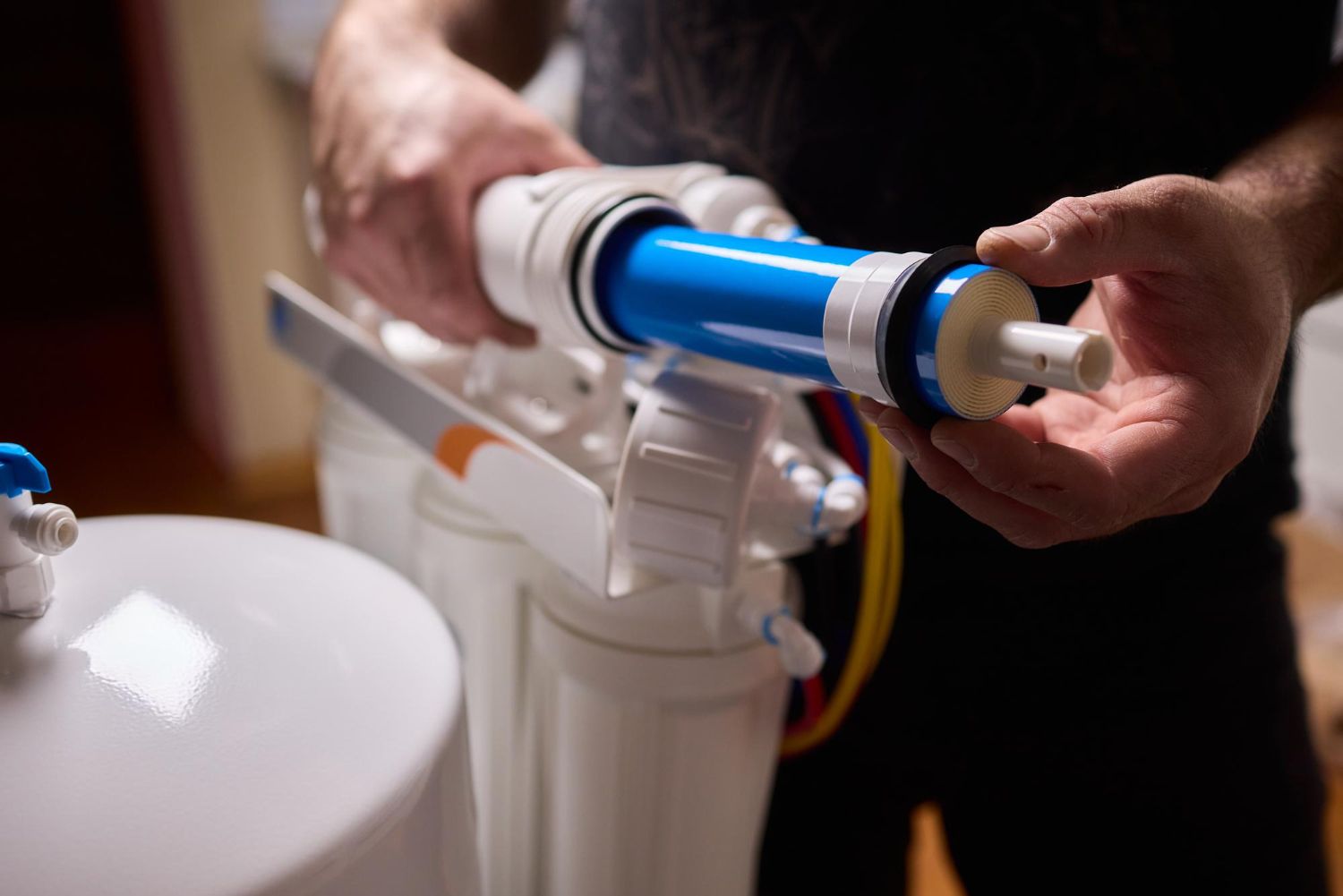
That’s where purifying the water comes in. A water purification system helps remove the stuff that shouldn’t be there before it reaches the sink or shower. It’s a bit like putting dirty clothes in the washer. You don’t want to wear them until they’ve had a rinse and spin.
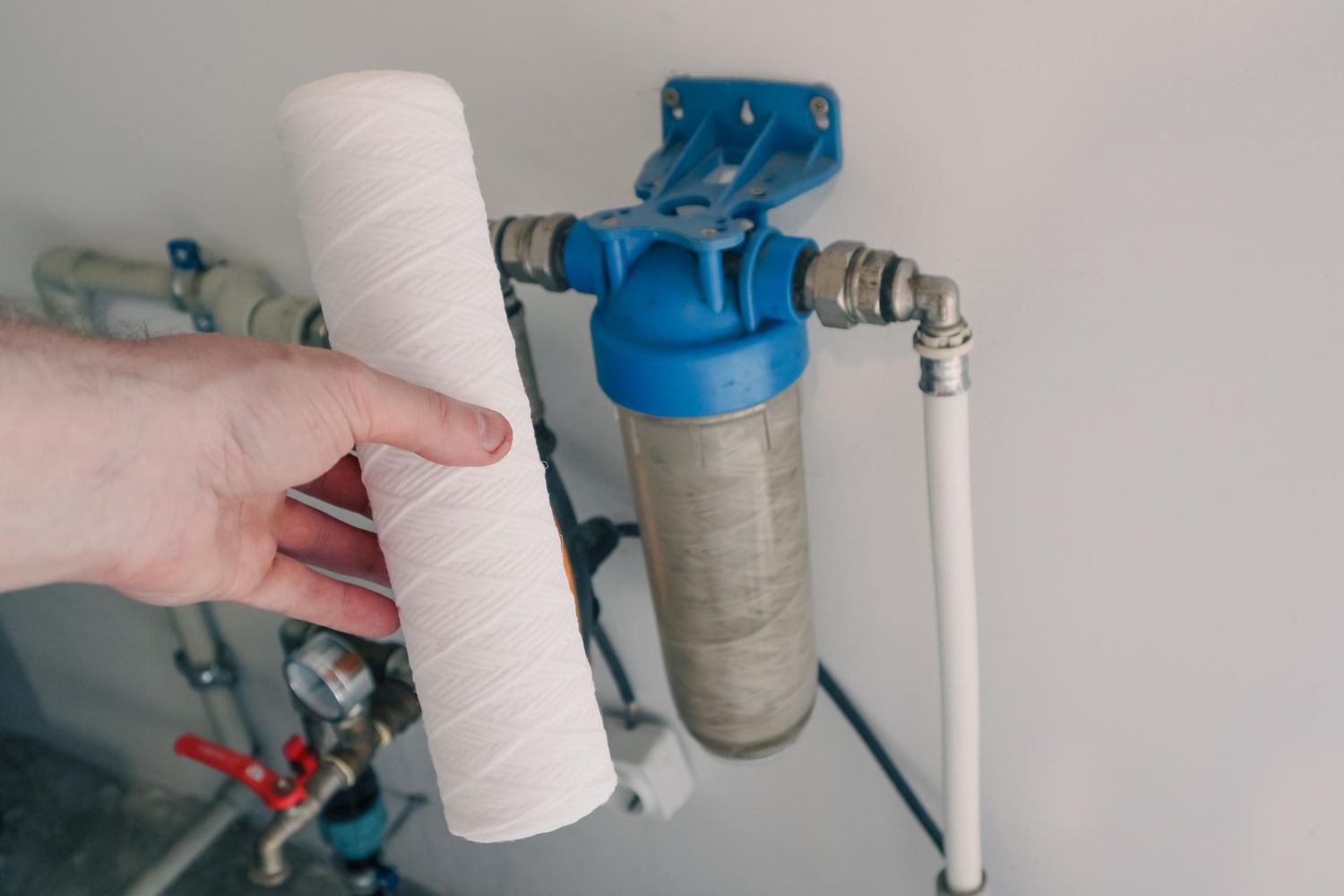
To keep it simple, compare a filter to a sponge or strainer. It catches things the same way a spaghetti strainer holds back noodles. Saying “the water goes through something that catches the bad stuff” keeps the talk simple and clear. The goal here isn’t to list steps or parts, just to help kids picture that it’s more than just pipes and taps.
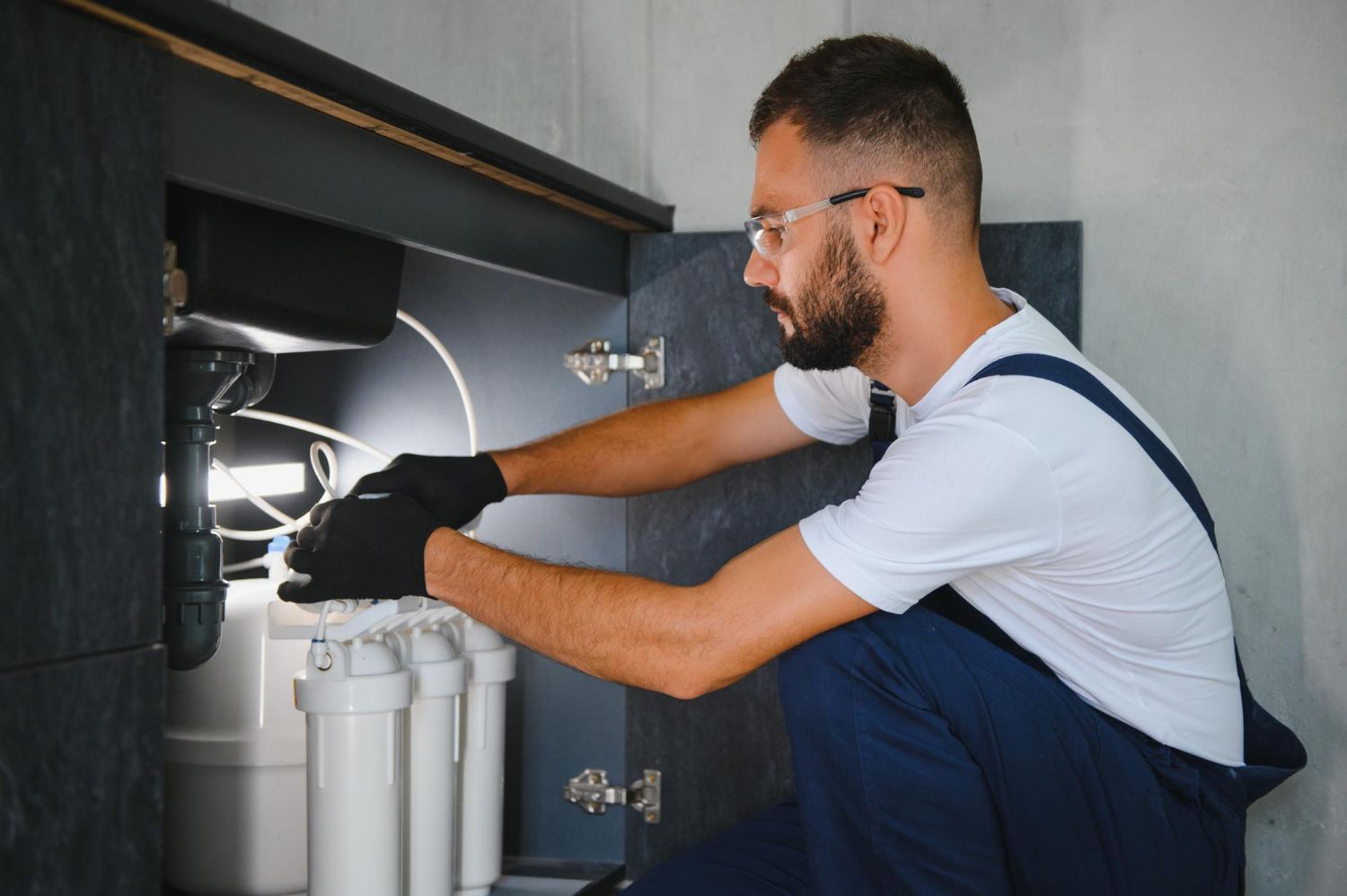
Water Science installs and maintains under-sink, refrigerator, and whole-home water filtration and purification systems tailored for Park City, Salt Lake City, and surrounding neighborhoods.
Make It Visual and Hands-On
One of the most fun ways to talk about clean water is to show it. Clear pitchers, sponges, or coffee filters are easy tools to use. If you add a drop of food coloring or bits of rice to a glass of water, then pour it through something like a homemade filter, kids can actually see how pieces stay behind. Just make sure it’s all safe to use and clean up.
Using their own cups or toys can make it more personal. A lot of kids ask better questions when their hands are involved, not just their ears. “What do you think happened to the stuff in the water?” Let them guess. You can guide their thinking without turning it into a quiz.
These moments don’t have to look like a science lesson. They can be part of playtime. The big idea is to help kids realize that clean water isn’t automatic—it’s the result of a smart system working without being seen.
Answering Their “Why?” Questions
Kids ask why water tastes different at grandma’s house, why it smells funny sometimes, and if it’s okay to drink from a garden hose. These are honest and common questions, and answering them clearly helps build trust.
Start with a version of the truth that fits their age. “It tastes different because the water is cleaned a little differently in that town.” Or, “The hose might have stuff inside it we don’t want to drink.”
Other questions might be:
- “Why do I have to wait for the water to get warm?”
- “What happens to the water after it goes down the drain?”
- “Is rainwater clean?”
It’s okay not to have every answer on the spot. Keep answers simple, speak with confidence, and aim for honesty without going too deep too fast.
Learning Together Around the House
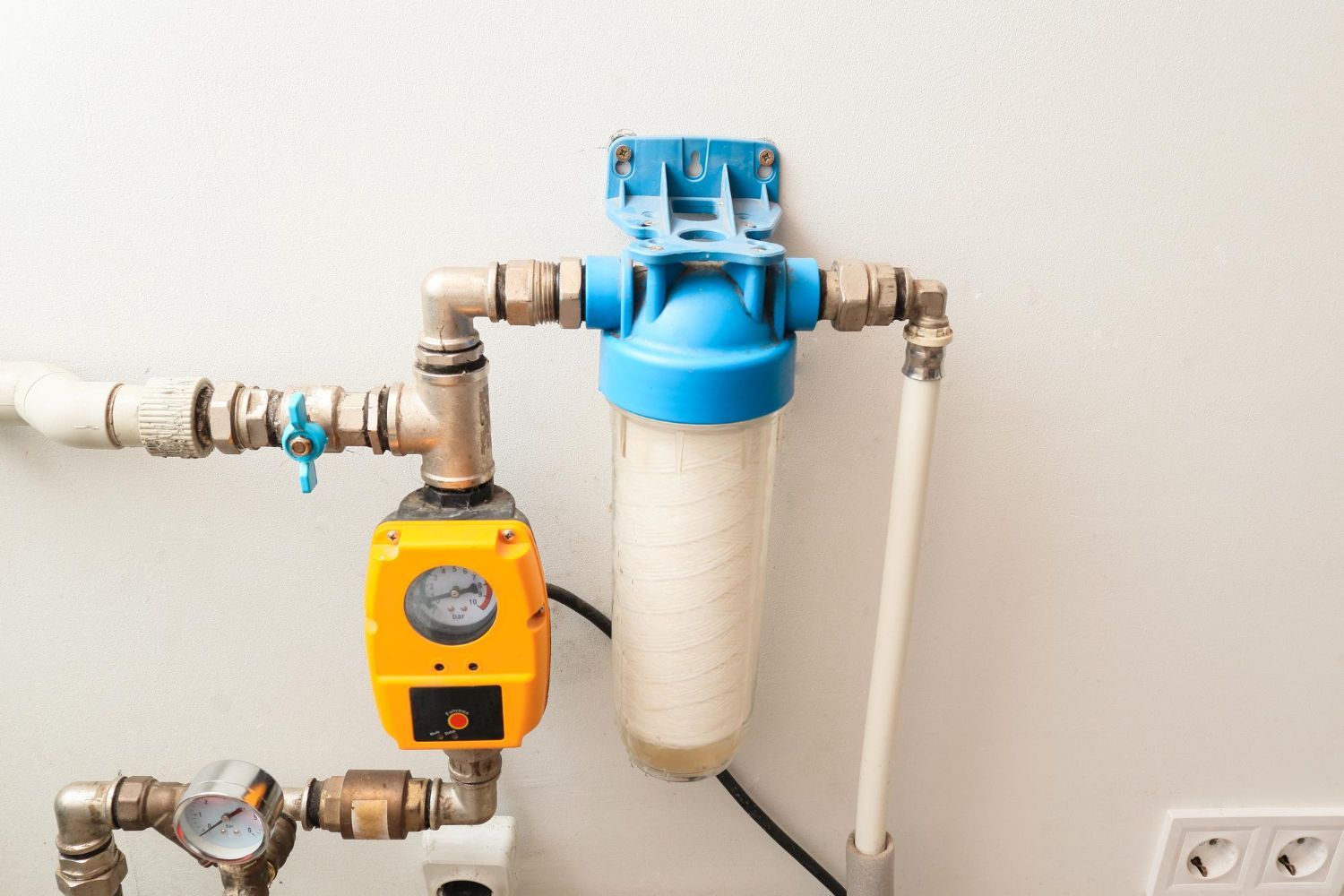
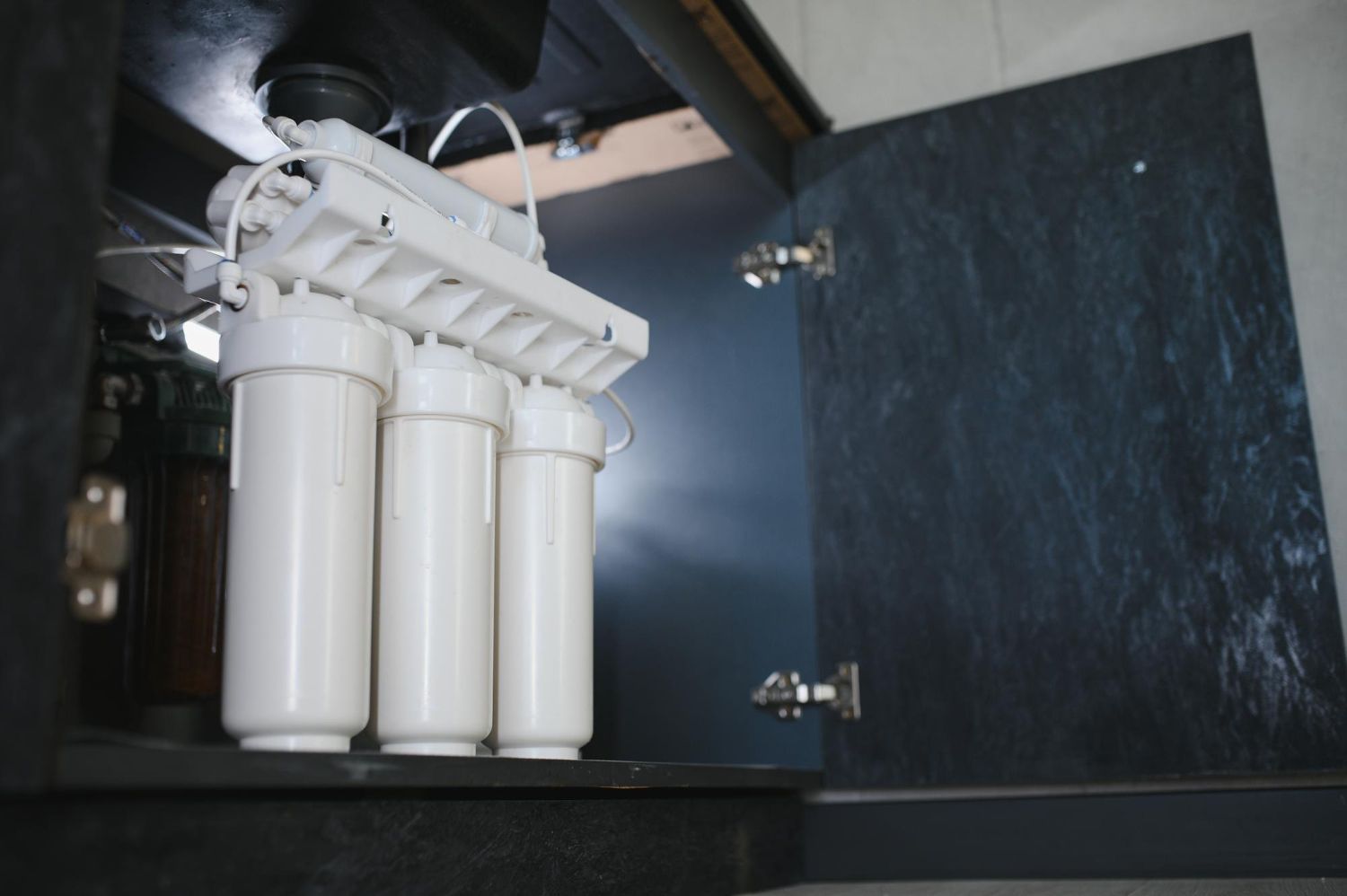
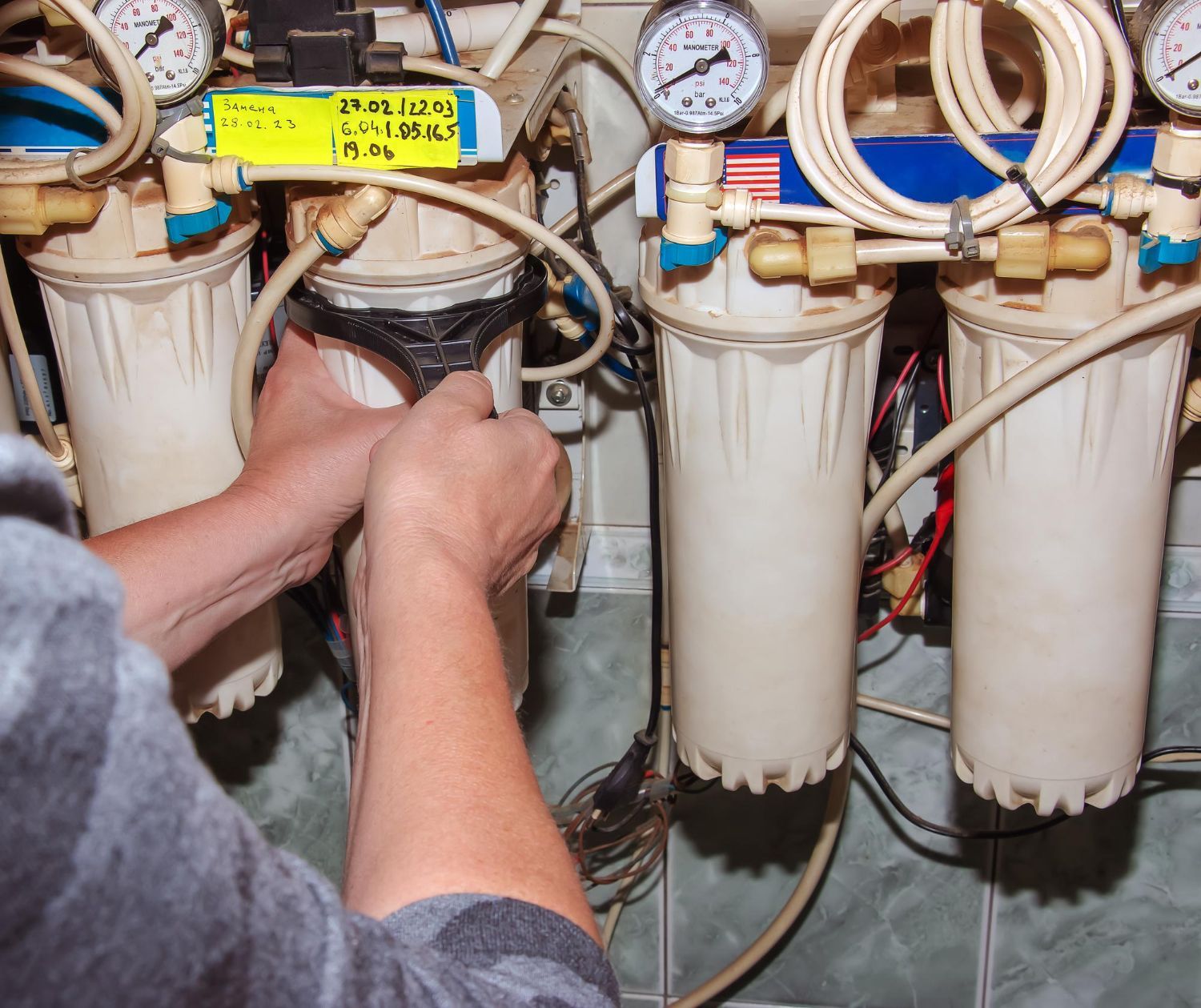
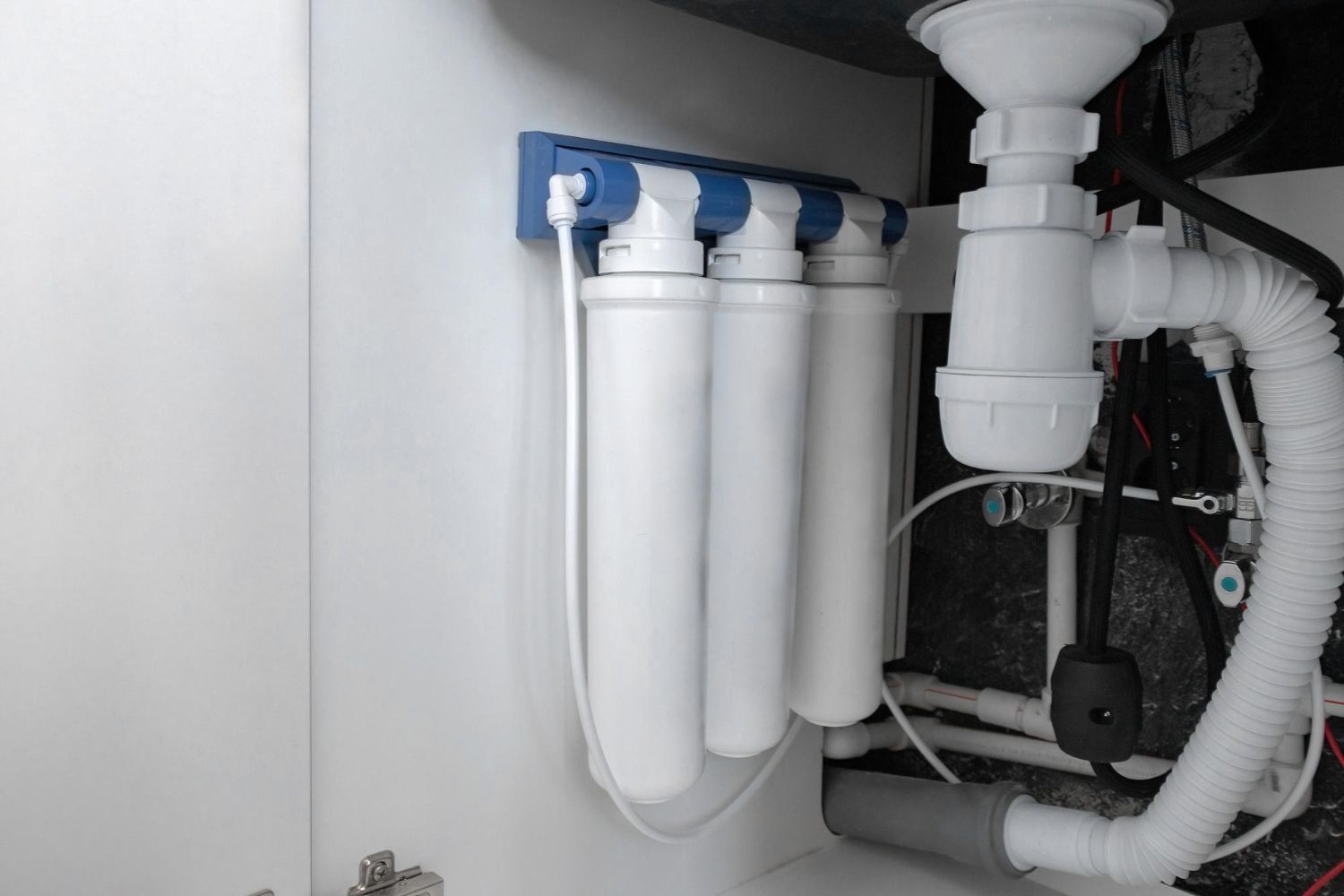
Every house has spots where you can see how water is used and, sometimes, cleaned. Pointing out a water pitcher with a filter or showing the filter under the sink starts connecting what we say with what they can touch. Open the fridge and check out the water dispenser, or walk past the utility room and pause to name the big tank if it’s safe to do so.
Try using natural parts of the day for these moments. Brushing teeth is a perfect time to mention water going down the drain or to ask, “Have you ever wondered where it goes after this?” Filling up a water bottle before school or sports may be another chance to ask what makes them like the water from that spot more than others.
These small moments make a big difference in how kids think about water in their day-to-day lives. No need to schedule a lesson—just look for easy chances to get them thinking.
Helping Kids See Why It Matters
Kids don’t have to understand every part of a water purification system to see that it helps. What matters most is helping them connect the dots between clean water and how they feel—healthy, fresh, safe.
Framing machines like filters and purifiers as quiet helpers is one way to make it real for them. It’s running in the background while they play, eat, clean up, or get ready for school, making sure their water is the kind their bodies should have. More than anything, remind them that asking questions is a good thing.
Helping kids care about clean water isn’t about giving them every detail. It’s about showing the role it plays in everyday comfort and safety. And once they notice it, they’ll probably walk away with a few more questions—hopefully ones we’re ready to answer.
Questions about clean water can spark big curiosity, and that’s a great reason to take a closer look at what’s flowing through your own pipes. In places like Park City and Salt Lake City, every home has its own setup depending on the water source. A good
water purification system keeps things simple and safe behind the scenes. At Water Science, we’re here to help you figure out what works best for your home. When you’re ready, give us a call and we’ll help you get started.