How RO System Maintenance Keeps Water Tasting Clean
When water starts to taste off in the middle of winter, it’s not always the pipes or the faucet. Most of the time, it’s the filters inside your reverse osmosis system doing less than they used to. We use RO systems to strip out the things that leave water tasting or smelling strange, whether that’s leftover chlorine, minerals, or something else. But that only works if the system is taken care of.
Here in Park City and Salt Lake City, water changes often show up this time of year. The dry air and cold nights push indoor systems a little harder. We drink more hot drinks, use more water for cooking, and often notice small shifts in taste or pressure. Regular RO system maintenance keeps water tasting clean and helps everything run like it should once spring weather starts to roll in.
How an RO System Works in Everyday Life
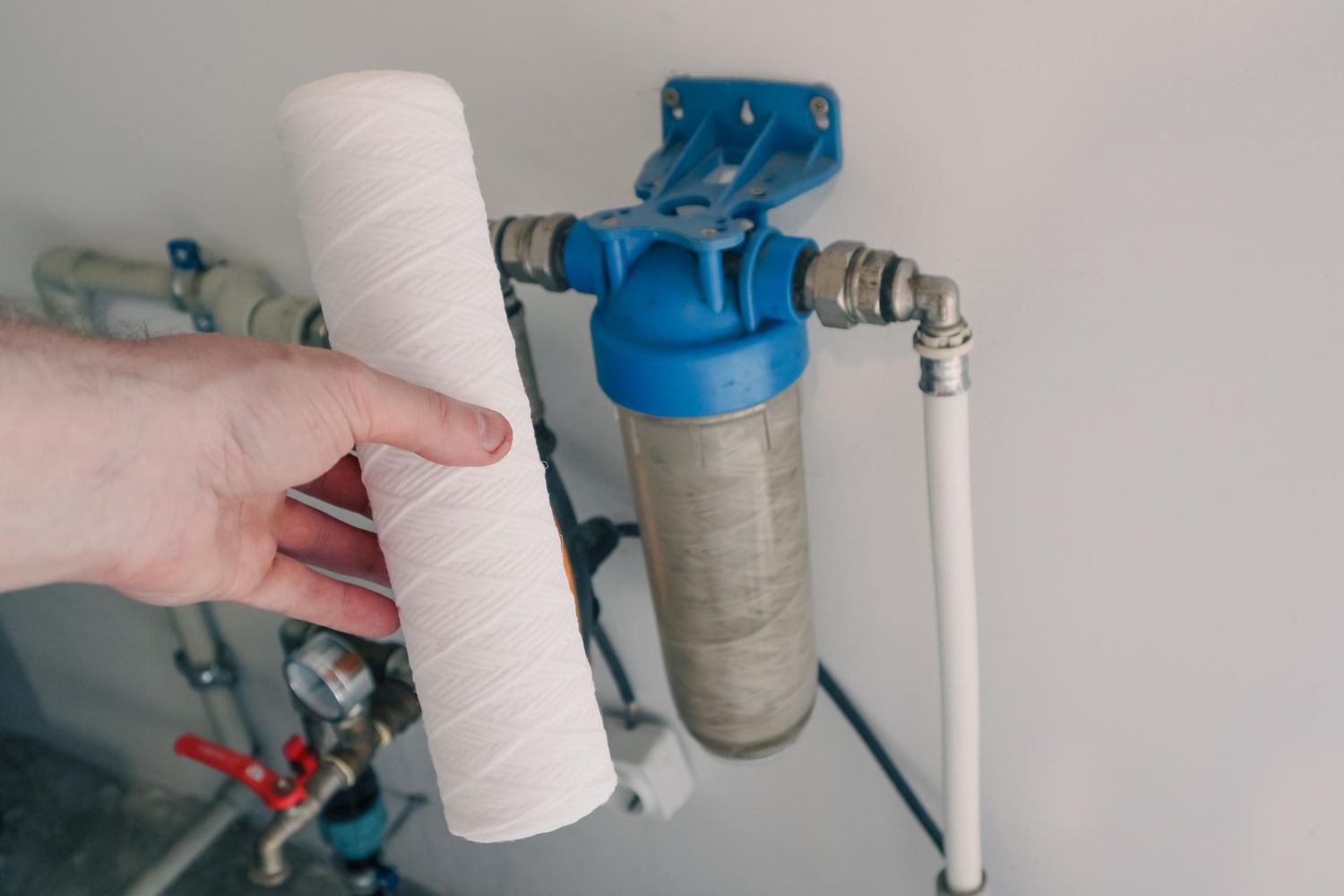
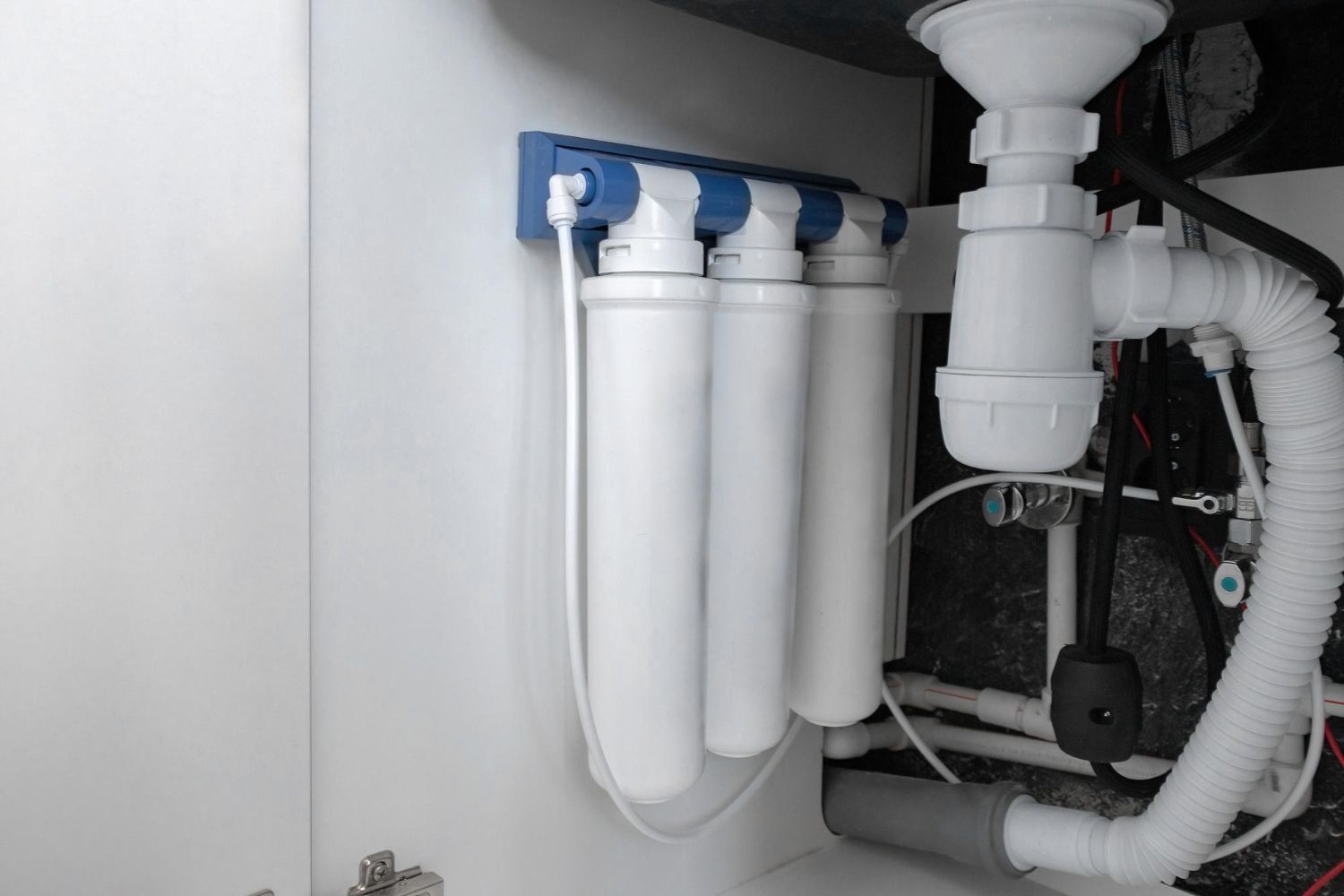
An RO system does more than people think. It’s not just a single filter or a simple screen that catches particles. Water first passes through a pre-filter, which catches sand, dirt, and other big stuff. Then it travels through a membrane that removes smaller things like dissolved solids or salts. Finally, a post-filter smooths out the taste before the water hits your faucet.
This multi-stage process helps clear up any strange flavors that come from old plumbing or seasonal water supply changes. If your tap water has ever tasted like metal or smelled like bleach, it’s usually these filters doing the heavy lifting to correct that. But these stages only work if each part stays clean and in good shape.
When water starts tasting different, it doesn’t always mean something is wrong. But it does mean it’s time to pay attention. A slower flow or a faint flavor change can be early signs that the system is wearing down or getting ready for a check.
What Happens When Filters Get Old
Filters wear out with use. Sometimes it happens faster when the household is busier, like during the holidays or when more people are home. Other times, the colder months in Utah push the system harder without anyone noticing.
Here’s what starts to show up when filters or membranes aren’t doing their job anymore:
• Water flow becomes sluggish, taking longer to fill a glass
• Taste turns metallic, chalky, or slightly bitter
• Appliances like your coffee maker or ice machine don’t work quite the same
In Park City and the surrounding areas, dry air and closed-up homes can change how water smells and tastes. Add to that the shifts in indoor heating and changes in water usage, and you’ve got a setup where an RO system can go from quiet helper to unexpected problem.
Getting ahead of these problems helps keep water tasting fresh and prevents small issues from growing into larger repairs or replacements later on.
When and Why to Schedule Routine Maintenance
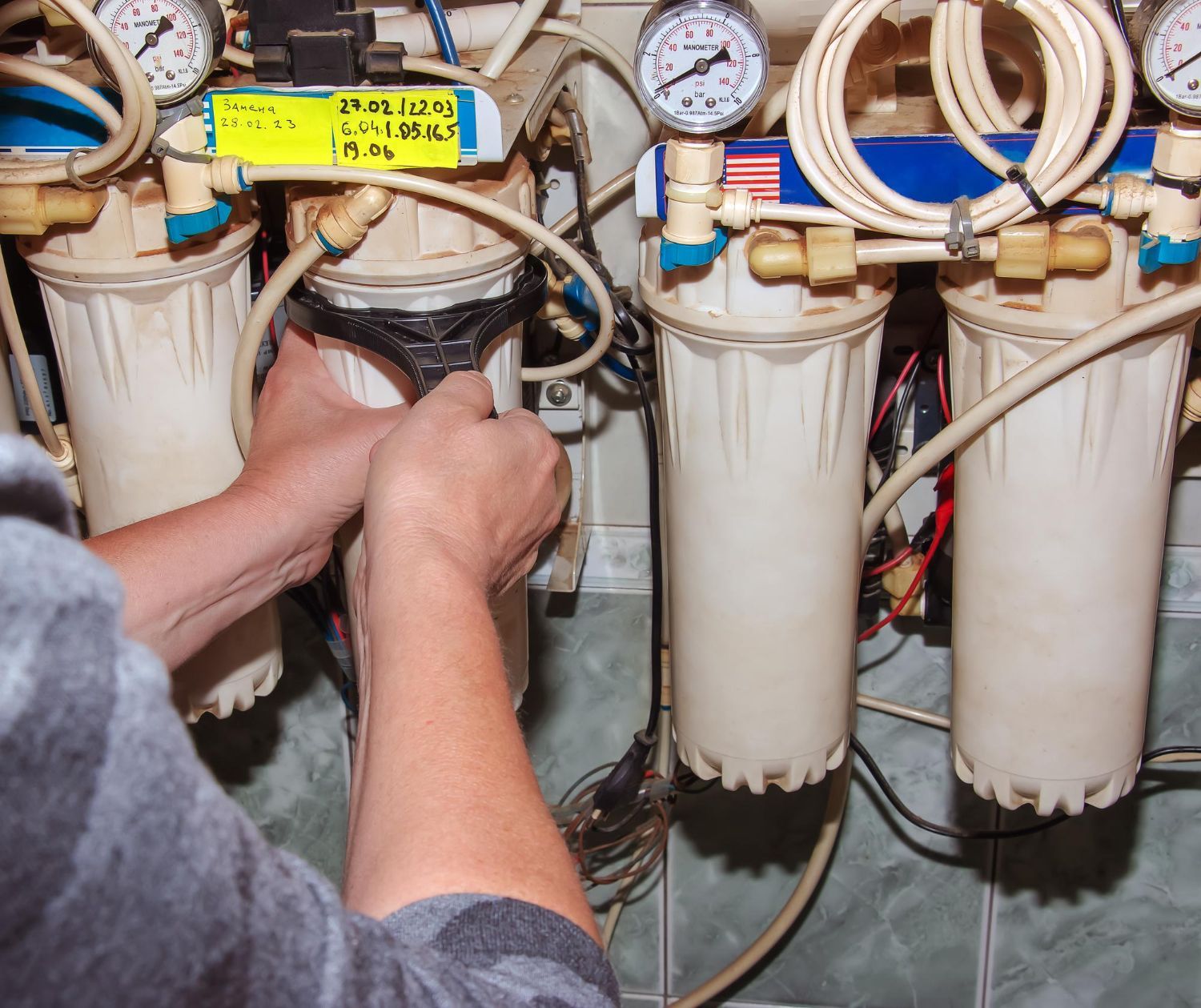
Even the best filters wear out eventually. Depending on how much water your household pushes through the system, you might need to change pre-filters every 6 to 12 months. Membranes can last longer but still need checking once a year, especially when seasons are changing.
Late winter is a smart time to look over everything for a few reasons:
• Filters can clog faster when water has sat longer in the pipes
• Lack of sunlight and colder storage areas may allow bacteria or odors to settle in if things are left unchecked
• Households in Park City and Summit County often head into the spring thaw, when runoff and melt can change water quality fast
A little preventative care means cleaner water come March and fewer surprises when temperatures rise.
How Local Conditions Affect Your Water
Not all water behaves the same. Some homes in Summit and Wasatch Counties rely on city water. Others use well systems. Each can bring different challenges to an RO system.
If you live on city water, you might taste chlorine or other added chemicals. RO systems help pull that out, but city supplies can change with weather and workload. Well systems, on the other hand, often carry higher mineral levels or organic particles and burden the pre-filters early.
Another challenge here is seasonal runoff. When snow starts to melt in February and early March, road salt and natural sediment can seep into the supply. This affects both public and private sources. These aren’t just outdoor problems, they make their way inside too.
Keeping an RO system working year-round means staying alert to these seasonal shifts. We install and maintain RO systems that are designed for Utah groundwater and city supply, helping local homeowners keep water clear through winter and spring runoff.
A general plumber might swap a filter or flush a tank, but they may not spot local patterns that affect long-term water quality. That’s why regular system reviews around this time of year matter more than people realize.
Peace of Mind Through Preventative Care
When you stay ahead of maintenance, everything feels a little easier. Glassware dries clearer. Coffee tastes smoother. Water smells fresh without a hint of mineral or chemical. All of that starts with giving the system a once-over before it gets pushed through another seasonal change.
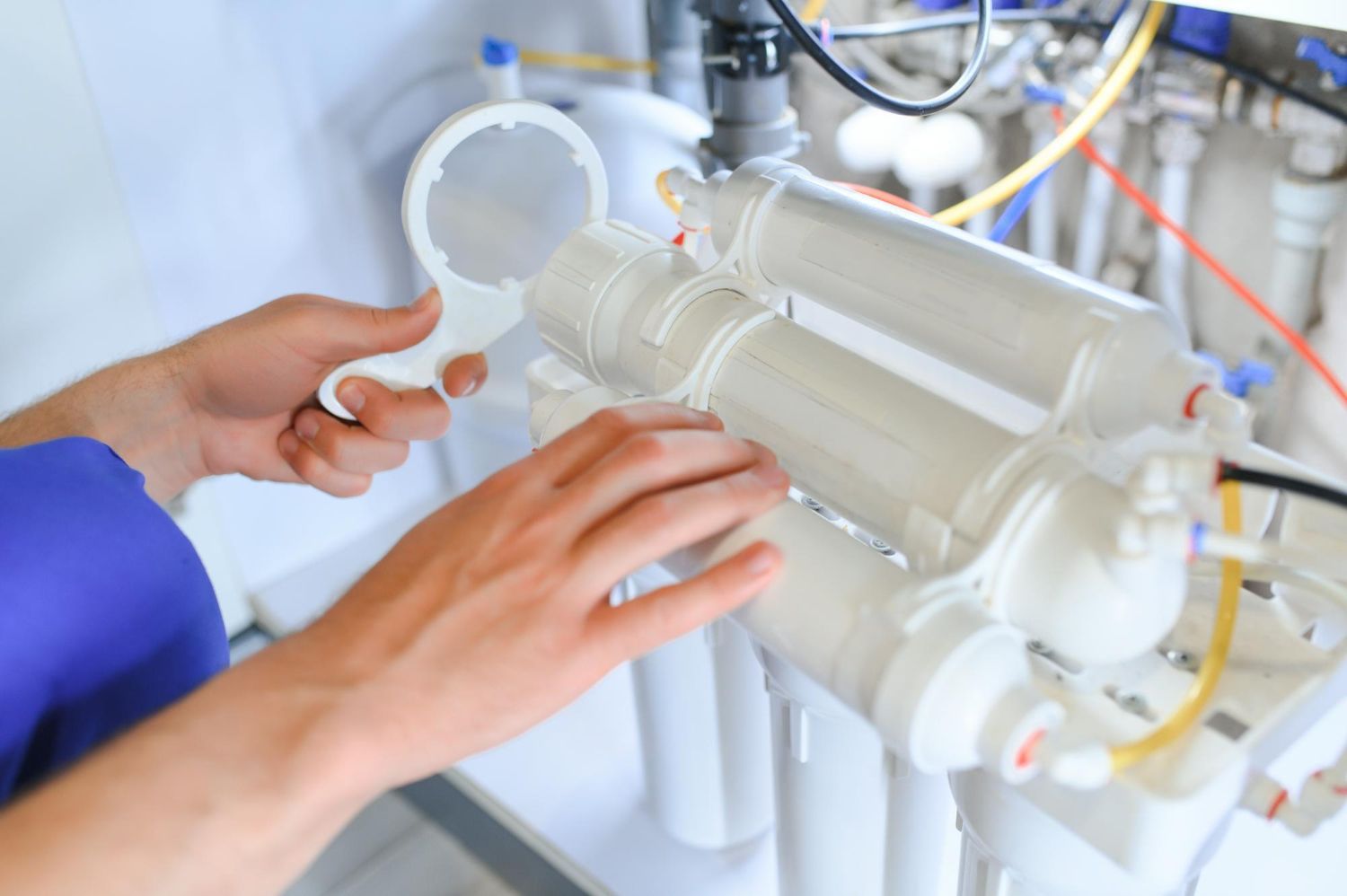
Taking small steps now helps avoid the headaches of low water pressure, clogged filters, or last-minute part replacement when spring arrives. One filter swap at the right time is much simpler than full troubleshooting later. We always recommend checking membranes, filters, and storage tanks before the seasons shift.
We offer annual service plans for reverse osmosis systems in Park City and Summit County, including filter replacements, system inspections, and local troubleshooting to keep everything running strong through changing seasons.
Clean water doesn’t just come from the tap. It comes from keeping the equipment behind it steady, simple, and ready for whatever the next few months bring. A little attention now makes a big difference once the snow melts and spring kicks into gear.
Ready for Cleaner Water This Spring?
Noticing changes in how your water tastes in your Park City or Salt Lake City home could mean it’s time to check your filters. Seasonal shifts, especially during winter, can impact your system and lead to faster buildup. Routine checks and timely filter replacements keep your water fresh and reliable. To help you stay proactive, see our
RO system maintenance options, and reach out to Water Science to schedule a convenient service.