Water Treatment Issues to Watch for in Salt Lake County
Late winter in Salt Lake County brings more than just cold mornings and icy driveways. As the snow begins to melt and we inch closer to spring, a different set of problems can show up inside the home. Water quality is one of those things that seems fine until it isn’t, especially when weather shifts put extra pressure on older systems.
Many homes in this area rely on softeners, filters, and various forms of treatment to keep water safe and clean. But between months of heavy use and outdoor conditions that can impact plumbing, now is when small issues often come to the surface. If you live here, watching out for common signs of trouble with water treatment in Salt Lake County can help prevent damage and frustration later.
Signs Hard Water Is Returning
When a water softener starts slipping, the clues are usually easy to spot, if you know what to look for.
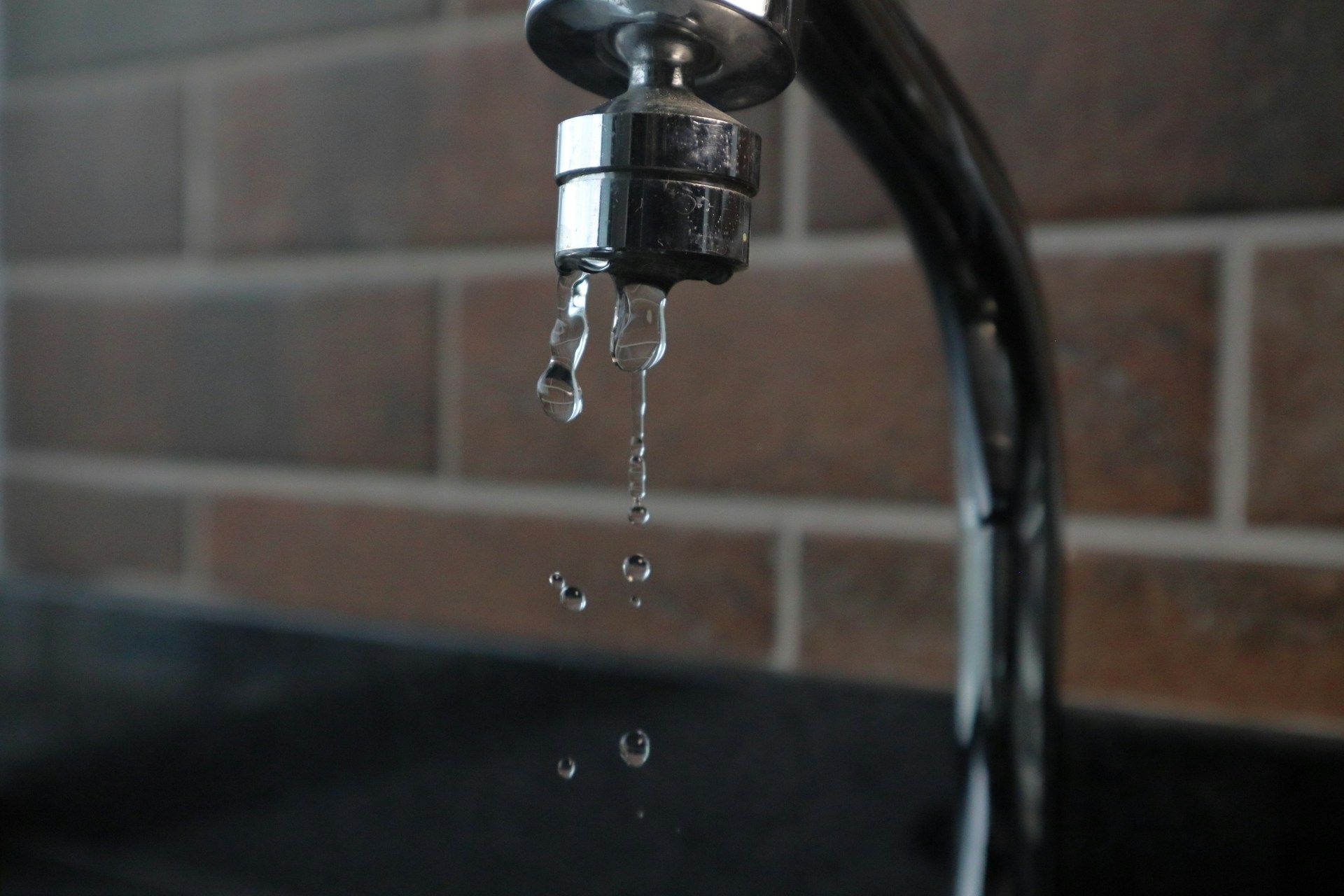
• Mineral buildup on faucets or inside kettles and coffee machines may mean more calcium and magnesium are getting through
• Soap that leaves a sticky film or just doesn’t foam like it used to can signal untreated water
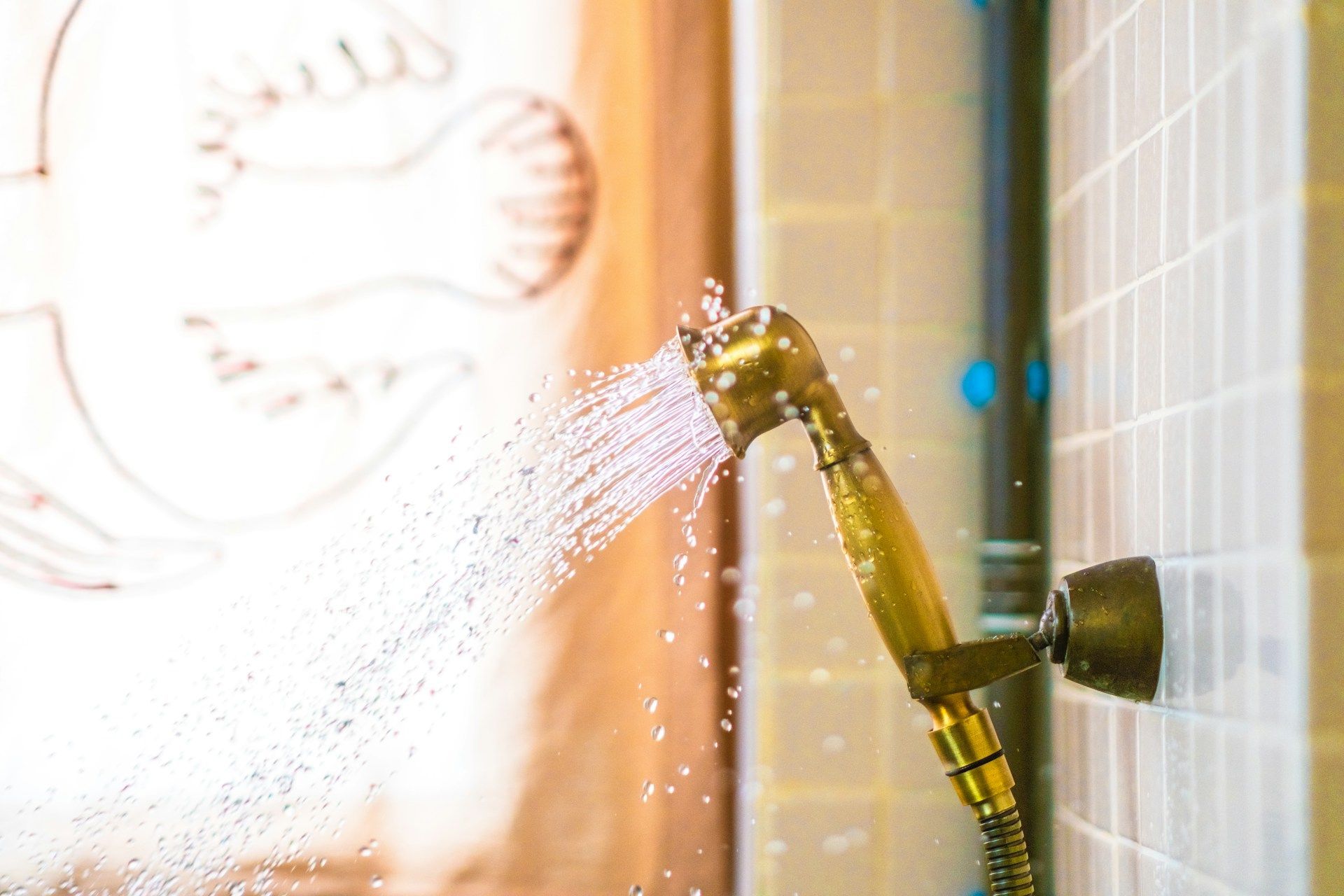
• Dry or itchy skin after showering might also point to a softener that isn’t doing its job
Winter tends to stress these systems more than usual. With families staying indoors, using hot water more often, or even running loads of laundry back to back, it’s no surprise a softener might be running out of steam. Aging equipment can miss cycles or fail slowly, letting more minerals back into your system without you noticing right away.
For homes in higher-elevation areas like Park City and Salt Lake County, the problem gets worse when cold weather makes water harder to heat and manage consistently. Being familiar with these early signs helps prevent slow-building issues from becoming costly ones. Many homeowners are surprised by how quickly hard water can come back even after months of smooth operation, which is why staying alert to even small changes is so helpful.
Sediment or Discoloration in Water
Water that looks a bit cloudy or takes on a rusty tint is more than just unpleasant, it might be a sign of sediment breaking loose somewhere in the line.
• Freeze and thaw cycles during late winter can stir up sediment from wells or city pipes
• Orange, brown, or yellowish hues can point to iron or manganese, or in some cases, corroded plumbing
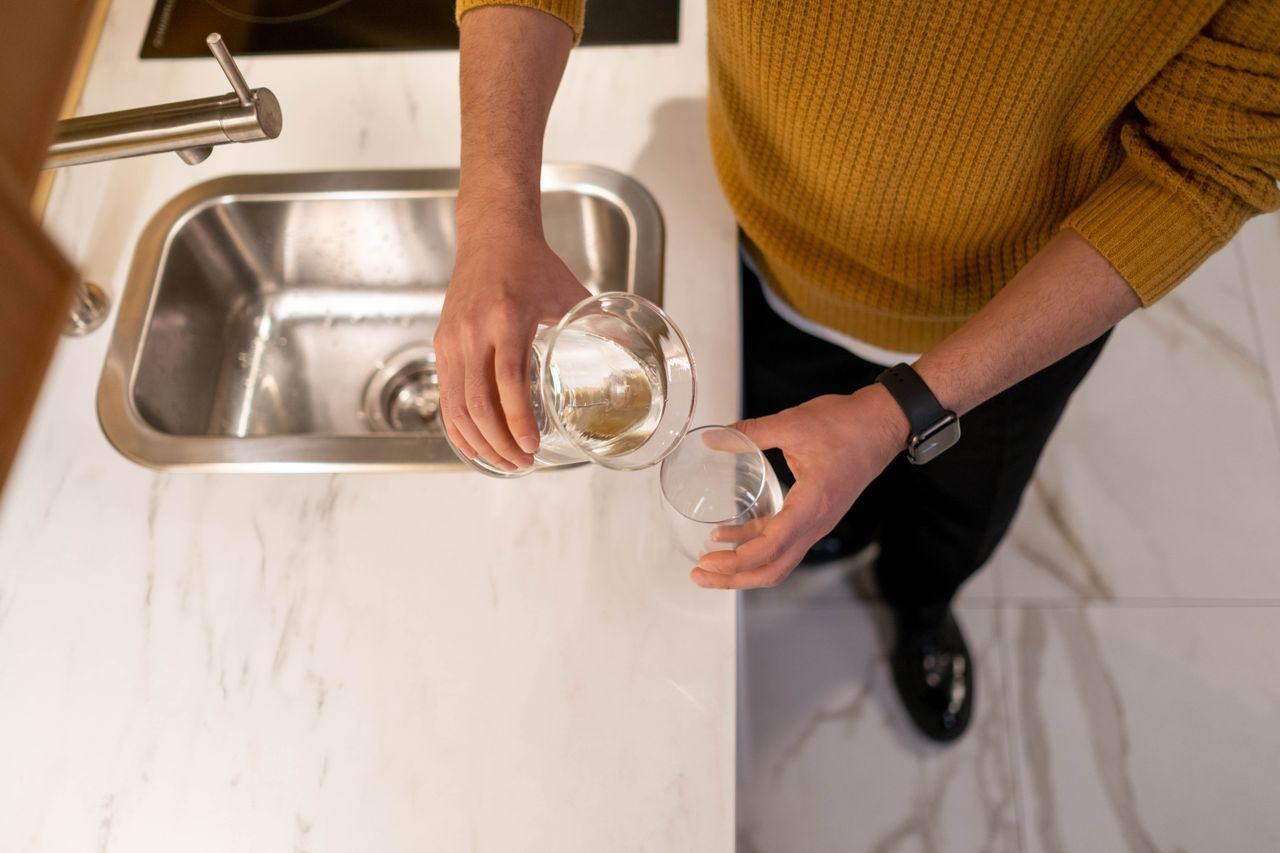
• Early warnings include grit in your toilet tank or small particles on the bottom of a drinking glass
This is a big one for parts of Salt Lake County where older supply infrastructure exists. Sediment doesn’t just affect taste and appearance. It can wear down appliances, ruin plumbing fixtures, and shorten the life of water heaters. Once it settles into filters or tanks, it can also block flow or reduce pressure throughout the system.
Addressing it quickly helps keep your home’s water safer and prevents longer-term damage that’s more expensive to fix once it sets in. Sometimes the buildup is slow, but now and then, late winter brings a faster release of material as weather starts to shift. Watching for sediment now can spare you from bigger messes when warmer days arrive.
Odd Smells or Taste in Water
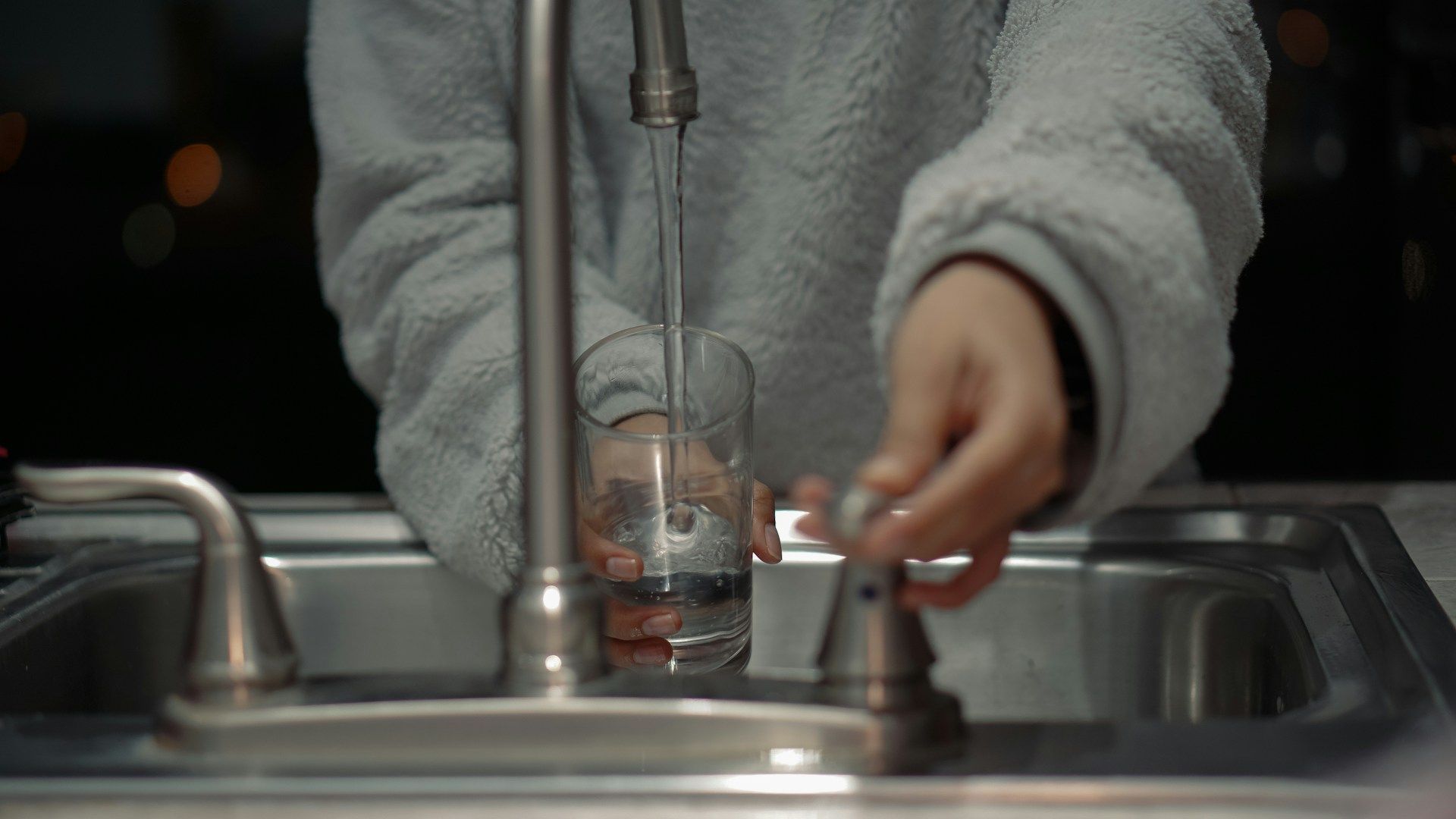
When your water starts tasting different or gives off an odd smell, something might be shifting in the source supply or your filter system may need help.
• Seasonal runoff, especially with snow beginning to melt, can change the taste and smell of water
• Smells like bleach (chlorine), sulfur (like rotten eggs), or something musty can point to treatment inconsistencies or trapped particles
• Filters left unchanged through winter can collect bacteria or debris, making things worse
This time of year is when many homes in Salt Lake County first notice changes in how their water tastes. Snowmelt can flow into reservoirs and rivers, stirring up unexpected particles or chemicals that weren’t there a few weeks ago. If filters are near the end of their lifespan, they won’t be able to screen out those changes as well as they did before.
We often talk to people who smell something off in the water right when spring seems just around the corner. Monitoring even small changes in how water tastes or smells can help find issues before they spread deeper into your pipes or appliances. When the air is very dry inside and snow is still on the ground, it’s smart to pay attention to how water seems in your kitchen or bathroom.
Filtration Systems Not Performing Well
Late winter is one of the hardest times on home filtration systems, especially ones that haven’t been checked since the start of the cold season.
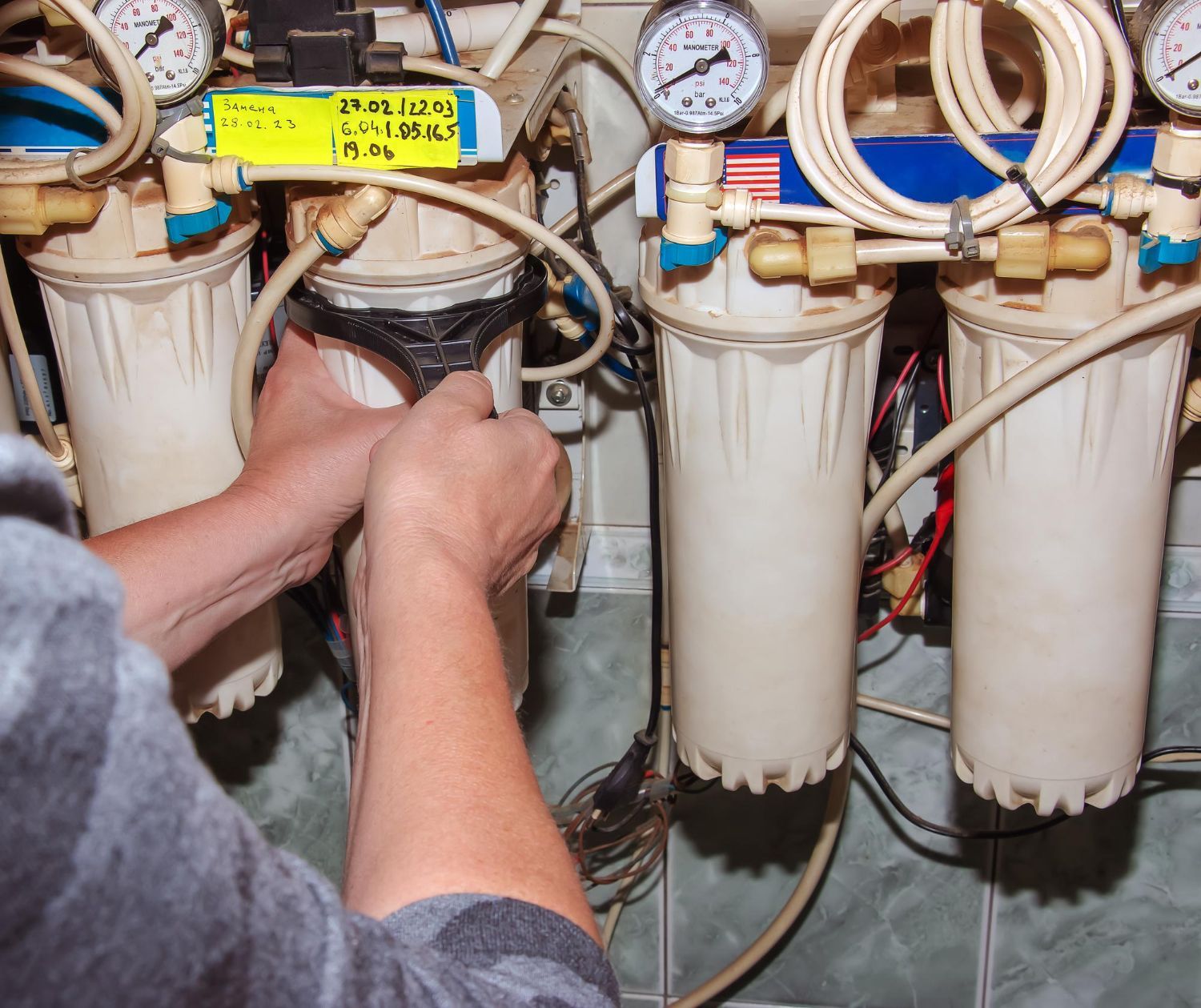
• Filters clogged with sediment, rust, or other particles from the winter months may start to reduce flow
• Big drops in water pressure, especially in showers or kitchen lines, might signal a system clog
• If anything froze over during a cold snap, filtration units in garages or unfinished basements might stop working entirely
When snowmelt begins, runoff adds extra material into the water. That can include dirt, road salt, and organic debris from fields or driveways. For filters already loaded from months of use, that sudden burst can push them over the edge.
It’s also common for people to avoid unfinished areas of the house during winter. That can lead to frozen pipes or unnoticed filter bypasses when temperatures drop low, cutting off treatment without warning. Keeping watch for slow flowing water, strange noises from the tank, or pools around equipment can give you a head start on any hidden problems.
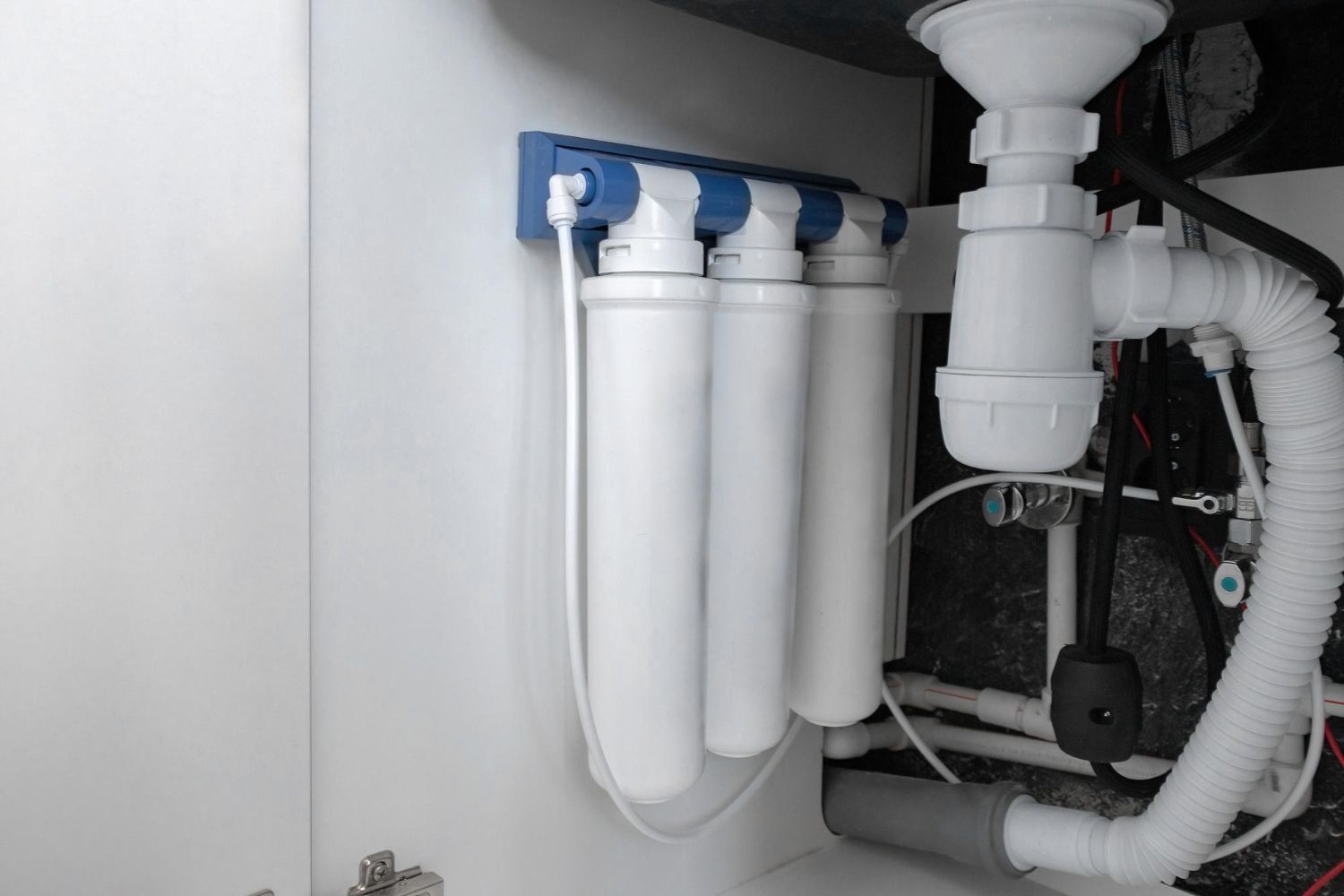
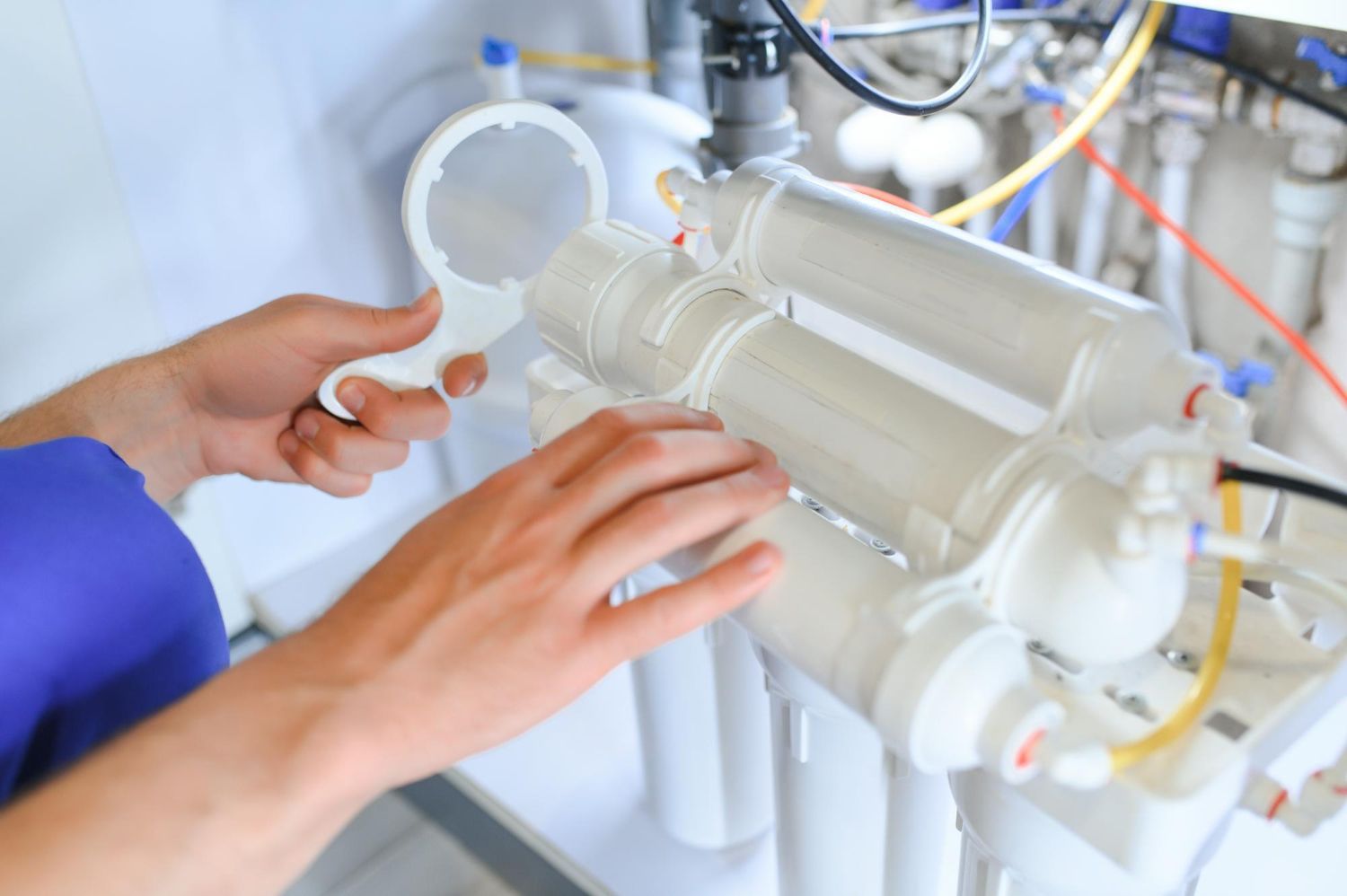
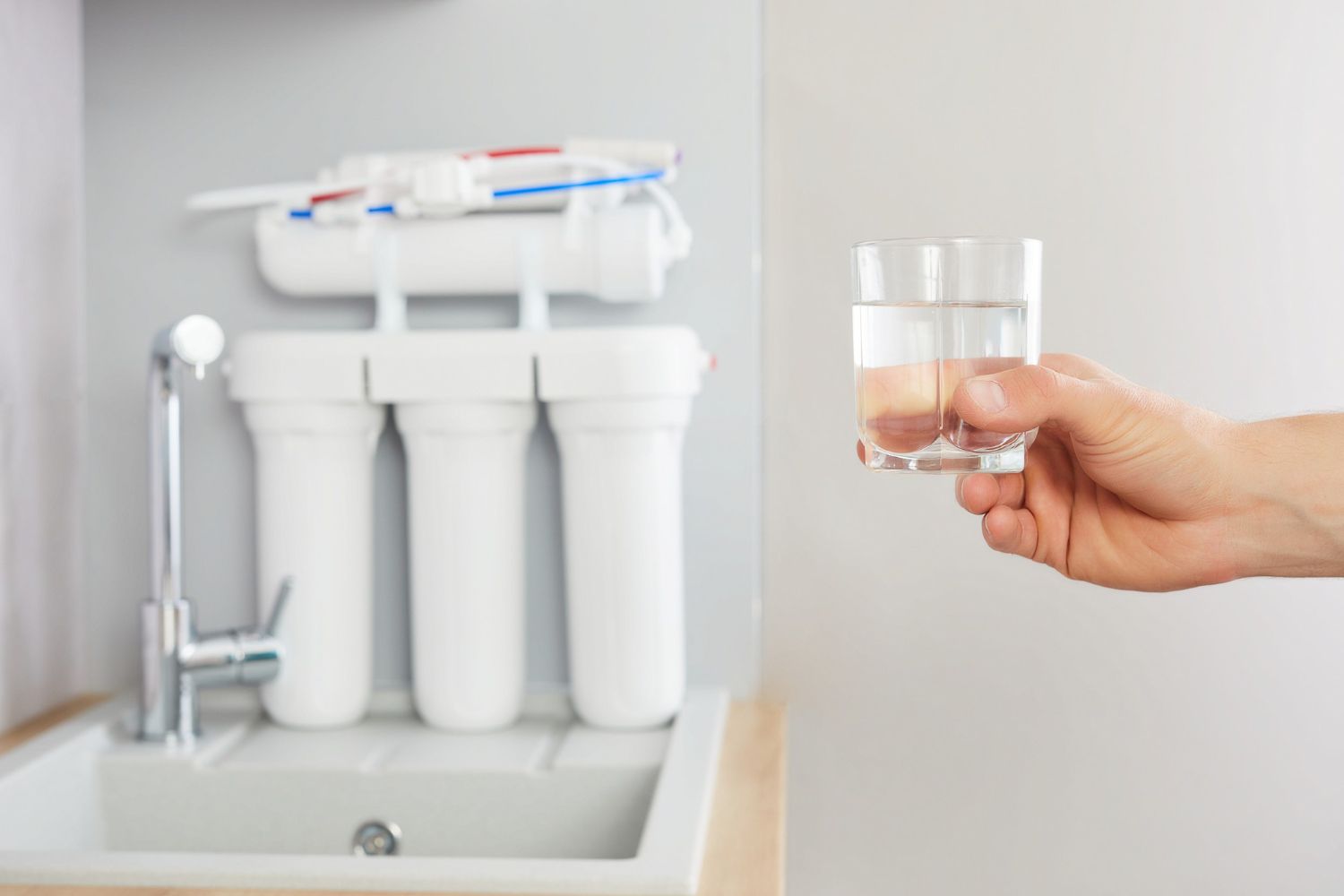
Our team provides installation and service for water softeners, reverse osmosis systems, and advanced filtration (including sediment and iron filters) that are selected and maintained based on Salt Lake County's unique water composition. We recommend annual or seasonal filter changes and system checks to catch problems before water quality shifts in spring.
When to Schedule a System Check
Heading into spring without checking your system first is a bit like taking a long road trip after your car sat idle all winter. You might get away with it, or you might end up stuck halfway in.
• Doing a once-over on your tank, softener, and filters can catch buildup or slow leaks early
• Catching a failing filter or softener before the season switches saves time and avoids larger repairs
• A basic check from someone familiar with your area’s water can answer questions faster than second-guessing
For water systems in Park City and Salt Lake County, timing matters. Once snowmelt starts up, extra stress on wells and city lines can change the water almost overnight. If your system is already near its limit, that extra strain can be the last straw.
We always recommend checking during late winter, when you can still plan ahead before March and April bring changes to local water quality. It's simple, and it can make a big difference in how your system holds up the rest of the year. Even homes that have had no trouble in the past benefit from a careful look now, since little things can quickly turn into bigger headaches if ignored.
Finish Winter Strong With Better Water
This is the season where invisible problems start turning visible. Whether it’s a sulfur smell in your tap water or chalky deposits around your faucet, it’s usually a sign that your treatment system is running low on capacity, or missing something entirely.
By staying alert to strange tastes, cloudy water, or lower pressure, you can spot early warnings and take smart steps forward. Water quality has a real impact on everything from laundry to showers to long-term plumbing health. A simple check now keeps your setup ready for the heavy-use months ahead.
There’s no better time than late winter to make sure your water is in shape. With runoff season coming fast, making a few observations now can make spring feel a lot smoother.
Noticing changes in your water’s taste, pressure, or clarity this late winter could mean your filtration or softening system needs attention before spring runoff begins. Homeowners in Park City and Salt Lake County can rely on My Water Science to help keep everything running smoothly and avoid unexpected water issues as the seasons change. To learn more about how we support better
water treatment in Salt Lake County, contact us today.