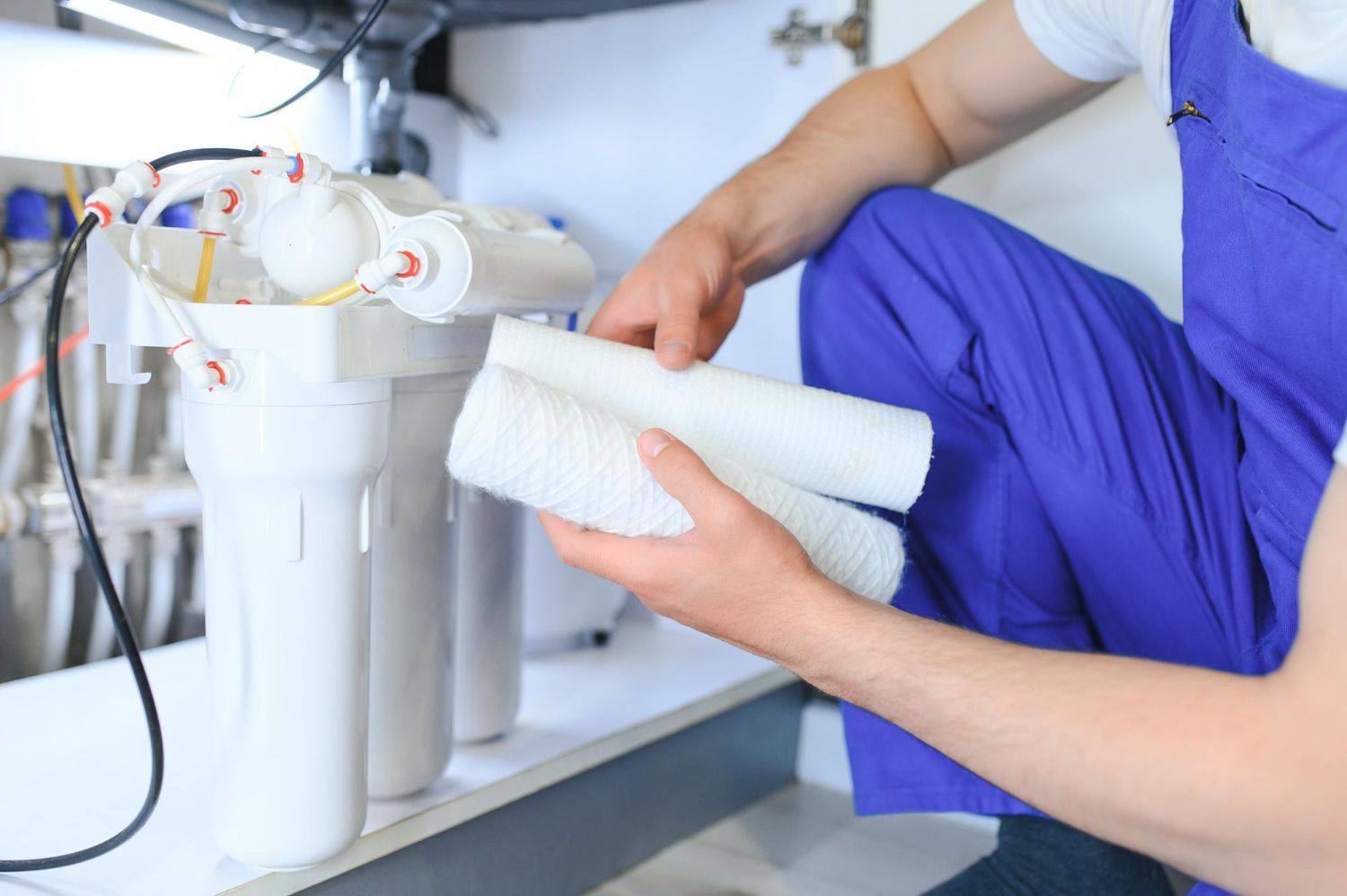
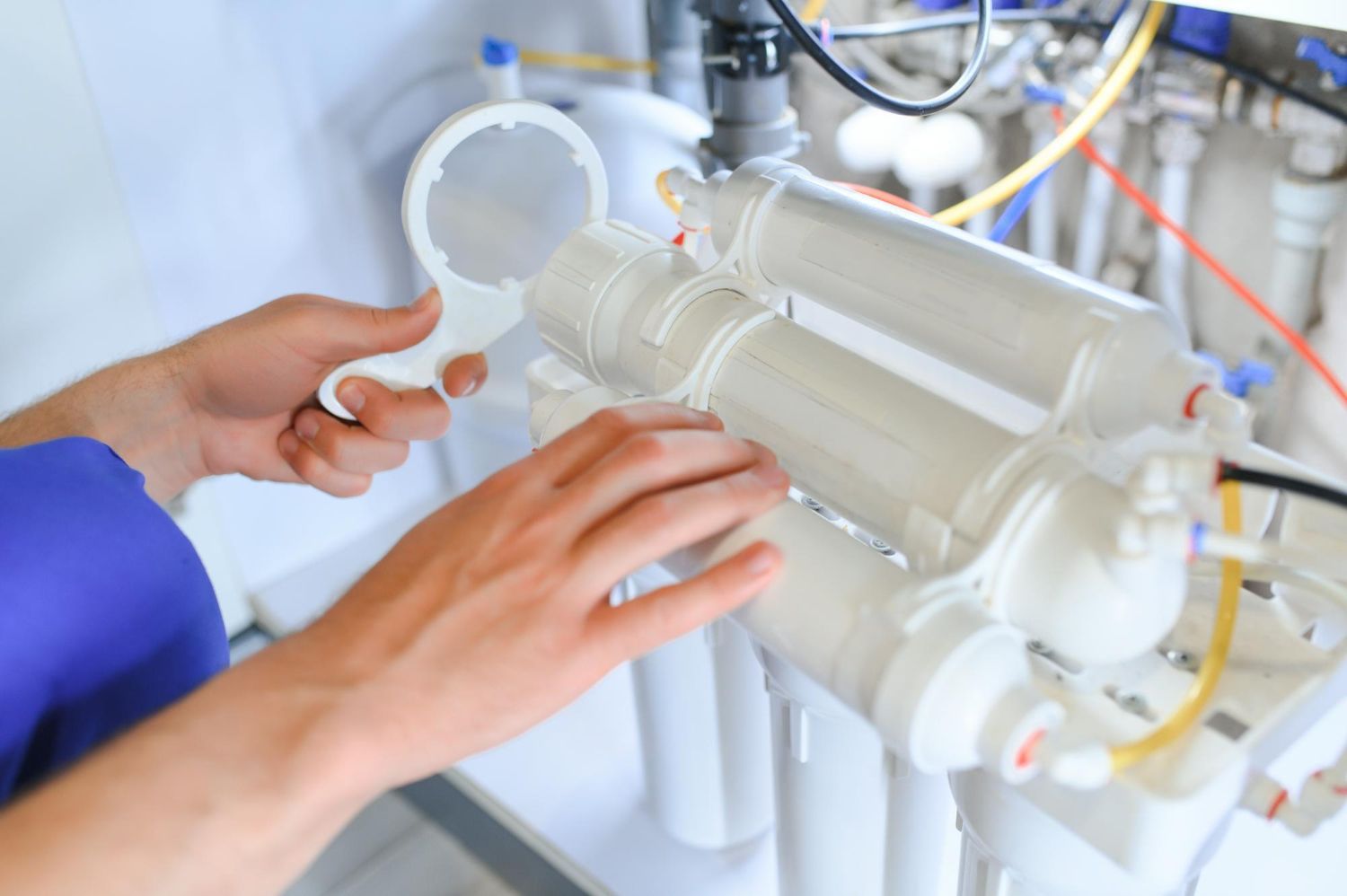
Winter Tips for Water Purification System Installation
Winter can be a smart time for new water purification system installation, especially in areas like Park City and Salt Lake City where the cold weather lingers. By mid-January, pipes are cold, snow is falling, and water needs change indoors. That’s when a clean, reliable system starts feeling more important than ever. Planning an installation now can beat the spring rush and avoid potential weather delays. But the cold presents its own challenges, so a bit of planning helps everything go smoothly.
When we talk about installing a water purification system in the middle of winter, we’re really talking about how to work with the season, not against it. The layout of your home, where the water lines run, and how cold the incoming water is all make a difference. Knowing what to expect helps avoid surprises and makes sure the system works how it should from the start.
Preparing for Winter Installation: What to Know About Your Home’s Water Setup
Before installation, we start by understanding how your home handles water in colder weather. Even houses built for snowy Utah winters can hide a few challenges once temperatures dip.
• Older homes might have tighter crawlspaces or hidden pipes that freeze easily.
• Plumbing close to exterior walls can chill incoming water faster, which can affect flow and temperature regulation.
• Outdoor utility boxes or water lines may need to be avoided completely if the ground’s already frozen.
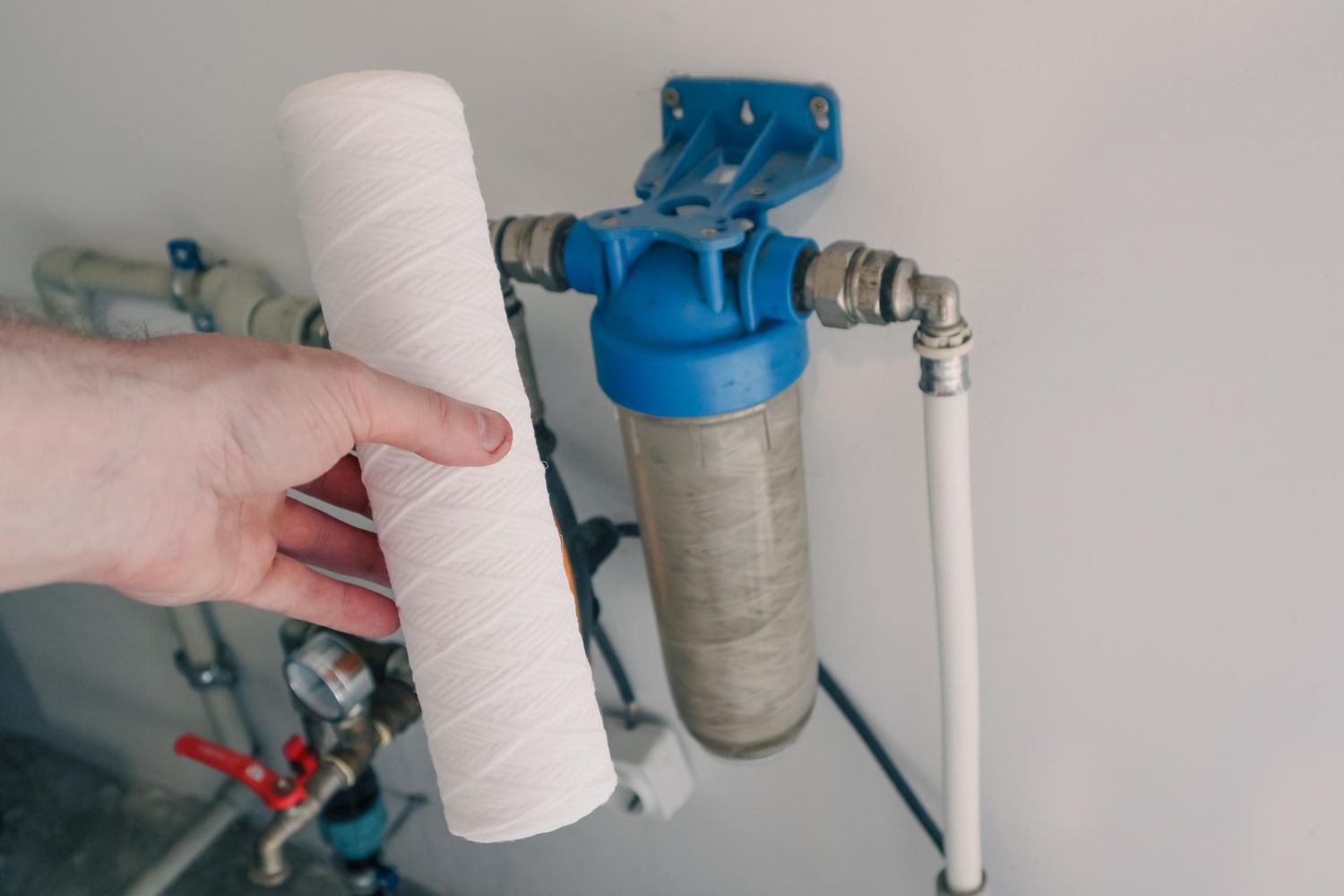
We always look at water quality too. If you're already dealing with hard water or taste issues, winter can make them worse. Cold water flows slower through filters, and sediment or scale can build up more quickly during the season.
So the first step is knowing what the home system is already doing. Once we have that picture, we can plan the installation in a way that makes sense for your setup and your winter use.
Choosing the Right Type of System for Winter Use
Some systems are simpler to install during cold months, but the choice depends a lot on how your household uses water in winter.
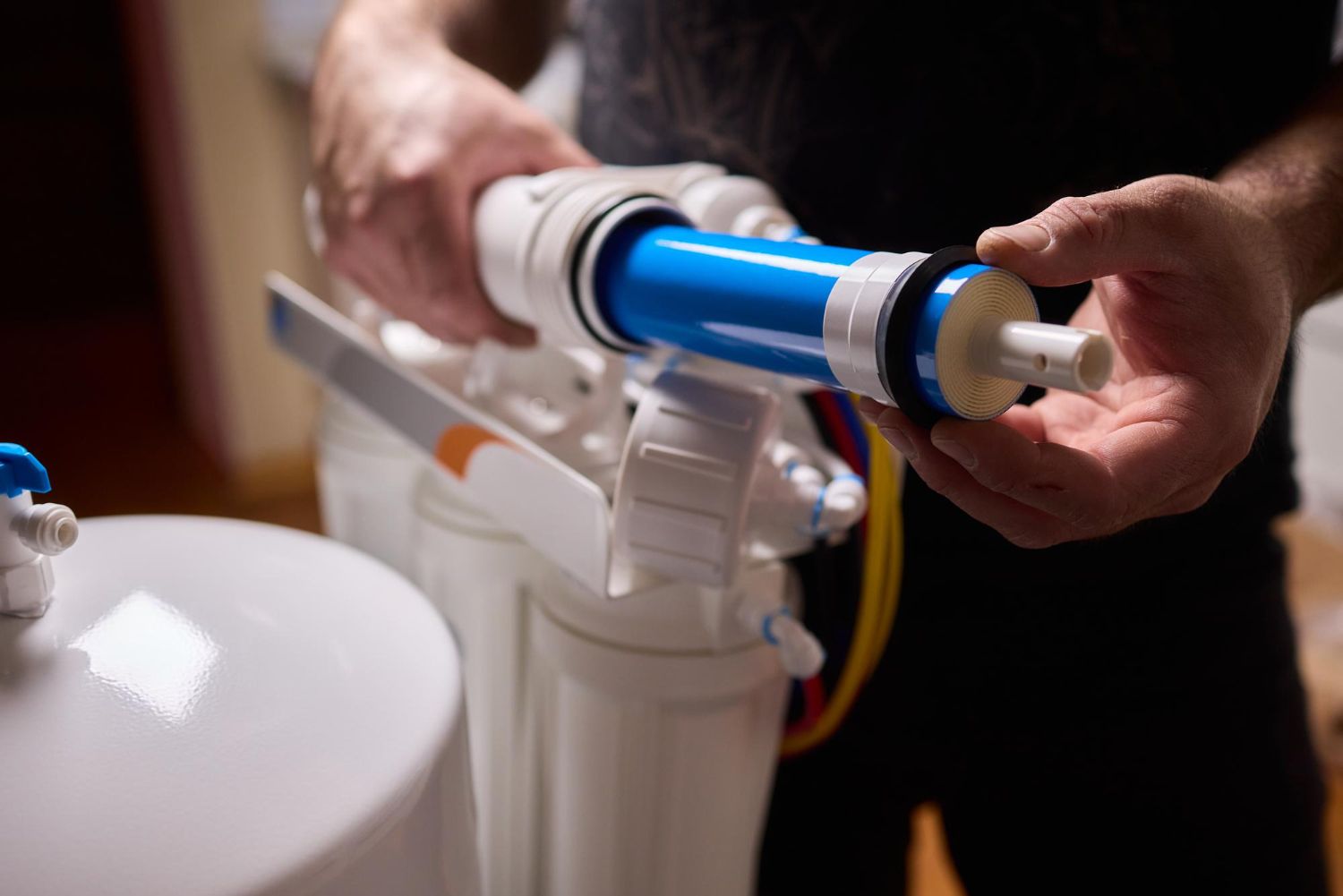
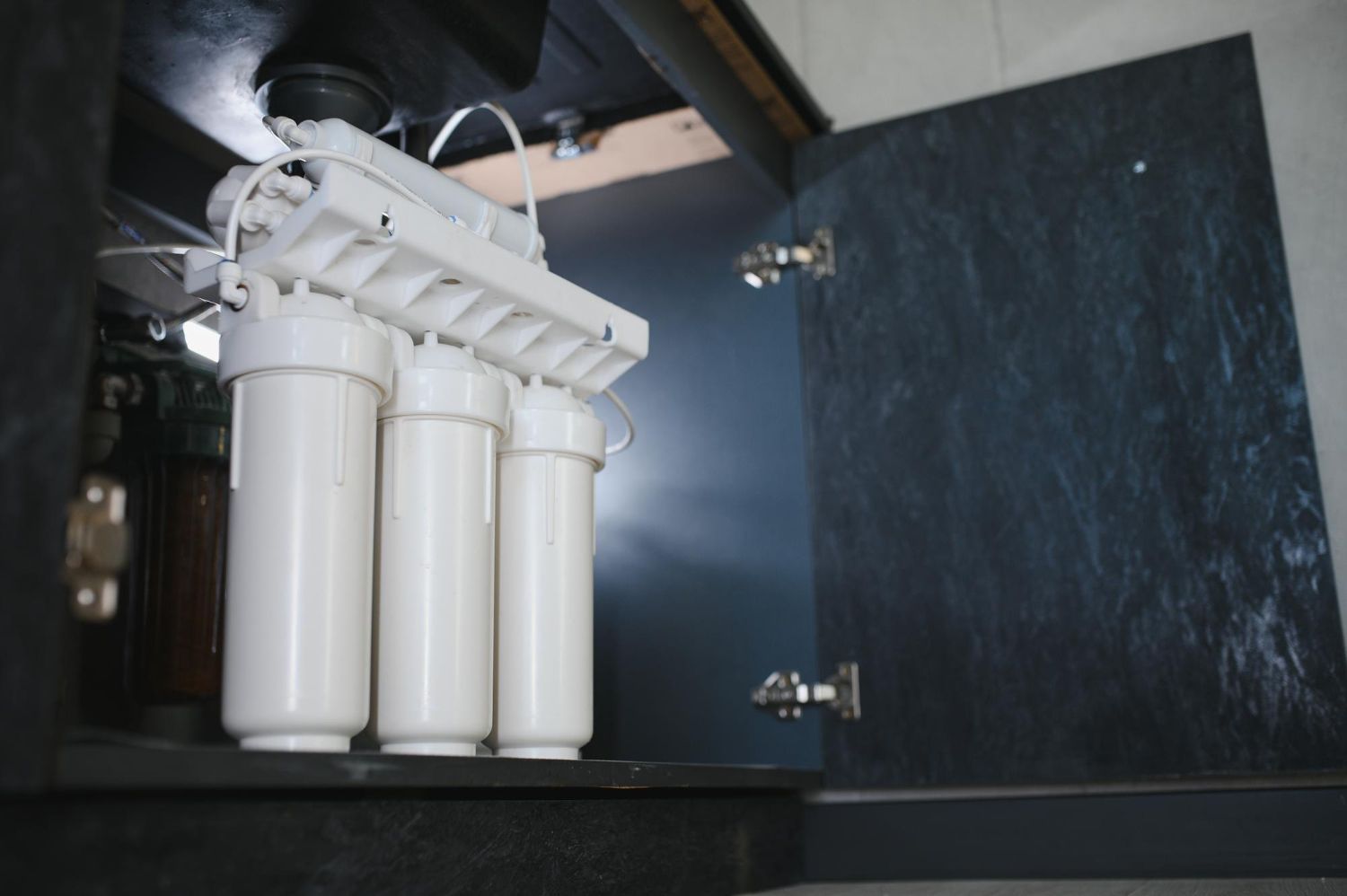
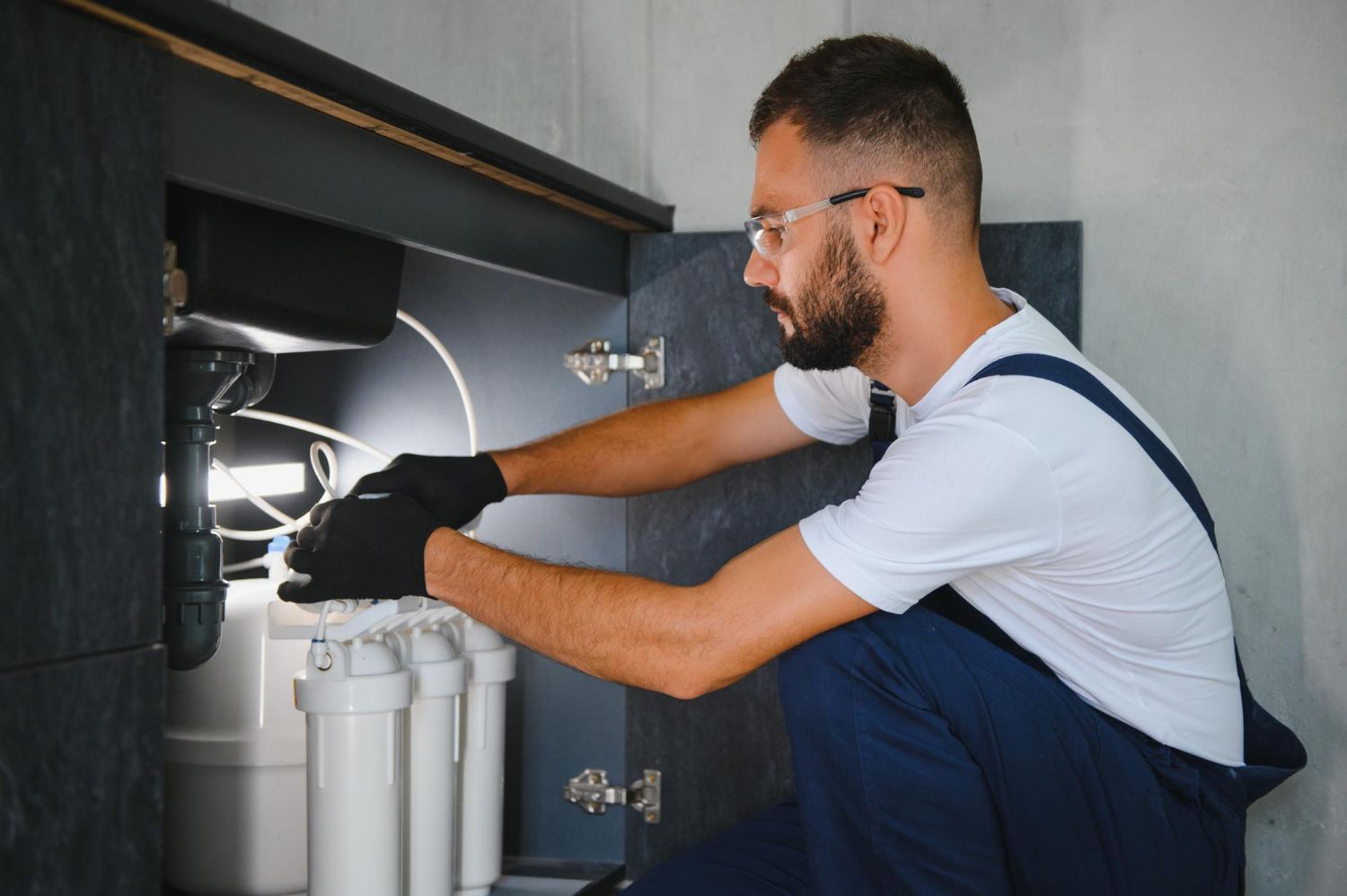
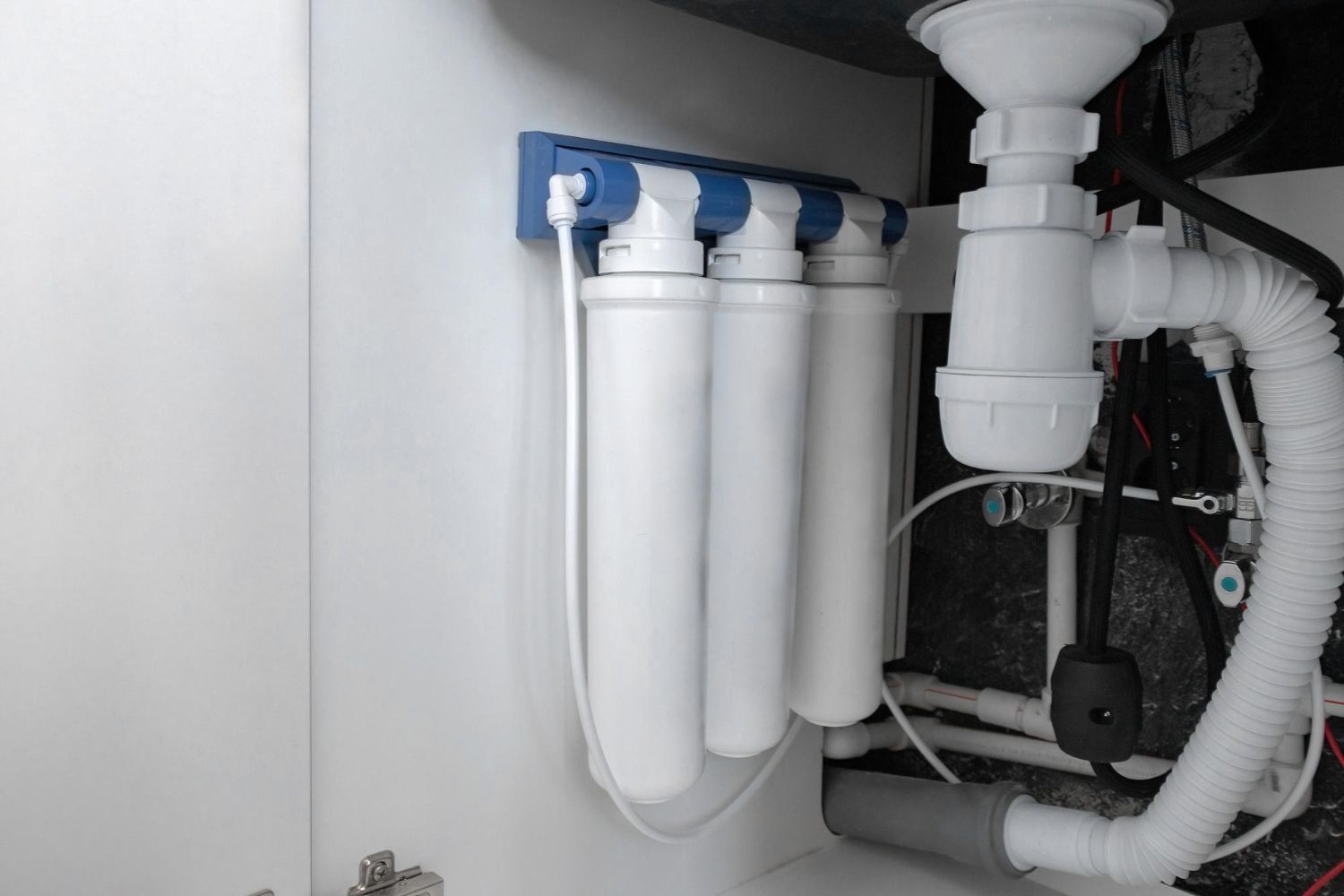
• Reverse osmosis systems work well in kitchens where clean drinking water is the focus. These stay mostly indoors, which helps avoid freezing lines.
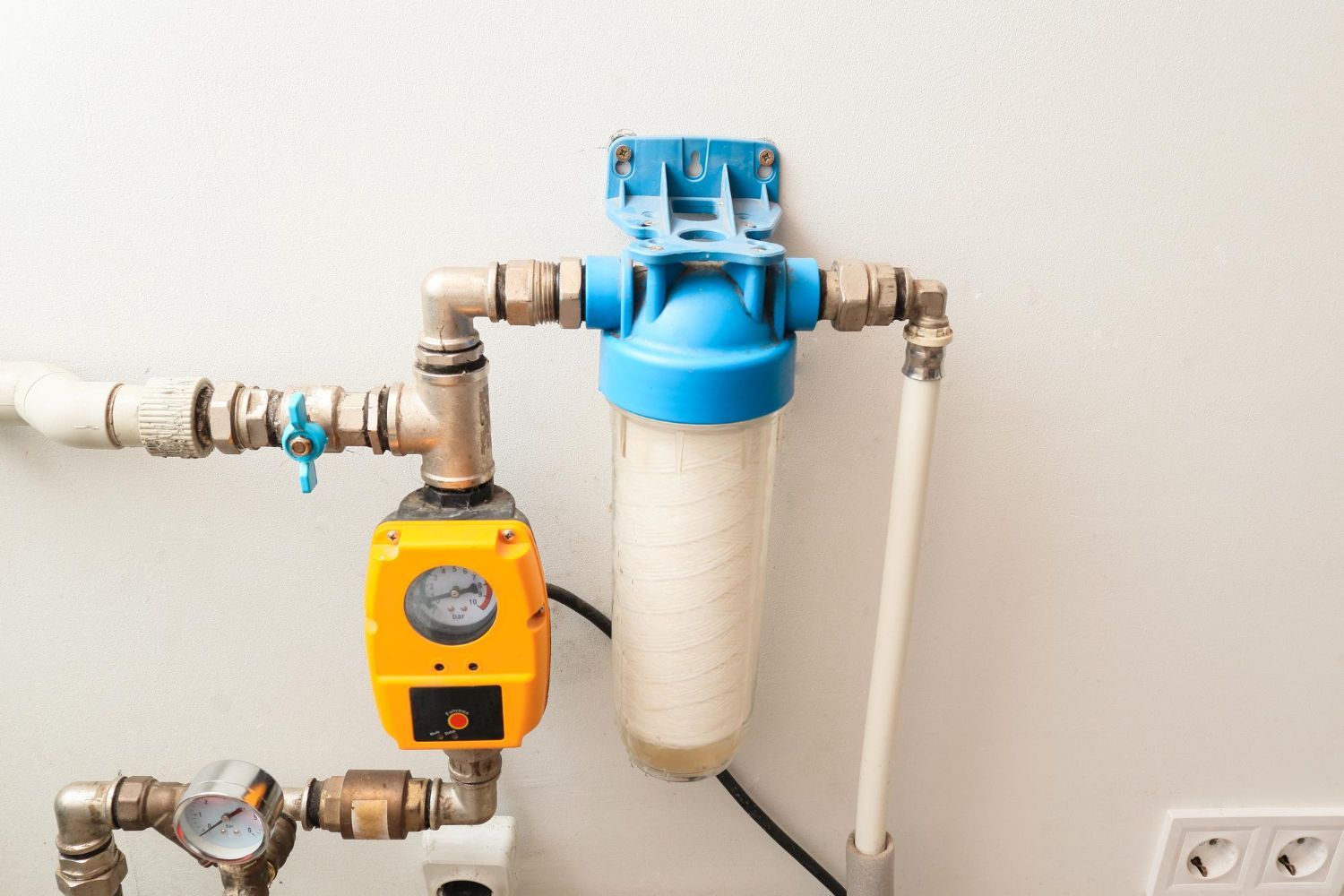
• Whole-home systems clean all incoming water but usually need space, access to plumbing, and possibly adjustments for basement or utility room installation.
• In colder months, combined systems with sediment, carbon, and RO filtration may move a little slower, so it’s helpful to match the right capacity to your water pressure.
We look at how much hot water is being used too. During winter, hot showers and dishwashers run more often, and that affects how fast filters wear out. Systems with strong cold-water performance and low-temp-rated filters tend to hold up better when it's snowing outside.
No system is one-size-fits-all. We recommend one that keeps up with your winter demands without slowing down or clogging because of the weather.
Installation Timing and Scheduling During Cold Months
Timing is everything when installing in winter. Snow, wind, and frozen ground can limit how easily we get to utilities or hook into outdoor systems. That’s why we try to install when the weather is steady, often in mid-morning or early afternoon when temperatures peak for the day.
• Frozen ground can be tough on installation if external digging or piping is needed, so we try to avoid deep freezes when possible.
• Cold mornings and early sunsets can also cut installation windows short. That’s why we often suggest scheduling earlier in the week or on days with mild forecasts.
• If we can set up the entire system inside, no outdoor parts or trenching, we can move faster and avoid most weather setbacks.
Planning also gives us a better chance to walk through what your system needs without rushing. This is especially true if we’re making decisions to route filters or valves to warmer spaces like basements or mudrooms.
Protecting Water Purification Systems Once Installed
Once the system is in, winter care doesn't stop there. Protecting the setup from freezing or pressure loss is key to keeping things running without trouble.
• Placing systems in insulated or heated areas helps avoid freezing, even when temps outside drop well below freezing.
• Filter housing should be sheltered from strong drafts, especially in attached garages or basements with vents.
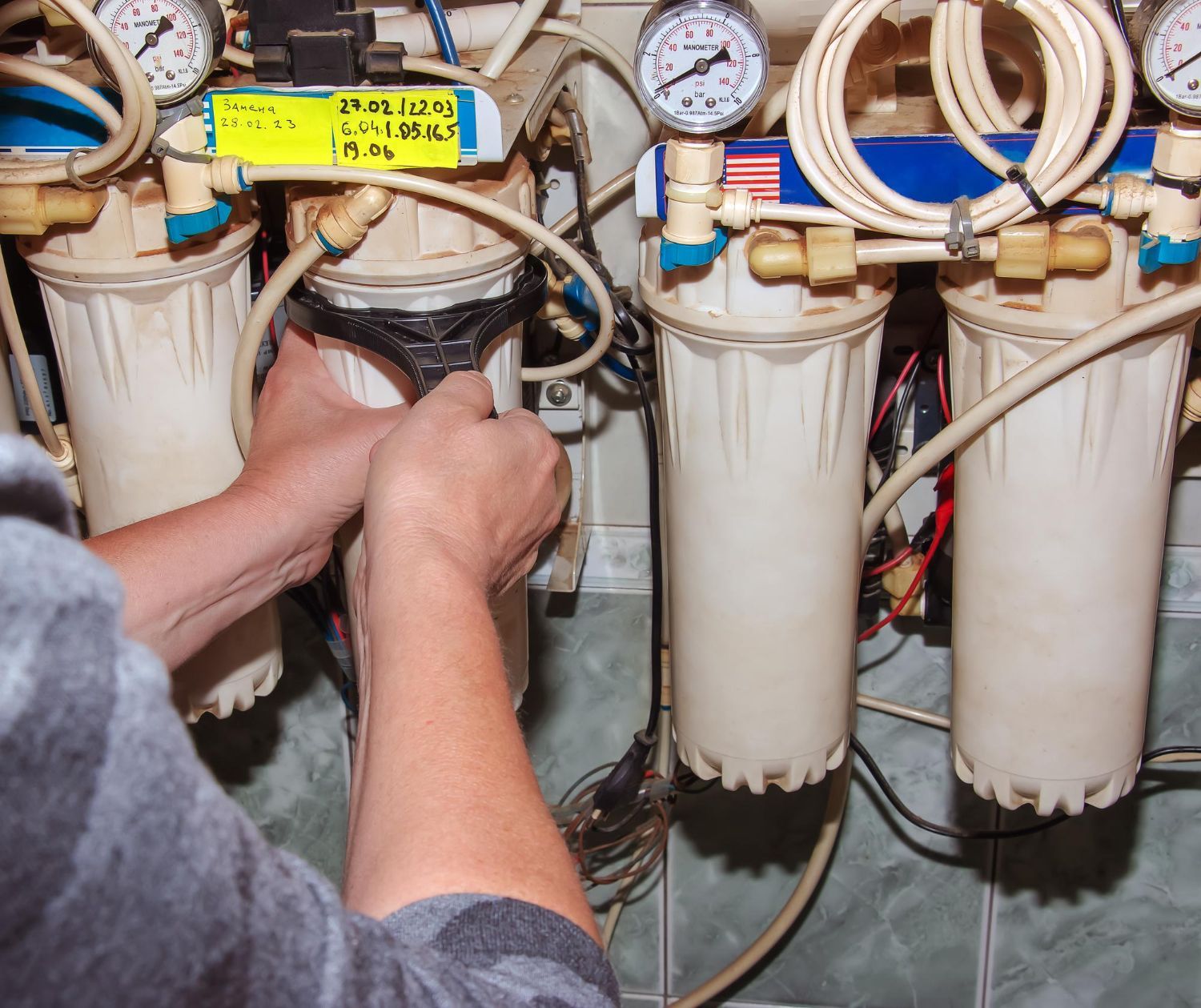
• Slow water pressure during heavy hot-water use in winter can leave filters working overtime, so periodic checks help avoid clogs.
We’ve also seen small changes make a big difference. Covering exposed pipes with foam sleeves or allowing slow drips during deep cold snaps can prevent freeze-ups without needing big changes. Taking a few preventative steps can stretch out filter lifespan and reduce service interruptions during peak winter use.
Local Water Quality and Seasonal Factors in Northern Utah
During the snowy season in places like Park City and Salt Lake City, water sources shift slightly, and that affects what flows into homes. Mountain snowmelt hasn’t kicked in yet, but the prep for it begins underground.
• Elevated mineral content is more common mid-winter, and that can lead to faster filter buildup if systems aren’t ready for it.
• Cold water picks up taste differences faster. Many people start to notice that their tap water smells different or tastes off, even when it looks clear.
• Checking water clarity during the winter months helps prevent surprises when spring runoff arrives.
We use water purification systems designed for Utah’s groundwater, offering both basic and advanced filtration options to handle local water challenges year-round. Our service includes ongoing maintenance for both new and existing systems, helping keep your setup working as it should through every season.
We build systems with these changes in mind. By looking ahead to what the water might carry next season, we reduce the chance of surprises. It’s not just about cold water, it's about the quality of that water over time and staying ahead of changes that come from local terrain and snowfall.
Keep Your Water Flowing Clean All Season
Installing a system in winter isn’t always simple, but doing it right makes daily routines smoother when it’s cold outside. From choosing a setup that works well in low temperatures to protecting it from freezing, timing really does matter this time of year.
We’ve seen how local water quality and weather patterns can shift from month to month. That's why planning ahead for water purification system installation helps avoid stress later. The right setup, timed properly and prepared for winter conditions, can keep your water clean through the season and well into spring.
Winter plumbing can present unique challenges, especially in Park City and Salt Lake City, but our team at My Water Science is committed to providing long-term solutions that fit your home and water quality needs year-round. The first step is understanding your water requirements and identifying the right system for your space, not just once the weather warms up. Discover our proven approach to
water purification system installation and reach out to schedule your winter-ready plan with us today.