What You Should Know About Installing RO Systems in Utah County
If you’ve ever poured a glass of water from the tap in Utah County and caught a strange taste or smell, you’re not alone. Many homeowners in the area are turning to reverse osmosis (RO) systems to clear out those unwanted flavors and improve water quality right at the kitchen sink. Choosing the right setup, though, isn’t as simple as picking a filter and screwing it in.
RO system installation in Utah County brings in a few local factors that can affect how the system works and lasts. Things like hard water, home size, seasonal use, and outdoor conditions all play a part. This is especially true during late winter when snowmelt and dry indoor air start to change how homes use and move water. If you’re thinking about installing a system soon, it helps to know what you're stepping into before the faucet runs dry.
Why RO Systems Matter for Utah County Homes
Water quality across Utah County varies, but a few patterns tend to show up in most homes. Hard water is one of the most common issues, and it doesn’t just leave spots on dishes. That same hardness can affect the taste and smell of drinking water. It may come out chalky or even leave behind a slight mineral aftertaste. Depending on your location, city water might also carry a bit of chlorine, which adds to that noticeable tap flavor.
An RO system helps remove these things by pushing water through a special membrane that catches tiny particles and dissolved solids. It also filters out odors, so everything tastes cleaner and more like what you expect from bottled water. But there’s another bonus too. Late February is one of those times when outdoor changes, like early snowmelt or air pressure shifts, start washing new material into the water supply. Installing before those shifts gives homeowners a cleaner baseline for the spring months ahead.
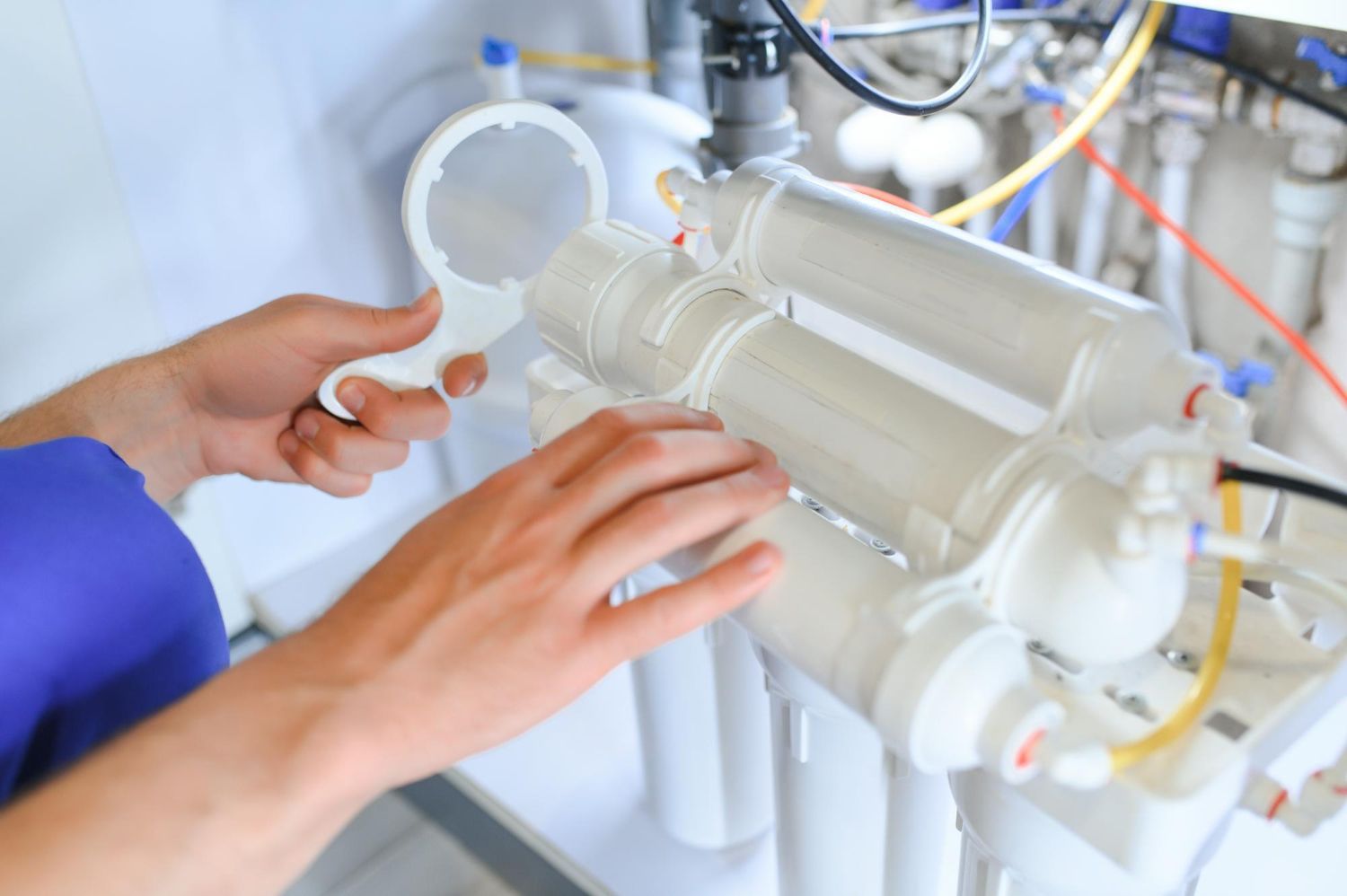
Water Science installs and maintains residential and commercial RO systems designed for high-mineral Utah water, handling new installations, replacements, and ongoing service for local families and businesses. Our systems are customized with options for sediment pre-filters and multi-stage filtration for homes on both city water and private wells.
What to Expect During RO Installation
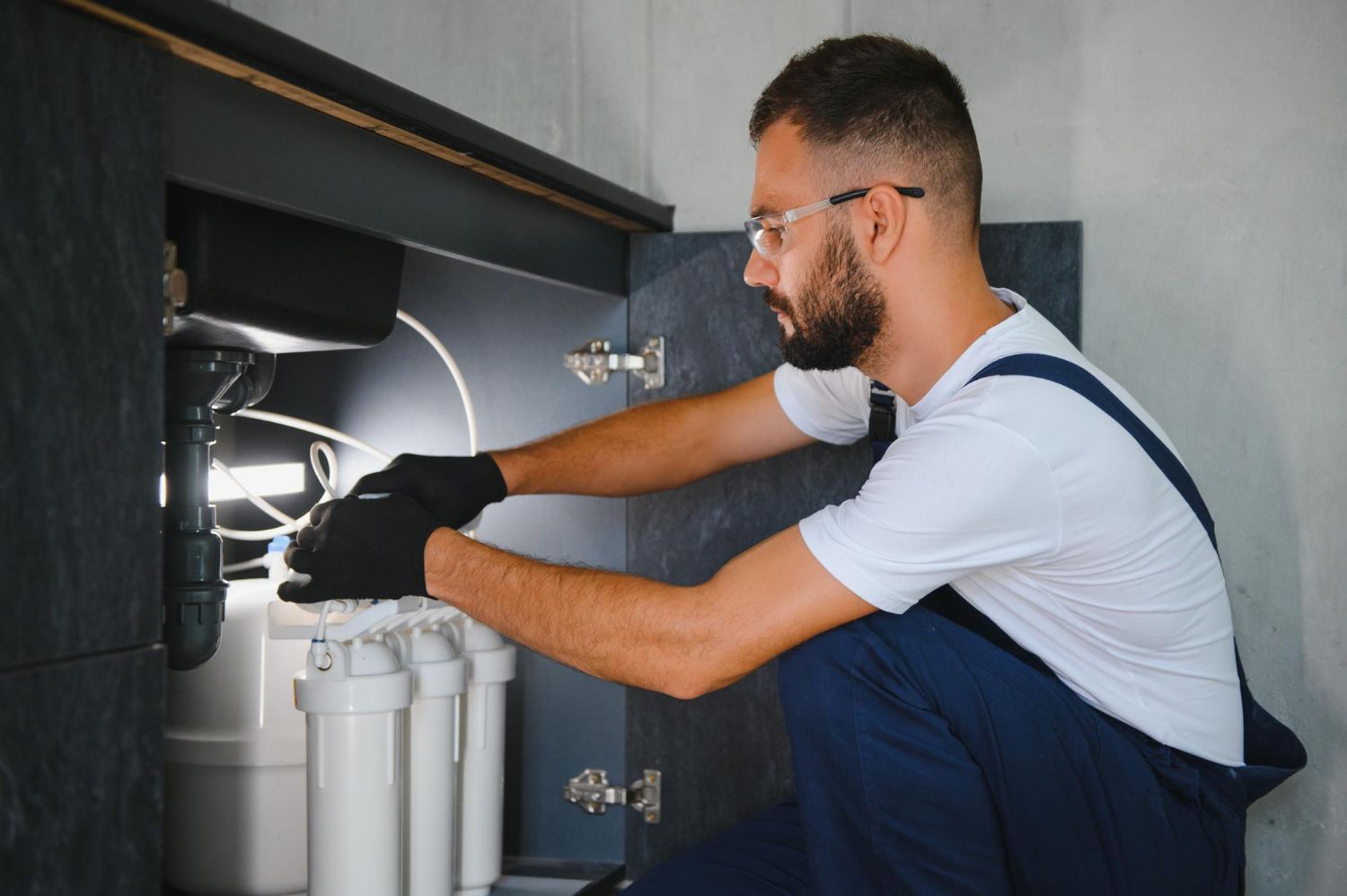
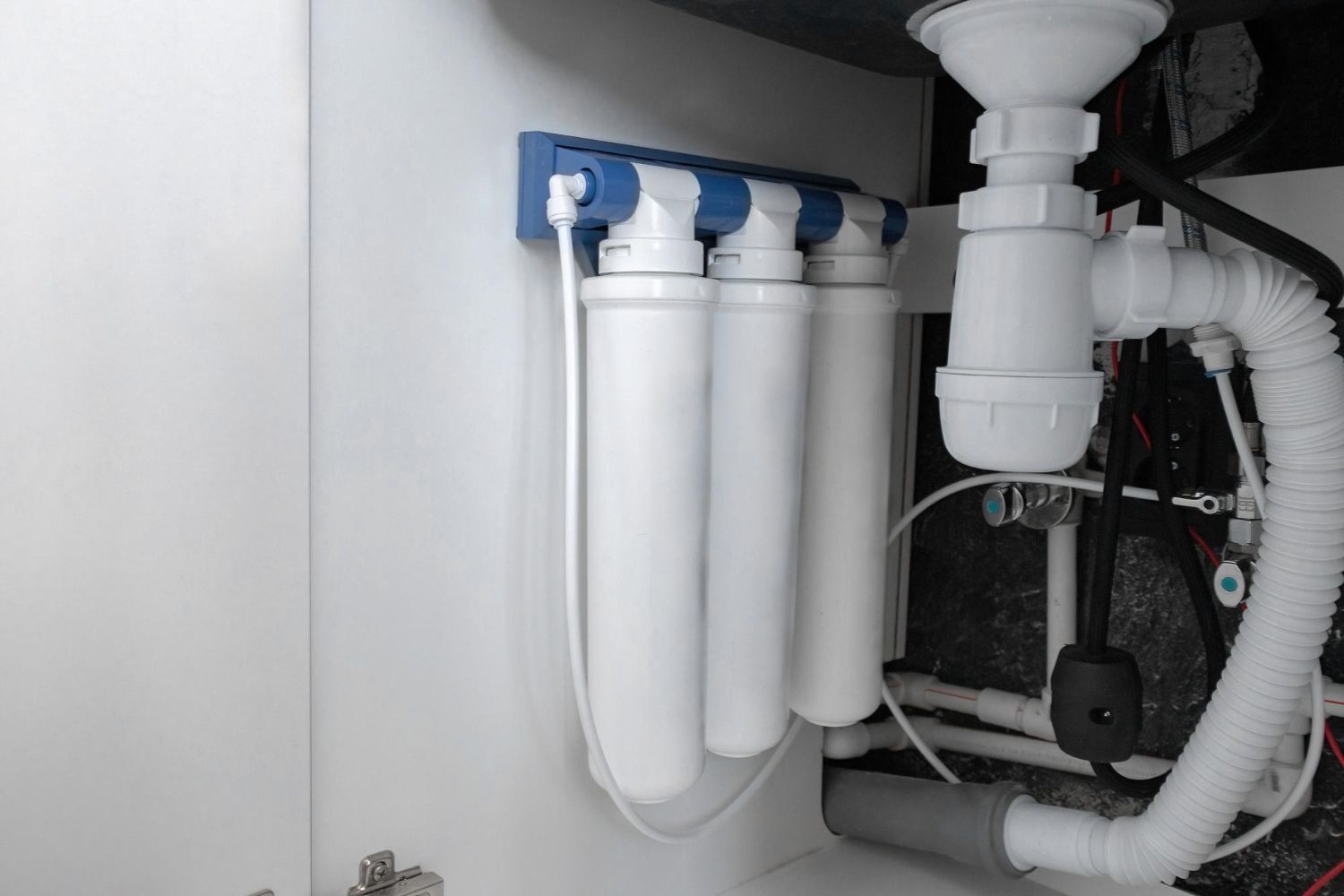
Putting in an RO system doesn’t involve a full remodel, but it does take some thoughtful choices. The installer first looks at where the system will go, which is usually under the kitchen sink. From there, we think about how much water you’ll want the system to hold and how fast you want it to refill. Some homes may want a higher-capacity tank or a more advanced multi-stage filter.
• Smaller homes might only need a standard setup
• Larger households may benefit from custom sizing or extra filter stages
• The layout of the kitchen or basement may affect how pipes access the right connections
Winter installations sometimes pose small challenges if outdoor lines freeze or we’re working in tight utility spaces. In early spring, snow around the home can make exterior access trickier too. Planning ahead avoids these hiccups and keeps the install on track.
Local Water Quality and Its Impact on RO Systems
Not all homes in Utah County rely on the same water sources. Some are connected to city water, while others draw from private wells. That can change how water behaves once it gets indoors. City water usually brings in a mix of treated supply, which may include leftover chlorine or fluoride. Wells lean more heavily on natural minerals, and in some cases, these cause buildup or wear down filters faster.
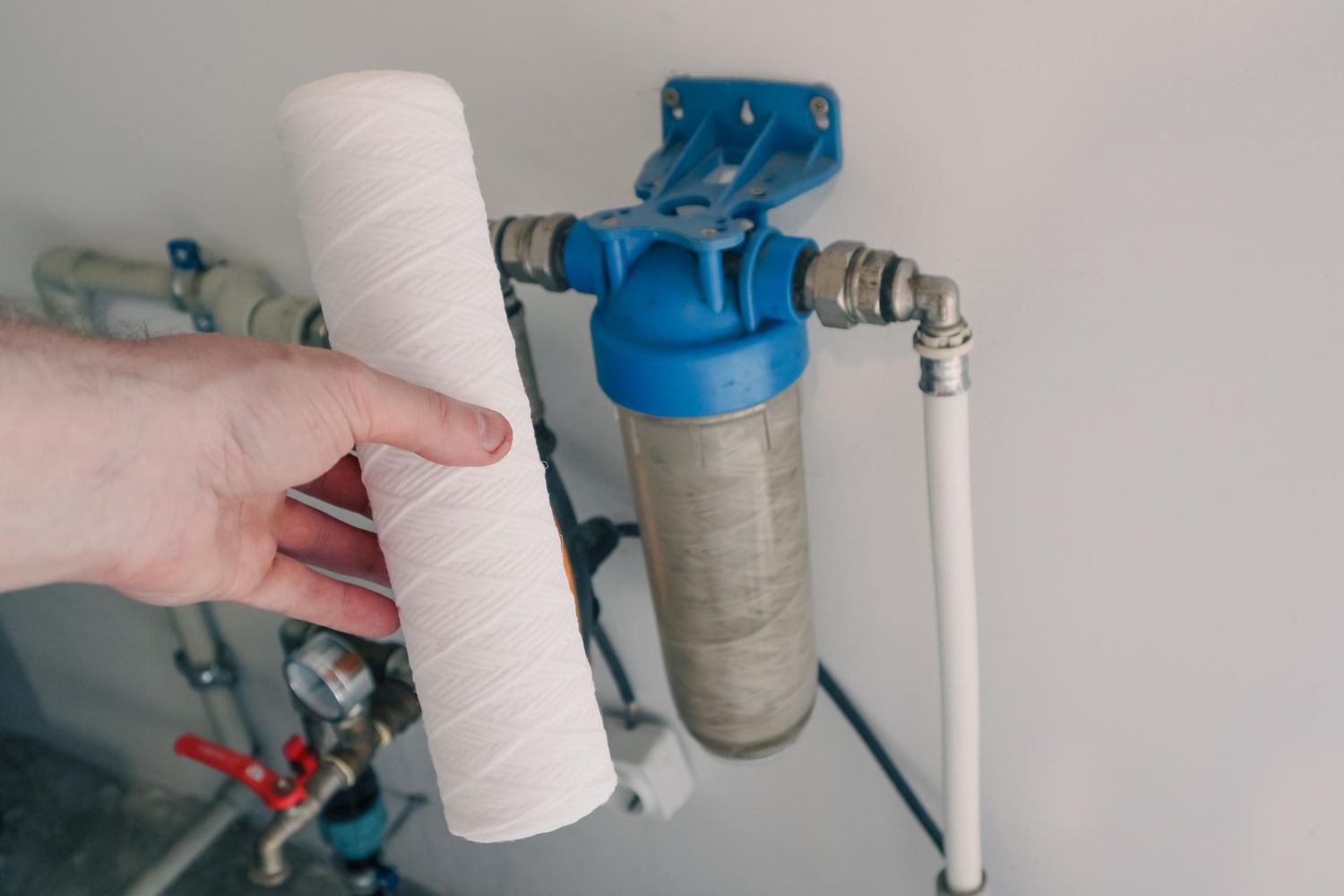
The type of water matters when choosing membranes and pre-filters. If your area has a lot of silt or calcium, we might suggest an extra sediment stage to block these elements early. The local geology can also affect long-term performance. Certain areas collect runoff from hills and exposed terrains, which becomes more of an issue in late winter as snow melts and rain increases.
Dry indoor air and changing pressure can also shift how water flows through filters. In homes that have gone a few months without checking filter condition, you might notice slower pressure or cloudier water than before.
Questions to Ask Before Installing
A well-planned system doesn’t need frequent check-ins, but it does need to fit your home and lifestyle. That means asking a few practical questions at the start.
• How many gallons of drinking water do you go through daily?
• Will the system connect only to the kitchen faucet, or will you want other taps covered too?
• Is your plumbing already set up for easy access, or will it need a few small changes?
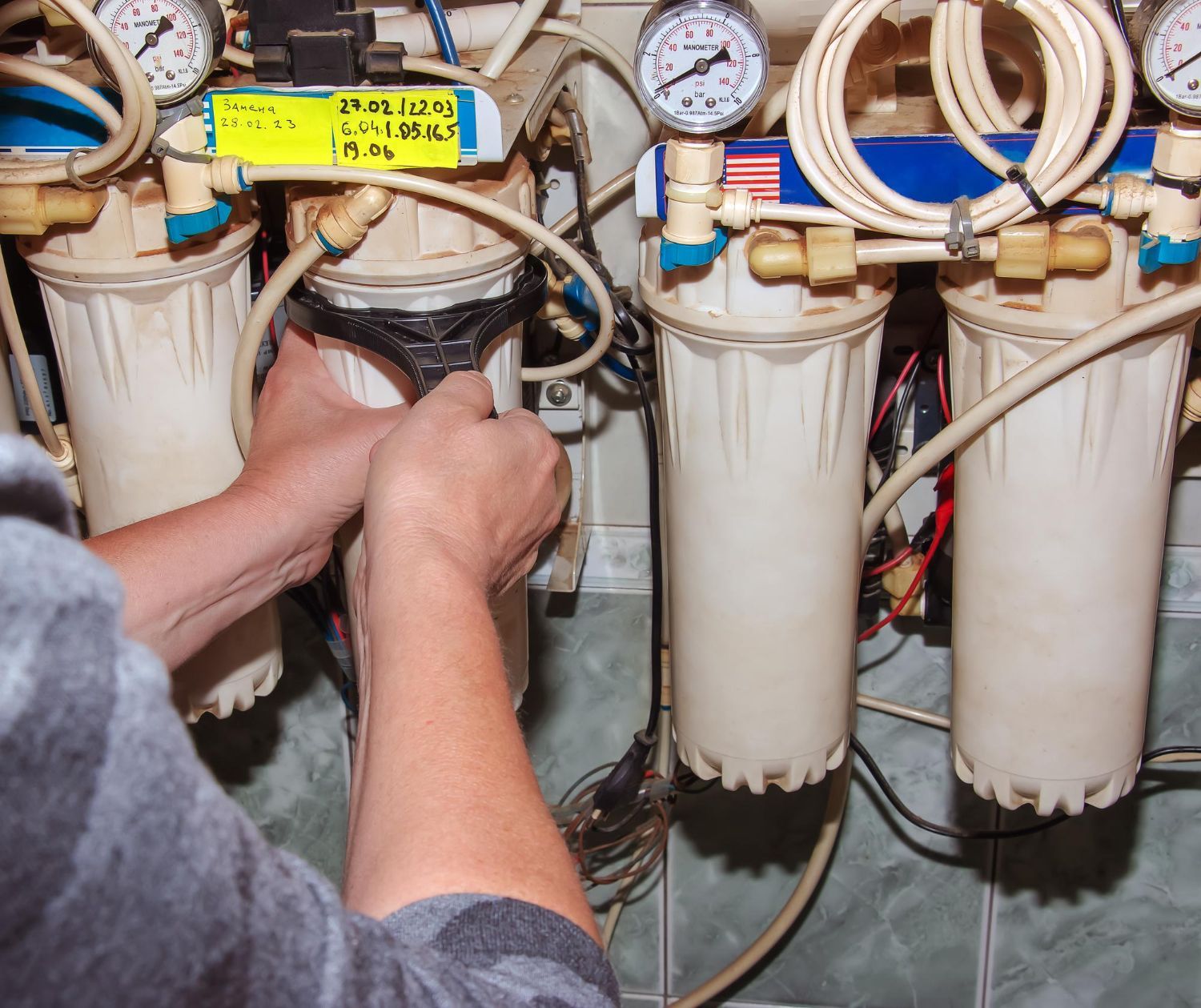
It’s also smart to think about how the filters will be maintained. Some will need replacement every 6 to 12 months. The more water your household uses, the faster those filters may need refreshing. Having a good plan in place now helps avoid running into surprise issues when spring gets busy.
We provide annual service plans and ongoing maintenance for all installed systems, including reminders for filter changes and tips for keeping your RO setup running at peak performance throughout the year.
Seasonal Advantages to Installing in Late Winter
Late February might not seem like the most obvious time to add a water system, but it has a few solid advantages. There’s still a bit of breathing room before spring activities kick in, and water use inside the home tends to be more consistent during this stretch of the year.
• Getting the system in now avoids the spring rush of household projects
• Filters stay cleaner longer when water is filtered before early-season melt-off
• Clean water is ready before allergy season or outdoor gatherings start up again
If installation waits too long, available appointment slots start filling fast. That’s especially true once spring hits and contractors start booking up for new construction or remodels. Planning ahead this time of year gives you more flexibility.
Making Clean Water a Daily Habit
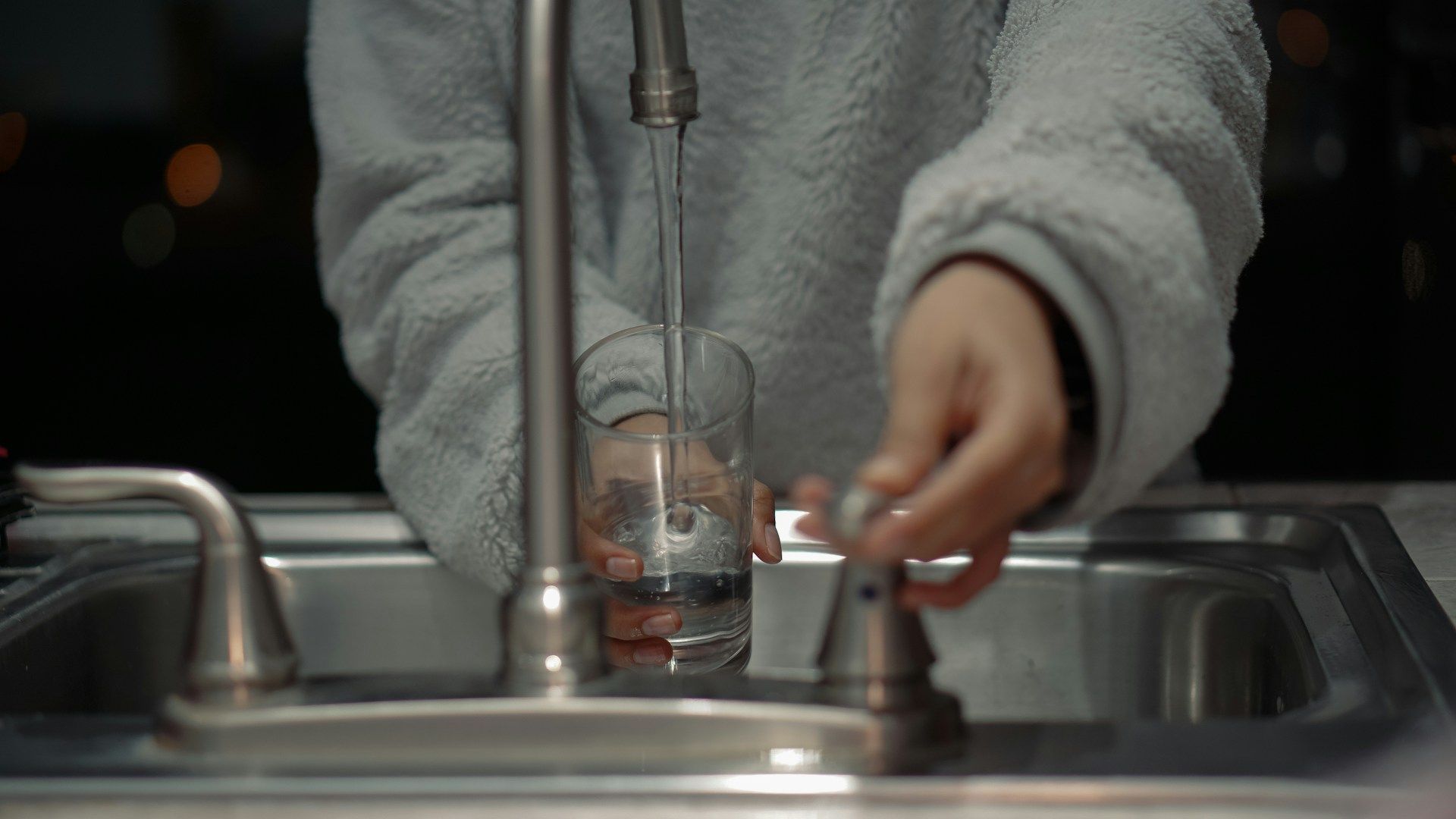
RO systems aren’t just about fixing a bad smell or taste in your sink. They’re about setting up a simple and consistent way to drink better water, cook with it, and fill up bottles without thinking twice. Once installed, the right system blends in quietly and gets to work.
We’ve seen over the years that homeowners feel more confident when they understand how their water behaves through the seasons. That’s especially true somewhere like Utah County, where water quality shifts can sneak up across the calendar. Planning now gives your home a clean, reliable water setup that’s ready no matter what's happening outside.
Many Utah County homeowners are taking proactive steps to improve water quality, especially before spring runoff impacts their supply. At Water Science, we’ve guided countless local families in designing solutions that keep water tasting clean and systems running efficiently, paying close attention to important details like pressure and sediment. To discover what makes an effective
RO system installation in Utah County last for the long term, call us today to discuss options that fit your home.