Understanding Water Treatment Services in Wasatch
Water treatment services in Wasatch play an important role in keeping homes and businesses running smoothly, especially during colder seasons. As winter reaches its peak across Wasatch County, more families start to notice things they hadn't before, like cloudy water from the tap or stiff laundry straight from the washer. Chilly air and heavier use of hot water put extra pressure on both plumbing and heaters, making any underlying water quality problems more obvious. Sometimes, you can see scaling in your sinks or bathtubs and feel the effects in your skin after showers.
We don’t just feel the cold in the air, we see its effects in how water moves through pipes that might already be under strain. Even the sound of pipes can be different as water pushes through with more effort.
Why Water Quality Can Shift During Cold Months
When underground temperatures drop, water lines and older piping have to work harder just to keep flowing. Some homes might start to see:
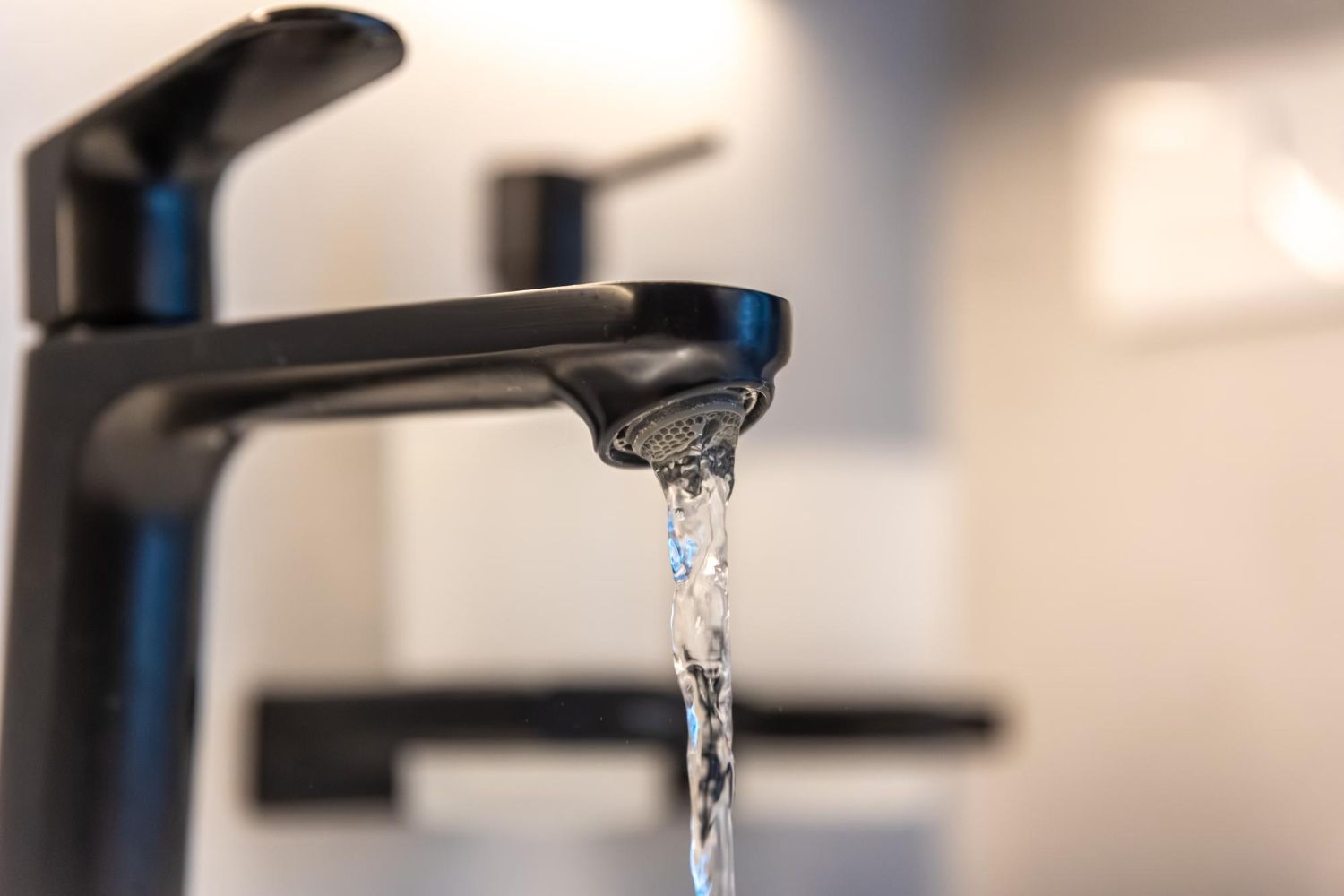
• Cloudy or milky water coming from taps
• White or orange film building up around faucets
• Odd tastes or smells, like rust or minerals
These changes can show up suddenly or build over time. In many cases, they point to mineral-heavy water or older filters that are no longer working the way they should. When water freezes or slows in the pipes, it can bring sediment and buildup along with it. That’s why winter often brings these problems to the surface, literally. If you notice the problem only during the colder months, it's usually because the cold air is making pipes contract and materials in the water more likely to separate out onto fixtures. This can be more obvious if you spend more time at home and notice water issues like spots on glassware or dishes.
What Water Treatment Services Typically Cover
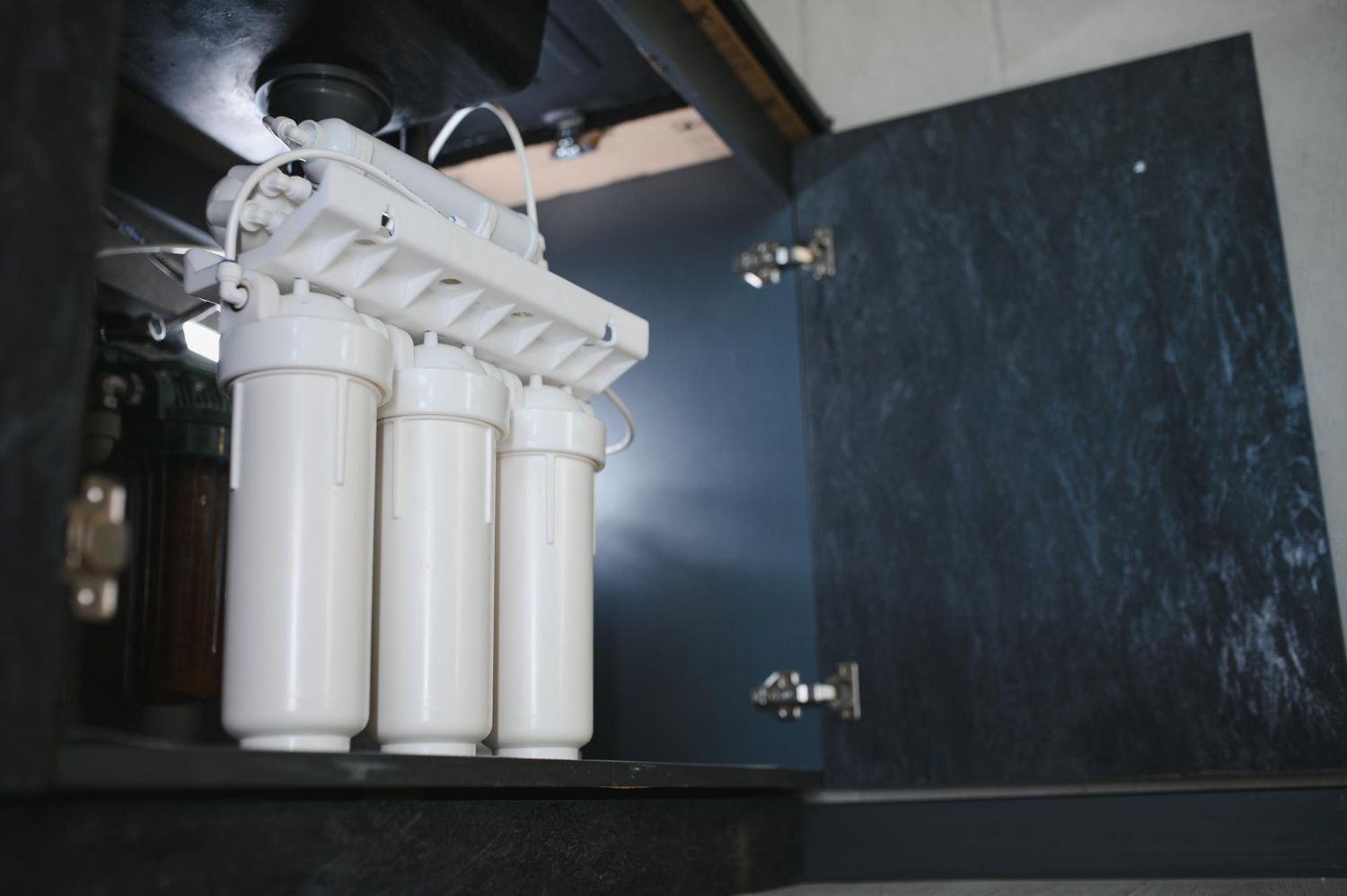
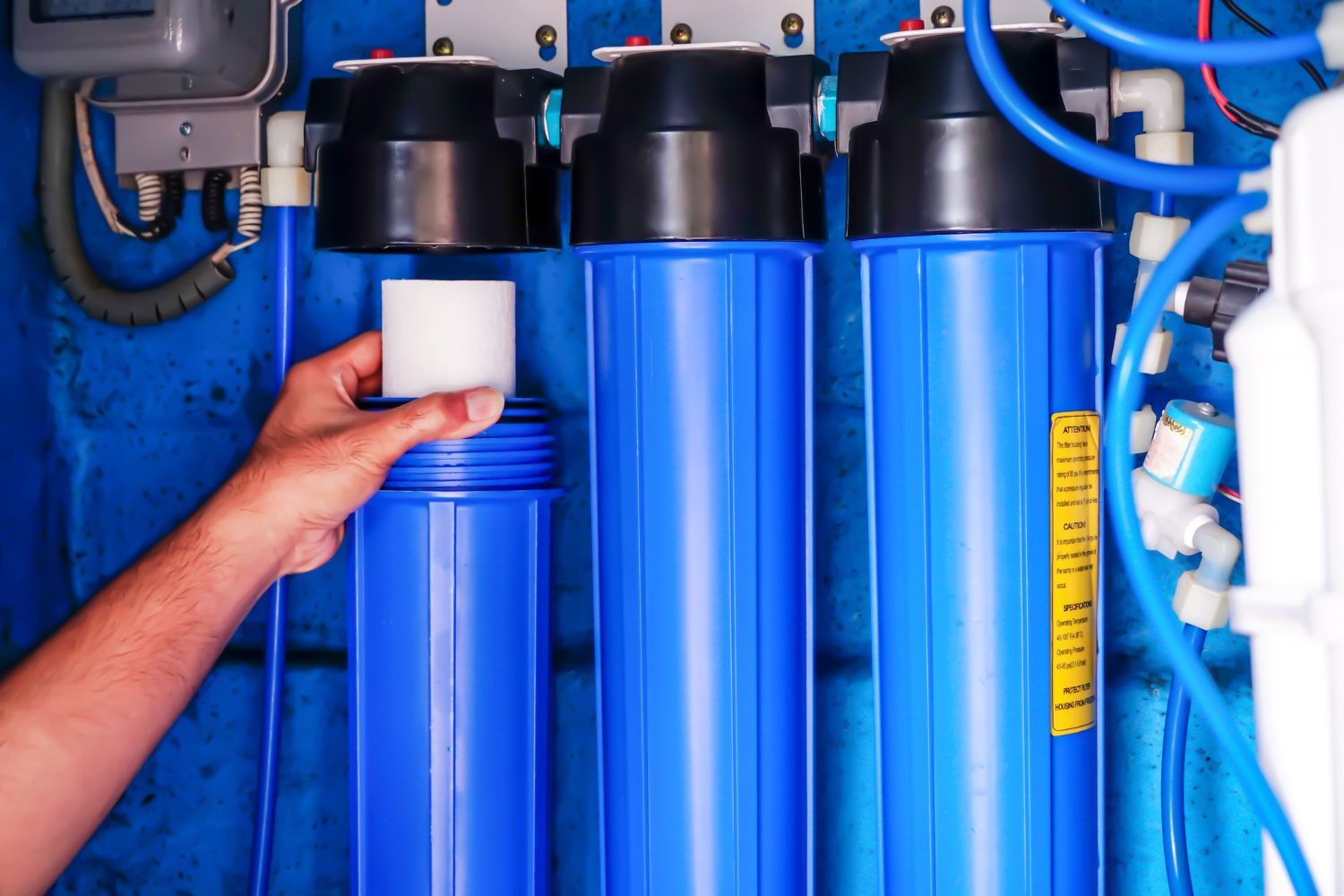
A full water treatment setup usually handles a few different parts of the water puzzle. Each one tackles its own job to help keep water clean and comfortable.
• Softening helps reduce minerals like calcium and magnesium that make water "hard" and cause scale or white spots
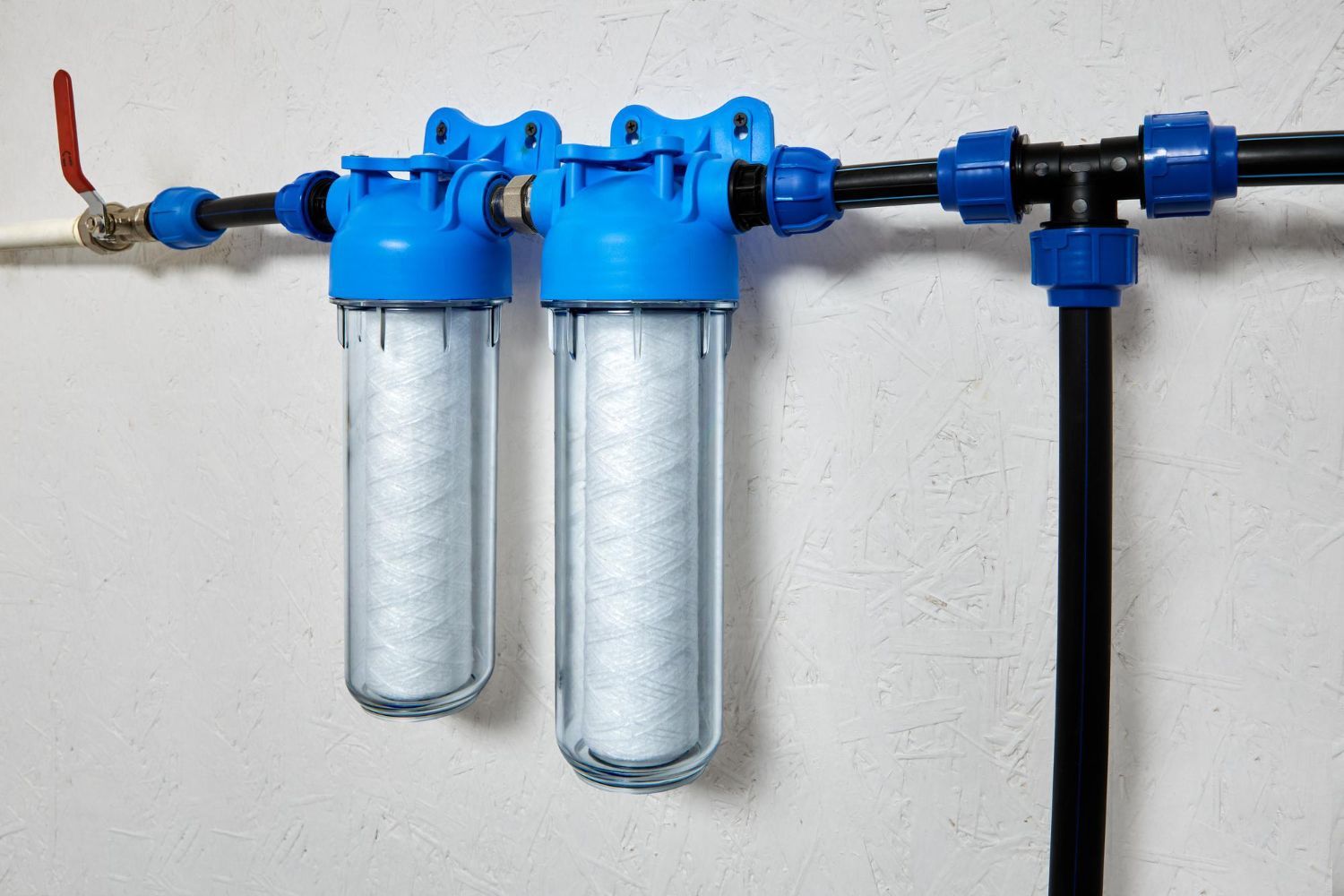
• Filtration catches things like sediment, chlorine, and odors
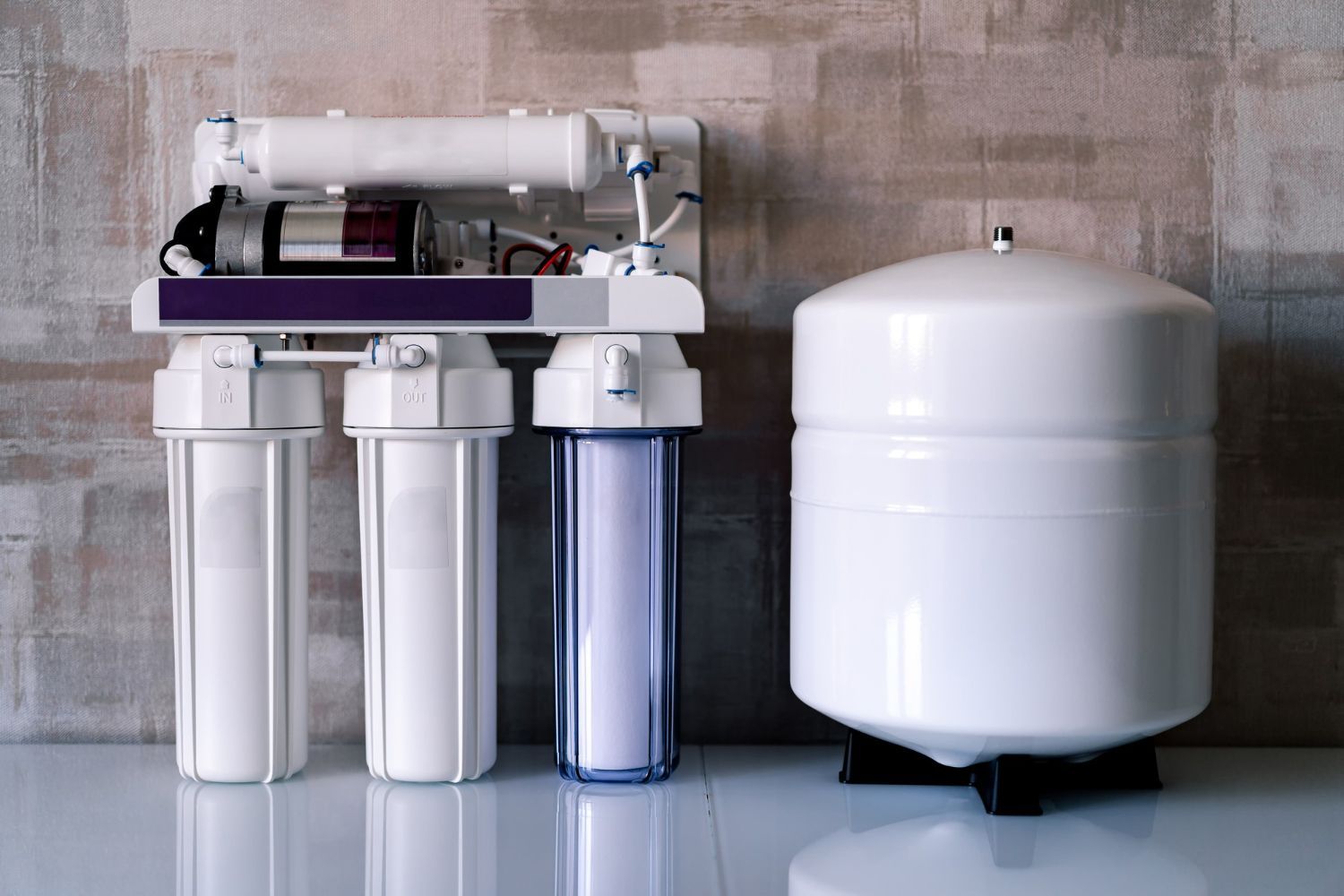
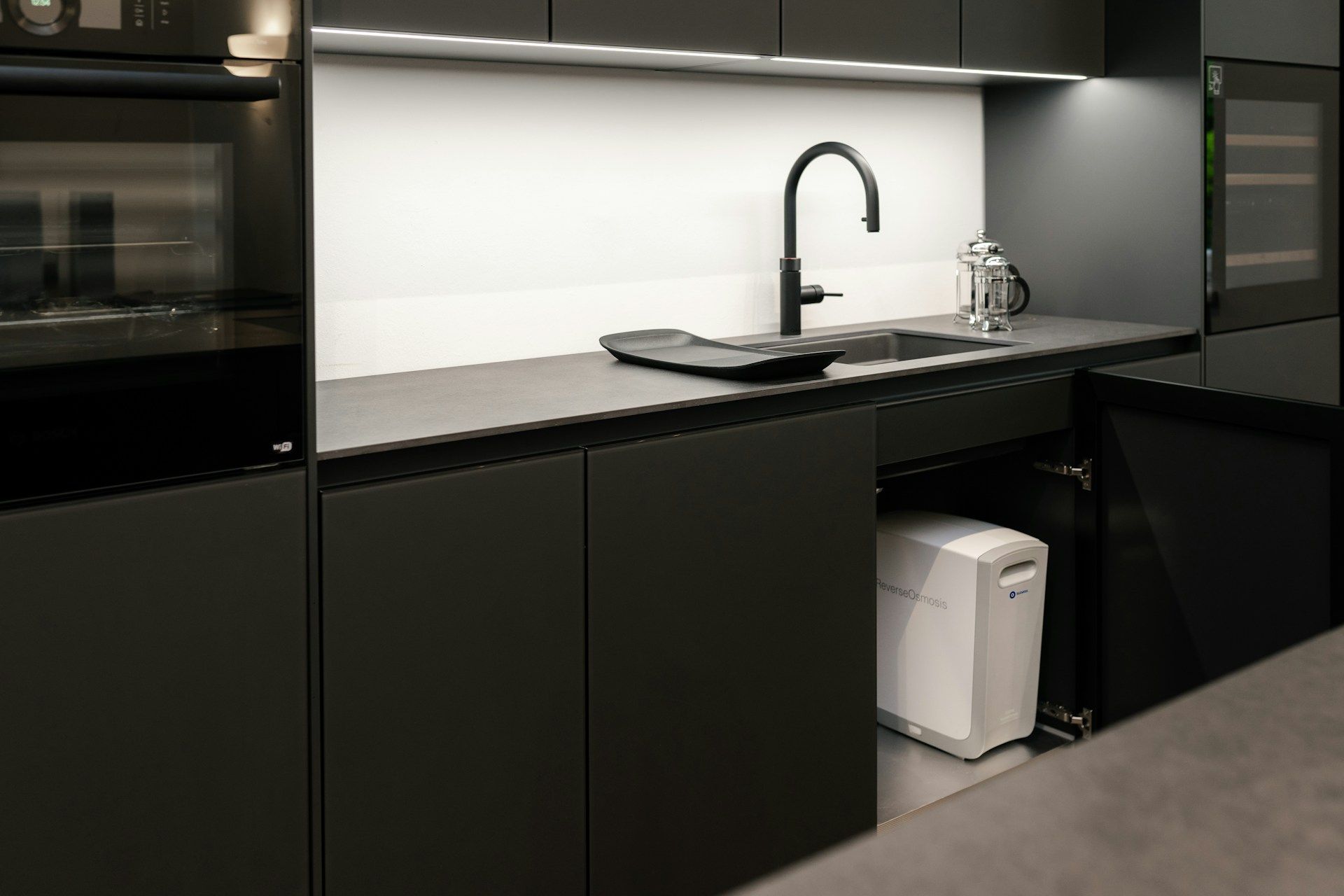
• Purification focuses on removing extra particles or contaminants, making sure the water is safe to drink
These systems don’t just affect what you sip from the faucet. They show up in how your hair feels after a shower, how your dishes come out of the dishwasher, and whether your washing machine struggles with soap. Winter makes these parts more noticeable. Extra hot showers and laundry loads put systems under strain, and gaps in treatment start to impact comfort at home.
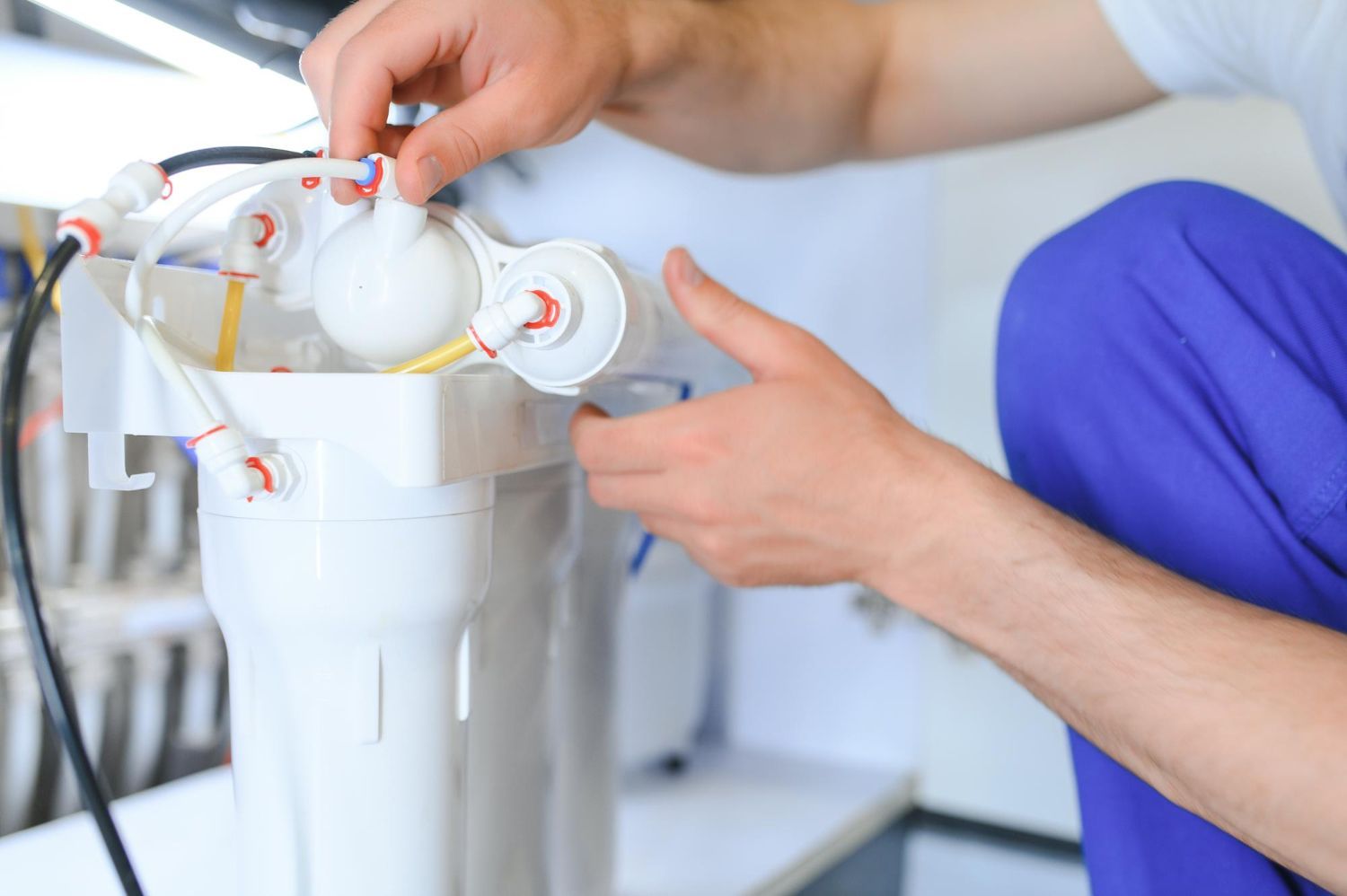
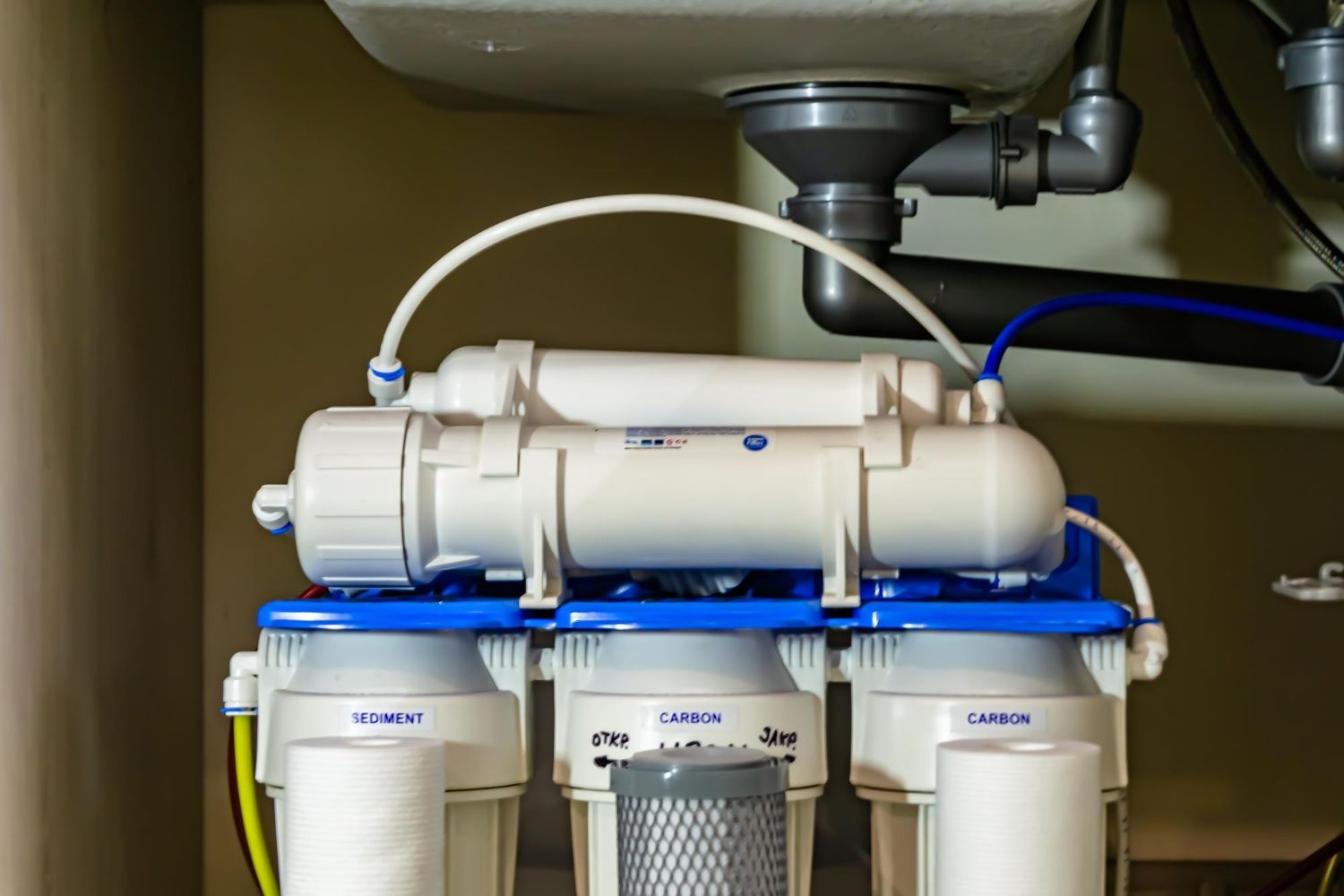
Water Science offers whole house water softening, advanced filtration, and reverse osmosis system installation and maintenance, covering Wasatch County and neighboring ski country communities. Our water softener products and solutions are designed for the advanced mineral and sediment conditions found in Utah groundwater. It's also helpful to understand which water treatment system (or combination of them) your home relies on, as some setups may work better with a little extra maintenance in the winter.
Some people ask if softening and filtration are both needed, or if one is enough. In Wasatch, minerals show up frequently in the water, so softening is important for fighting scale and making water feel better on skin and hair. But, filtration takes care of odors, sediment, and any strange tasting water, which is also common in winter months when pipes shift due to cold.
When to Consider Upgrading or Servicing Equipment
Most people don’t think about their water system until something feels off. But a lot of signs are small and easy to miss until they get worse. Here are a few that might mean it’s time to take a closer look:
• Your soap doesn’t lather as easily, or your skin feels dry even after showers
• You see flakes or buildup on faucets, tiles, or dishes
• Appliances feel less efficient or seem to need more maintenance
It’s not just about age either. Systems that were sized for a family of two might not keep up once your household grows. And every winter, snowmelt and runoff build up in nearby sources, changing what comes through the tap, whether that’s from a well or the city. Checking ahead of spring can keep problems from building without warning.
Sometimes, if your area experiences sudden freezes, your current filter or softener might have to work harder. Filters work best when maintained and checked for clogging, and softeners run smoothly when salt levels aren’t too low. If you’ve recently hosted extra guests or had changes in routine, it’s a good time to see if everything in your water system is working as it should. Dry winter air inside can also highlight water problems that went unnoticed during summer.
Taking care of water systems doesn't mean you need to replace everything. Sometimes, a minor adjustment or a filter replacement is enough. Keeping track of the date when your softener or filter was last serviced can help set a schedule for regular checks.
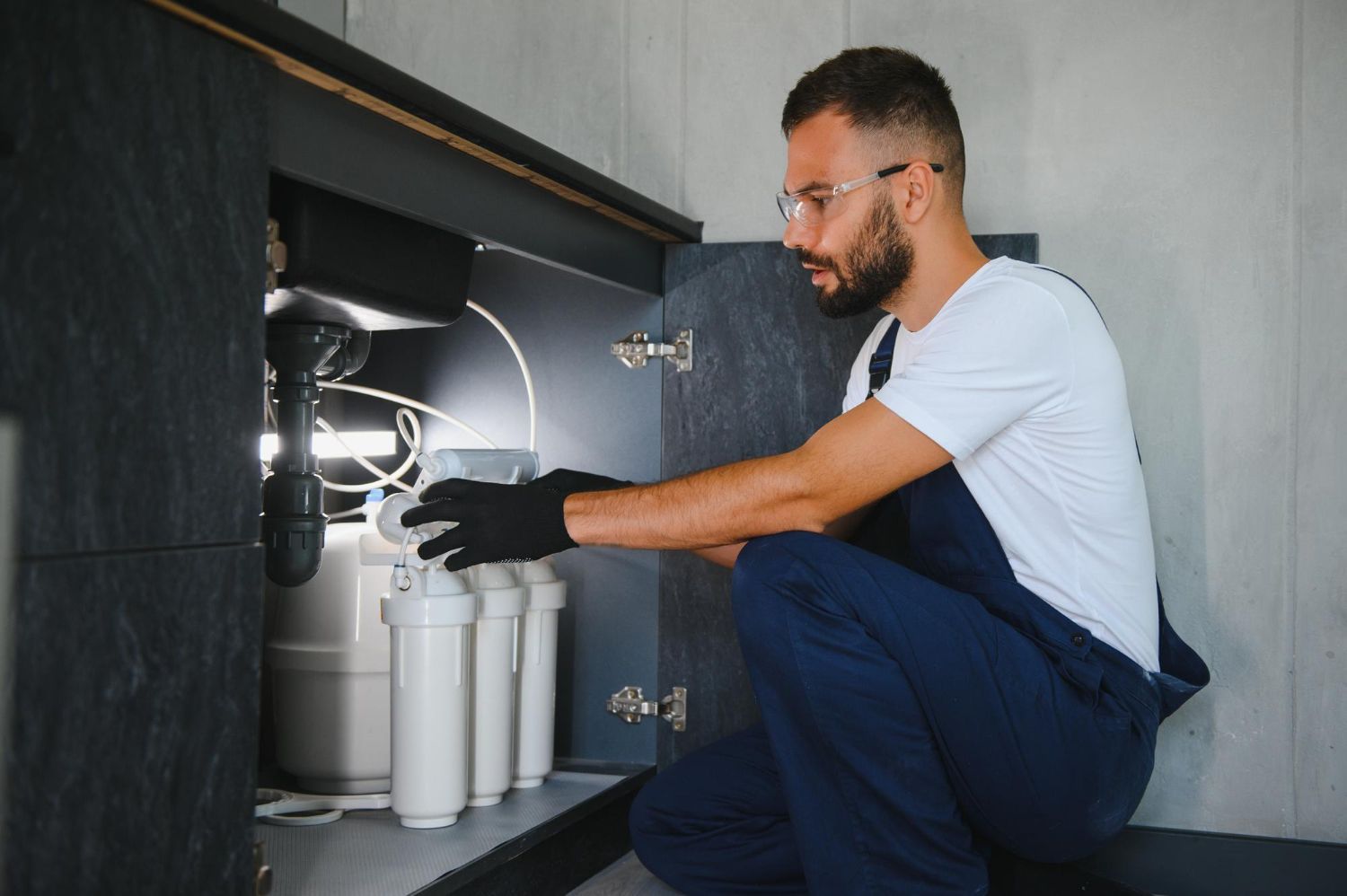
What to Expect From a Local Water Treatment Visit
If you’re planning to have someone stop by and look at your system, here’s what the visit usually looks like. It's helpful to be ready before they arrive.
• Make sure there's easy access to wherever your softener or filter lives
• Clear a small space near the water line so nothing’s in the way
• Be aware that your water might be off for a short stretch while things are tested
From Park City to nearby towns, Wasatch County’s water needs can vary. Some homes pull from private wells, while others rely on shared municipal sources. Elevation and terrain matter too. What works upstream might not do the job for someone at a different address. That’s why it’s helpful to share not just your concerns but your location history when someone comes by.
If your water comes from a well, the technician might run different tests than if you’re hooked up to a city water line. Both setups can bring their own quirks in winter, and the more the technician knows, the easier it will be for them to spot the root of any problem. Sometimes, if you’ve just moved into an older property, setting aside your own list of questions or noting changes over time can help during the visit.
After the inspection, you’ll often get feedback on the state of your system, and suggestions on what’s working fine or might need improvement. Being present during the visit means you can ask questions right away, so nothing goes unnoticed and you walk away prepared for anything the season brings.
Making Indoor Water More Comfortable This Season
Colder months often bring dry skin, dishes with spots, or clean clothes that still don’t smell quite right. At times, the root of these problems isn’t only in the heating or weather, it’s in the water itself. That’s why having the right system in place or making sure your current setup is tuned can make everyday things feel better, from your morning shower to washing up after dinner.
Cleaner, softer water makes life feel a little more comfortable. The peace of knowing your water is working as it should goes a long way, especially during a season that already brings its share of stress. By late January or early February, there’s still time to fix the small things before spring thaws create new ones. Whether it’s clearer water, more efficient appliances, or fewer surprises at the tap, winter is often when the need shows up, and the time to act is before it gets worse.
If you notice dust settling inside, need to run a humidifier, or find that hands feel dry after washing, double-checking your water treatment system may help. Small changes now make everyday routines easier and prepare your home for seasons ahead.
Smart Service for Wasatch Winters
Winter water issues in Wasatch County can leave your home feeling less comfortable, but staying ahead of buildup and hard water makes a real difference. We help make daily tasks easier and more reliable with smart updates and timely upkeep. To learn more about how we support homes with water treatment services in Wasatch, contact Water Science today.