Why Utah Water Softeners Fail Without Proper Setup
Utah homes deal with hard water more than most people realize. From Park City to Salt Lake City, minerals in the water can leave behind white spots on dishes, dull your laundry, and stain your appliances. That’s why plenty of homeowners turn to water softeners. When installed the right way, a softener can help reduce those problems and keep systems running smoothly. But the truth is, without careful setup, even a great unit can fall short.
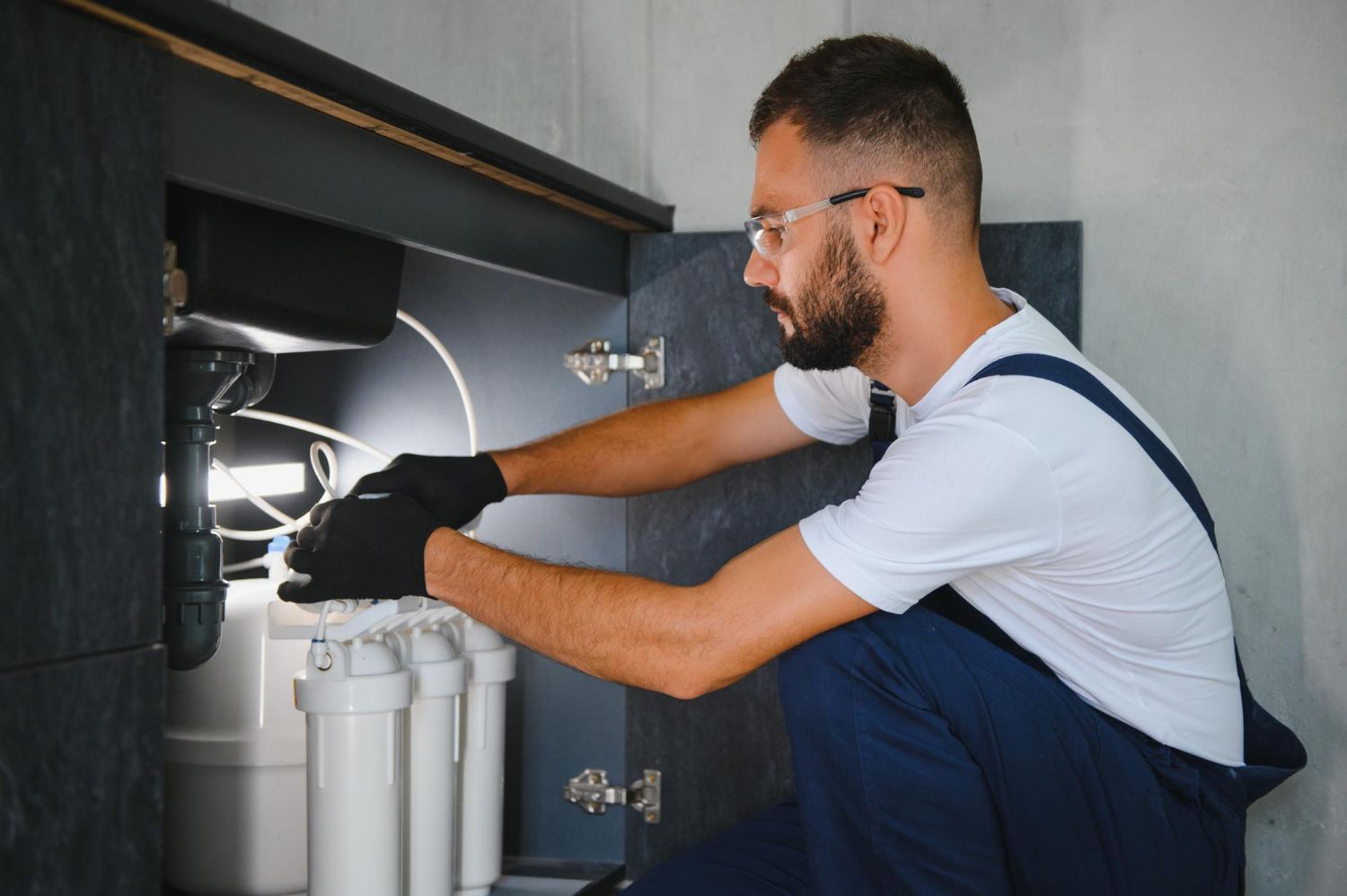
Utah water softener installation isn’t just about putting parts together. It’s about understanding where the water comes from, how hard it is, and what kind of setup the home uses. If any of those pieces are missed or rushed through, problems show up fast. From wrong-sized equipment to clogged lines in cold weather, we’ve seen how poor planning causes headaches later. Let’s look at why that happens and what those install missteps really cost.
When the System Doesn’t Match the Water
Not every water softener is a good match for Utah’s mineral-heavy water. The hardness level here changes a bit depending on where you live, but it tends to be high across the board. If someone installs a smaller unit that can’t keep up, the softener ends up working too hard too often. That wears it out quicker and doesn’t leave you with the clean water you expected.
Another common issue is choosing a style or type of system that isn’t made for your water source. For instance, well water in Wasatch County might have extra iron or sediment in it. If the softener isn’t built to handle that, it won’t just fail—it might even make things worse. Municipal water, on the other hand, could call for different adjustments during setup.
We’ve seen softeners work beautifully in some homes and fail in others that use the exact same unit. The difference comes down to water conditions. That first step—testing the source and knowing what you’re dealing with—makes a bigger impact than most people expect.
Installation Corners That Lead to Problems
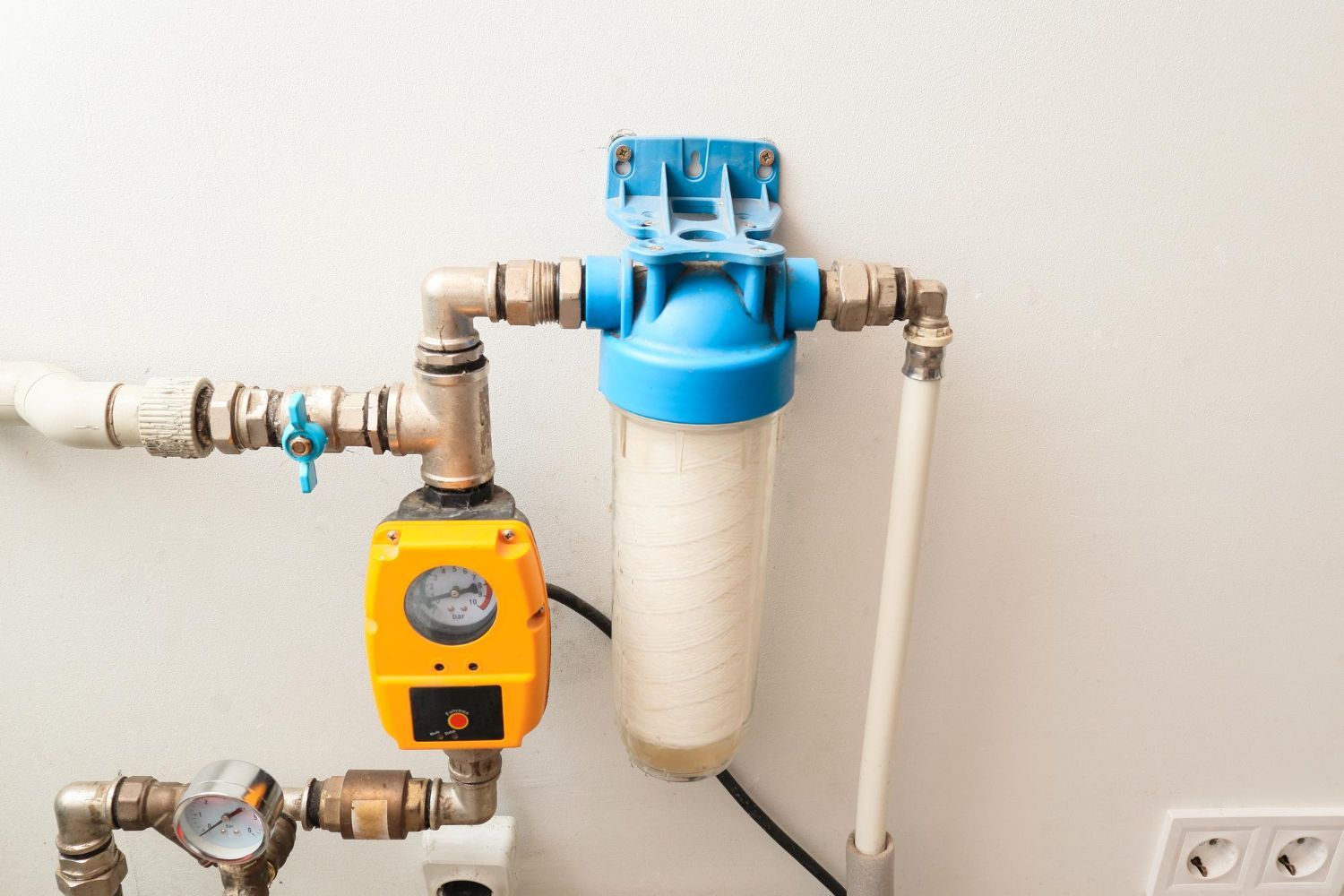
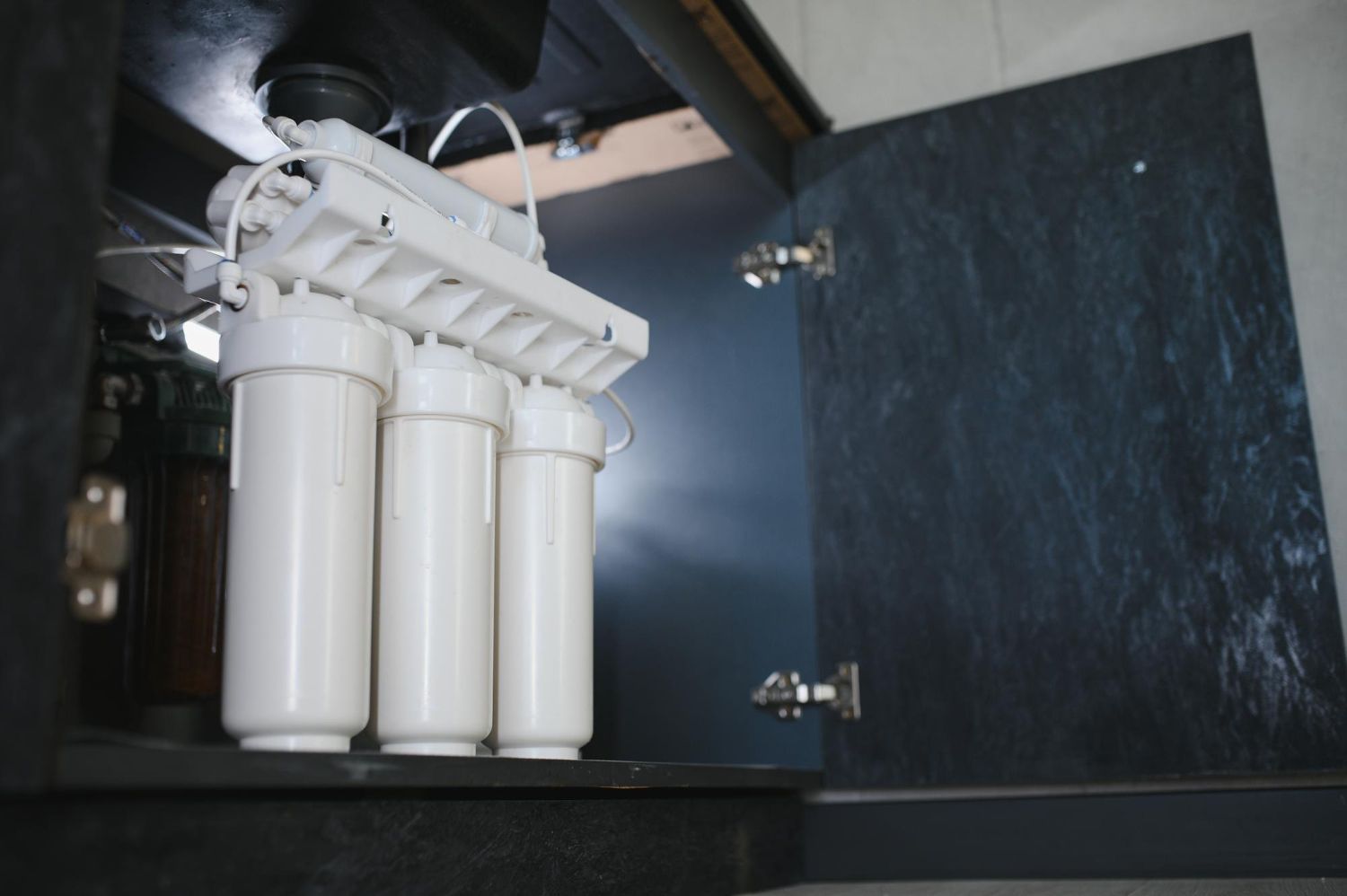
Even the best water softener won’t work right if the install isn’t done thoughtfully. It starts with plumbing. If pipe fittings are done without checking connections or pressure ratings, leaks or flow issues show up quickly. We’ve walked into homes with brand-new systems that never softened anything, just because the lines weren’t hooked up right or the drain was placed poorly.
In Utah, cold weather makes this even trickier. If outdoor temperatures dip below freezing—which happens often in Summit and Wasatch Counties—drain lines or softener tanks placed in the wrong spot can freeze solid. That not only shuts down the system, it can crack parts and lead to water damage.
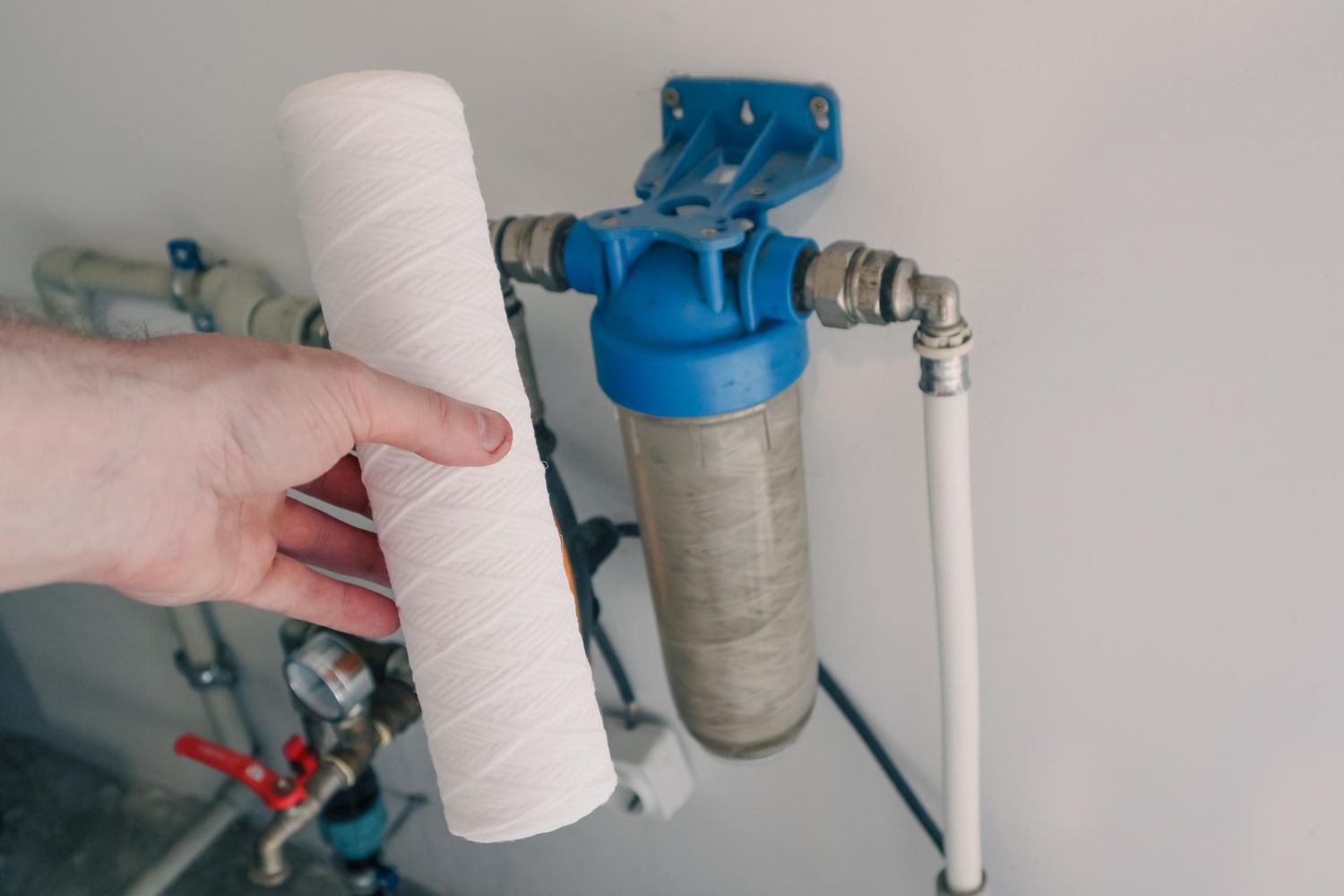
Some of the most common missteps happen before the install even begins. If no one checks for proper water pressure or leaves out a filter that should catch sand and grit, it creates long-term problems that don’t show up until weeks later.
Water Science provides Utah water softener installation, water hardness testing, and customized system sizing for local water conditions in Park City, Salt Lake City, and surrounding counties.
Missed Maintenance That Makes Things Worse
Let’s say the system fits your water and was installed well. It still needs regular attention to keep working. That doesn’t mean taking it apart, but a few basic checks go a long way.
Salt should be topped off in the tank so the softener keeps doing its job. The valve settings need to be checked now and then, especially if water tastes off or feels different. And once in a while, the brine tank needs a basic clean-out to keep it from getting slimy or smelly.
When these small jobs get skipped, warning signs usually follow. Water might start to feel rougher on your hands. You might notice small stains making a return around faucets or tubs. These are small signs, but they point to problems that can get big fast if the system keeps running poorly.
Skipping maintenance doesn’t just affect water quality, it shortens the life of the machine. That means people who just installed a softener a year or two ago could end up needing parts—or full replacement—sooner than they expected.
Why Late-Winter Stress Shows Setup Flaws
Most people in Utah use more water during the colder months. We spend more time inside, guests come to visit around the holidays, and hot showers feel a lot more necessary when snow covers the ground. All of that puts more strain on a system that might already be doing just enough.
This is the time of year when hidden problems tend to come to the surface. A drain line that froze back in November might start leaking, slow flow could turn into full blockages, and sudden shifts in temperature can loosen fittings if they weren’t tightened well at install.
We often hear homeowners say everything seemed fine until late winter. Then the softener started acting up. That’s not a coincidence. The season pushes any weak points to the limit and shows exactly where things weren’t done quite right.
Getting to the Root of Softer Water Success
Good soft water doesn't come from the biggest unit or the most expensive model. It comes from matching your water conditions to the right setup—then sticking to a clear maintenance plan.
No one wants to spend money on something that keeps having issues. The truth is, most of the common problems we see could be avoided with one change: a proper install from the beginning. That means checking water types, adjusting for the local home layout, and staying one step ahead of seasonal shifts in use.
For homes in Utah, especially around Park City and Salt Lake City, water isn’t simple. Local conditions are rough on equipment, and winter puts everything to the test. When the setup is solid and all the parts work together the way they should, water softeners don’t just work—they last.
When homes in Park City or Salt Lake City show signs of hard water buildup or underperforming equipment, the issue often starts at setup. We’ve seen how small oversights during installation can lead to long-term problems, which is why we install systems based on real water conditions and how your home is built. See what matters most for proper Utah water softener installation. If your system isn’t keeping up, we’re here to help get everything running right.