Questioning Utah County Water Purification After Wildfire Smoke
Is Your Tap Water Ready for Wildfire Season?
Wildfire smoke has become a regular part of Utah summers. Even when flames are far away, smoke can drift across counties, turning skies gray and leaving a layer of fine dust on cars, patio furniture, and rooftops. That same smoke and ash can land on the watersheds and reservoirs that supply our homes.
In Utah, wildfire season often lines up with the time of year when we use the most water. Sprinklers are running, kids are filling water bottles all day, and everyone is showering after time outside. When smoke is thick for days, it is normal to wonder what that means for Utah County water purification and for the water coming out of your tap.
Our goal here is to explain how smoke and ash can affect local water sources, what city systems are designed to handle, and where their limits may be. We will also talk about how home filtration and softening can add another layer of protection, so your family has more confidence in the water you drink and use every day.
How Wildfire Smoke Can Affect Utah County Water
Wildfire smoke does not just stay in the air. As wind patterns shift, smoke, ash, and tiny particles slowly settle out. They can land on:
- Mountain watersheds
- Open reservoirs and lakes
- Streams and canals that feed treatment plants
Even when the actual fire is in another county, smoke can travel long distances. Ash and particles can land on snowpack and dry soil in the mountains, then wash into rivers and reservoirs when storms roll through.
Burned vegetation and man-made materials can release things like:
- Fine particulates that cloud the water
- Organic carbon that comes from charred plants and soil
- Trace metals and other byproducts from burned structures or vehicles
When heavy summer thunderstorms hit burned areas, they can flush big amounts of ash and debris into surface water sources all at once. This can make the water harder to treat for a while, especially if the storms are intense and the runoff is dark or has a smoky smell.
What Utah County Water Purification Systems Really Do
Utah County water purification systems are designed to protect public health. They focus on taking out the most common and dangerous threats in drinking water, like disease-causing organisms and sediment. While every system is a little different, many follow the same basic steps:
- Coagulation and settling, where treatment plants add safe chemicals that help tiny particles clump together and sink
- Filtration, where water passes through filters that catch sand, silt, and other solids
- Disinfection, often with chlorine or similar products, to kill or inactivate harmful microbes
These systems are built to meet federal and state standards. Water is tested on a regular schedule, and reports are made available to the public. That is a good thing and offers an important base level of protection.
There are limits, though. Standards focus on a long list of known contaminants, but not every possible compound that can show up after wildfires. Many compounds are regulated as groups rather than one by one. Water can still meet legal safety guidelines while carrying:
- A strong chlorine or earthy taste
- Odors that remind you of smoke or musty water
- Hardness minerals like calcium and magnesium that cause scale
- Low levels of disinfection byproducts that some people would rather reduce
So public systems do a lot, but they are not built to create high-purity, great-tasting water for every tap in every home.
When “Safe Enough” May Not Feel Safe for Your Family
After weeks of smoky skies, many families start to question what they are breathing and drinking. Even if local officials say the water is safe, it is normal to feel uneasy, especially if you have:
- Young children or babies
- Older family members
- People with sensitive immune systems or allergies
Wildfire smoke can change the source water feeding local plants. Higher levels of organic material can give water a yellow tint, an earthy or smoky taste, or a swampy odor. The water may still pass every lab test that matters for compliance, but it might not feel right when you fill a glass.
That is where the gap often appears. City water is built to be “safe enough” by legal standards, but many Utah homeowners want more than the minimum. They want:
- Cleaner taste and smell
- Fewer unknowns from seasonal smoke or runoff
- A backup plan if source water quality swings after storms
Feeling confident about the water your family drinks is about more than numbers on a report. It is about trust and comfort too.
Home Filtration That Backs up Utah County Purification
Think of Utah County water purification as the first shield. Home systems can be the second shield that backs it. There are two main types:
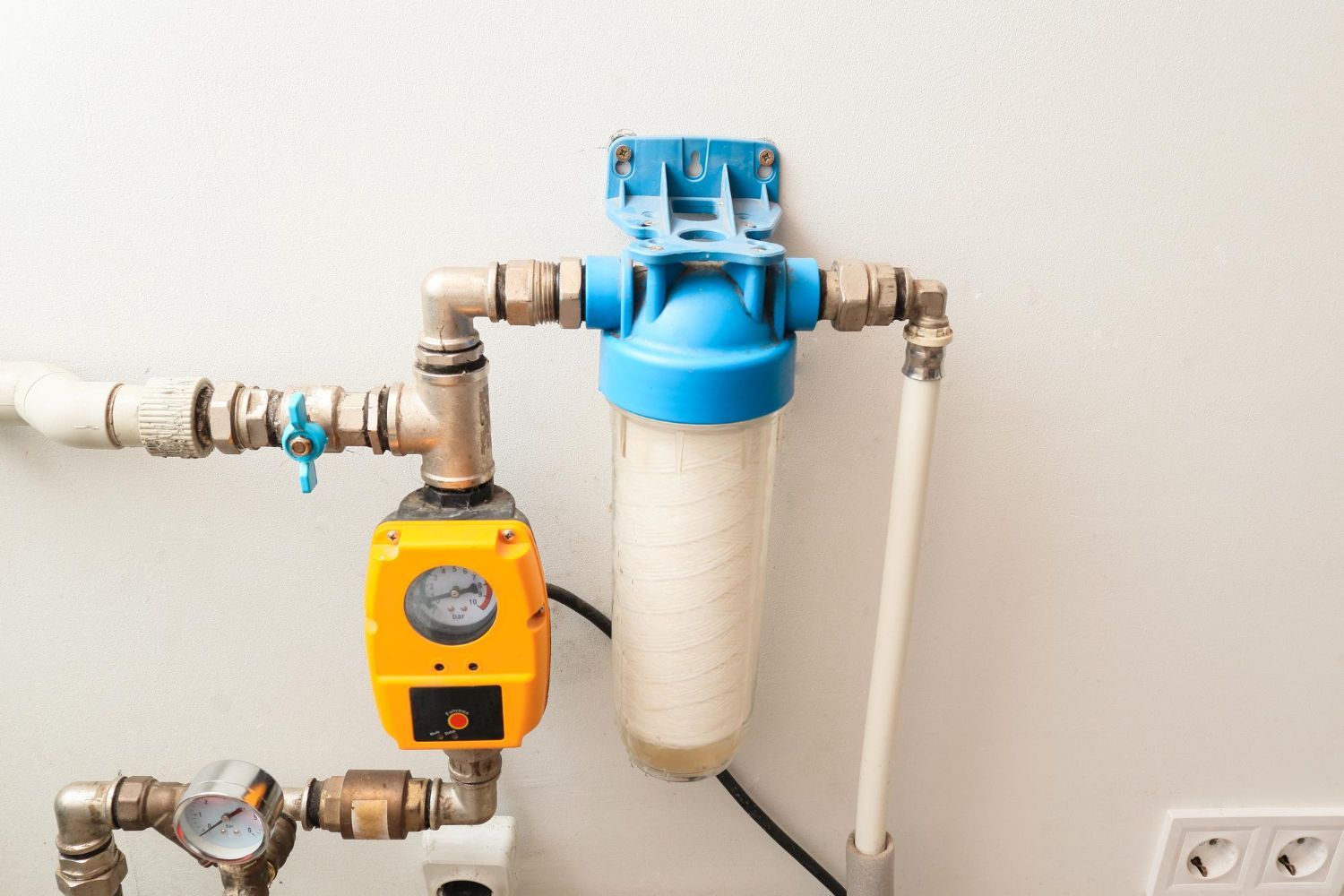
- Point-of-entry systems that treat water as it enters your home
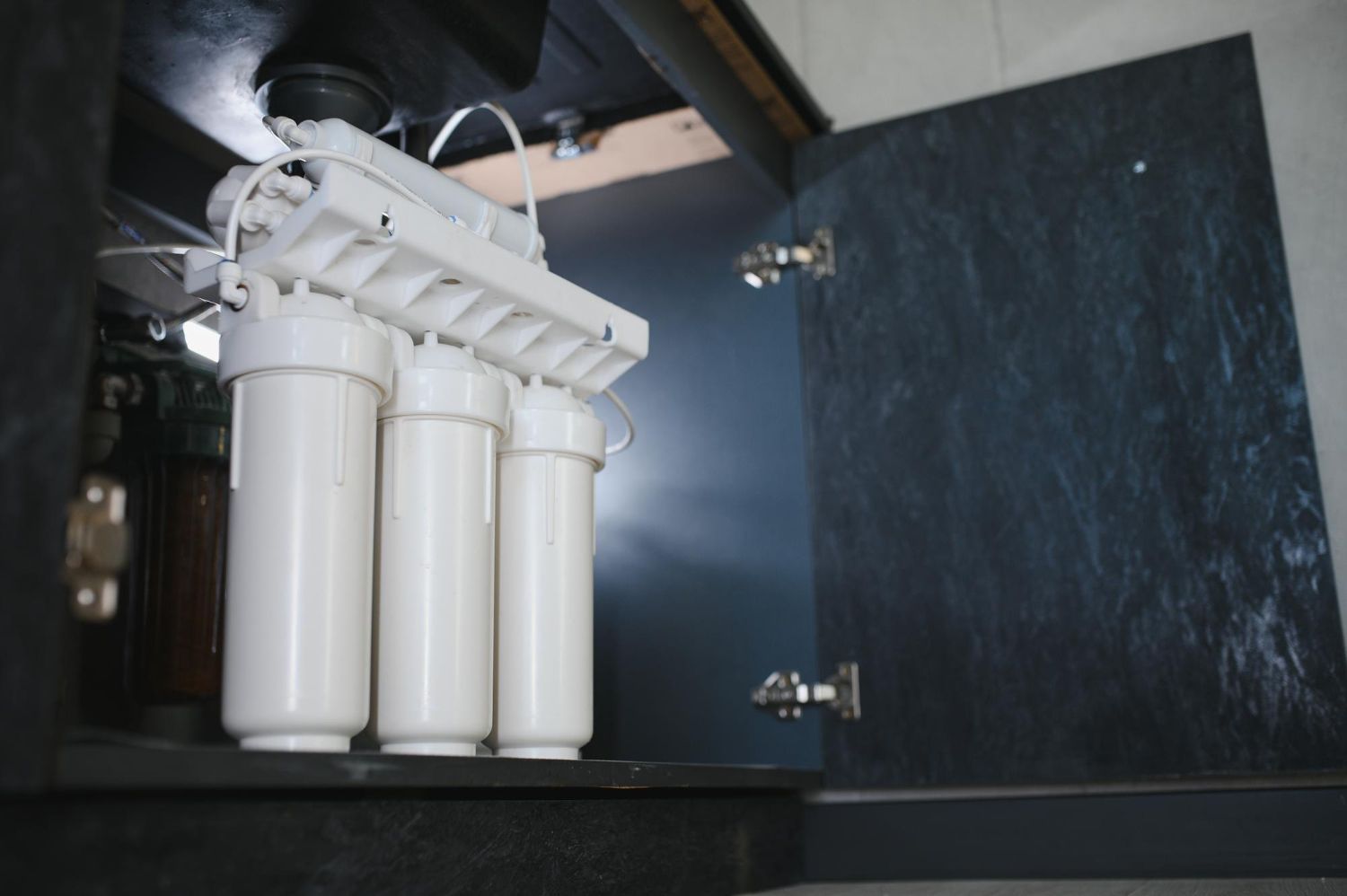
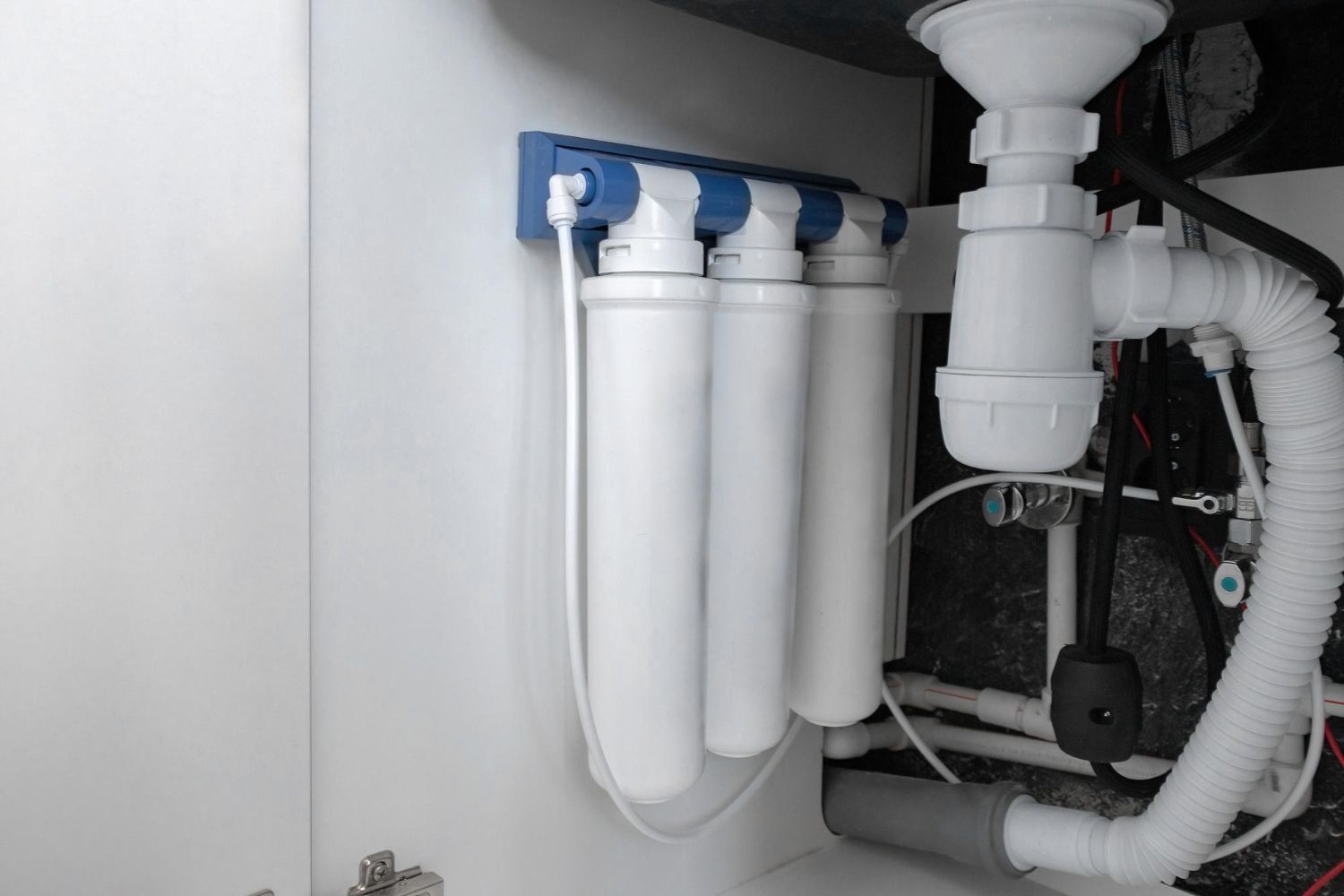
- Point-of-use systems that treat water at specific taps, usually for drinking and cooking
Here are some common options and how they help:
- Water softeners: Deal with hard Utah water by reducing minerals that cause scale on fixtures and dishes
- Carbon filtration: Uses activated carbon to help reduce chlorine taste and odor, as well as many common organic compounds that can show up with smoke and ash
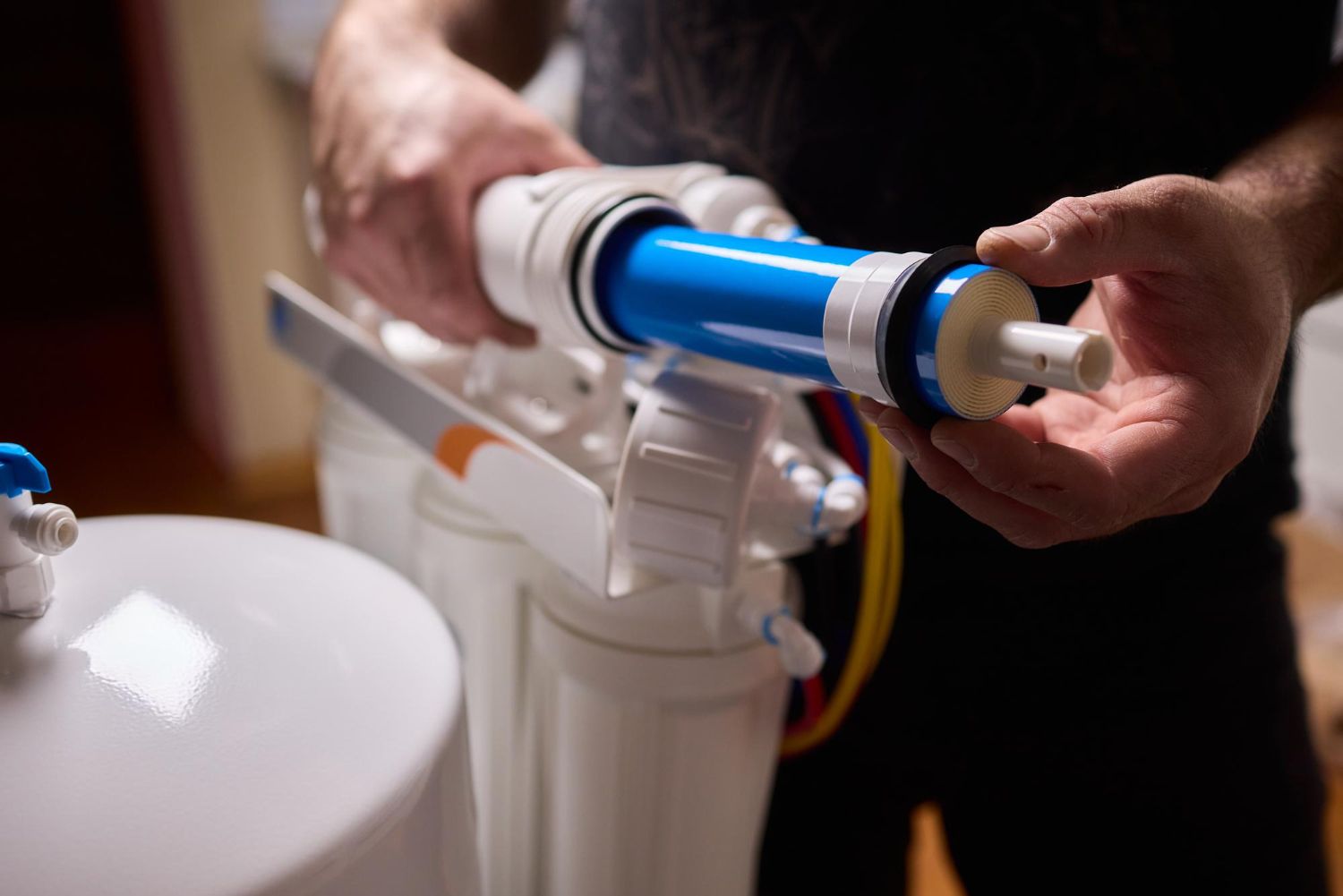
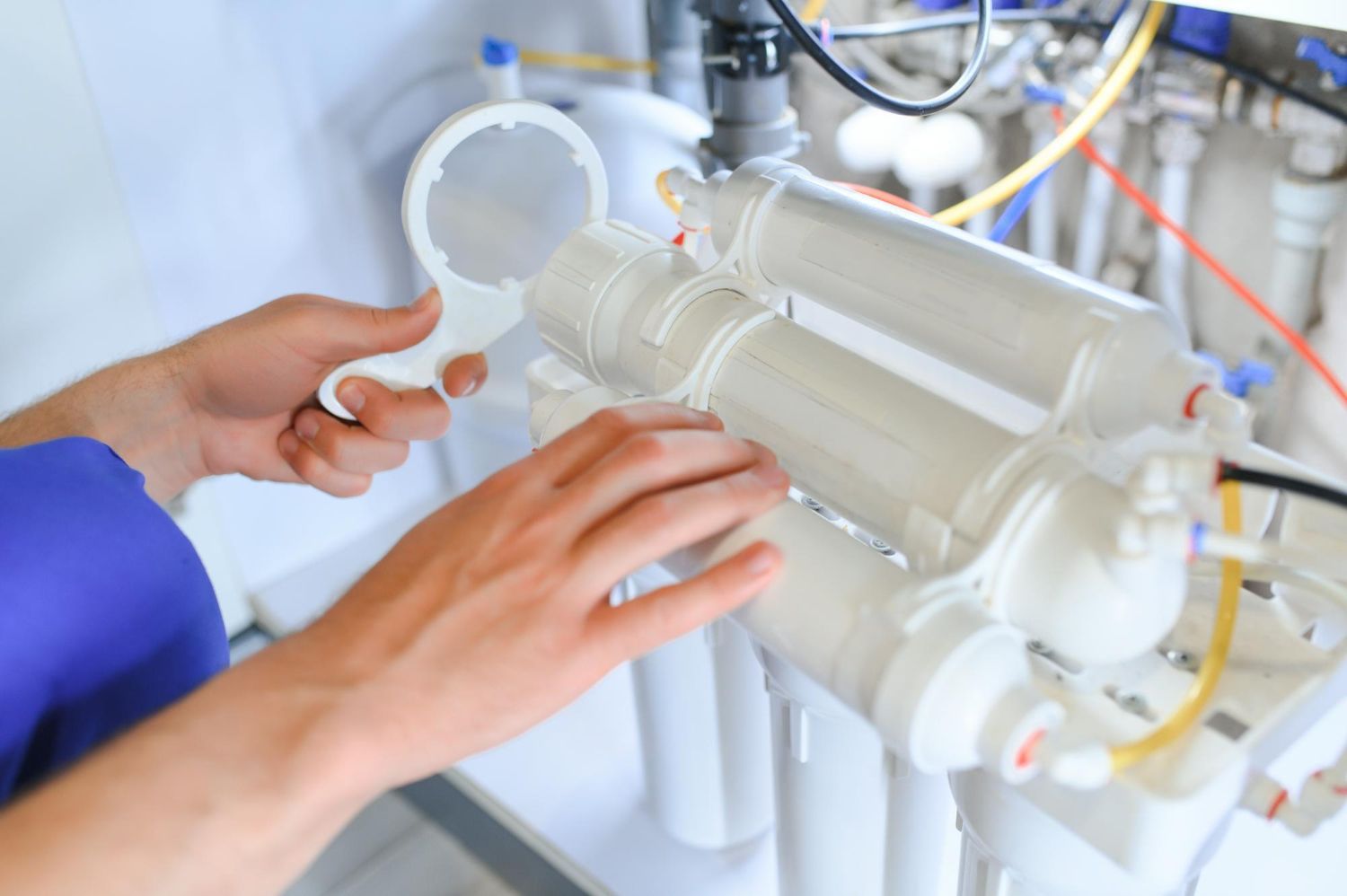
- Reverse osmosis: A high-purity drinking water system that pushes water through a special membrane to reduce a wide range of dissolved substances
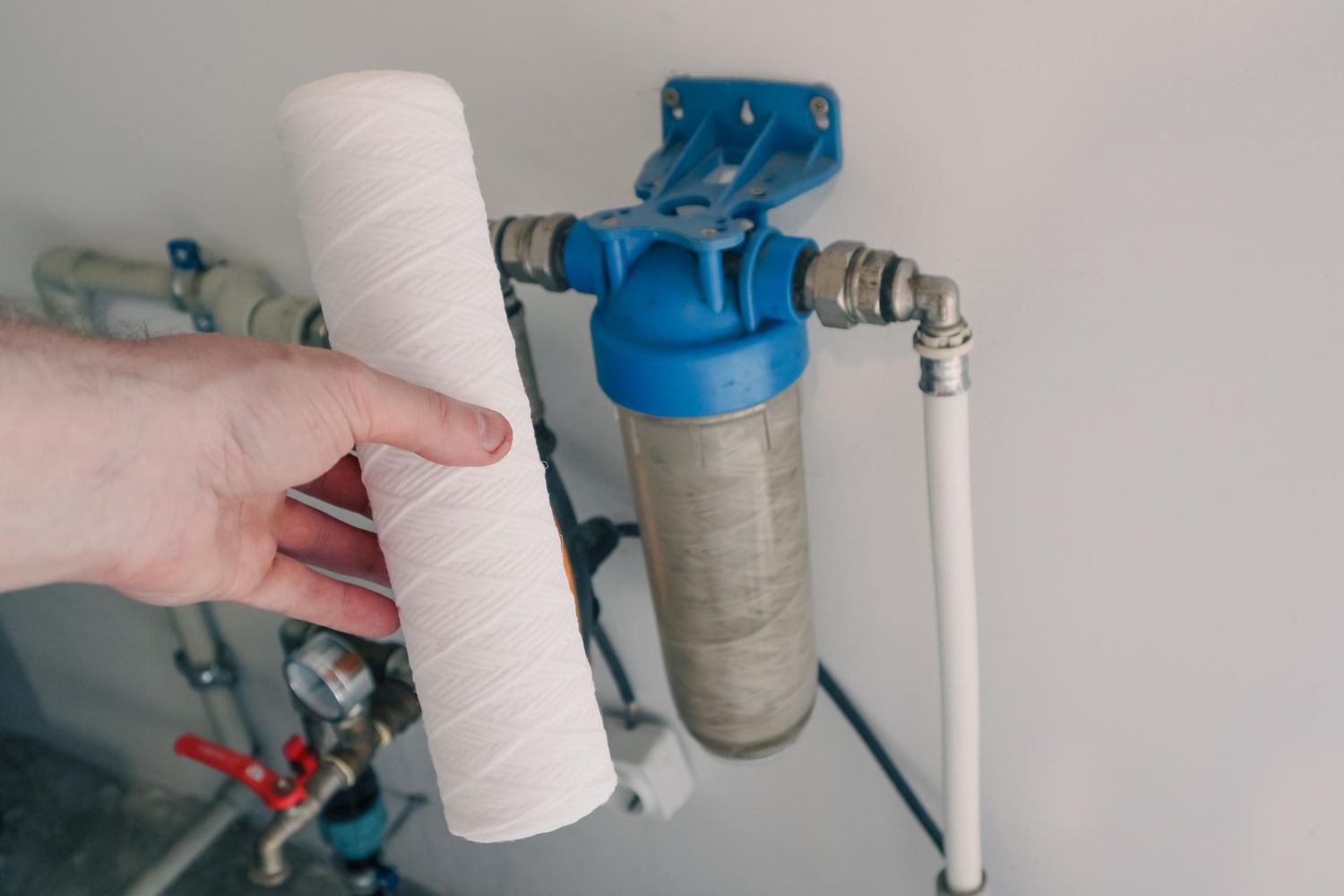
- Sediment prefilters: Catch sand, rust, and fine particles so they do not clog other filters or reach your fixtures
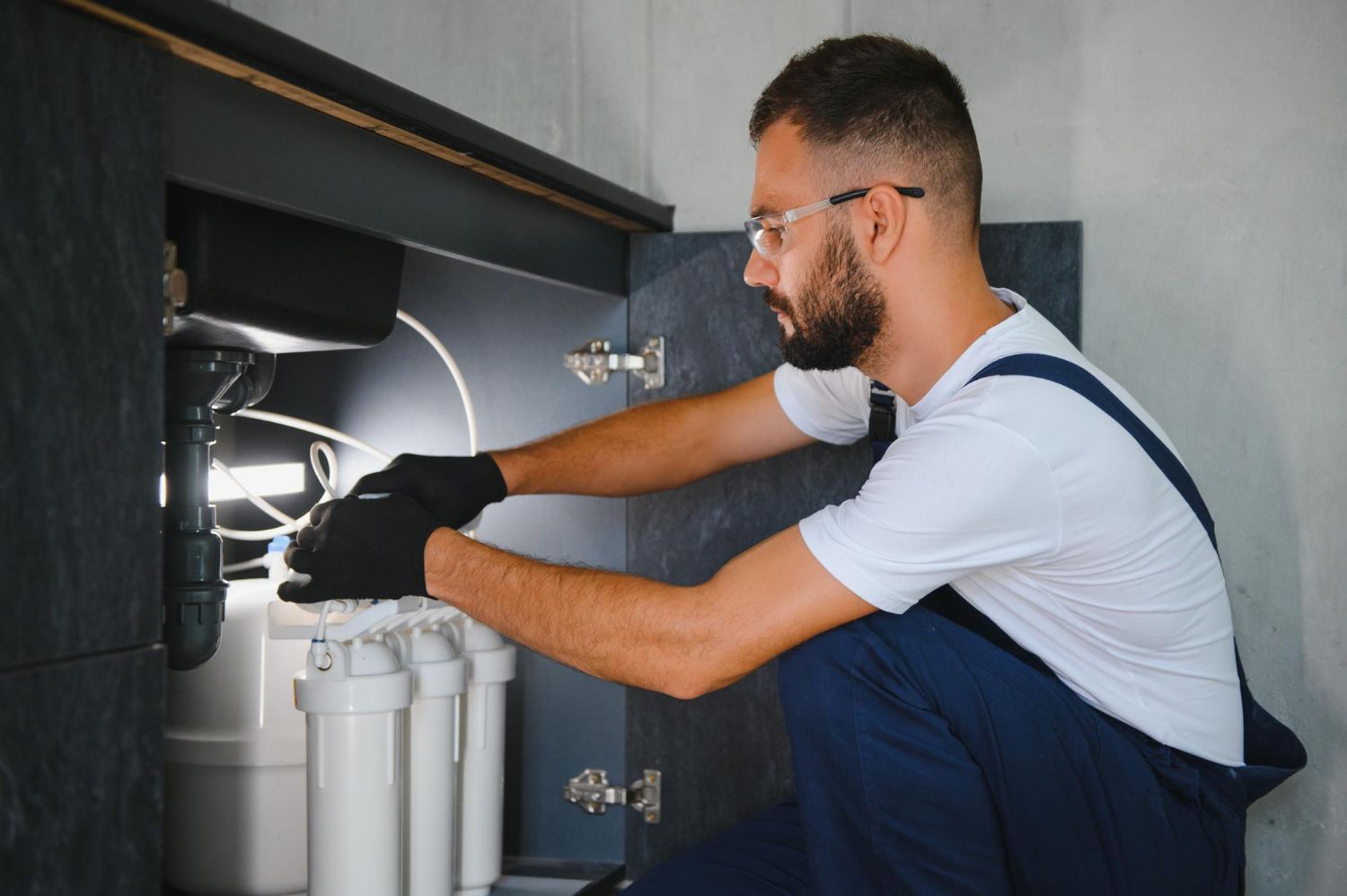
The key is matching the system to your actual water. That is where a local company that works specifically with homes in Summit, Wasatch, and nearby counties can help. We look at your local water reports, seasonal wildfire patterns, and how your plumbing is set up. Then we recommend a mix of softening, filtration, and purification that fits your goals and helps give you more control over your tap water, even during heavy smoke periods.
Your Wildfire-Season Water Safety Checklist
You do not have to guess about your water. A simple checklist can help you stay ahead of wildfire season and heavy smoke.
Start with everyday monitoring:
- Read local water quality reports from your provider
- Pay attention to taste, smell, or color changes at your taps
- Watch for cloudy water after big storms or nearby fires
Then, keep your home systems in shape:
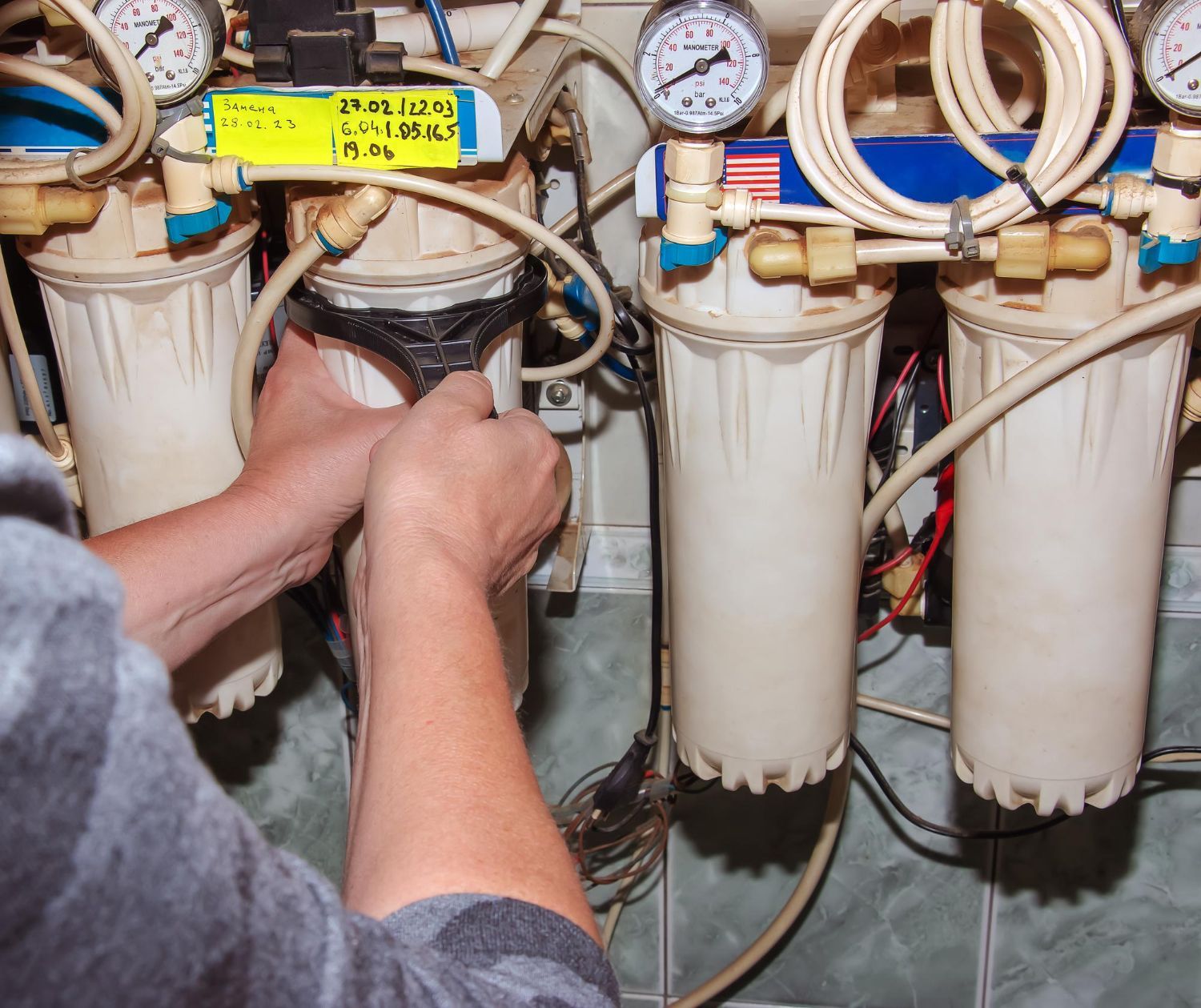
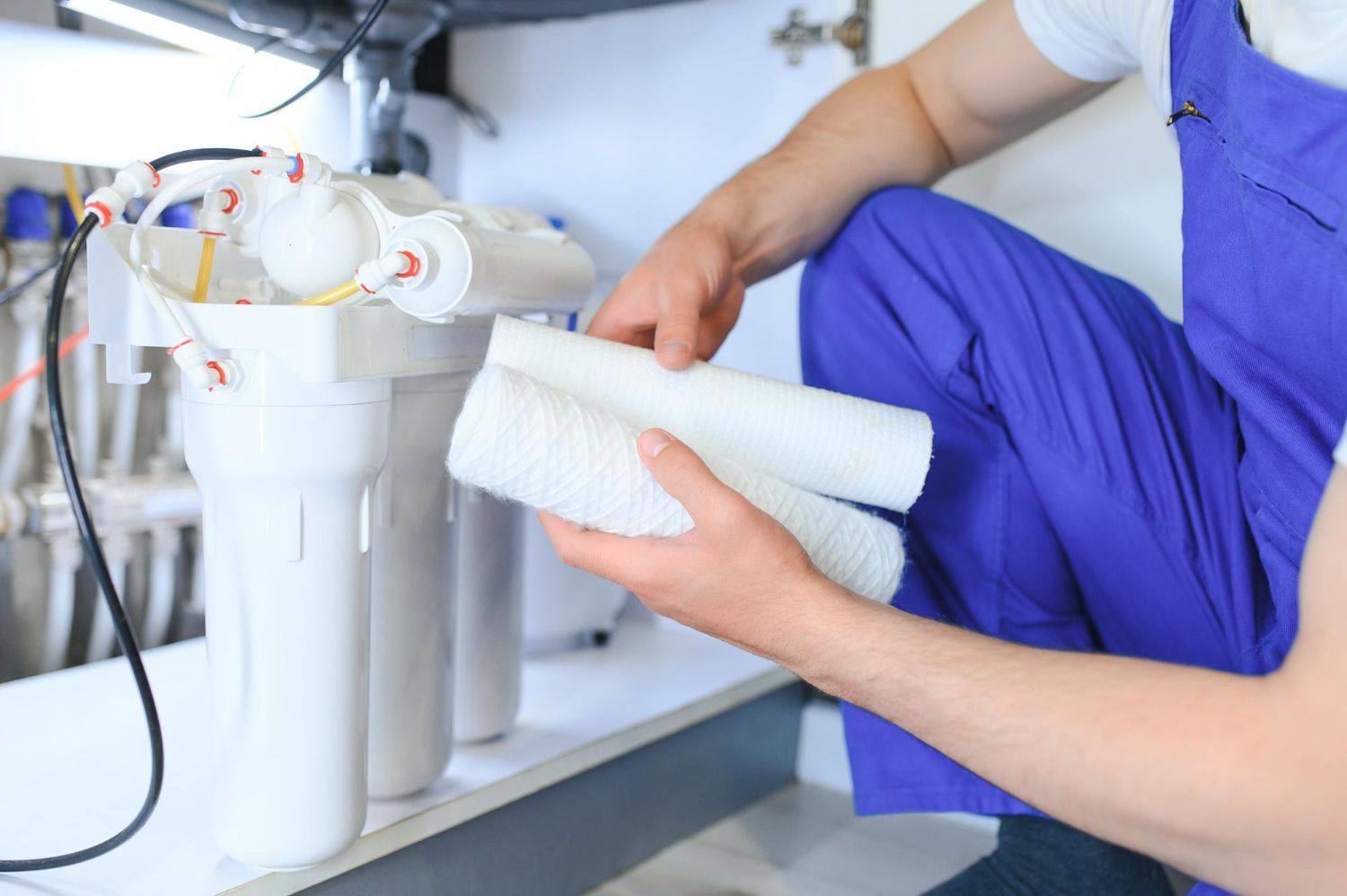
- Replace filter cartridges on the schedule recommended by the maker
- Check softener salt levels and make sure the unit is running correctly
- Look for leaks, rust, or pressure drops that might signal clogged filters
There are times when a professional water test makes sense, such as:
- After a fire burns close to your water source area
- When you notice sudden, lasting changes in taste or odor
- When moving into a new home with unknown plumbing and equipment
A good test will check basic items like hardness, pH, and chlorine, and can also look at metals and other indicators based on your area. Before wildfire season ramps up, it helps to:
- Service existing softeners and filters
- Upgrade old or failing equipment
- Plan a small supply of stored drinking water in case of short-term advisories
Taking these steps can help you feel more calm and prepared when the sky turns smoky again.
Preparing Your Home Water for the Next Smoke Event
Wildfire smoke is part of life in Utah, but worry about your tap water does not have to be. Public systems work hard to keep water within safe limits, yet they are not designed around the exact level of purity and taste many families want at home. When smoke and ash reach our watersheds, it can push those systems and raise fair questions about what is in the water that finally reaches your glass.
At Water Science, we live and work in the same Utah, Summit, and Wasatch County communities we serve, so we see the same smoke, the same storm runoff, and the same hard water that you do. By pairing local knowledge with customized softening, filtration, and purification, we help homeowners build a second line of defense that supports Utah County water purification and raises the bar for what “safe enough” means inside their own homes.
Protect Your Home With Cleaner, Safer Water Today
If you are ready to improve the quality of every drop in your home, our experts at Water Science are here to help you choose the right solution. Learn how our
Utah County water purification services can target the specific issues in your tap water. We will test, design, and install a customized system so you can enjoy better tasting, safer water with confidence. Have questions or want a quote, just
contact us and we will walk you through your options.