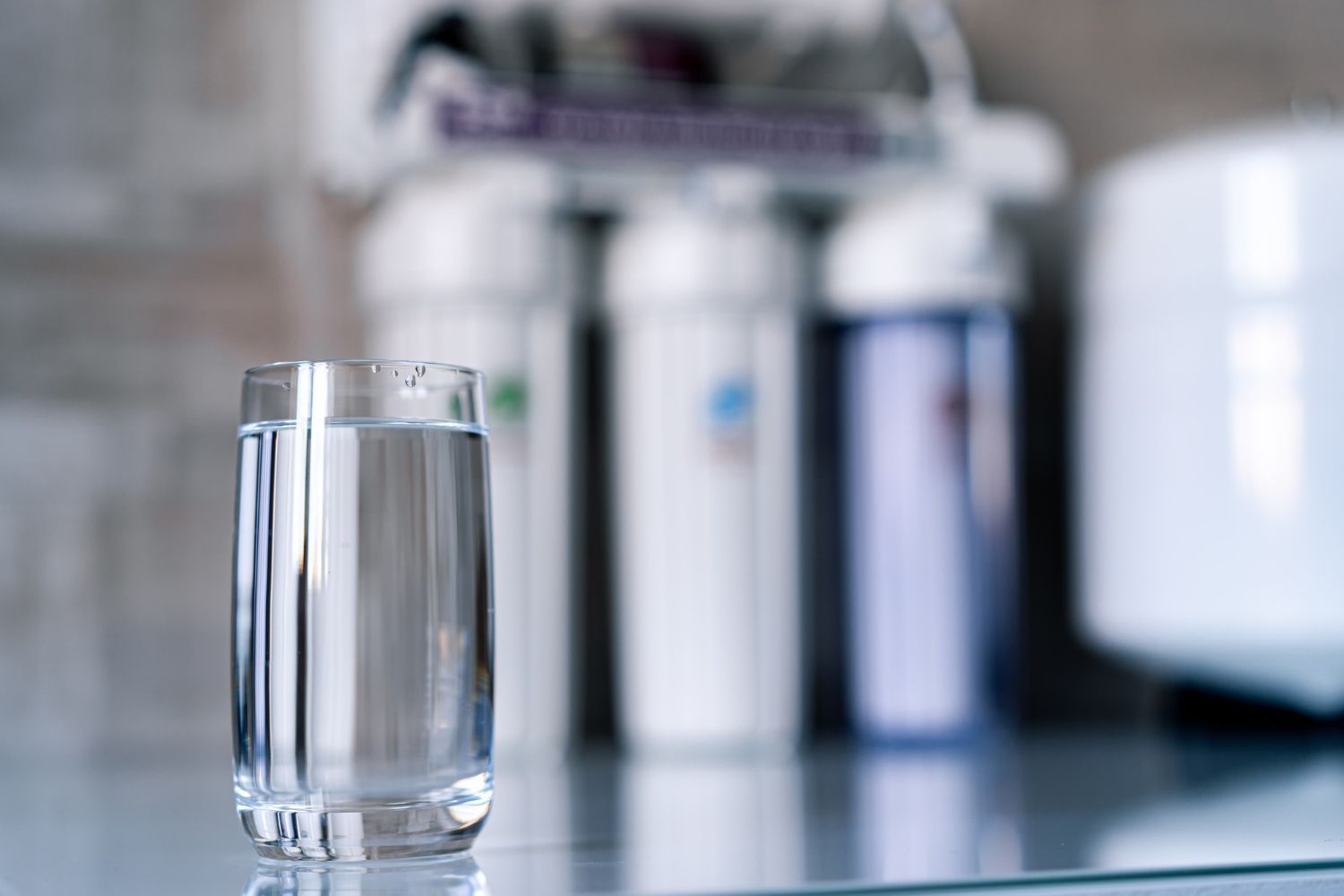
The Role of Water Treatment in Reducing Household Energy Costs
Water treatment is often discussed in terms of water quality, health benefits, and improved taste. Beyond these well-known advantages, there is another important benefit that receives far less attention: lowering household energy costs. By preventing mineral buildup and keeping appliances operating at peak performance, effective water treatment measures can help reduce monthly energy bills and extend the lifespan of your home’s essential systems. This blog explores how water treatment—specifically water softening and filtration—provides tangible savings on energy consumption and explains why maintaining a clean water supply is a practical investment for you and your family.
Why Water Treatment Matters for Energy Efficiency
At first glance, it may not be obvious how water quality ties into your monthly energy expenses. However, the link becomes clearer once you look at the impact of minerals like calcium and magnesium on your home’s plumbing and appliances. As water travels through your pipes, any excess hardness can leave behind scale deposits. Over time, these deposits form a layer of buildup on the surfaces of heating elements, water heaters, and pipes.
Scale buildup acts as an insulating barrier that forces your appliances to work harder to heat water. Heating water can account for approximately 18% of a typical household’s energy use. When scale accumulates, it can drive this percentage even higher, since inefficient heat transfer means your appliances will run longer and consume more energy. By using a water softener or filtration system that reduces or removes hardness minerals, you can optimize heat transfer and lower the overall demands placed on your appliances and plumbing infrastructure.
The Mechanics of Scale Buildup
Scale is formed when dissolved minerals in water reach their precipitation point. If your water has a high concentration of hardness minerals, the heating process encourages these minerals to solidify. Once they latch onto surfaces—be it the inner walls of a water heater or the heating coil in a washing machine—the deposits gradually reduce efficiency in two ways:
- Impeding the energy transfer needed to heat the water.
- Constricting the internal passages through which water flows, placing extra strain on pumps and other mechanical components.
When these minerals accumulate, you may find you need to run appliances on higher settings or for longer durations to achieve the same results. This not only increases energy usage but can also result in higher maintenance costs. While scale buildup can happen in any part of your home’s plumbing, water heaters and boilers are particularly susceptible because they involve frequent heating cycles. By implementing a water treatment strategy that addresses hardness, homeowners can avoid many of these performance issues altogether.
Energy-Saving Benefits of Proper Water Softening
One of the primary goals of a water softener is to remove the excess minerals before they can build up within your system. Softening reduces strains on appliances like dishwashers, washers, and water heaters—any device that regularly heats or uses water. Here’s how this translates into energy savings:
- Faster Heating Times: Without a layer of scale acting as an insulator, heating elements can warm water more quickly and with less electricity or gas.
- Reduced Operating Costs: Appliances working in optimal conditions require less energy. Lower consumption not only helps reduce your monthly bill but also contributes to a lower overall carbon footprint.
- Fewer Maintenance Issues: Well-maintained systems break down less often. Over time, the money saved on repairs or early replacement can be significant.
In addition to the above, keeping household appliances efficient can lead to financial savings each year. Although the exact savings will vary by region and electricity rates, regular water softening can reduce energy demands in a similar way regardless of location.
Extending Appliance Lifespans through Effective Filtration
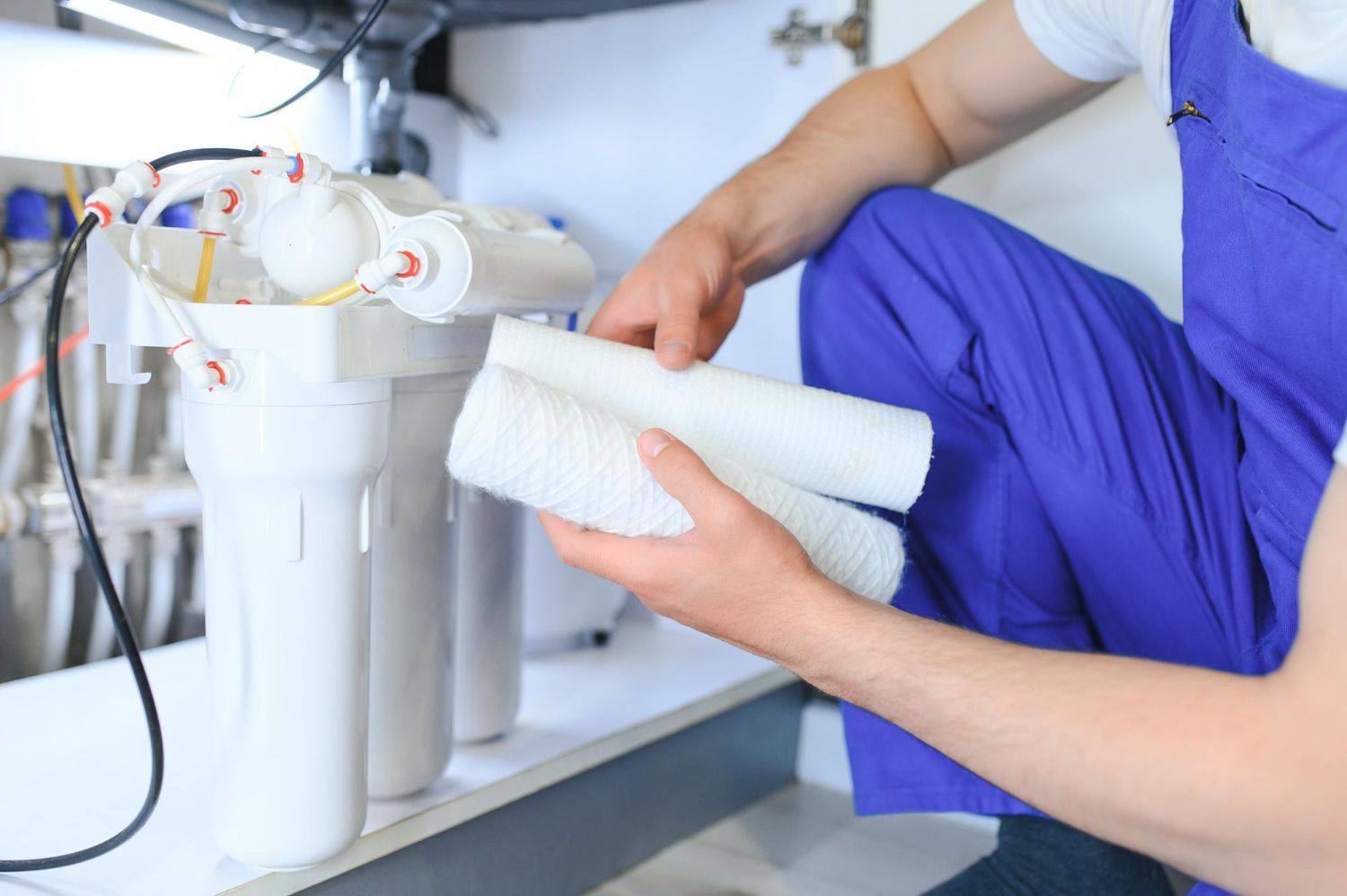
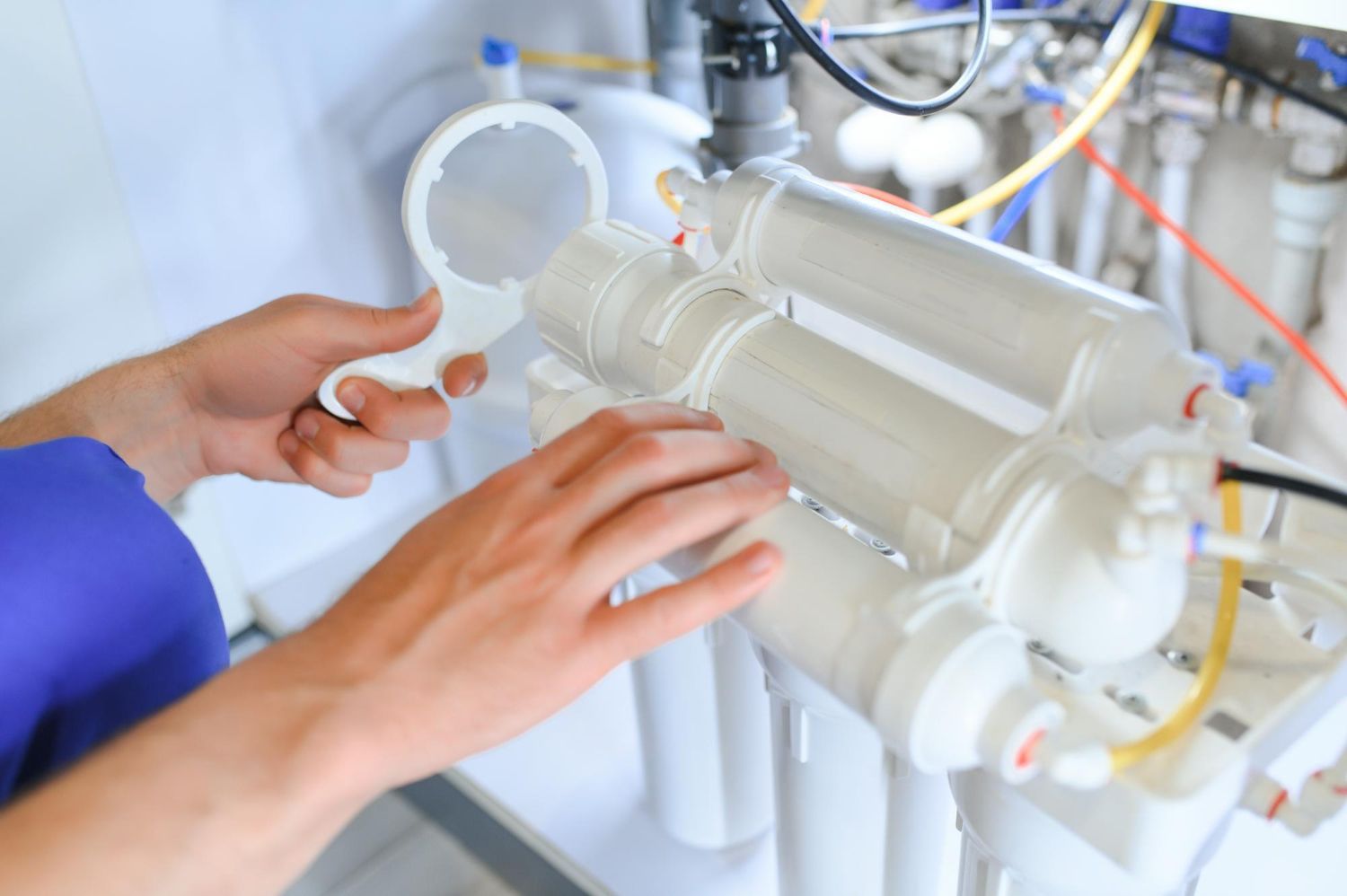
Another vital aspect of water treatment is filtration. Filtration systems remove suspended particles, chemicals, and other contaminants that can damage appliances over time. When sediment infiltrates washing machines, dishwashers, or other water-reliant devices, it can clog essential components, forcing the appliance to work harder to maintain performance levels.
Filtered water supports your appliances’ internal mechanics, thoroughly rinses away soap residue, and ensures that moving parts remain as clean as possible. For instance, a filtration system designed to remove sediment can significantly reduce the wear and tear on your home appliances. By adding years to the life cycle of these devices, you not only reduce replacement costs but also keep overall energy consumption down, as older, poorly maintained systems often require more electricity or gas.
Guiding Your Household Toward a More Efficient Future
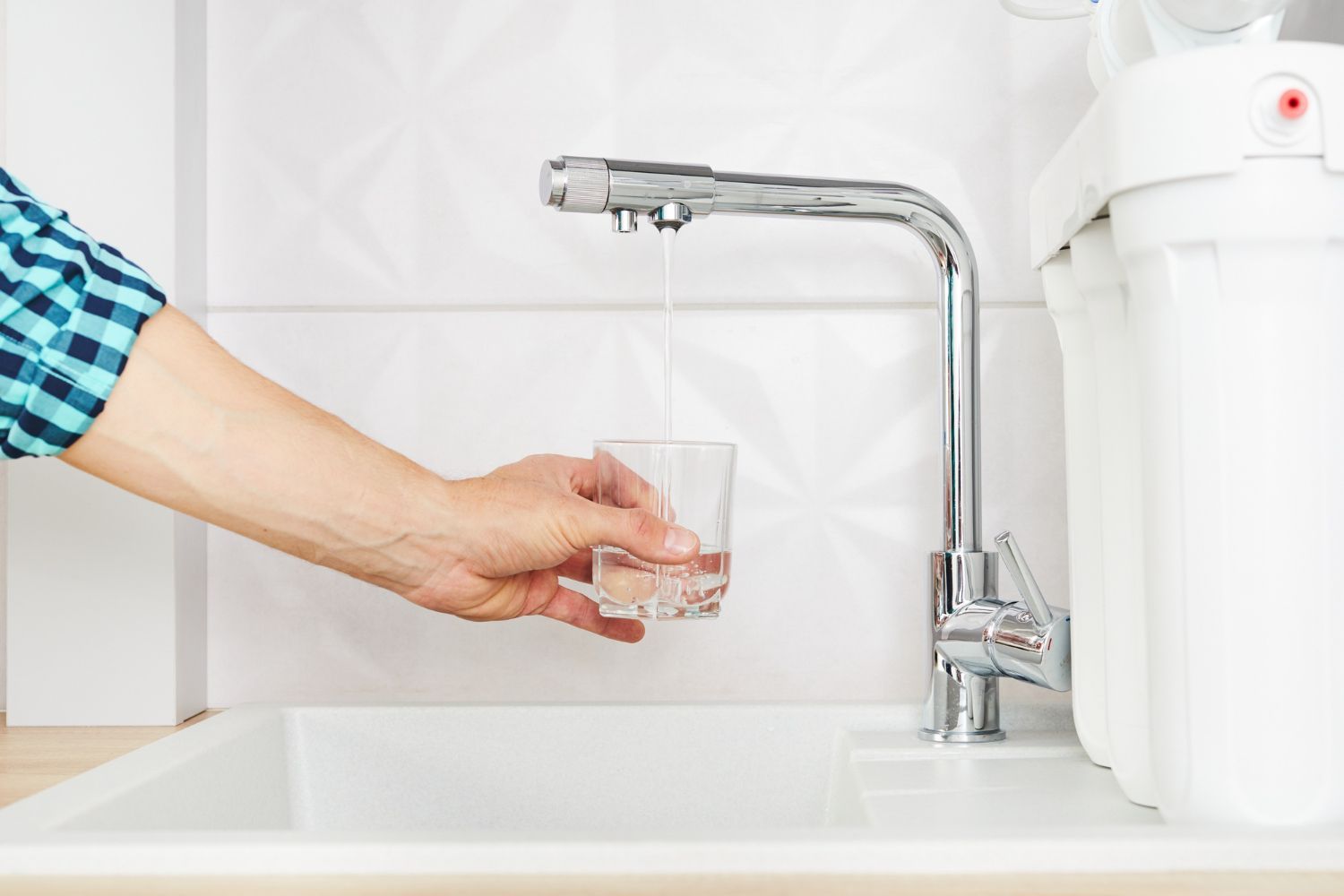
In an era where both utility bills and environmental awareness are on the rise, water treatment provides an underappreciated avenue for meaningful agency. It goes beyond just having cleaner water: you gain an integrated solution that can reduce energy costs and support the longevity of your appliances. By installing a system that addresses the core issues of hard water and contamination, you’re effectively safeguarding your home’s plumbing and most crucial devices.
Households that prioritize water treatment frequently see both immediate and long-term financial benefits. The initial investment in softening or filtration technologies often pays for itself in reduced utility costs and fewer repair bills. Whether you’re a first-time homeowner or looking for ways to optimize an older property, water treatment deserves a serious place in any cost-saving strategy.
If you’re ready to learn more about how water treatment can reduce your energy costs and keep your home running smoothly,
contact us today to get in touch with our team of experts. You can also explore our
other resources, including tips on water quality and filtration. We’re here to guide you toward a cost-effective, energy-efficient home that benefits both your household and your budget.