Reading and Interpreting Your Home’s Water Report: A Step-by-Step Guide
A water quality report often arrives in the mail once a year or is available online, offering transparency about your local municipality’s water source and any contaminants present. But for many homeowners, this document can seem overwhelming. By understanding how to read and interpret the information, you can make informed decisions about your household’s drinking water quality and whether additional water treatment strategies are needed.
Why Water Quality Reports Matter
Water quality reports are designed to provide details on the composition of your local water supply. They generally include information on naturally occurring minerals, potential contaminants, and any treatment methods used at the source. Beyond simply listing numbers, these reports serve as a form of assurance, helping you identify potential concerns that may affect both health and household appliances.
The goal is not to alarm; rather, it’s to inform you so that you can take proactive steps if necessary. While public water supplies in many regions meet rigorous safety standards set by agencies like the Environmental Protection Agency (EPA), understanding the parameters can alleviate worries and guide you toward additional measures such as filtration or softening systems.
Key Readings in Your Water Report
pH Level
On your water report, you’ll typically see a pH measurement that indicates how acidic or alkaline your tap water is. A pH value of 7.0 is neutral; below 7.0 means more acidic, and above 7.0 indicates more alkaline. While most public water systems aim for a pH close to neutral, acceptable ranges usually hover between 6.5 and 8.5.
- What It Means for Health: Water with a slightly acidic or slightly alkaline pH generally doesn’t pose a health risk. However, extremely low pH levels can leach metals from plumbing, and extremely high pH levels may leave a bitter taste.
- Effect on Plumbing: Very acidic water can corrode pipes, potentially resulting in metal contamination in your water supply. More alkaline water can cause scale buildup in pipes and appliances.
Total Dissolved Solids (TDS)
TDS measures the concentration of dissolved substances in water, such as salts, minerals, and metals. High TDS levels can sometimes lead to an unpleasant taste or potential scale buildup, though the exact threshold considered “high” can vary based on individual concerns and local standards.
- What It Means for Health: Naturally occurring minerals are not typically harmful and can even contribute positively to mineral intake. However, if the TDS reading includes contaminants like certain heavy metals or nitrates, further exploration is necessary.
- Effect on Plumbing: Higher TDS can contribute to scale in appliances like coffee makers, dishwashers, and washing machines, reducing their efficiency and lifespan.
Hardness
Water hardness comes down to the concentration of calcium and magnesium salts. Hard water might leave behind mineral deposits on fixtures, shower doors, or inside kettles and appliances.
- What It Means for Health: Hard water doesn’t typically pose a health concern; in fact, calcium and magnesium are vital dietary minerals. However, some individuals prefer softer water to prevent skin dryness or improve soap lathering.
- Effect on Plumbing: Over time, hard water can build up scale inside pipes and appliances. This scale reduces efficiency and may necessitate more frequent maintenance.
Contaminants
Under this section, you’ll see a range of potential contaminants, including chlorine byproducts, lead, or bacteria levels. Each contaminant comes with an EPA-established limit that determines whether the substance is present at a safe level for consumption
.
- What It Means for Health: Contaminants like lead or harmful bacteria can pose serious health risks. Your report will inform you if these are present and at what levels.
- Effect on Plumbing: Corrosion and bacterial growth can degrade pipe quality and potentially cause structural issues over time.
Deciding on Filtration or Softening
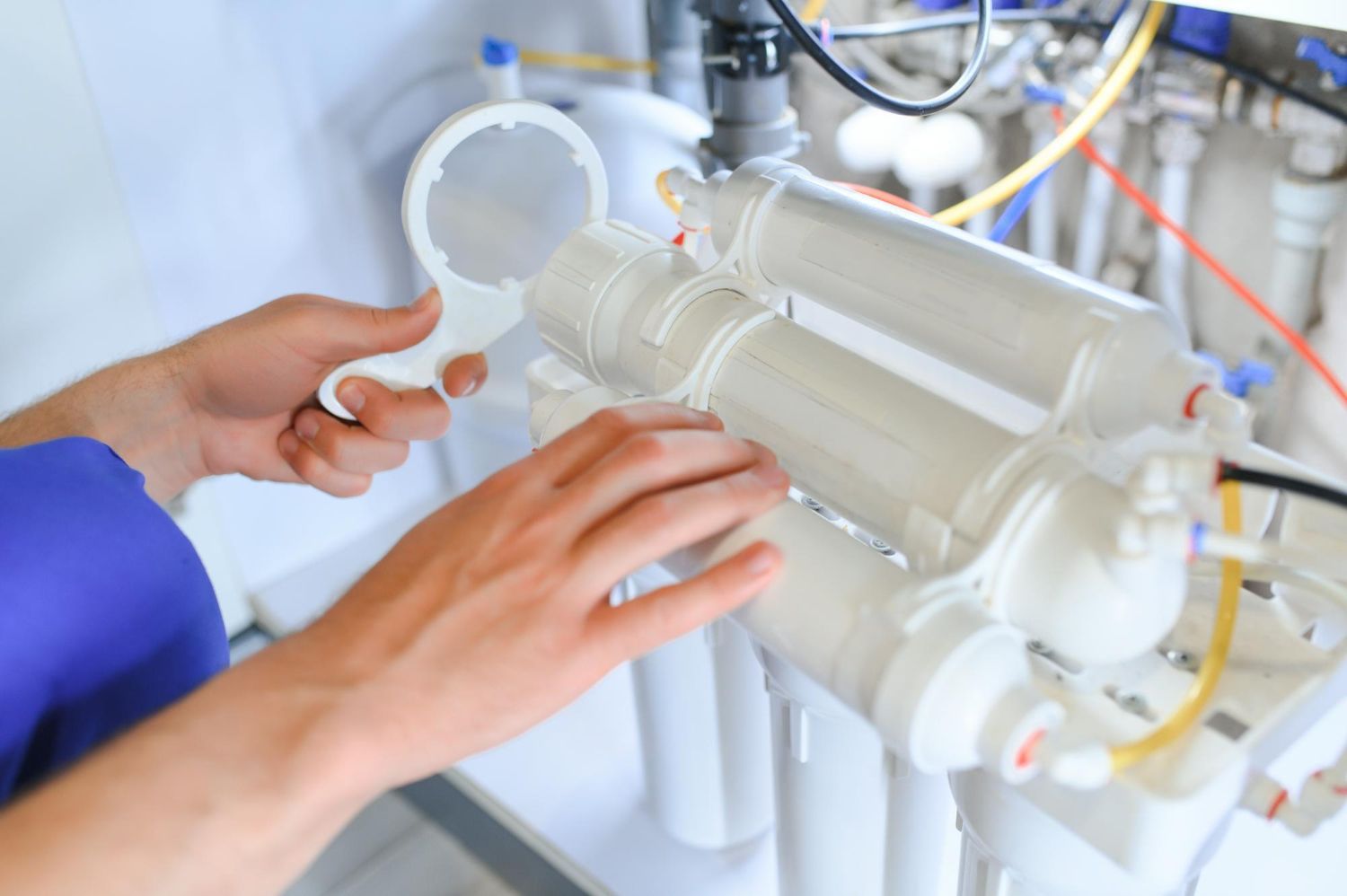
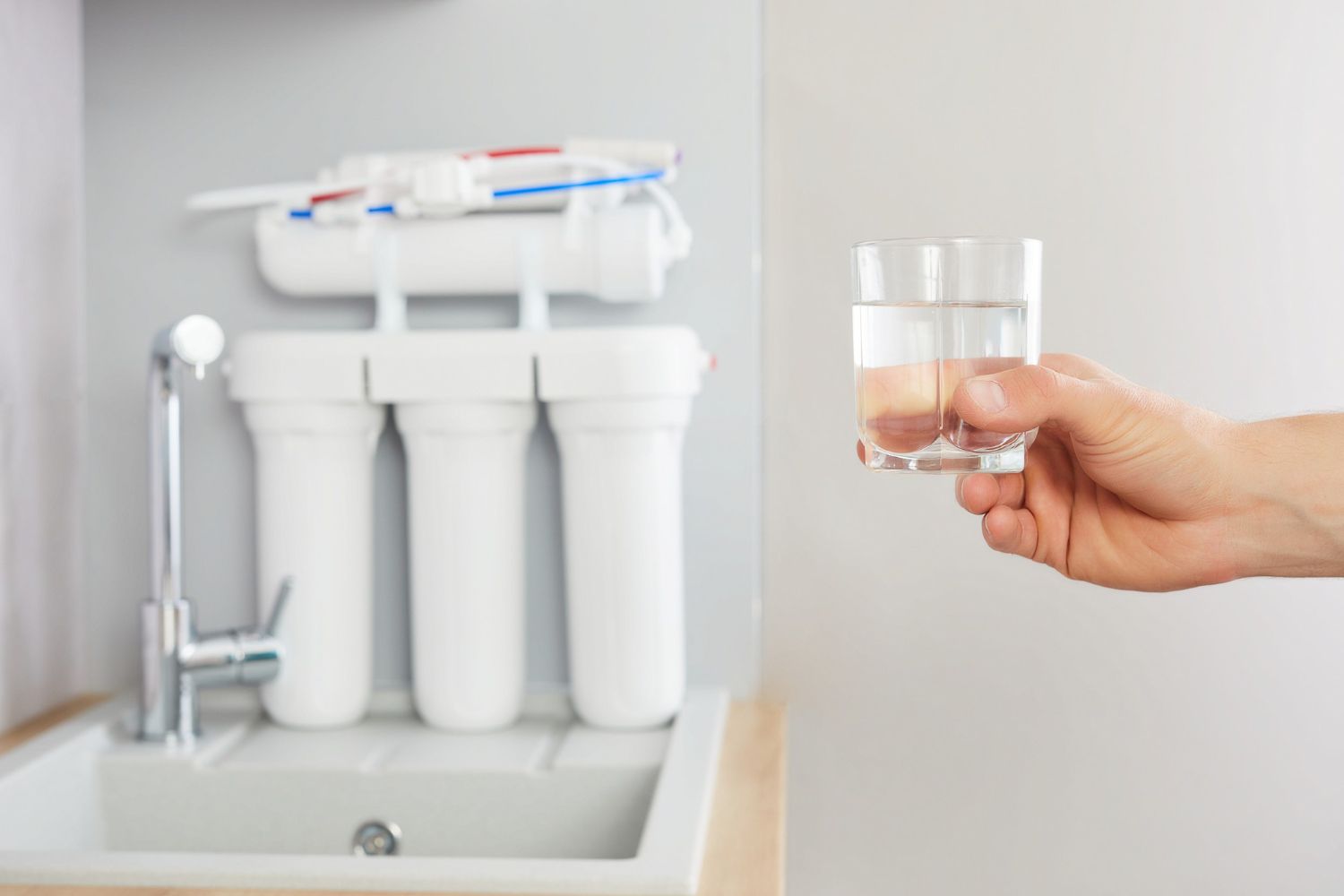
If your water report suggests high levels of hardness or contains certain contaminants, you may consider a home water treatment system. Carbon-based filtration, reverse osmosis, and ion-exchange softeners are a few options. The choice depends largely on which elements your water report flags as problematic.
- Filtration Systems: If you’re primarily concerned about unwanted tastes, odors, chlorine, or minor contaminants, a carbon-based filter might suffice.
- Reverse Osmosis: This system filters out a wide range of contaminants, making it ideal for households with elevated levels of nitrates, heavy metals, or other concerning molecules.
- Water Softeners: Primarily used to reduce hardness by replacing calcium and magnesium ions with sodium or potassium, these systems target scale buildup and associated plumbing issues.
Whether you need heavy-duty filtration, softening, or a combination depends on the specific profile of your water report. Always browse product information and consult knowledgeable experts to ensure you choose a suitable and efficient system for your needs.
Where to Go from Here
Interpreting your water quality report is the first step toward ensuring that your home’s water remains both healthy and appliance-friendly. If you have any specific concerns or want personalized guidance, connect with our Water Science team for more information. You can also explore the latest details on our water filtration overview to find a system that aligns with your needs.
By understanding pH, TDS, hardness, and various contaminants, you can make knowledgeable decisions that maintain both your family’s health and the longevity of your plumbing system. Taking the time to read these annual municipality reports empowers you to act proactively and confidently, ensuring the water flowing through your home meets the highest quality standards.