Why Water Quality in Wasatch May Feel Off This Spring
It’s common for water to feel a little different when spring sets in, and that’s proving true again this year across Wasatch County. This shift in water quality usually catches homeowners off guard, especially after a deep winter where pipes stay quiet for months. Now that snow is melting and the ground is starting to thaw, all that runoff has to go somewhere. It doesn’t just soak into the soil. It often flows straight into our water systems.
Questions start popping up: Why does the water smell faintly metallic? Why are dishes harder to rinse? Has something changed in the well or the filtration system? One explanation we see again and again is spring runoff. This fast seasonal melt can mix with soil, silt, and minerals and bring noticeable changes to how water behaves inside the home. That’s one of the most common reasons people look into water purification services in Wasatch during the spring months.
Melting Snow and Spring Runoff: What Changes in the Water
By early May, Wasatch County usually sees a strong rise in snowmelt. Snow that’s been sitting on the ground for months begins to melt all at once, and that water doesn’t stay clean on its way to our homes. It pulls loose dirt, road debris, sand, and natural minerals with it. Some of that ends up getting filtered out by the city or well systems, but not all of it.
- When snow melts too quickly, the ground can’t absorb it at the same pace. Water flows above ground and slips into everything it can reach.
- Pipes buried underground may feel sharp changes in temperature and pressure, especially old ones. That strain can cause small cracks or dirt infiltration.
- City-fed systems and private wells alike can experience more sediment than usual during spring snowmelt peaks.
What’s in the snow and soil in March often ends up in your kitchen tap by May. That’s why homes relying on aging filters or softeners may struggle more this time of year. Even newer water systems are left working harder, trying to keep up with the extra load of fine particles and minerals.
Sometimes people notice cloudy water just after a late spring storm. This can be the result of extra soil and debris washing down from hillsides and roads. When temperatures shift overnight between freezing and thawing, underground pipes may also start to sweat or shift, letting in more outside material than during the cold and quiet winter. These changes build up as spring moves on, causing water to look or taste different even when there’s no visible problem in the plumbing.
How to Tell if Your Water’s Acting Differently
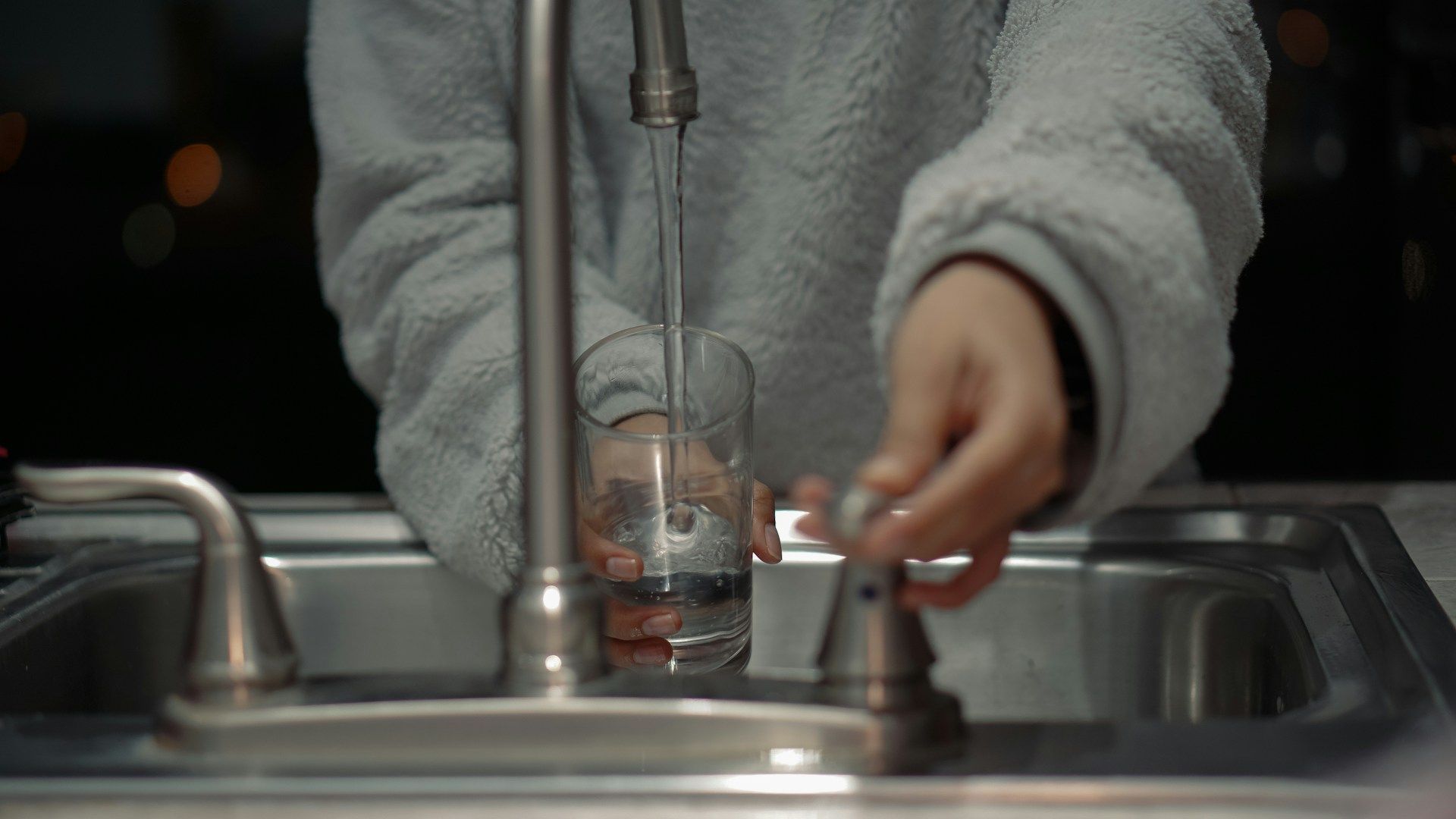
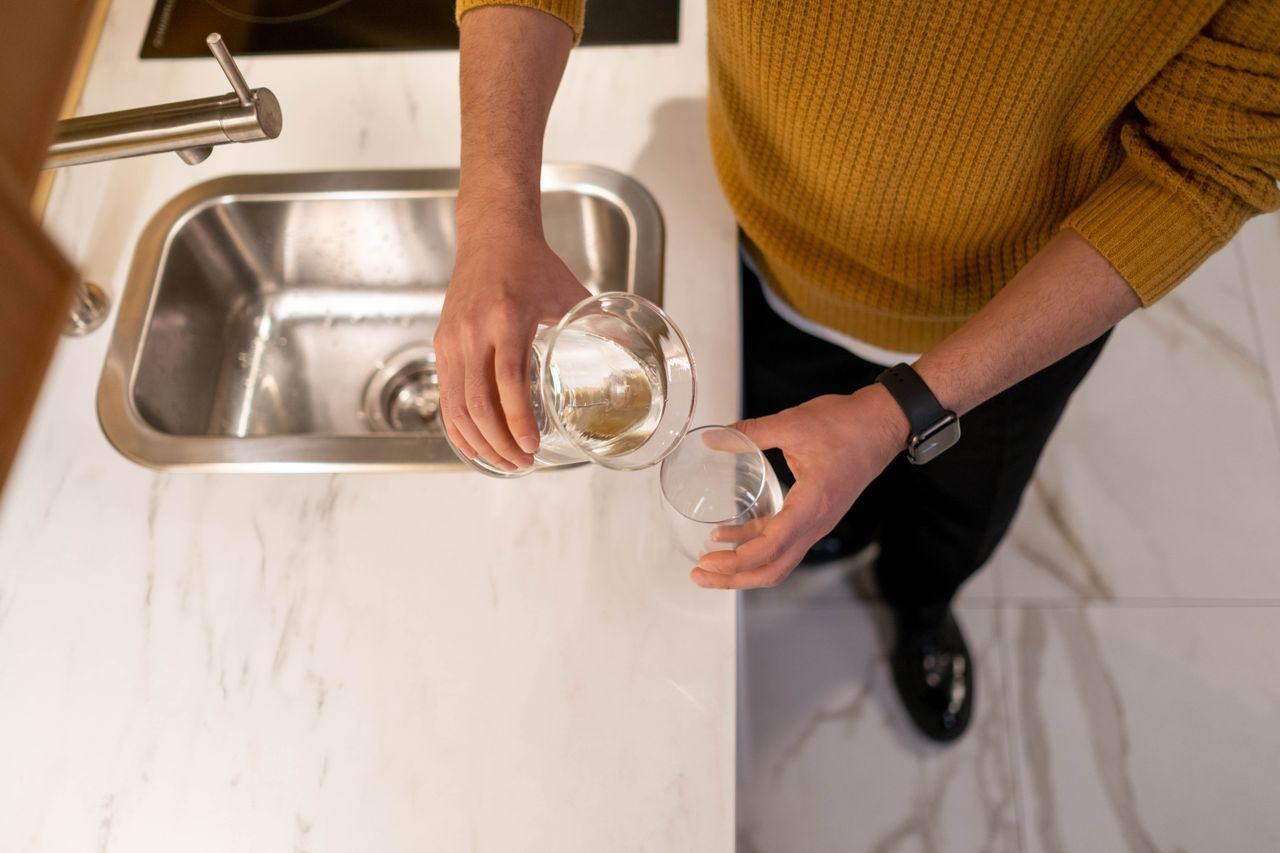
Most people notice changes just by using their water like normal. You might fill a glass and see a bit of haze that wasn’t there last season. Or you might rinse the dinner plates and find they come out spotty no matter how much soap you use.
Spring runoff tends to bring:
- Unusual smells, like a sour or metallic odor when water first comes out of the tap
- A new taste, sometimes faint, sometimes stronger, especially after a hard rain
- Cloudy or tinted water, often just during peak melt periods
- More soap scum on tubs or sinks, and limescale on fixtures that weren’t there a month ago
- Dishes that look streaky or feel rough even after a full cleaning cycle
These early signs don’t always mean something is broken. But they’re a good reason to think about whether your water system is keeping up with seasonal changes.
Many people find that problems come and go right along with the weather. For example, after a sunny week where the snow melts fast, there might be more visible cloudiness in the sink. Or after a rainy day, tap water could taste a little earthy. These patterns are often tied directly to what’s happening outside and how well the home’s filtration keeps up with that extra demand. If you wash your hands and notice your skin feels drier than usual, or if your coffee tastes a bit off, these could also be subtle hints that minerals and sediment in the water have increased. Over time, small shifts like these can add up and might lead you to wonder if your system needs adjustment.
Which Systems Feel It First
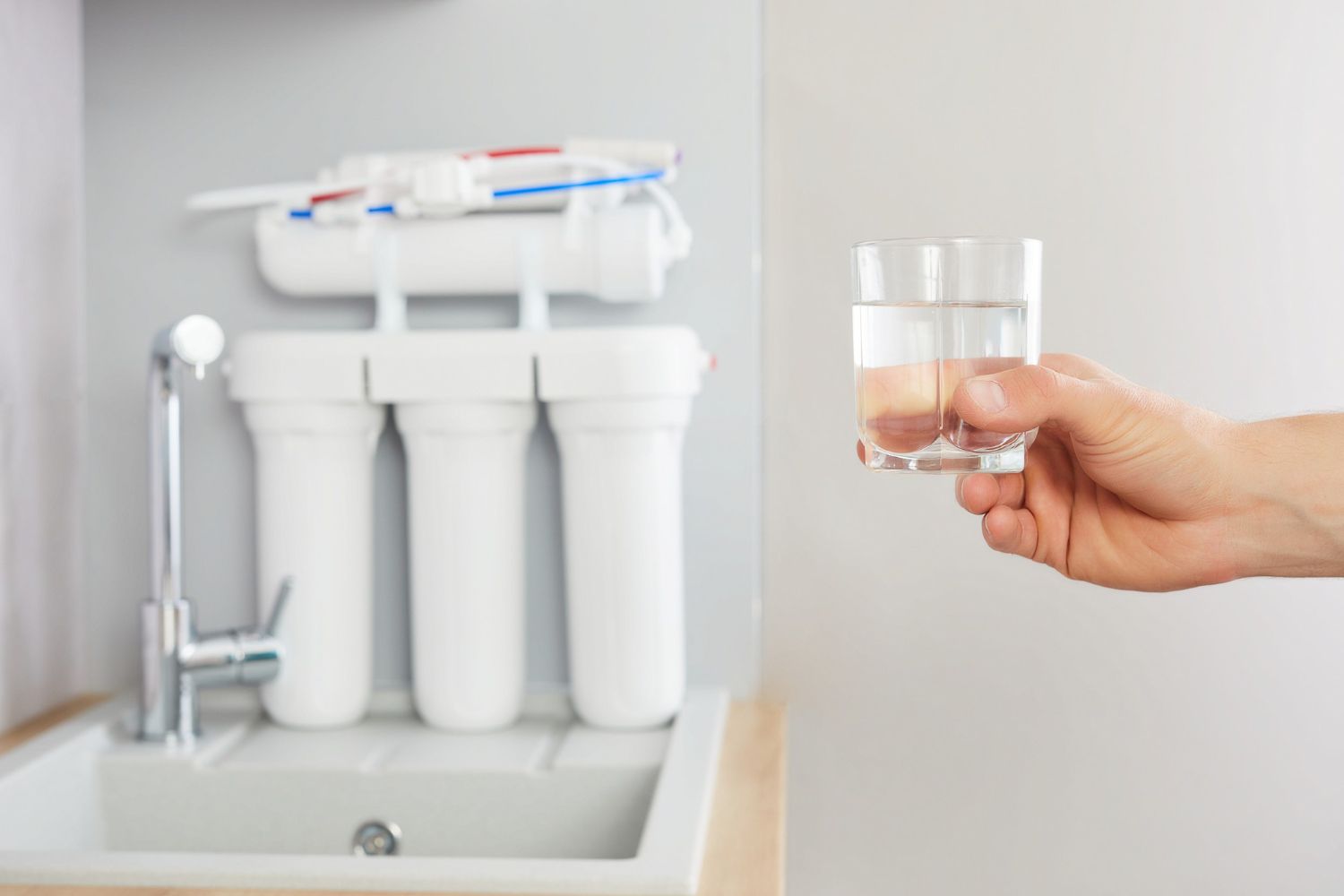
Some systems are more sensitive to spring runoff and thaw than others. Reverse osmosis units, whole house filters, and softeners are the most likely to feel the effects early.
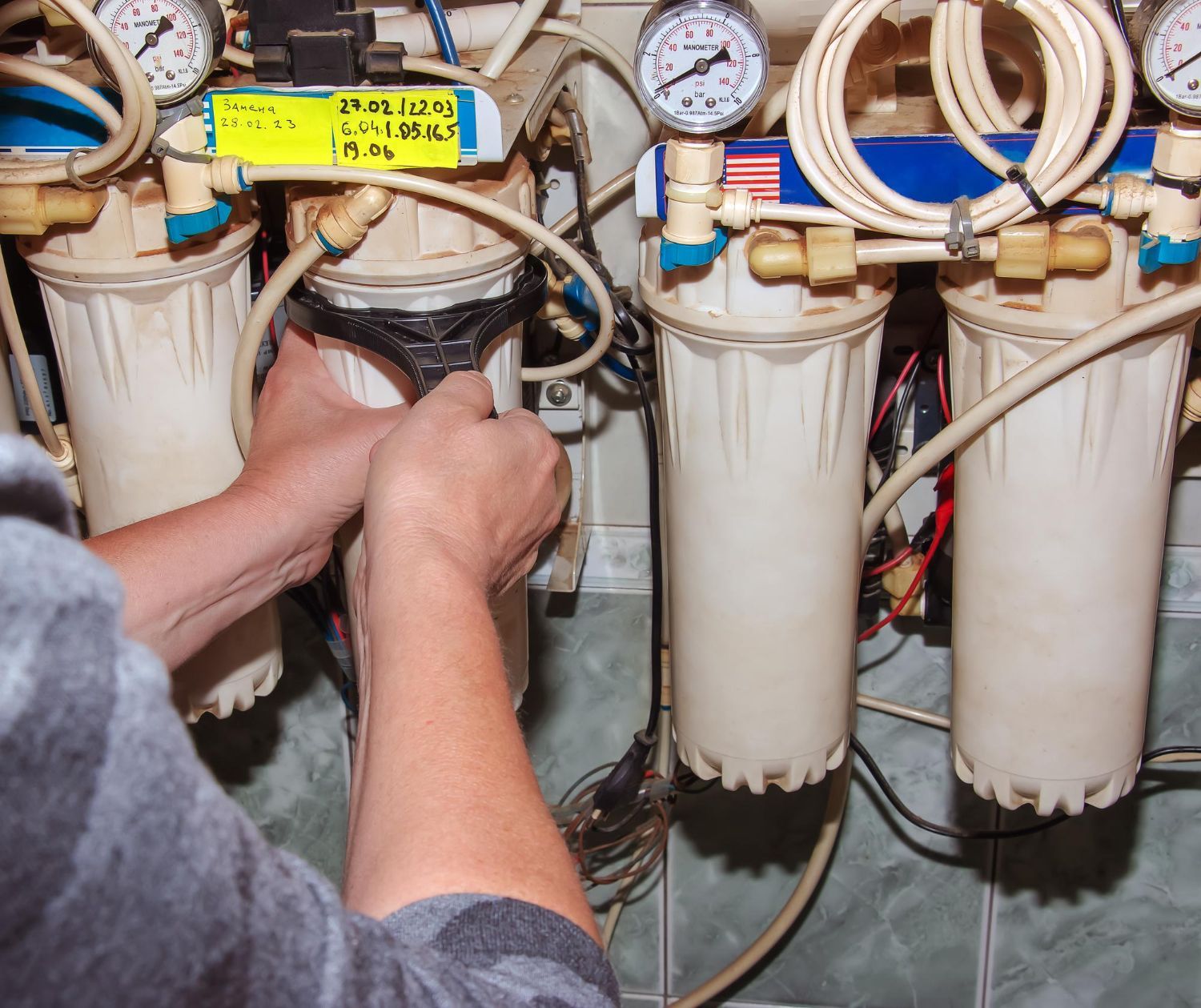
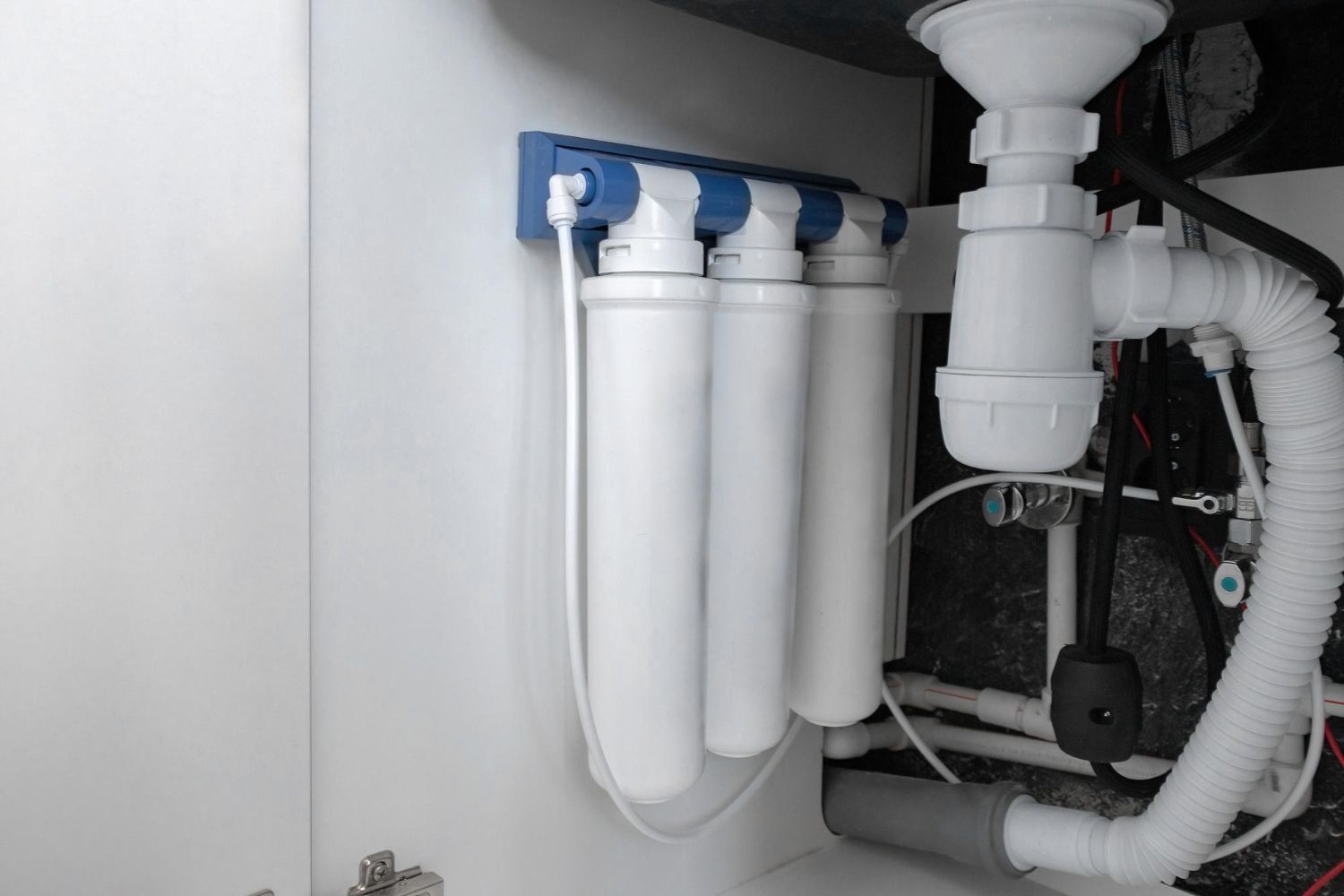
- Reverse osmosis filters that sat mostly idle through winter sometimes clog or slow down when buildup gets stirred up in spring
- Whole house filtration systems might flush more often or show slower flow because they’re working harder against all the new material in the water
- Water softeners can start letting minerals through if runoff carries in more calcium or magnesium than expected
One of the first things we often notice in Wasatch County homes each May is that something acts slightly off. A softener that used to handle the load fine now leaves water feeling scratchy. Filters that were okay in January feel like they’re getting gummed up. These are signs the system is reacting to an overload and may need attention.
Appliances connected to water lines, such as dishwashers, coffee machines, or washing machines, can also begin showing symptoms. The buildup from sediment may leave films, spots, or reduce how well they clean. Homeowners who usually rely on filtered drinking water may discover that a pitcher takes longer to fill or doesn’t taste as fresh as it did last winter. Water pressure in showers or sinks could drop, or you might start to see powdery marks on shower walls and glass. All of these signs point back to systems starting to work harder under new conditions created by seasonal runoff.
When to Consider a Purification Checkup or System Update
A lot can shift between February and May, especially with water systems. What worked during the slow winter months might not cut it now that temperatures have risen and water use starts picking back up.
If you’re unsure about your system’s performance, try to think about what’s changed lately.
- Have your filters been in place for longer than a year or two?
- Is your water tasting weird even though nothing else in the house changed?
- Are appliances like dishwashers or hot water heaters working harder or leaving buildup behind?
May is a smart time to take stock. There’s still enough time ahead to correct small issues before they get worse under summer use. If you’ve checked your equipment and things still don’t feel quite right, it might be time to look into water purification services in Wasatch. Seasonal runoff doesn’t stick around forever, but it can leave a lasting mark if your setup isn’t ready to handle it.
It's helpful to check filters, note any changes in appliance performance, and pay attention to how easy it is to get rid of marks or stains. If you're rinsing dishes and glassware and notice a film, or if hot water isn’t lasting as long, these could be clues. Small fixes now can often prevent bigger problems later in the year, especially as summer brings more outdoor activities, gardening, and higher water demand.
Keeping Water Stable Between Seasons
The shift from winter chill to spring thaw tends to show itself in subtle ways. Water that once felt balanced can quickly taste off, run slower, or gum up a filter unexpectedly. That spring surge of runoff puts pressure on every part of the system, from underground pipes to storage tanks and filters inside the home.
We’ve found that staying alert to seasonal concerns helps keep water clean and systems running smoothly. Spring runoff affects homes each year, but not always in the same way. Underground minerals can shift, new construction nearby can reroute flow, or an aging filter may just not handle things the way it used to.
Paying attention to early changes in taste, clarity, and appliance behavior can stop bigger surprises later. It’s easier to make adjustments in May than to deal with clogged filters and worn-out softeners during July’s peak usage. Watching for these patterns now helps keep water steady well into the summer.
By monitoring the little signs of strain, you give yourself the best chance to keep water safe and fresh. This habit makes it less stressful to transition from cool spring days to the warmer summer months. Proactive checks now also help keep utility costs down, as equipment does not have to struggle with clogged parts or extra build-up. Each season brings different water quality challenges, but recognizing patterns specific to spring helps set up your system for steady service all year.
Refresh Your Water for Spring
Noticing changes in your water taste or buildup on fixtures is common around Park City and Wasatch County as spring brings increased runoff and fluctuating mineral levels. We help homeowners address these seasonal shifts by assessing and enhancing water systems affected by weather-driven changes. Experiencing any of these issues? Our
water purification services in Wasatch are designed to uncover the source and provide practical solutions. Reach out to Water Science and share what you’ve observed, let’s make sure your water stays clean and fresh this season.