Common Questions About Water Purification in Utah County
Spring brings a lot of change to homes in Utah County. Temperatures rise, snow melts off the roofs, and everything from plumbing to sprinklers starts working harder again. As that rhythm picks up, we tend to focus more on how our water feels, smells, and tastes. That is where water purification in Utah County keeps playing a steady, behind-the-scenes role.
We hear questions each season from homeowners trying to figure out whether their water is clean enough or if something needs to be added or replaced. The most common concerns are not just about safety. They are about everyday comfort, and whether their water could be doing better work around the house.
What Does Water Purification Actually Do?
We are often asked why someone with a water softener would still use a purification system. The simple answer is that every system solves a different part of the water problem.
A softener removes minerals that make water "hard," like calcium and magnesium. That helps with buildup, appliance life, and how soap works. A purification system goes after what softeners do not reach.
- Purifiers target taste, odor, and clarity problems
- They reduce particles or chemicals that may be left over from city treatment
- They help remove chlorine, sulfur smells, or cloudy coloring from tap water
If your water looks perfectly clear, that does not always mean it is purified. And while purifiers can handle many particles or unwanted substances, they will not protect you from every hazard. Some systems filter for basic quality, not health-grade contaminants, and that is a difference worth asking about.
Is Utah County Tap Water Safe to Drink Without a Filter?
Tap water in Utah County is safe when it comes from a regulated system. Still, that does not always mean it tastes or smells good by the time it reaches your faucet.
Natural minerals can turn up in city water since much of the supply comes from mountain runoff, lakes, or wells. In spring, melting snow adds new flow to those sources.
That shift in source water can:
- Make tap water smell like a pool because of extra chlorine
- Create a chalky aftertaste from mineral residue
- Leave faint particles or cloudiness in your glass
In some houses, especially older ones, water may pick up extra sediment from pipes or have trace levels of elements that were not filtered out completely. That is why water may seem different from one block to the next.
How Do I Know If I Need a Purification System?
There are signs people notice around the time spring arrives and water use starts going up. It is not just the taste. The way water behaves in your home can tell you a lot.
- Tap water has a noticeable smell or leaves a dry feeling after washing hands
- Drinking water comes with a slight taste that was not there before
- Shower water causes dry skin or hair that feels flat or sticky
- White, green, or orange residue starts showing up more on faucets
Some people also ask if the water needs to be tested before making a change. That can be helpful, especially if the home uses a private well or has not had a filter checked in a long time. Others just trust their senses. If water has a different look or smell, they want it fixed quickly.
Spring is when problems become more noticeable. More water moving through the home means the small changes that went unnoticed in winter start showing up in daily life.
What Type of System Is Right for My Home?
Not every home needs the same system, and not every system fits the same way. We have seen families frustrated by solutions that did not quite fit their home size, usage, or setup.
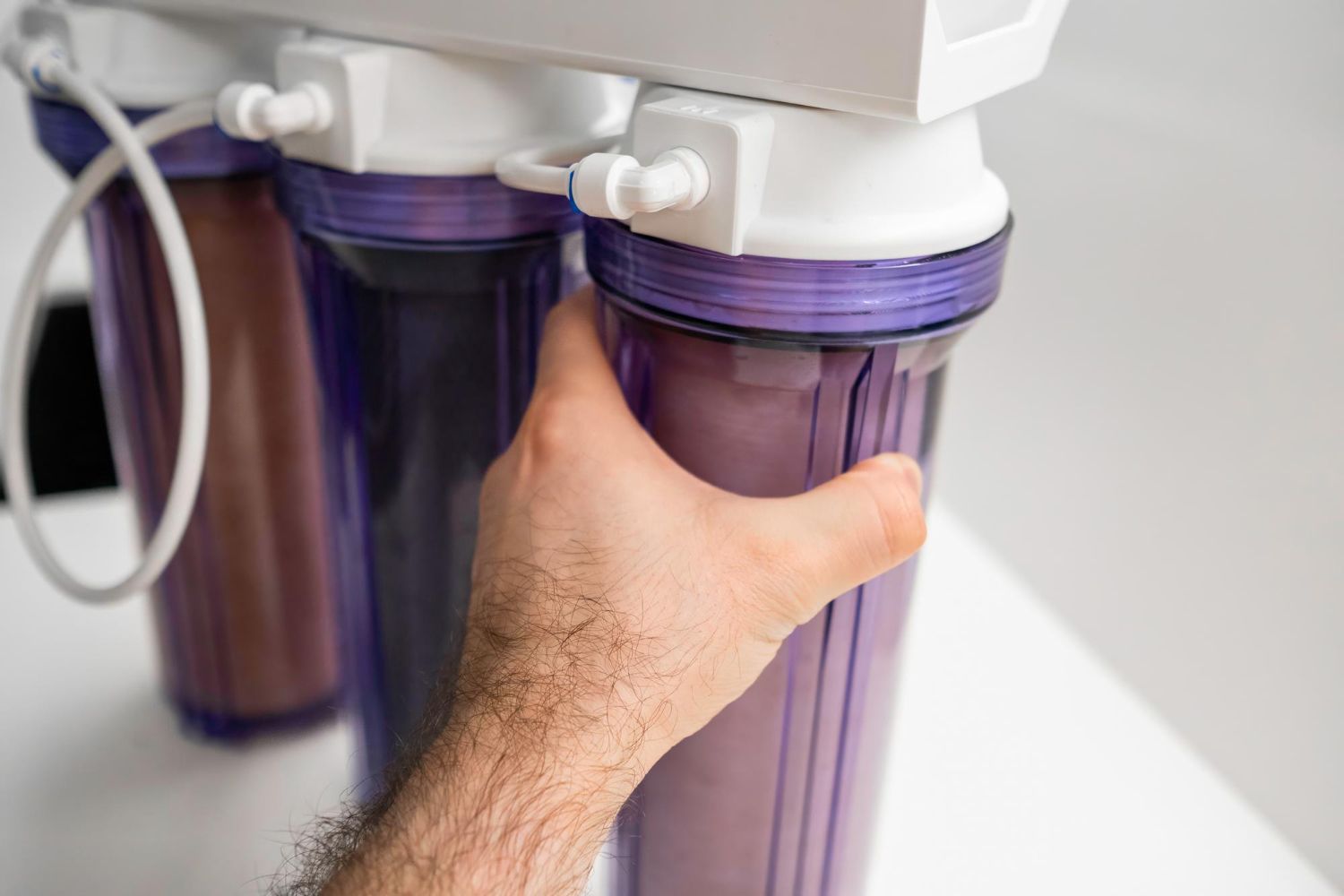
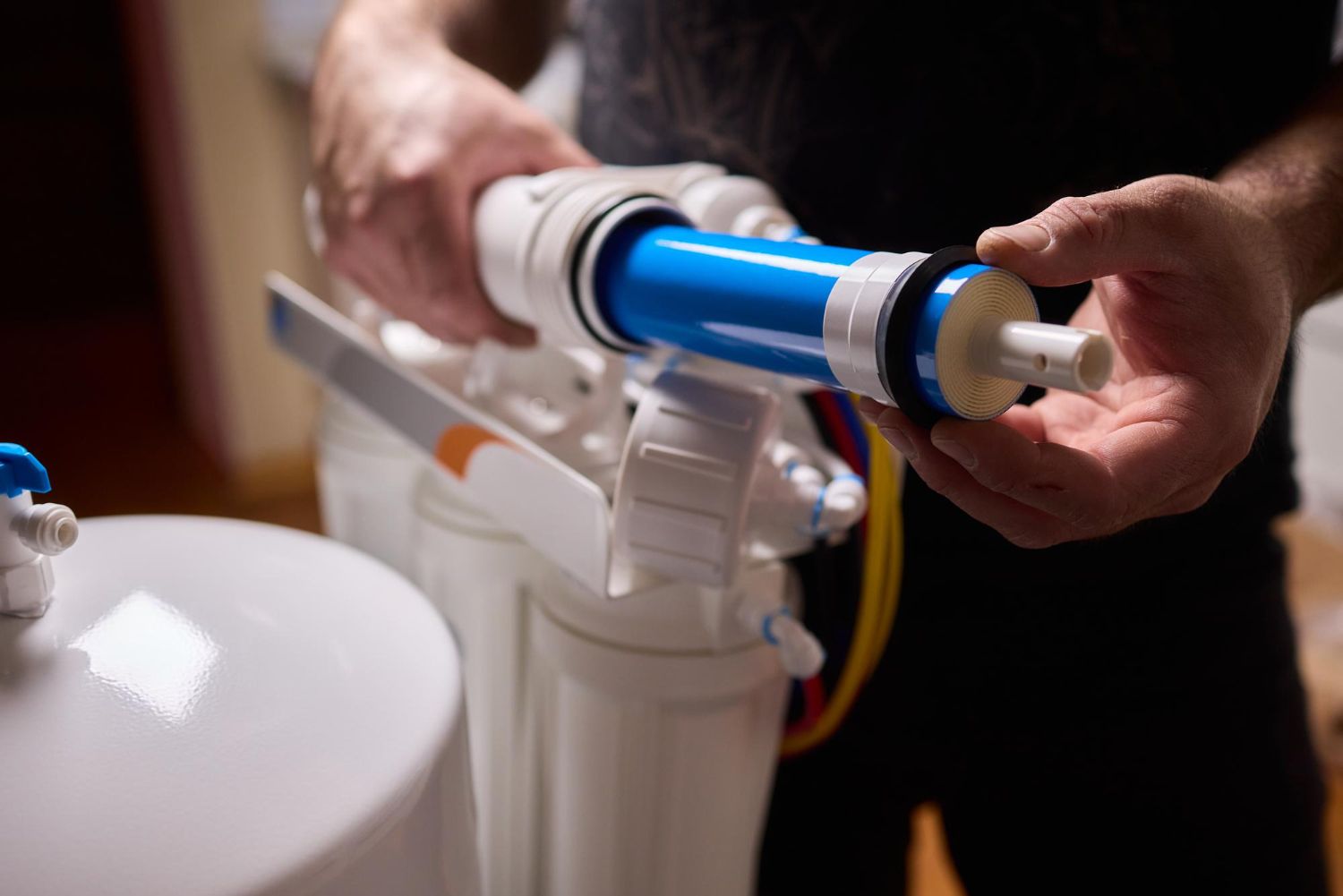
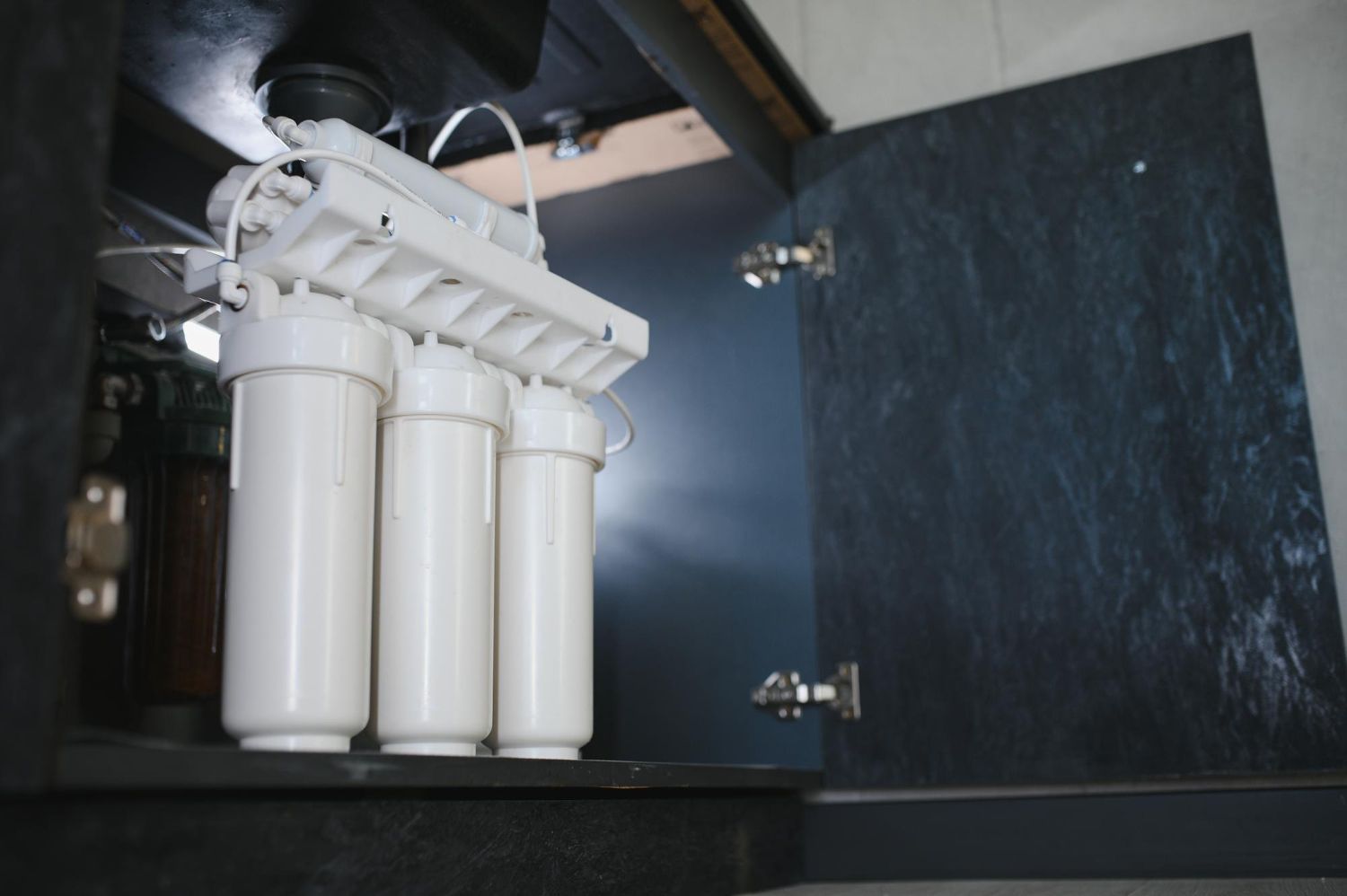
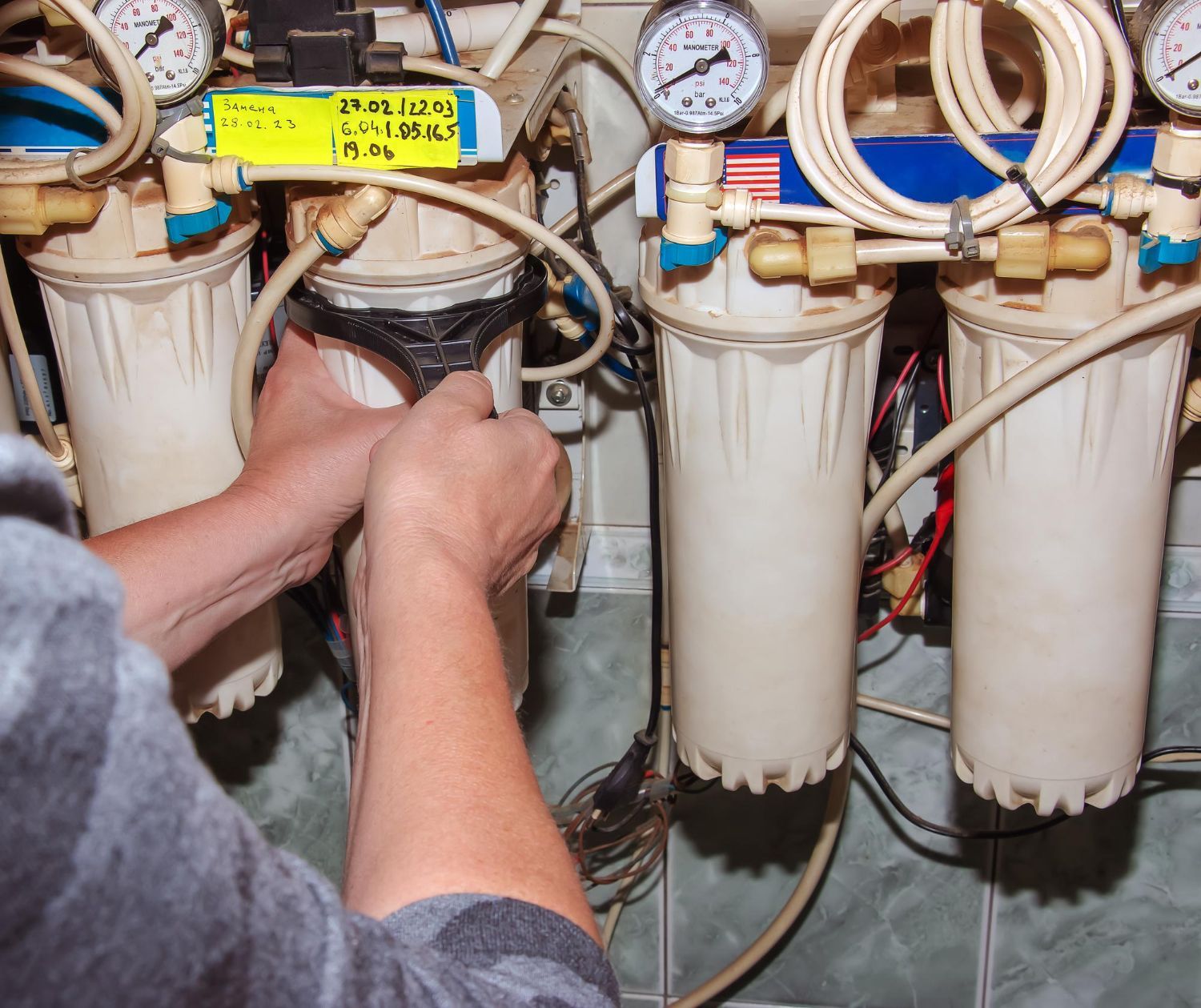
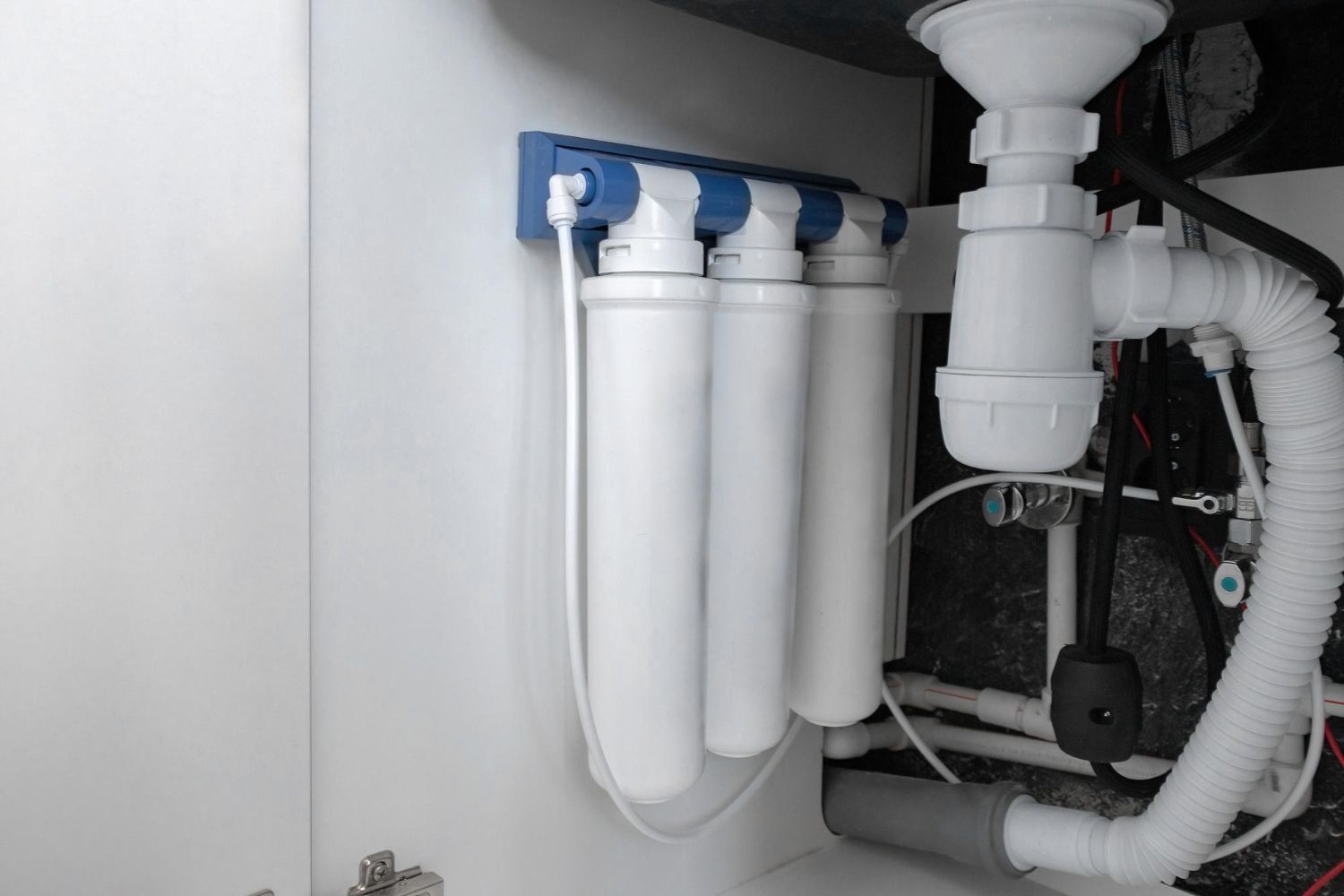
Drinking water filters can be installed under the kitchen sink. These catch particles that affect taste or smell and are good for daily use at that one location.
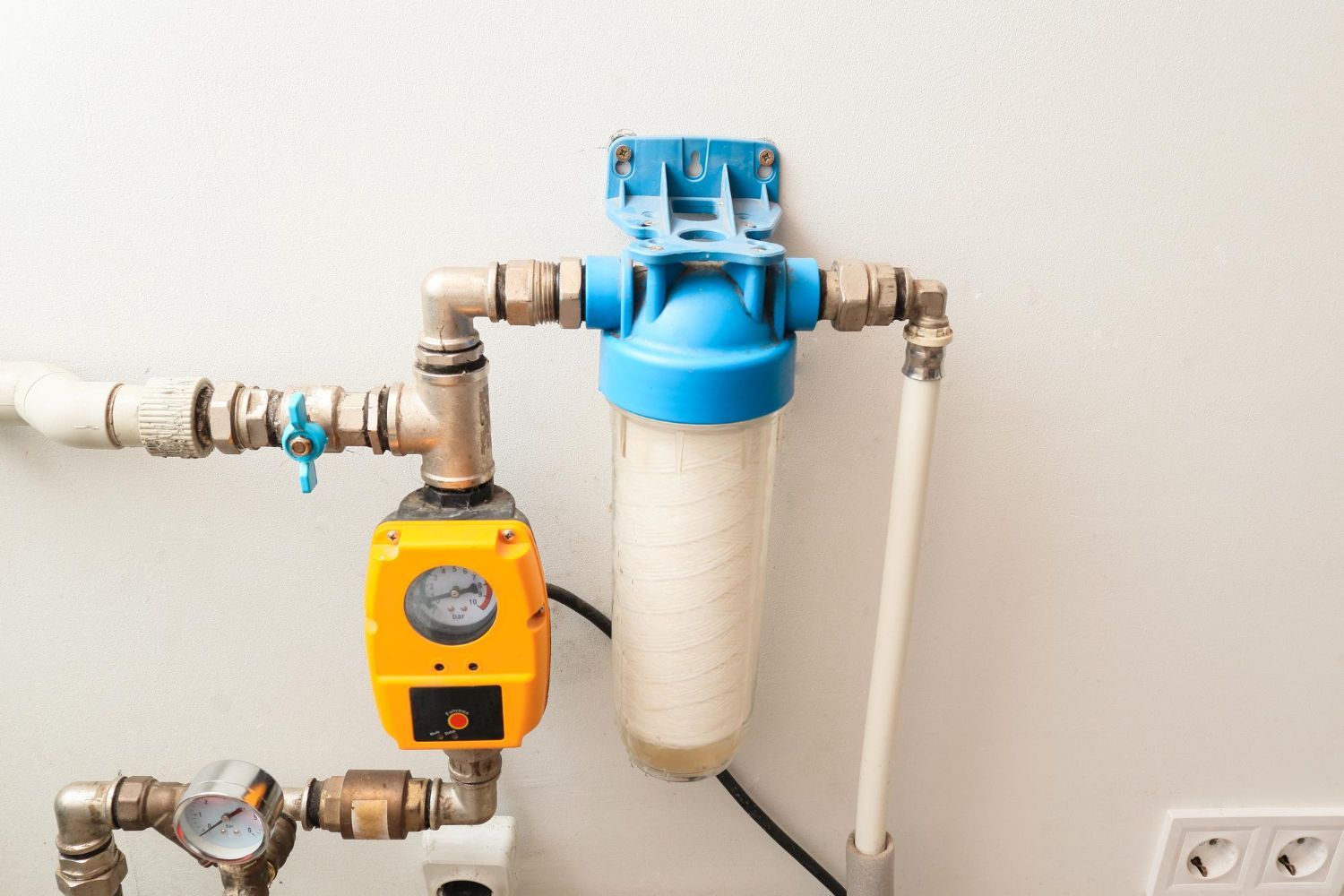
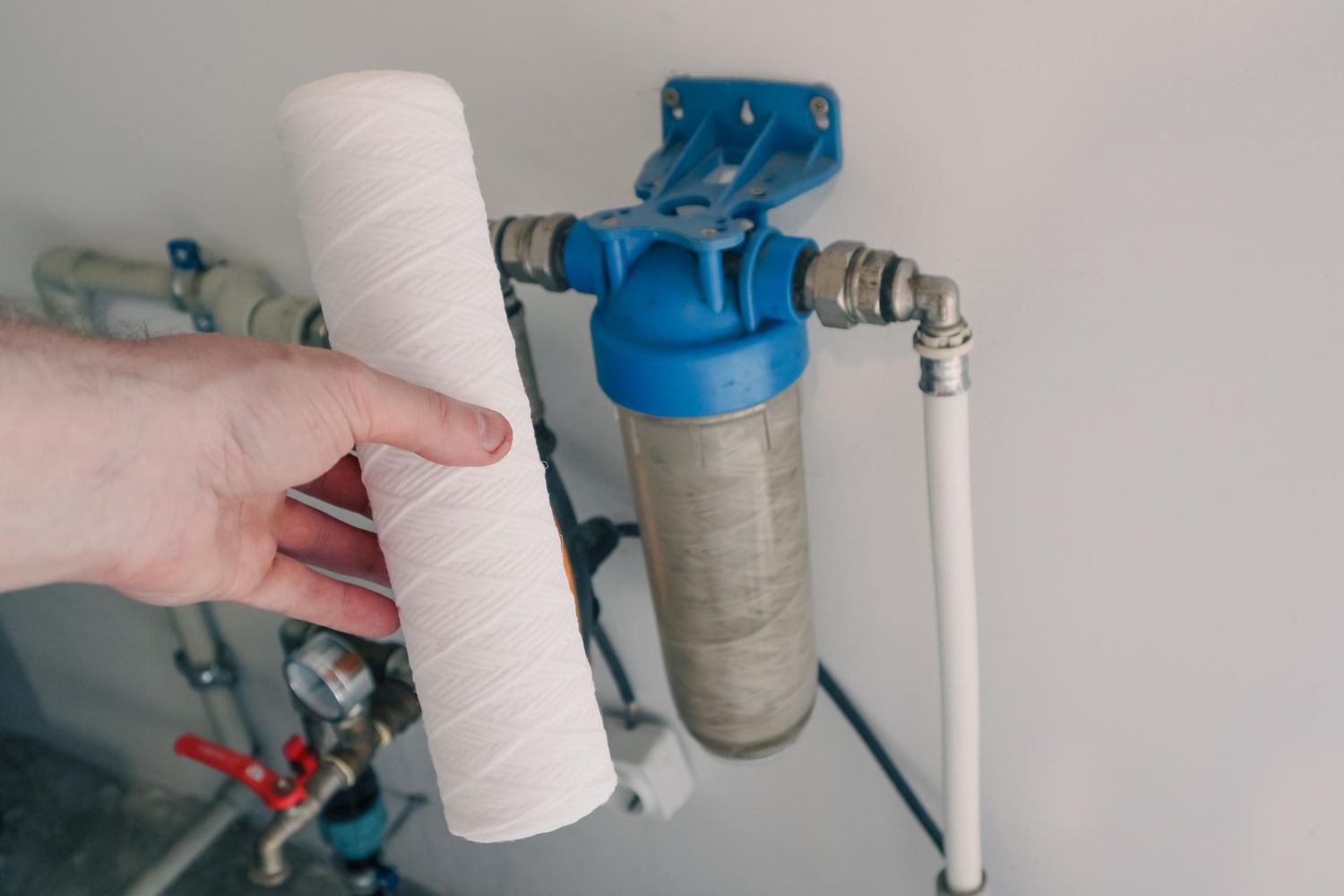
Whole-home filters tie into the main water line. These catch impurities early, so all water, whether it reaches your bathroom sink or laundry room, is filtered from the start.
Here are a few things to think about:
- Older homes often have pipes that can let in sediment or metals
- New builds may already include water softeners, but not purification options
- Homes on well water may have more variation in water quality based on the season
Each setup works best when it matches how your family lives and uses water. A full-house system can cut down wear on appliances and keep fixtures clean. A filter at the kitchen tap may be all someone needs if the main concern is the way water tastes in tea or coffee.
Can I Combine Water Purification with a Softener?
A lot of people confuse water softeners with water purifiers, thinking they do the same job. They do not, but they do work well together.
Softening removes minerals that cause buildup, which helps your pipes, heaters, and appliances last longer. Purification systems improve how water tastes or smells and make it better for drinking.
Together, they:
- Help reduce dry skin or filmy residue after showering
- Make drinking water cleaner and more appealing without buying bottles
- Keep both appliances and people more comfortable season after season
In northern Utah County, where hard water is common, using both systems often gives the cleanest feel and the fewest day-to-day problems. People usually notice the difference right away, especially when washing dishes or showering.
Clean Water, Clear Choices: Making Sense of It All
Water helps run our homes every day but is not something most of us think about until something goes wrong. Whether it is a slow change in taste or water leaving streaks behind, those signs often point to an opportunity to improve how water works in your space.
When you are aware of the role purification plays, it gets easier to make smart upgrades at the right time. Heading into spring, clean water helps everything flow better, from the way showers feel to the way your coffee tastes. With some attention to what our homes are telling us, taking care of water can be one of the simplest decisions we make all season.
Noticing changes in your water this spring is common, especially as snowmelt and shifting temperatures affect local supply in Utah County. We help homeowners across Park City and Salt Lake City understand what is really in their water and choose effective solutions. To see whether
water purification in Utah County is right for your home, connect with Water Science for straightforward, honest advice. We are here to help you get the quality water your family deserves.