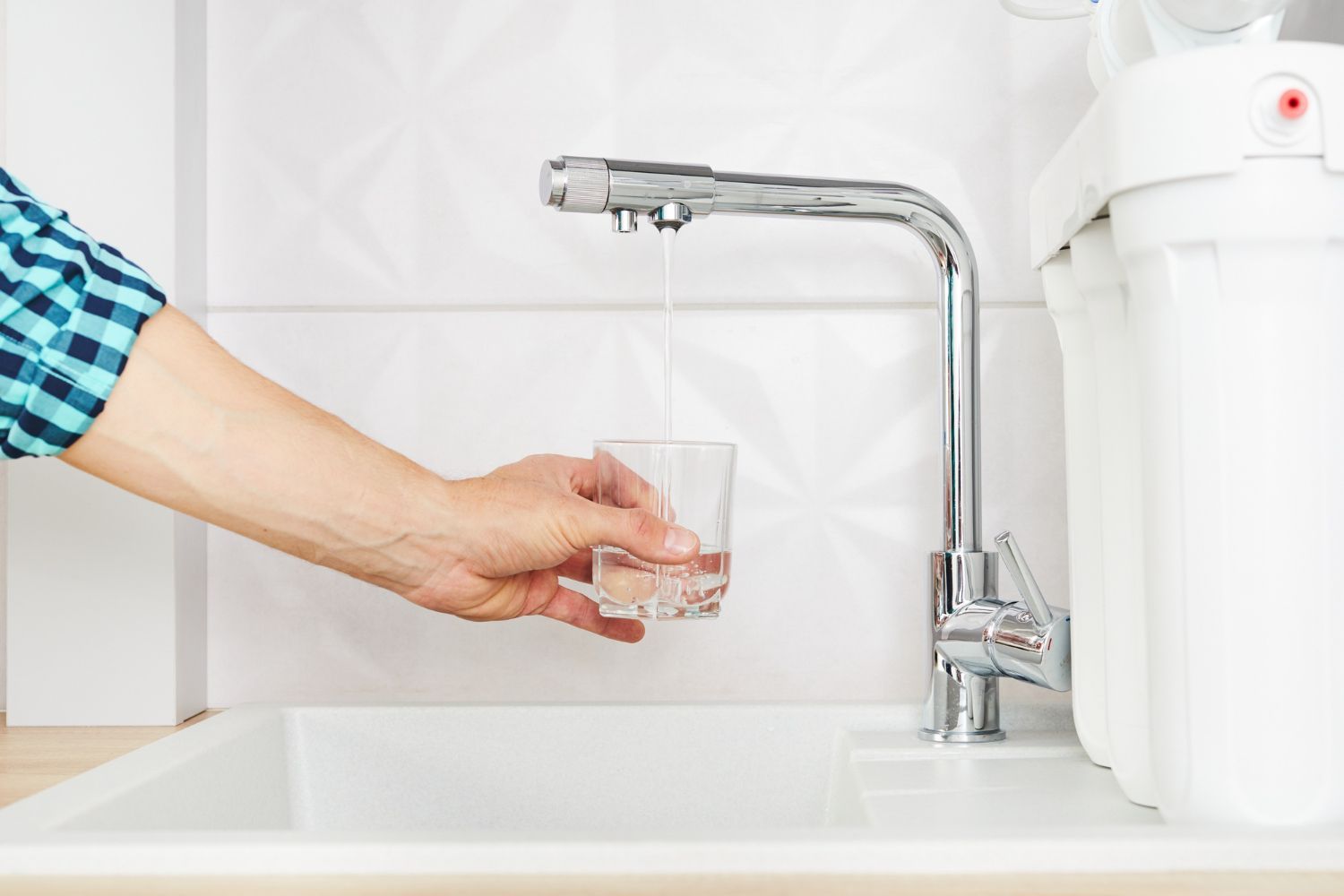
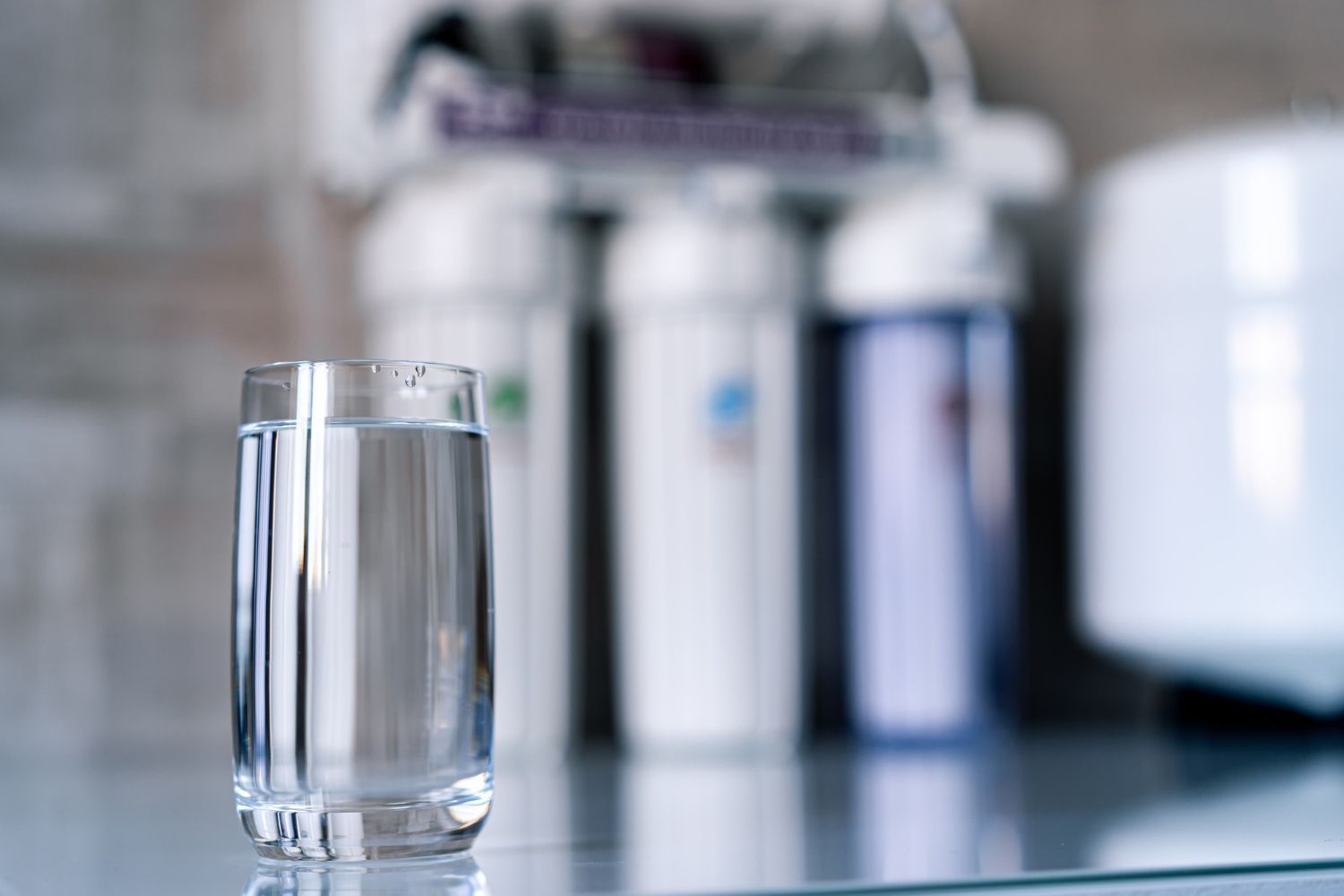
How Reverse Osmosis Systems Provide Clean Drinking Water
Ensuring access to clean and safe drinking water is a priority for many communities, particularly in regions where water quality poses significant challenges. Reverse osmosis (RO) systems have emerged as a vital technology for purifying drinking water, offering an effective solution for removing a wide range of contaminants. This article delves into the principles of reverse osmosis, its benefits, and its application in addressing local water quality issues, particularly in areas like Park City, Utah.
Understanding Reverse Osmosis Technology
Reverse osmosis is a water purification method that utilizes a semipermeable membrane to separate impurities from water. This membrane permits water molecules to pass through while blocking larger contaminants, including dissolved salts, bacteria, and viruses. RO technology stands out for its ability to eliminate a broad spectrum of impurities, making it more comprehensive than other filtration methods like carbon filters, which primarily target taste and odor issues.
Scientific Principles Behind Reverse Osmosis
The concept of reverse osmosis is based on the natural process of osmosis, where water moves from a less concentrated solution to a more concentrated one across a membrane. Reverse osmosis reverses this natural process by applying pressure to push water from a more concentrated solution to a less concentrated one. Pressure is a key factor in the effectiveness of RO systems, as higher pressure enhances the removal of contaminants, resulting in cleaner water. RO systems are adept at removing various impurities, making them suitable for diverse applications.
Advantages of Reverse Osmosis Systems
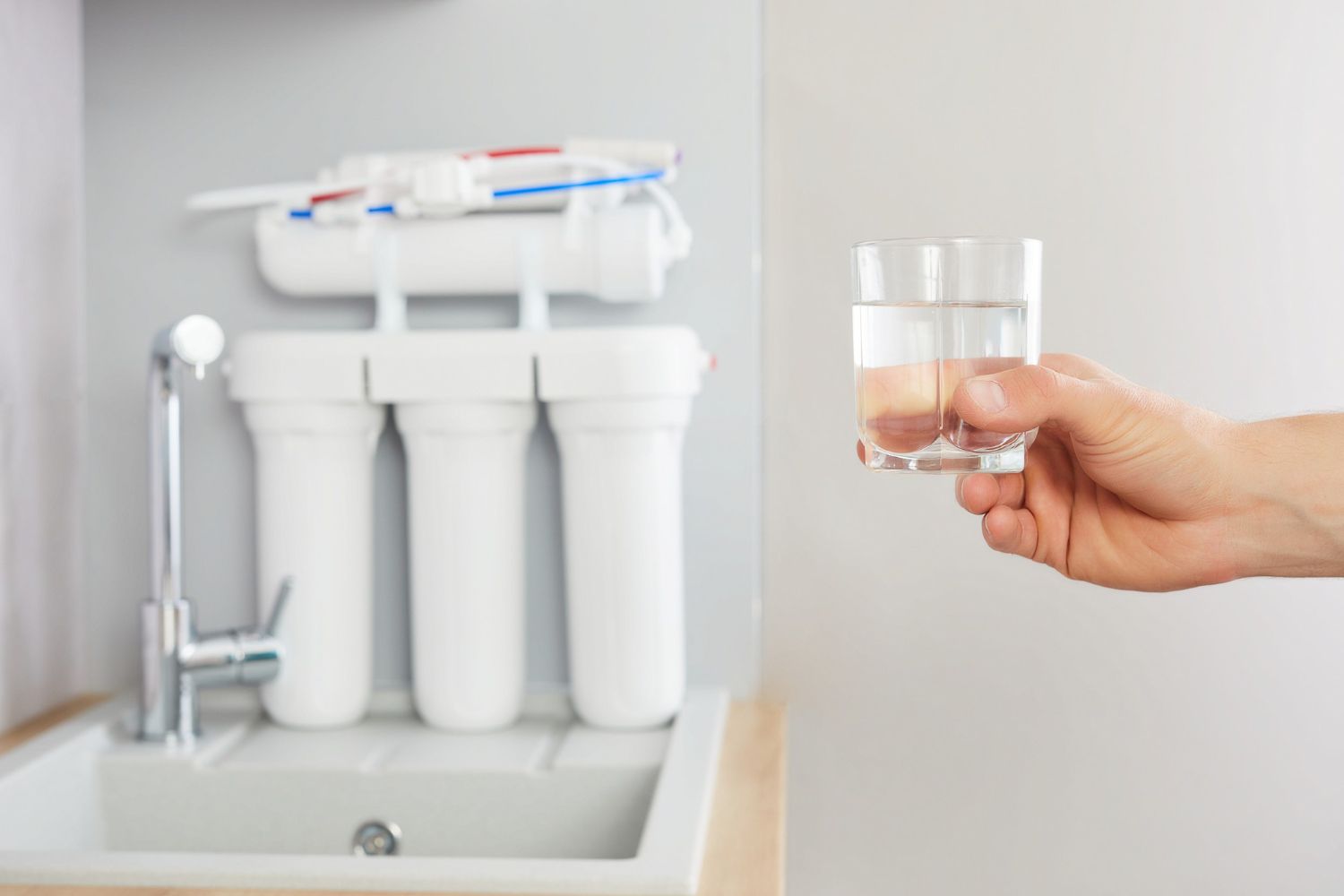
RO systems are renowned for their ability to remove up to 99% of contaminants from drinking water. This high level of purification not only enhances the taste and odor of water but also promotes better health outcomes by minimizing exposure to harmful substances. Access to cleaner water is linked to numerous health benefits, including a reduced risk of waterborne illnesses. In regions like Park City, where water quality can fluctuate, having access to purified water is particularly advantageous for residents.
Practical Advice for Choosing a Reverse Osmosis System
Selecting the right reverse osmosis system involves considering factors such as household size and water usage. Larger households may require systems with higher capacities to effectively meet daily water needs. Local water quality issues, such as hard water and high mineral content in Park City and surrounding areas, should also influence the choice of system. Evaluating system certifications and performance ratings ensures that the chosen RO system meets local water treatment requirements.
Maintaining Your Reverse Osmosis System
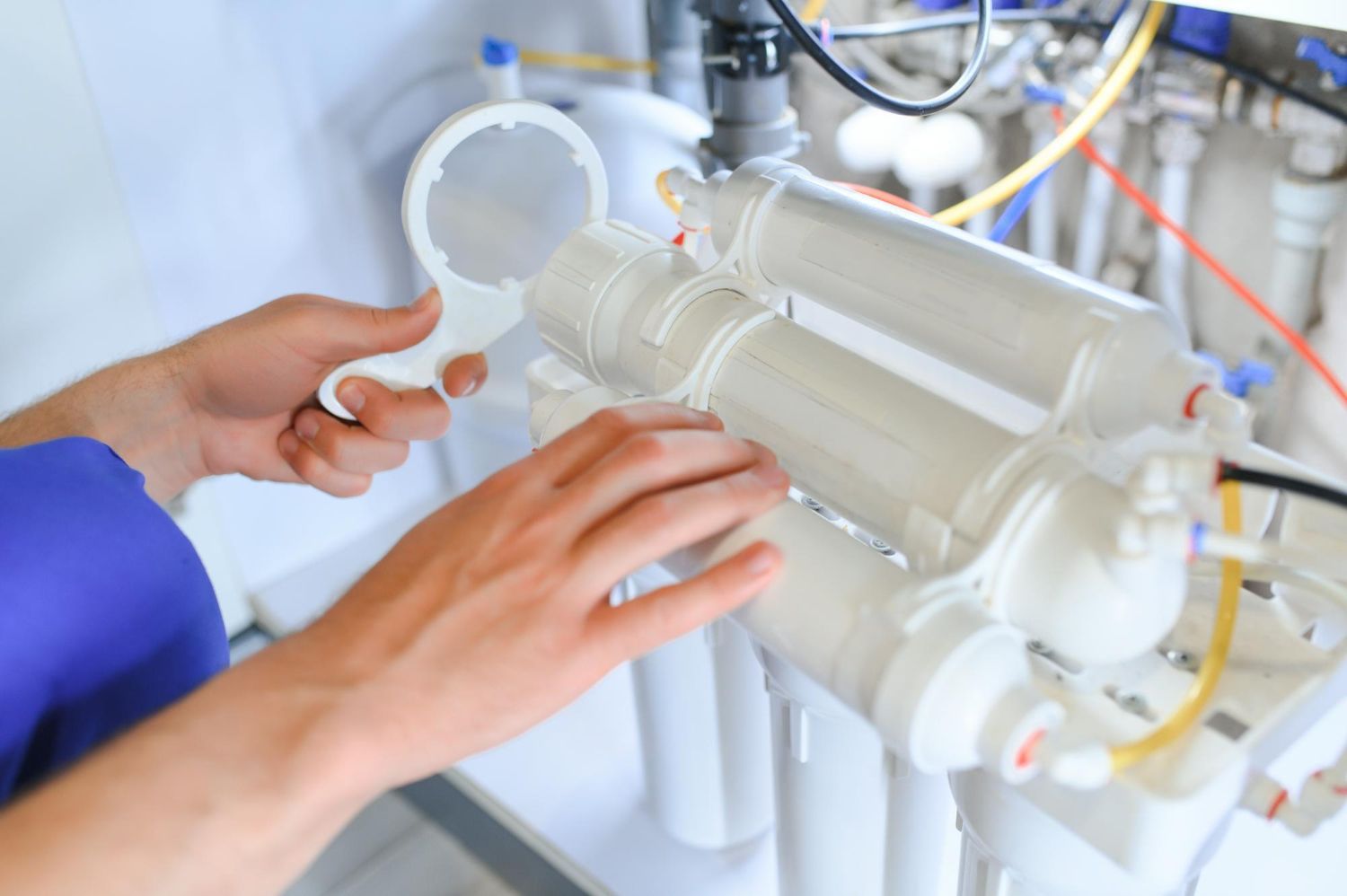
Proper maintenance is essential for keeping an RO system in optimal working condition. This includes replacing filters and membranes according to the manufacturer's guidelines, typically every 6 to 12 months for filters and every 2 to 3 years for membranes. Monitoring for potential issues, such as reduced water flow or changes in water taste, can indicate the need for maintenance or replacement of system components.
Reverse Osmosis in the Context of Utah’s Water Quality
Residents of Park City, Summit County, and Wasatch County encounter specific water quality challenges, including hard water and high mineral content. Reverse osmosis systems effectively address these issues by removing excess minerals and providing softer, cleaner water. Local regulations and guidelines may impact the installation and use of RO systems, so residents must be informed about any area-specific requirements.
Local Opinions and Experiences
Insights from local residents and experts can provide valuable perspectives on the effectiveness of RO systems. A Park City resident might share, "Since installing an RO system, I've noticed a significant improvement in the taste and clarity of our drinking water." While many appreciate the benefits of RO technology, others may prefer alternative water treatment methods due to cost or maintenance considerations. Understanding individual needs and preferences is crucial in making informed decisions.
Future Trends and Developments in Reverse Osmosis Technology
Advancements in reverse osmosis technology continue to enhance its efficiency and accessibility. Innovations in membrane materials and system design are making RO systems more effective and user-friendly. Research and pilot projects in Utah are exploring new ways to improve water treatment, potentially leading to even better solutions for local residents. These developments make RO technology an increasingly attractive option for those seeking high-quality water.
The Environmental Impact of Reverse Osmosis
The environmental impact of reverse osmosis systems is an important consideration. While RO systems provide high-quality water, they can produce wastewater, which raises concerns about resource conservation. Efforts to reduce the environmental footprint of RO systems include innovations aimed at minimizing water waste and energy consumption. Researchers are exploring ways to make RO systems more sustainable, ensuring that the benefits of clean water do not come at the expense of environmental health.
Economic Considerations of Reverse Osmosis Systems
The cost of installing and maintaining a reverse osmosis system can vary based on factors such as system capacity and complexity. While the initial investment may be higher than other filtration methods, the long-term benefits of cleaner water and potential health savings can justify the expense. Advancements in technology are gradually reducing costs, making RO systems more accessible to a broader range of consumers.
Comparing Reverse Osmosis to Other Filtration Methods
When evaluating water purification options, it's helpful to compare reverse osmosis to other filtration methods. While carbon filters and UV purification systems offer certain advantages, RO systems provide a more comprehensive solution by targeting a wider array of contaminants. Understanding the strengths and limitations of each method allows consumers to make informed choices that align with their specific needs and water quality concerns.
Reverse osmosis systems play a crucial role in providing clean and safe drinking water, particularly in areas with challenging water quality issues like Park City, Utah. By effectively removing a wide range of contaminants, RO technology enhances water quality and promotes better health outcomes. As advancements continue to improve the efficiency and sustainability of these systems, reverse osmosis remains a valuable option for ensuring access to high-quality drinking water.
Have questions about reverse osmosis systems and how they can improve your water quality?
The experts at Water Science are ready to help. Whether you're looking for the right system for your home or need guidance on maintenance, we provide tailored solutions to meet your needs.