Common Jobs a Water Treatment Specialist Handles
Water treatment jobs don’t always stand out. Many of them happen behind the walls, under the sink, or in parts of the home most people don’t think about. But when something doesn't feel right with your water, those jobs become more noticeable. That’s when a water treatment specialist steps in to smooth things out again.
In places like Park City and around the Wasatch area, how water tastes, smells, and flows can shift fast—especially in colder months. There’s more pressure on home systems during winter. That makes now the right time to look at the range of work being done to keep everything running right. Wasatch water purification services cover more than installations. Sometimes it’s about spotting small problems early. Other times, it’s fixing things most people didn't even know were breaking.
Testing and Diagnosing Water Problems
Good water doesn’t always mean clear water. A system can still have issues that show up as funny smells, strange tastes, or cloudy color. When that happens, the first step is figuring out what’s in the water and where the problem starts. Testing helps answer those questions.
We check for a mix of things—too many minerals, leftover chlorine from city supplies, or silt from private wells. If a home sits on older plumbing or near open land, extra sediment might build up faster. Chlorine levels can shift too, making water taste off or feel harsh. Sometimes it’s not that anything has changed in the water source but rather a part of the system isn’t filtering as it should.
It’s not always a simple answer. That’s part of why testing is so helpful. We get a clearer picture of what’s in the water and what it might be doing to pipes, appliances, or drinking glasses. And we explain what a swaying water quality might mean during cold seasons when pipes contract and filters carry more strain.
Water Science offers water testing in Summit and Wasatch counties, identifying sediment, minerals, and contaminants before recommending the best fixes for local homes and businesses.
Installing and Replacing Purification Equipment
Every home has different water needs. Some have private wells. Others rely on city water with different chemical balances. So the type of purification system that fits one home might not work well for another. A specialist figures that part out before picking what goes in.
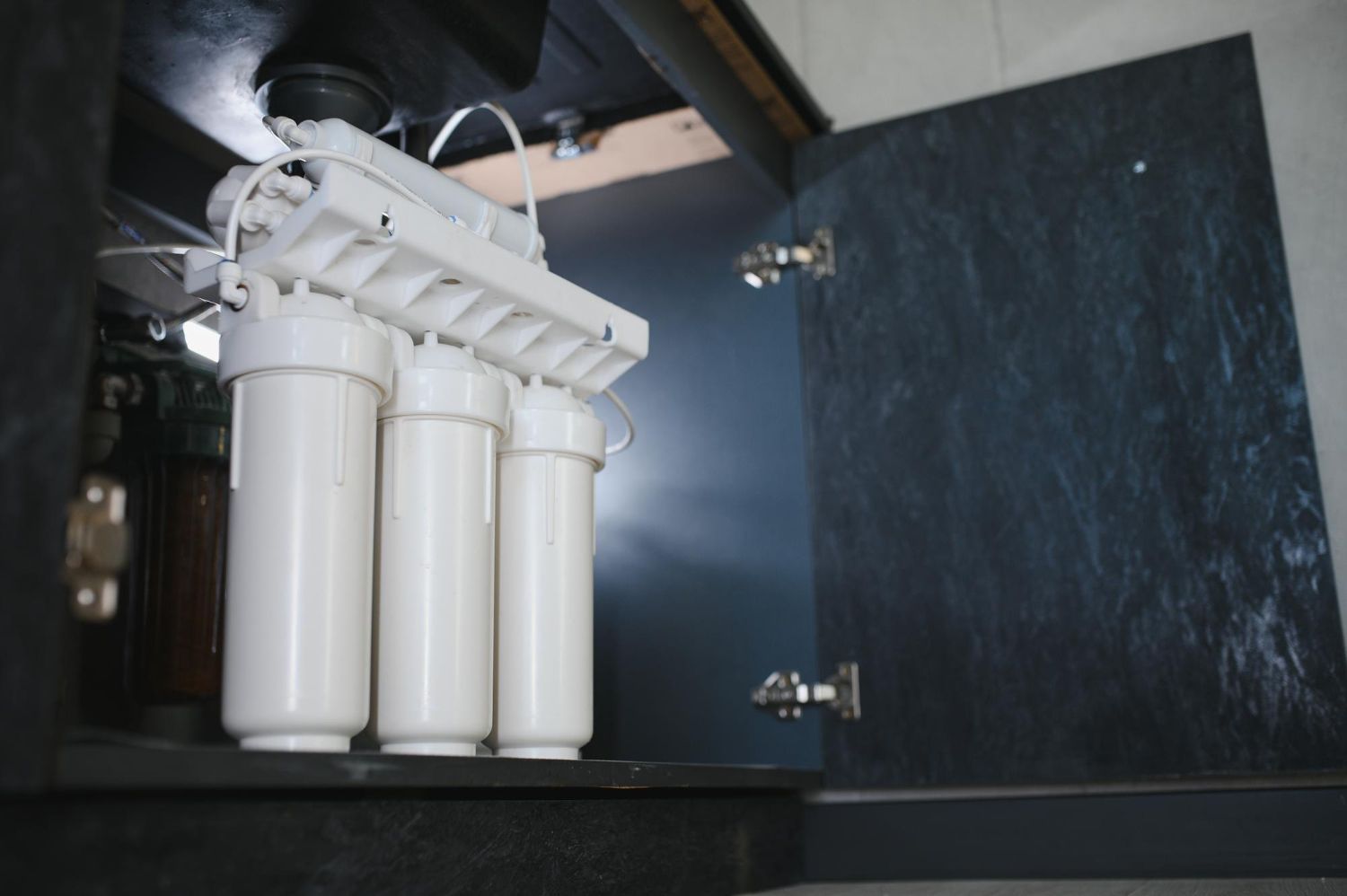
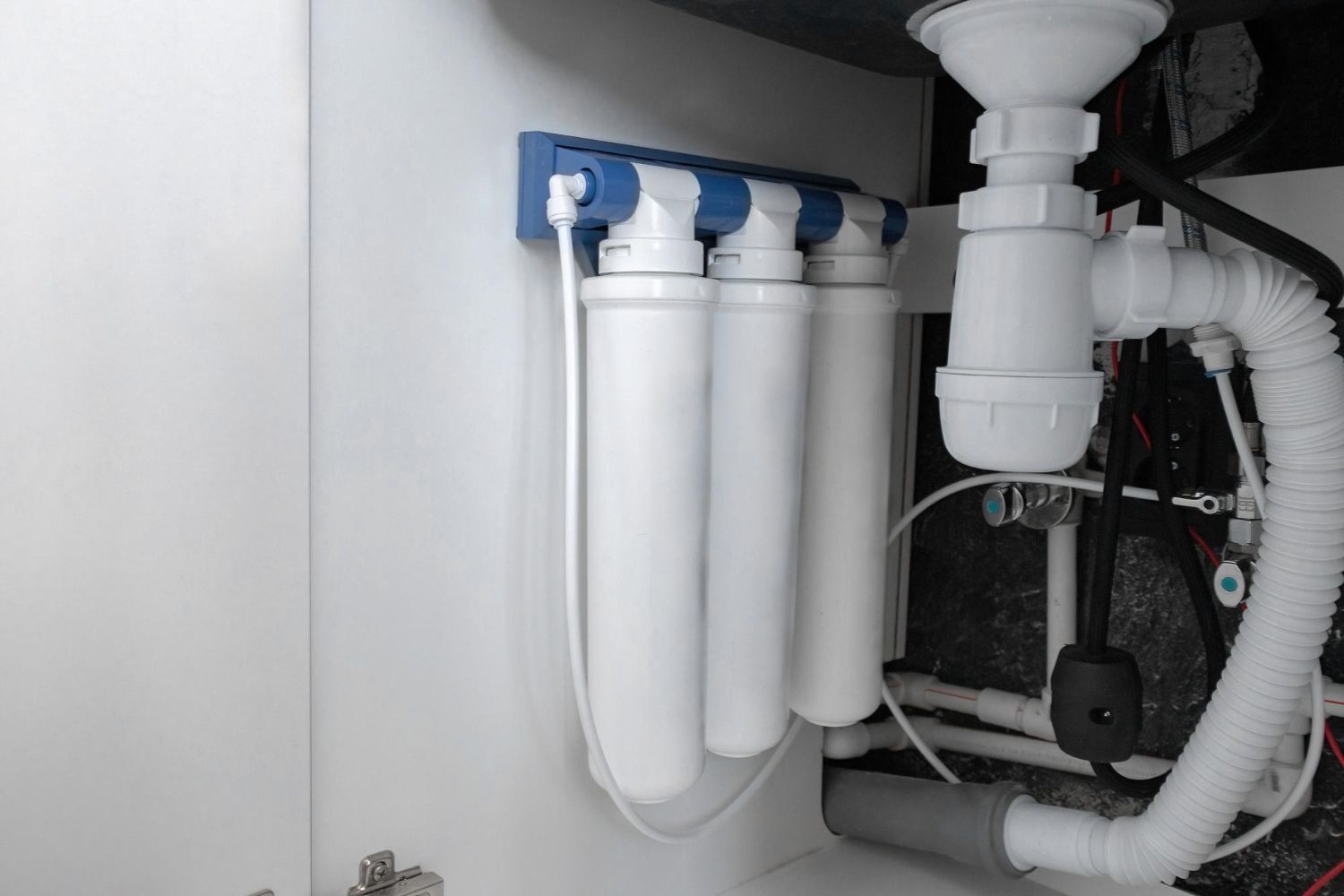
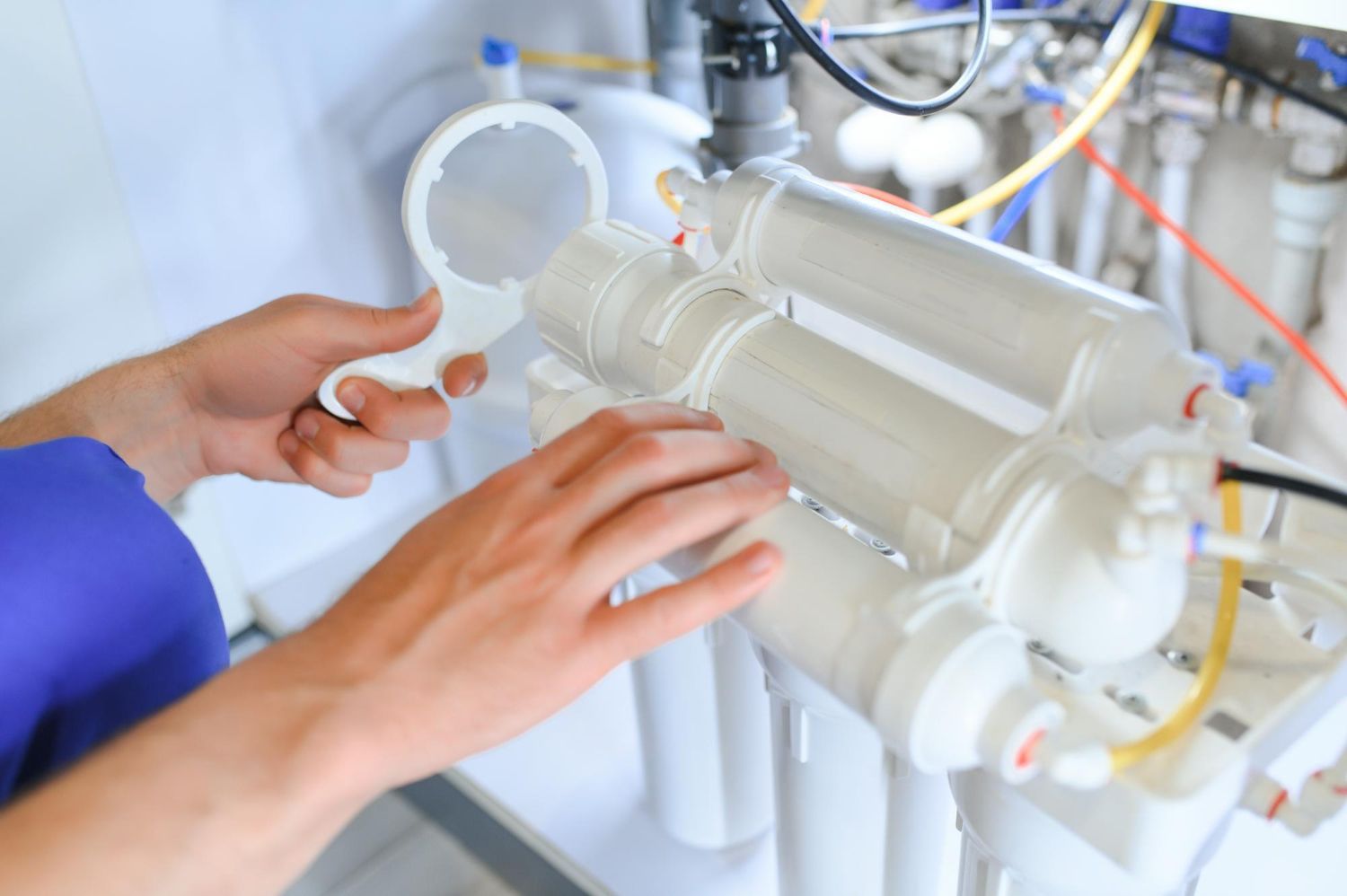
The range of systems is wide. Some families go with a water softener to manage hardness and keep minerals from building up inside water heaters or dishwashers. Others choose a reverse osmosis setup to improve taste and remove extra particles. There are carbon filters and UV lights too, depending on what’s in the supply and what the homeowner wants to improve.
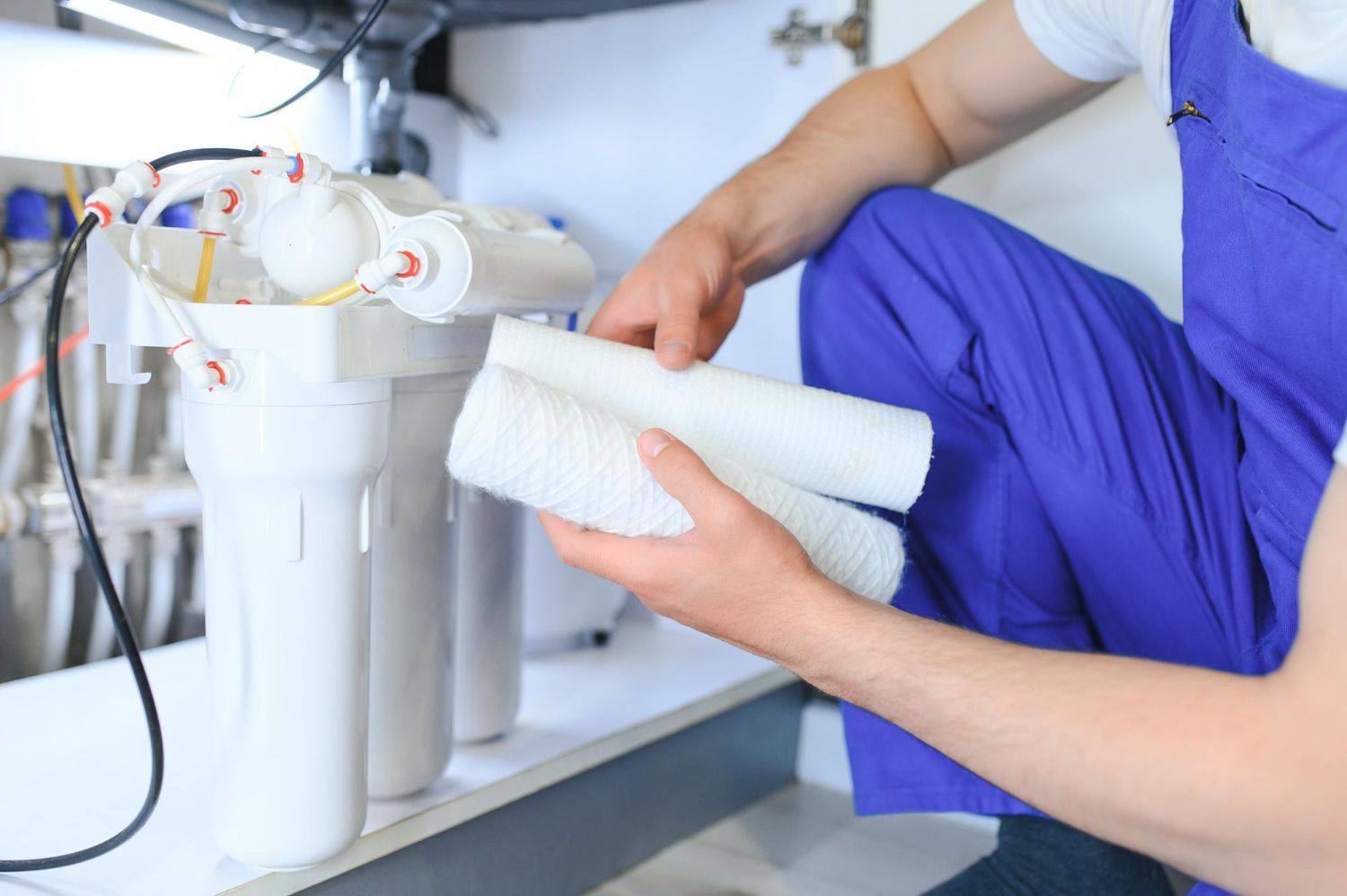
We’re often called in when an older system starts missing the mark. Maybe the water isn’t as clear anymore, or pressure drops even after changing filters. In those cases, replacing parts (or the full setup) becomes a better long-term fix than repeating short-term repairs. The colder season tends to bring these issues to the surface, so timing matters for smoother upgrades.
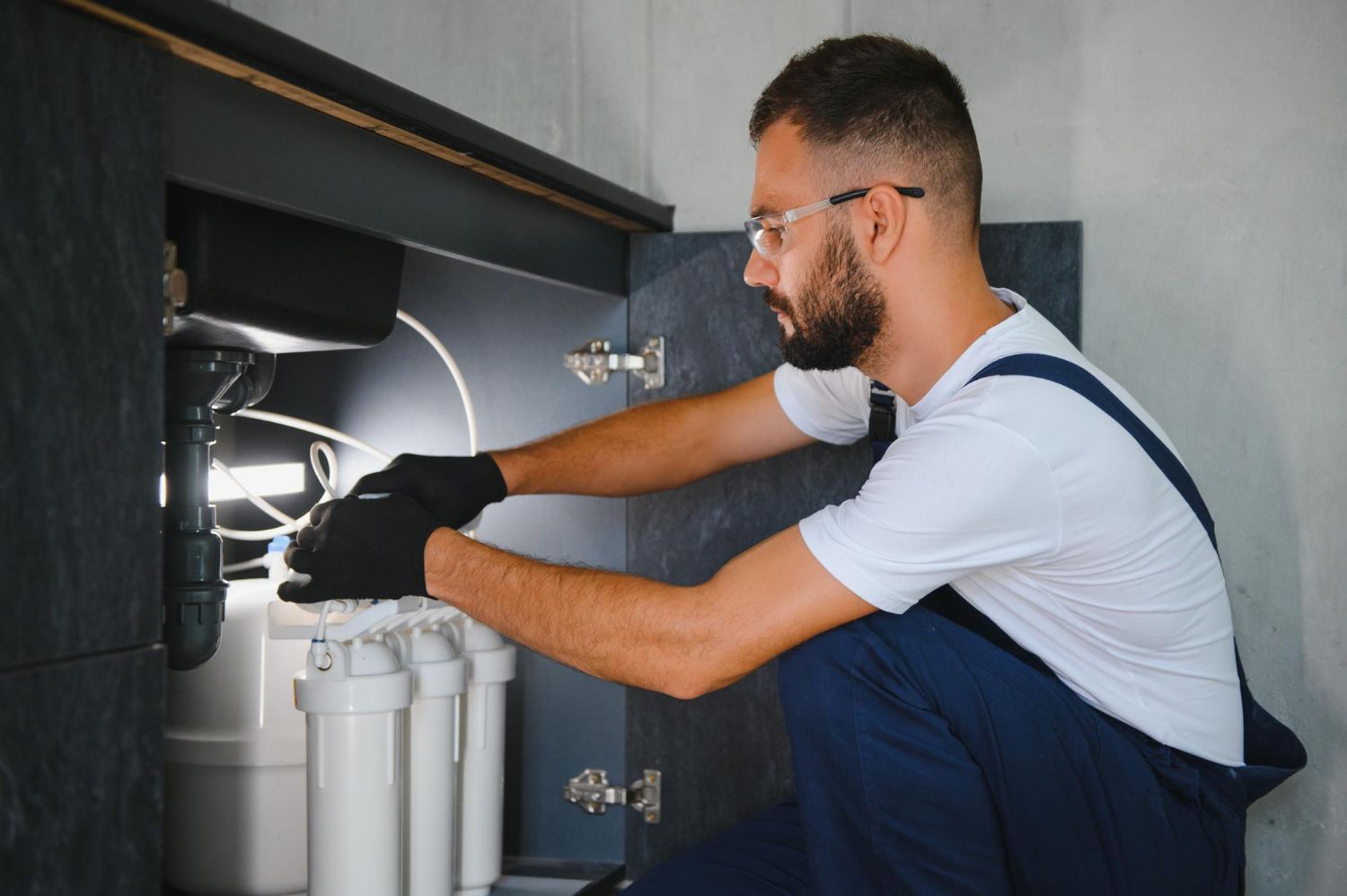
Water Science installs and maintains water softeners, RO systems, carbon filters, and whole house filtration for Park City and Wasatch County customers. All installations are done to handle mineral-heavy, cold-season water.
Seasonal Maintenance and Filter Swaps
Winter around Wasatch County brings its own set of water system challenges. Freezing temperatures test pipes and fittings. Homes that usually run on moderate use suddenly carry extra loads from holiday guests or people staying indoors more often.
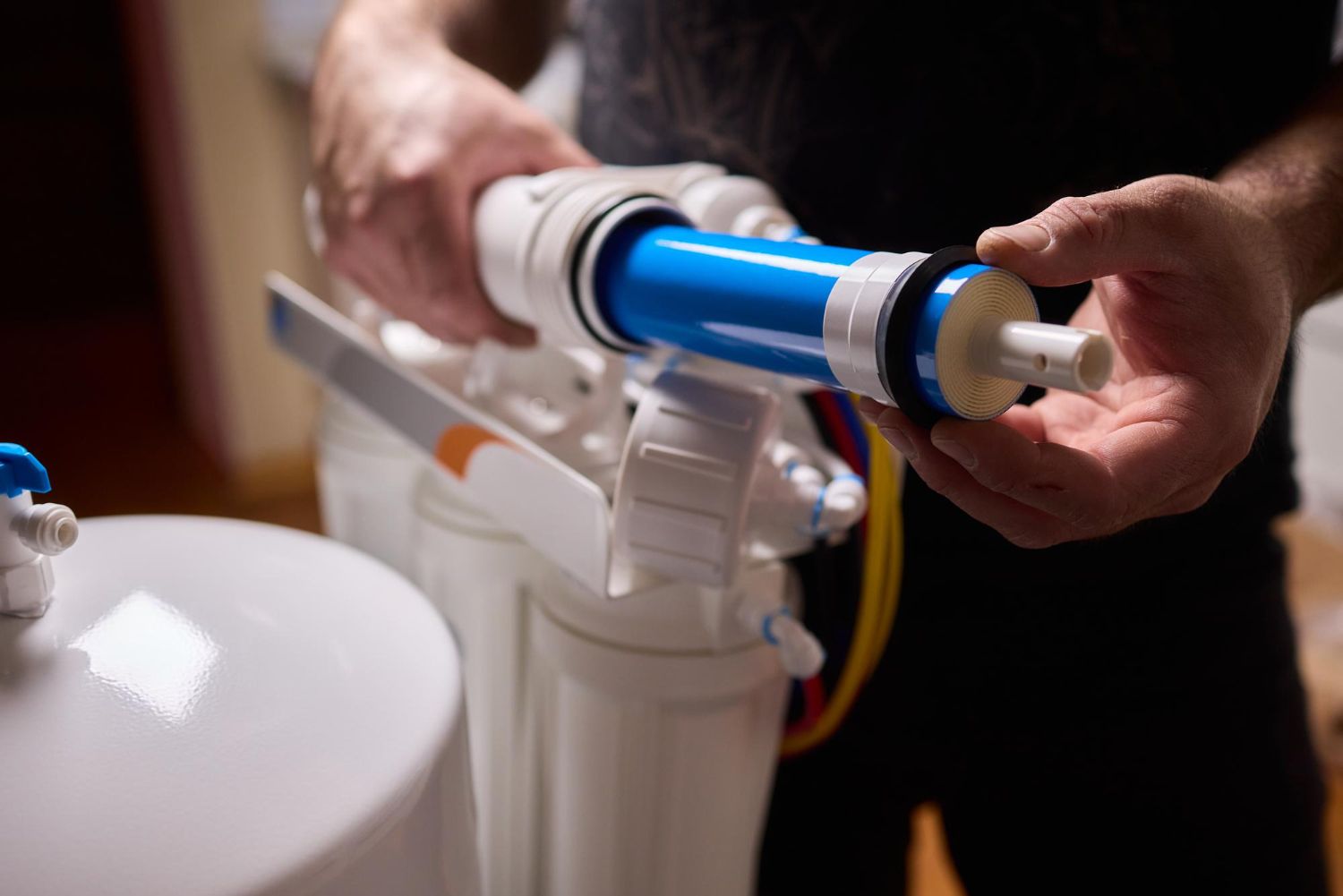
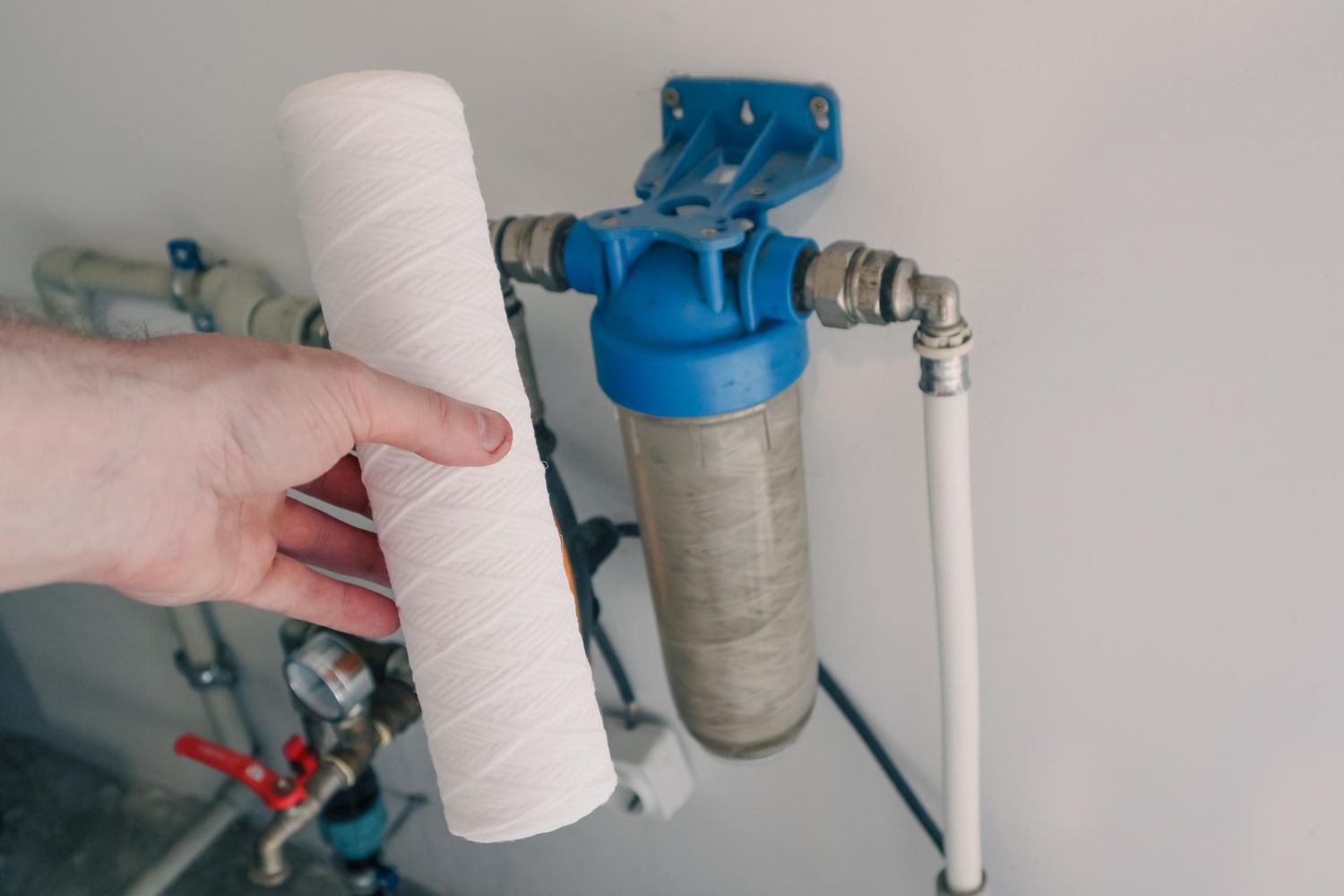
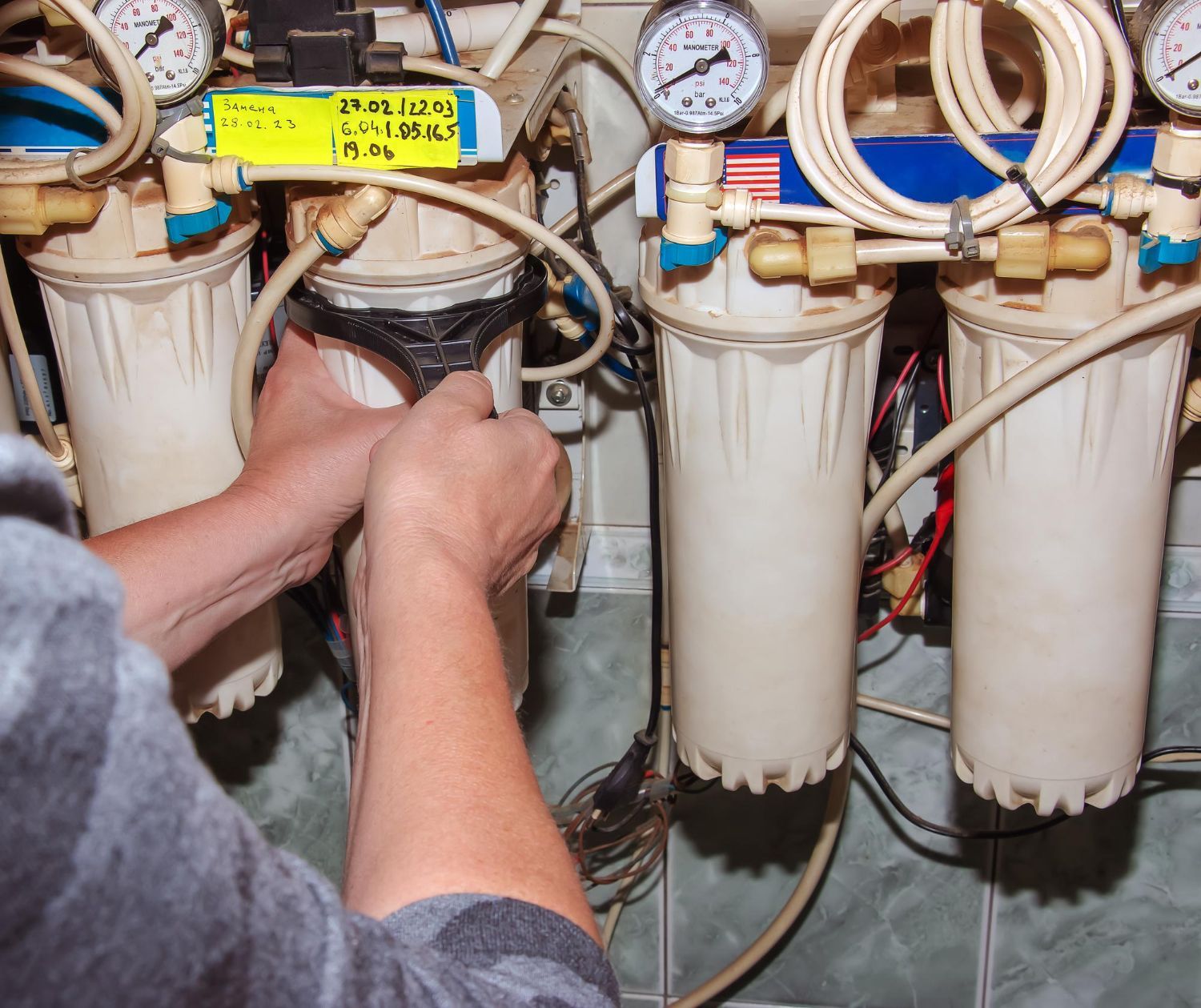
Filters need to be fresh to keep up. If they haven’t been changed in a while, cold water moving through packed material will slow down quickly. That can affect water pressure and start to back up into other parts of the system. Membranes and cartridges inside reverse osmosis units wear out too, especially when they’re handling more sediment during the snowy season.
We look at flow rate, pressure consistency, and test the output with each visit. If something is loose or starting to clog, it usually shows in the numbers. Catching that early can stop a mid-winter surprise when it’s harder to book repairs or get parts delivered quickly.
Troubleshooting Pressure Drops, Leaks, and Loud Noises
Not all problems show through taste or color. Some announce themselves through a slow stream from the tap. Others through an odd rattle from the pipes or a puddle under the tank. Pressure, leaks, and sound are clues that something deeper might be shaping up.
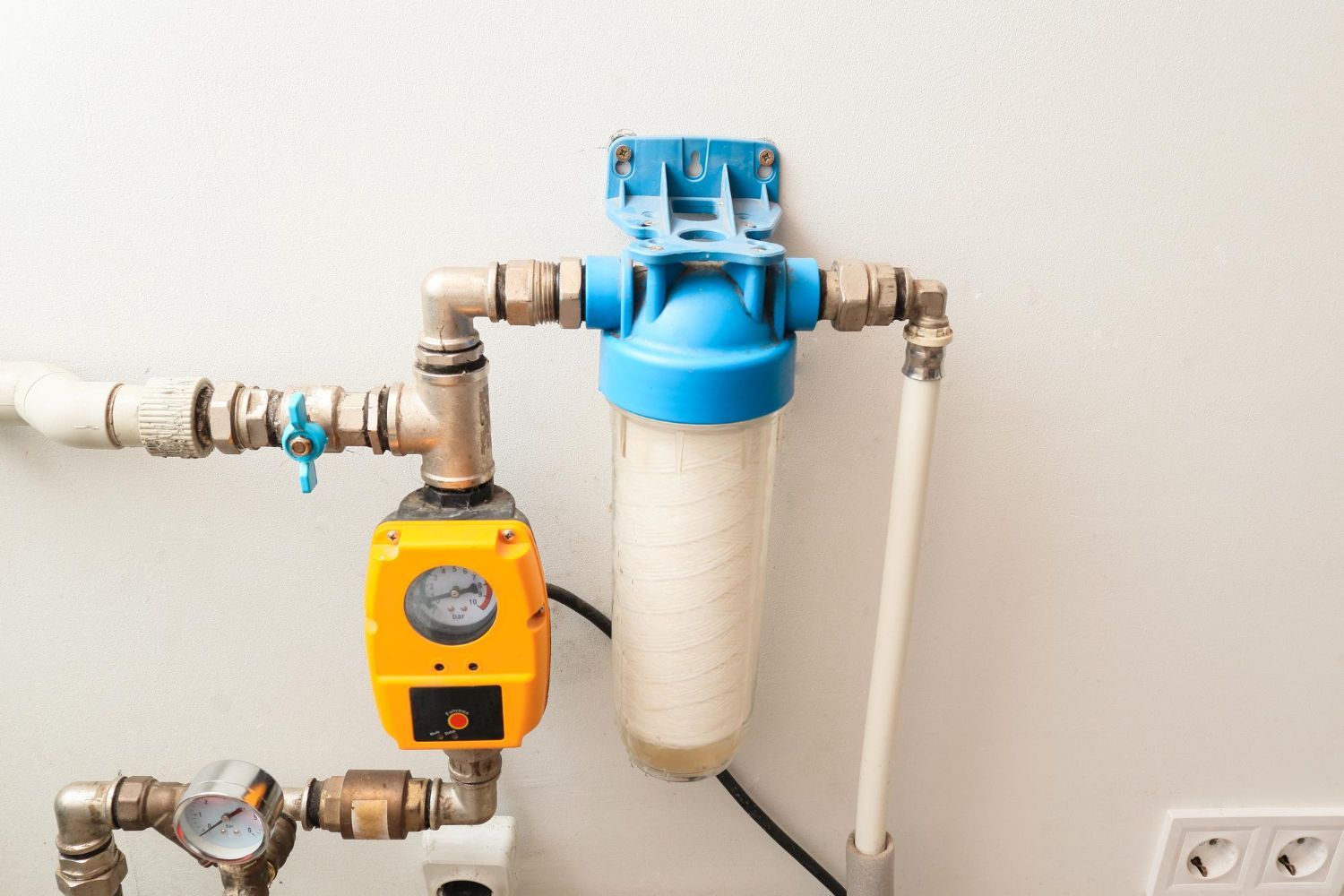
Pressure drops often start with clogged filters or mineral buildup inside pipes. When less water makes it through the system, sinks fill slower, showers lose push, and appliances don’t work like they should. A drop in pressure midstream can even signal air bubbles inside the lines.
Leaks are another issue we check during winter. Older systems may develop cracks at fittings or near sealed joints. These small openings let cold air in and water out, which can cause damage if they’re left alone for too long. We inspect hoses, seals, and valves closely—especially in garages or crawl spaces where the cold sinks in faster.
A few strange noises can say a lot too. We know what a filter sounds like at the end of its life or how a water softener behaves when a valve won’t cycle cleanly. These small cues guide most winter troubleshooting.
Custom Water Planning for Households and Businesses
Every setup starts with the same question: what’s coming into the home, and how is it being used? A young family might need better drinking water and softer showers. A rental property down the street might care more about reliable pressure and fewer stains on bathroom fixtures.
We visit homes to talk through these questions. What does the water smell like? What’s the daily use like? Does it leave spots on dishes or build up in the shower? These conversations help shape the right kind of system and service plan.
Builders and contractors often call ahead during the planning of new homes. That lets us figure out equipment setups before walls go up. For homes that use a lot of water year-round—big families or properties with outdoor faucets—we might suggest more frequent checks or different filters based on overall demand.
Smart water planning helps keep costs down and performance up. When a system runs smooth from the start, repairs are fewer and far between. Winter might highlight weak spots, but with steady care, those issues rarely grow into bigger ones.
What to Expect from a Local Water Pro This Season
Winter isn’t just hard on roads and roofs. It’s tough on water systems too. Colder months bring longer use and colder input, which leaves little room for neglected filters or aging parts. That’s where local water pros stay busy.
In the Wasatch area, we’re used to cold snaps and holiday surges. We schedule visits before the year’s end to check for signs of leaks, blockages, or small breakdowns. Some homes go through more water in December than the previous two months combined. That’s why seasonal care matters.
The most common jobs this time of year are filter swaps, flow checks, and inspections of outdoor lines. These simple acts help stop small annoyances from becoming bigger ones—like waking up to no water pressure or a floor soaked from a leak that froze, then thawed.
Water care work may not always be flashy, but it does make things feel simpler. Taps work when needed. Showers warm up fast. Guests get clear, good-tasting water with dinner. Those are small wins that add up during long winters here. Winter-ready homes run better with water systems that can keep up without missing a beat.
Homes and businesses in Park City and nearby can run into all kinds of water issues when systems aren’t working right—like low pressure, strange tastes, or cloudy appearance. Winter puts extra load on filters and plumbing, so now’s a smart time to check the setup before small problems get bigger. Whether it’s time for a filter change or something more involved, we match the service to your water source and daily use. See how we help keep things running smoothly with our
Wasatch water purification services. Reach out to Water Science to schedule a visit or talk through what’s happening in your system.