Should You Upgrade Your Water Softener in Utah County?
Every spring, homeowners across Utah County start thinking about what to fix or update around the house. Between thawing pipes, yard cleanup, and those first few warmer weekends, it’s easy to overlook changes in your water. But this is one of the best times of year to take a second look at your water softener in Utah County.
The shift from winter to spring places new stress on household systems, especially ones we don’t see every day. Water treatment happens in the background, quietly doing a lot of work. If that system is aging or underperforming, subtle signs start showing up. With the dry season coming and water use on the rise, now is the time to ask whether your system is still doing its job right.
How to Tell If Your Water Softener Is Underperforming
A water softener doesn’t go out all at once. It slowly becomes less effective, and daily habits require a little more work, a little more product, and a little more patience.
- If you’re noticing hard water spots on glasses or shower doors again, that’s often an early sign. These white stains show up when minerals like calcium and magnesium sneak through untreated.
- More soap and detergent use, especially with laundry or dishes, can mean it’s taking more product to get the same clean result.
- If skin starts to feel tight or itchy after a shower, or your hair feels heavier, that buildup could be from hard water minerals staying behind.
Another red flag is when appliances like dishwashers or coffee makers get cloudy, clog up, or need extra cleaning to run smoothly. Over time, hard water makes them less efficient and shortens their life.
What Warmer Weather Brings to Water Systems in Utah
When snow starts melting across the mountains, that water doesn’t just disappear. It filters down and eventually flows into local water systems. By the time early spring hits in Utah County, there’s a noticeable change in what’s moving through your pipes.
- Melting snow carries extra minerals and sediment. This changes the hardness level and makes it harder for older systems to keep up.
- These early months often bring more water into local reservoirs, which can lead to short-term shifts in water chemistry.
- Older or smaller softeners may not have the capacity to manage the demand, especially if they were installed when household needs were different.
This time of year brings its own pressure. Homes in Utah are often hit with burst pipes or sediment spikes after winter ends. When we pair that with increased use as temperatures rise, the results can be tough on a tired system.
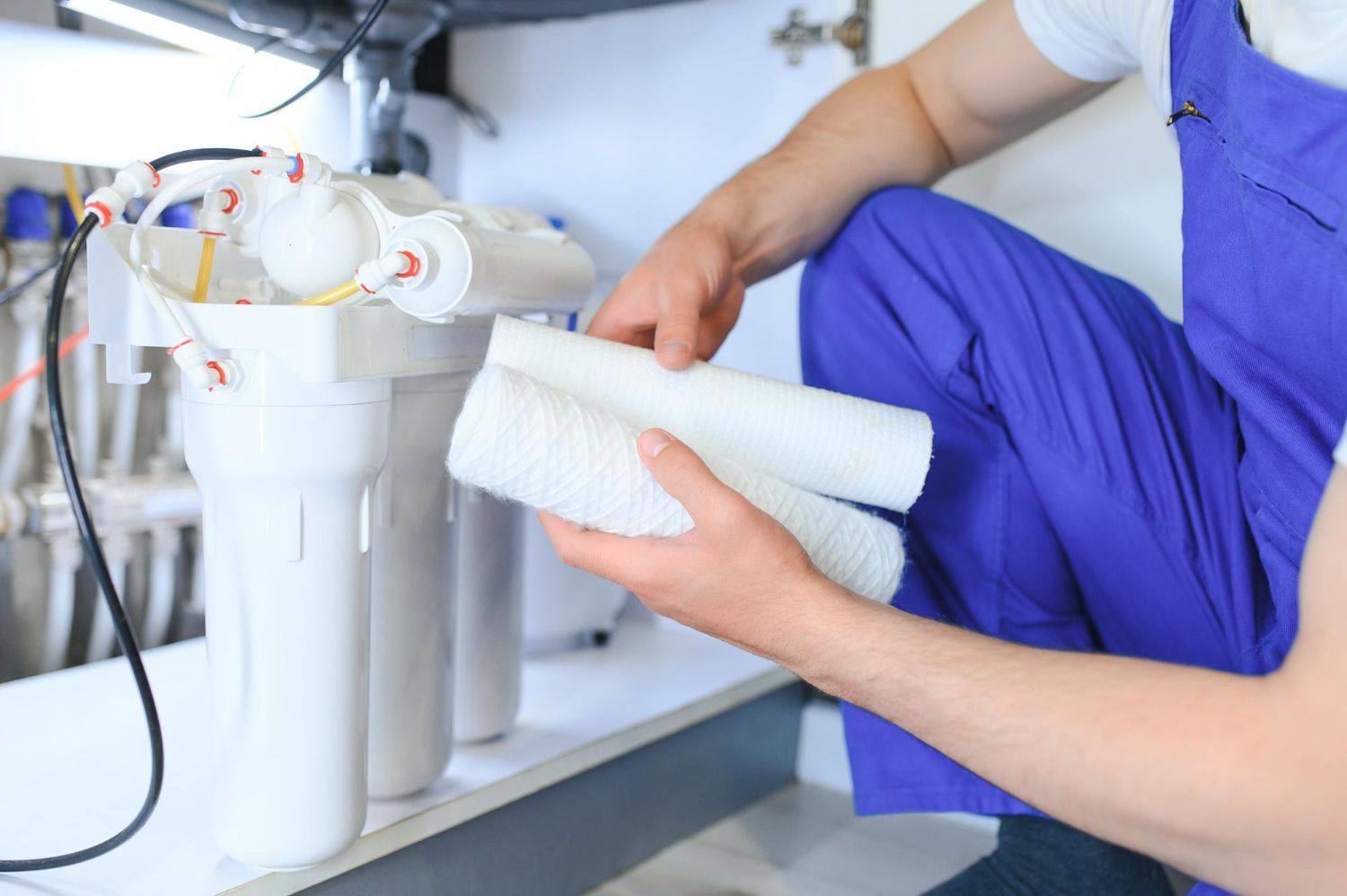
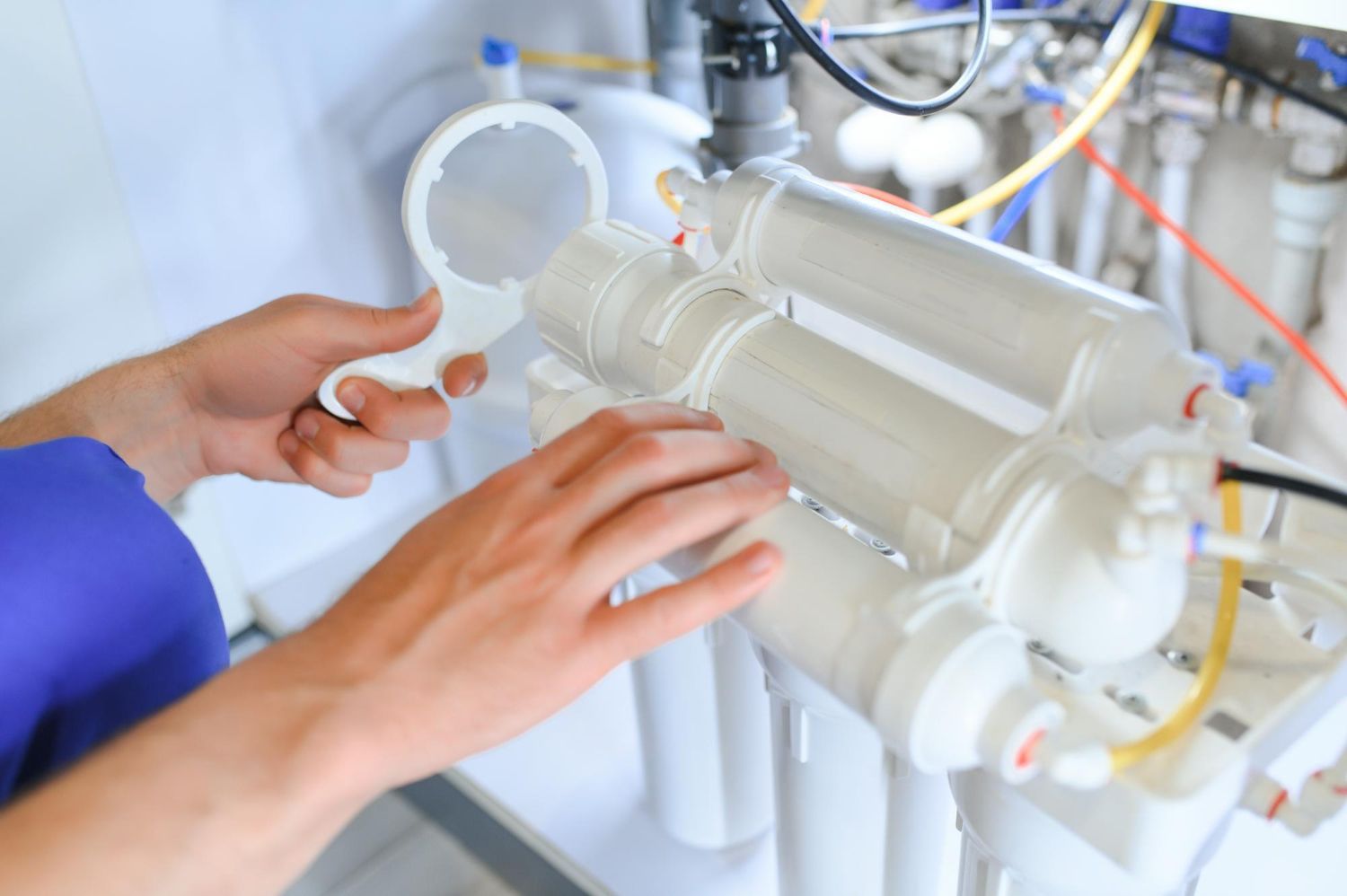
Water Science provides water softener installation and upgrades across Utah County, including product selection for local hardness, spring replacement specials, and maintenance plans for major brands.
Questions to Ask Before Replacing Your Water Softener
Before deciding on any changes, it’s a good idea to start with questions that help make sense of where your system stands.
- How old is your current softener? Most systems don’t last forever, especially ones that have been running without much maintenance.
- Has your household grown or changed? More people under one roof means more water use every day, which affects how much the softener has to handle.
- Are you scheduling more repairs or spending extra to keep it performing? If performance keeps dropping or parts are wearing out, a replacement may save stress over time.
Answers to these questions help set the stage for what comes next. Sometimes a simple maintenance check is enough. Other times, an upgrade provides consistency and peace of mind when daily use peaks.
What Modern Water Softeners Can Do Better
If you haven’t looked at newer softener models in a while, you might be surprised by the changes. Many upgrades focus on easing the workload for busy households and giving better results with less effort.
- New designs take up less space, which helps in garages or utility closets where room matters.
- They use less salt and water, which cuts down on upkeep and helps reduce waste, even more important in dry seasons.
- Some systems now offer smart controls or sensors to track usage, alert you when it's time to refill salt, or flag when a problem might be developing.
This technology isn't just about convenience. In a place like Utah County, where hard water is almost constant, that extra layer of visibility helps catch bigger issues early. Modern systems are built to stay ahead of high demand, especially during warmer months when water use spreads across home and yard.
A Smoother Spring with Better Water
Now that warmer days are here and water use is on the rise, it makes sense to take a step back and look at how your water feels, tastes, and performs throughout the house. A water softener that quietly handled the job during winter might not be equipped to keep up with the rapid pace of spring and summer.
Keeping your water softener in shape means fewer hassles down the line. Better water makes showers more comfortable. It keeps dishes and clothes cleaner. It even helps extend the life of appliances. Small updates now could save hours of repair or replacement when you’d rather be enjoying your summer.
Upgrade Your Water Softener This Spring
When spring puts your water systems to the test and you notice changes in skin feel, water pressure, or the way your dishes look, our team at Water Science is ready to help. We know how hard water can impact comfort and efficiency for homes throughout Summit and Wasatch Counties. Now is a great time to find out whether upgrading your water softener in Utah County could deliver better performance with less hassle. Contact us today and we’ll guide you through every step.